Complete Comparison: Gas Powered and Electric Tillers for All Garden Soil Types
Selecting between gas-powered and electric tillers is a frequent dilemma for home gardeners, small growers, landscaping crews and…
Complete Comparison: Gas Powered and Electric Tillers for All Garden Soil Types
Selecting between gas-powered and electric tillers is a frequent dilemma for home gardeners, small growers, landscaping crews and agricultural equipment wholesalers. While both machines loosen soil, eliminate weeds and prepare seedbeds, their power output, maneuverability and adaptability shift drastically across sand, loam, compacted clay and rocky ground. This guide compares core pros and cons and matches each model to specific soil conditions to simplify purchasing decisions.
1. Core Advantages of Gas-Powered Tillers
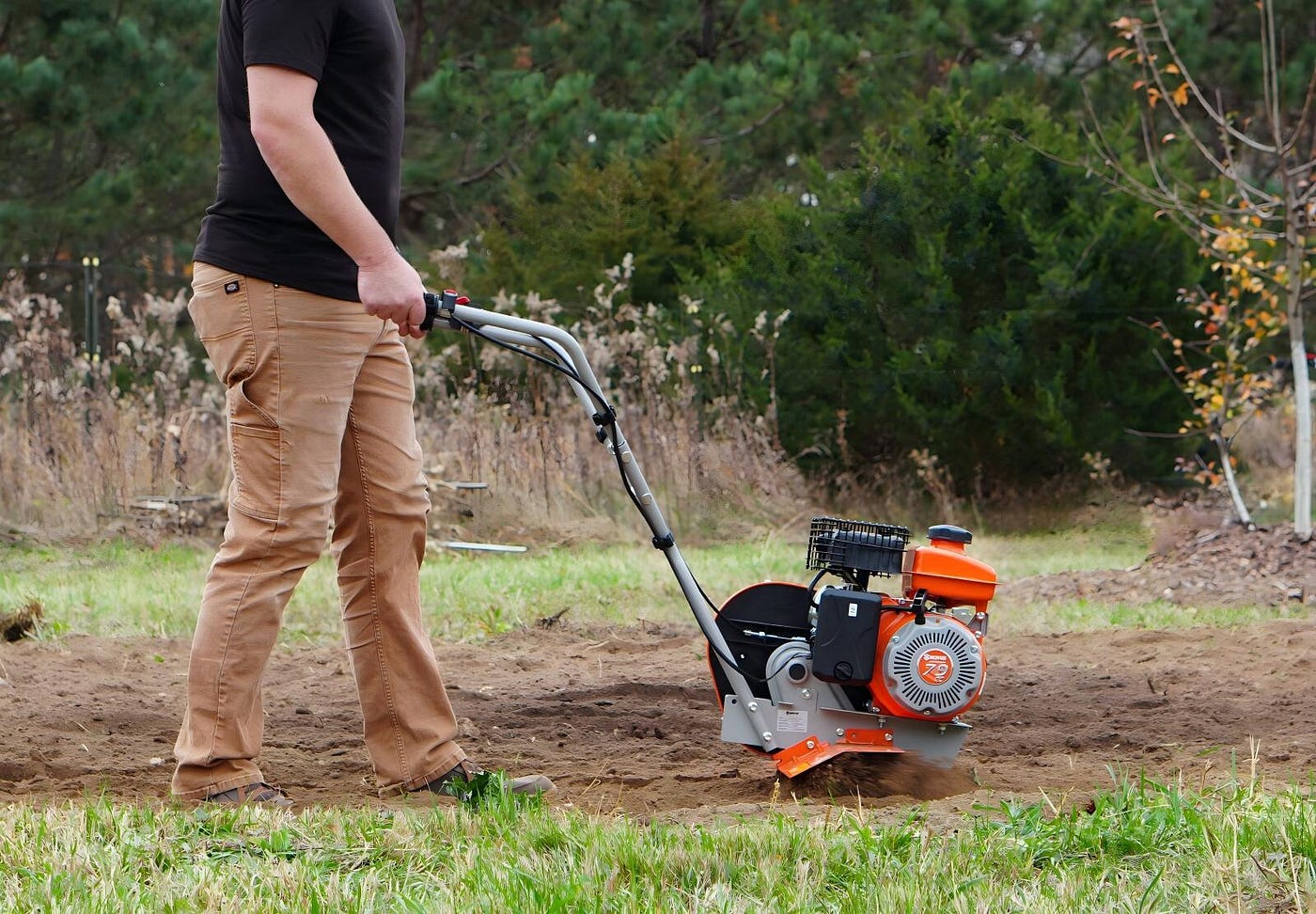
Gas tillers run on gasoline engines and deliver robust, sustained torque for tough field tasks. First, their high digging strength enables deep penetration into compacted clay, untilled virgin ground and rocky soil where lightweight units stall easily. They feature unlimited working range without cord length or battery capacity restrictions, perfect for large open yards and remote farmland lacking power outlets. Most gas rotary tillers support long continuous runtime, ideal for all-day landscaping renovation and commercial planting preparation. For bulk distributors, heavy-duty gas models remain the top seller targeting professional contractors and large-scale farmers.
2. Key Drawbacks of Gas-Powered Tillers
Gas variants come with notable downsides for casual household use. They produce loud operating noise plus exhaust fumes, making them unsuitable for indoor greenhouses or residential areas with strict noise limits. Regular maintenance is required: oil changes, spark plug replacement and carburetor cleaning add long-term upkeep costs. These machines weigh heavier, harder to maneuver around narrow flower beds, tight fence lines or small rooftop gardens. Initial price and daily fuel expenses also raise ongoing operating costs for occasional garden owners.
3. Main Benefits of Electric Tillers
Electric tillers split into corded electric and rechargeable battery-powered types, designed for low-intensity gardening. Zero exhaust emission and quiet operation let users work comfortably near houses, enclosed greenhouses and sensitive planting areas without disturbing neighbors. Light compact body brings outstanding flexibility to navigate narrow rows, small raised beds and confined corner spaces. No gasoline refueling or complicated engine maintenance; only basic blade cleaning is needed after use. Lower upfront cost positions electric tillers as the leading budget choice for hobby gardeners and small residential market.
4. Common Disadvantages of Electric Tillers
Limited power output is the biggest weakness of electric tillers. Most standard electric units fail to break dense clay, thick root mats or heavily compacted dirt; tines slip and bounce instead of sinking deep into hard ground. Corded electric models are restrained by power cable length, impossible for far-off large plots. Cordless battery-powered versions suffer limited runtime per single charge, forcing frequent stops to recharge when working on mid-sized lots. They struggle severely with rocky soil filled with scattered stones.
5. Matching Tillers to Different Soil Conditions
Loose Sandy & Rich Loam Soil
Best pick: Electric Tiller Light, loose sand and fertile loam need only shallow cultivation. Compact electric models finish bed preparation and weeding efficiently with no extra power waste.
Moderately Compacted Garden Soil
Both options work well. Battery electric suits small plots, while compact lightweight gas tiller is better for medium-sized continuous land.
Hard Compacted Clay & Virgin Uncultivated Soil
Best pick: Gas-Powered Tiller High engine torque easily crushes hardened clay and turns over uncultivated ground; electric machines lack enough power for full-depth tilling here.
Rocky, Root-Heavy Ground
Stick with heavy-duty gas tillers. Sturdy engine and reinforced tines withstand impacts from stones and thick plant roots; electric components are prone to overload damage under harsh rocky conditions.
6. Final Purchase & Wholesale Suggestions
Choose an electric tiller if you maintain small residential gardens with loose loam or sandy soil, prioritize low noise and easy upkeep. Opt for gas-powered tiller when managing large land, tough clay, rocky lots or professional landscaping projects requiring stable heavy power. For equipment wholesalers, stocking both electric and gas series covers residential hobby buyers and commercial farm clients simultaneously to expand sales coverage.
메타데이터
- post_id
- 1e4d34fdaf83
- slug
- complete-comparison-gas-powered-and-electric-tillers-for-all-garden-soil-types-1e4d34fdaf83
- url
- https://medium.com/@shangm1234/complete-comparison-gas-powered-and-electric-tillers-for-all-garden-soil-types-1e4d34fdaf83
- canonical_url
- https://medium.com/@shangm1234/complete-comparison-gas-powered-and-electric-tillers-for-all-garden-soil-types-1e4d34fdaf83
- author_url
- https://medium.com/@shangm1234
- status
- ok
- fetched_at
- 2026-07-14 22:12:21