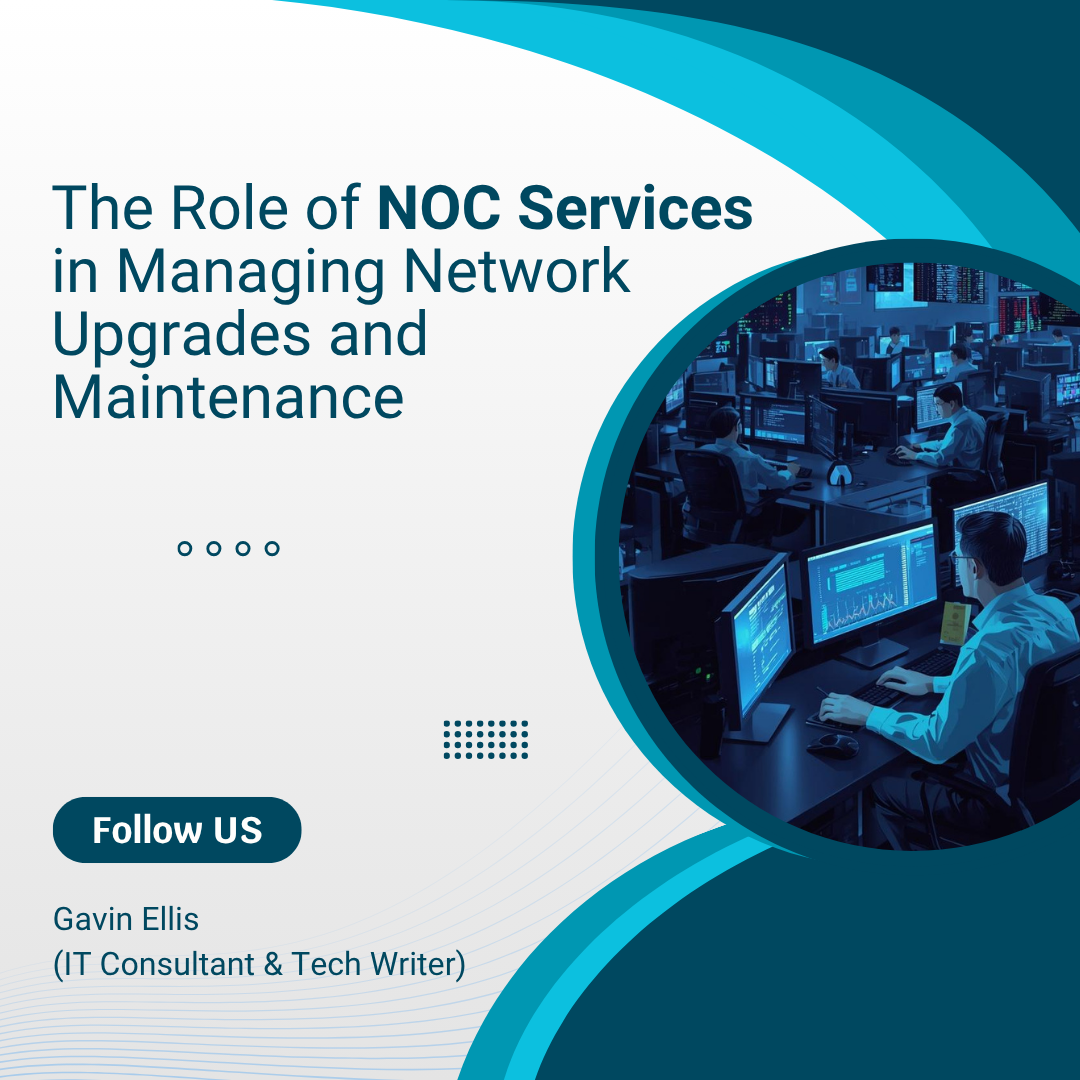
Why Critical Systems Fail and How Monitoring Teams Stop It Before It Happens
Businesses today rely on digital systems to conduct day-to-day business, provide customer service, and assist in strategic decision-making…
Why Critical Systems Fail and How Monitoring Teams Stop It Before It Happens

Businesses today rely on digital systems to conduct day-to-day business, provide customer service, and assist in strategic decision-making. When such systems fail, it is not the IT teams that are the only victims. The downtime may cut into the revenue streams, destroy customer confidence, and drag down whole organizations.
Although the failures seem to manifest themselves suddenly, the reasons behind them tend to accumulate throughout the years — and that is where structured remote monitoring can make a significant difference.
Common Reasons Behind Critical System Failures
The majority of the system failures are not caused by one error. They are the result of both technical slips and operational blind spots. The age of infrastructure, the inability to apply security patches in time, configuration differences, and sudden increases in load may gradually undermine system stability. In most organizations, problems go undetected because teams rely on manual checks or wait for users to inform them.
Fragmented visibility is another significant factor. Early warning signs are easily missed when application, server, network, and cloud resource monitoring are done separately. Without centralized remote monitoring, one cannot notice such performance problems as increasing latency, memory saturation, or sporadic traffic patterns before they affect the business.
How Monitoring Teams Prevent Failures Before They Escalate
Monitoring teams are aimed at early detection and not crisis response. They monitor performance baselines indicative of normal operating conditions through continuous remote monitoring of the system’s behavior. Any variation of these patterns raises alarms, and teams are able to take action before the problems escalate into outages.
The strategy changes IT functions to a preventive one. By observing teams, it is possible to detect resource bottlenecks, isolate unstable ones, and optimize settings long before. Under constant remote monitoring, minor anomalies are also addressed, minimizing the risk of complete system disruption.
Predictive Insight as a Business Advantage
In addition to real-time notifications, remote monitoring can be used to analyze trends and predict. Monitoring teams are able to predict the capacity limits, performance drop-offs, or failures that occur regularly through reviewing past data. This understanding enables organizations to plan upgrades, workload optimization, and maintenance scheduling during low-risk periods.
Business-wise, this vision enhances reliability and cost management. A reduced number of unplanned outages implies service continuity, improved adherence to service-level guarantees, and enhanced customer satisfaction. Remote monitoring also facilitates informed decision-making through aligning business priorities to the performance of systems.
Building Resilience Through Continuous Oversight
Best Remote Monitoring fosters the cooperation between IT, security, and business teams. Conventional reporting and the same dashboards make everyone act upon the same data and help to save delays and misunderstandings. Monitoring is ultimately strategic, not a background activity.
Companies that are more focused on monitoring are better positioned to handle complexity and change without compromising system stability.
Reputable technology vendors like IBM, Accenture, and Suma Soft will provide stable monitoring and infrastructure management solutions. Through their experience in the industry and strong remote monitoring practices, these companies assist businesses in having resilient systems, lowering risks in operations, and enabling growth over the long term.
메타데이터
- post_id
- 1eaf8e2d0eef
- slug
- why-critical-systems-fail-and-how-monitoring-teams-stop-it-before-it-happens-1eaf8e2d0eef
- url
- https://medium.com/@gavin.ellis/why-critical-systems-fail-and-how-monitoring-teams-stop-it-before-it-happens-1eaf8e2d0eef
- canonical_url
- https://medium.com/@gavin.ellis/why-critical-systems-fail-and-how-monitoring-teams-stop-it-before-it-happens-1eaf8e2d0eef
- author_url
- https://medium.com/@gavin.ellis
- status
- ok
- fetched_at
- 2026-06-23 03:48:11