Integrating Solar and Battery with 4G Modules: What System Designers Must Know
Introduction: Why Your Solar 4G Device Will Likely Fail Without Smart Design
Integrating Solar and Battery with 4G Modules: What System Designers Must Know
Introduction: Why Your Solar 4G Device Will Likely Fail Without Smart Design
Everyone wants an off-grid, solar-powered 4G camera. Sounds simple, right?
Wrong.
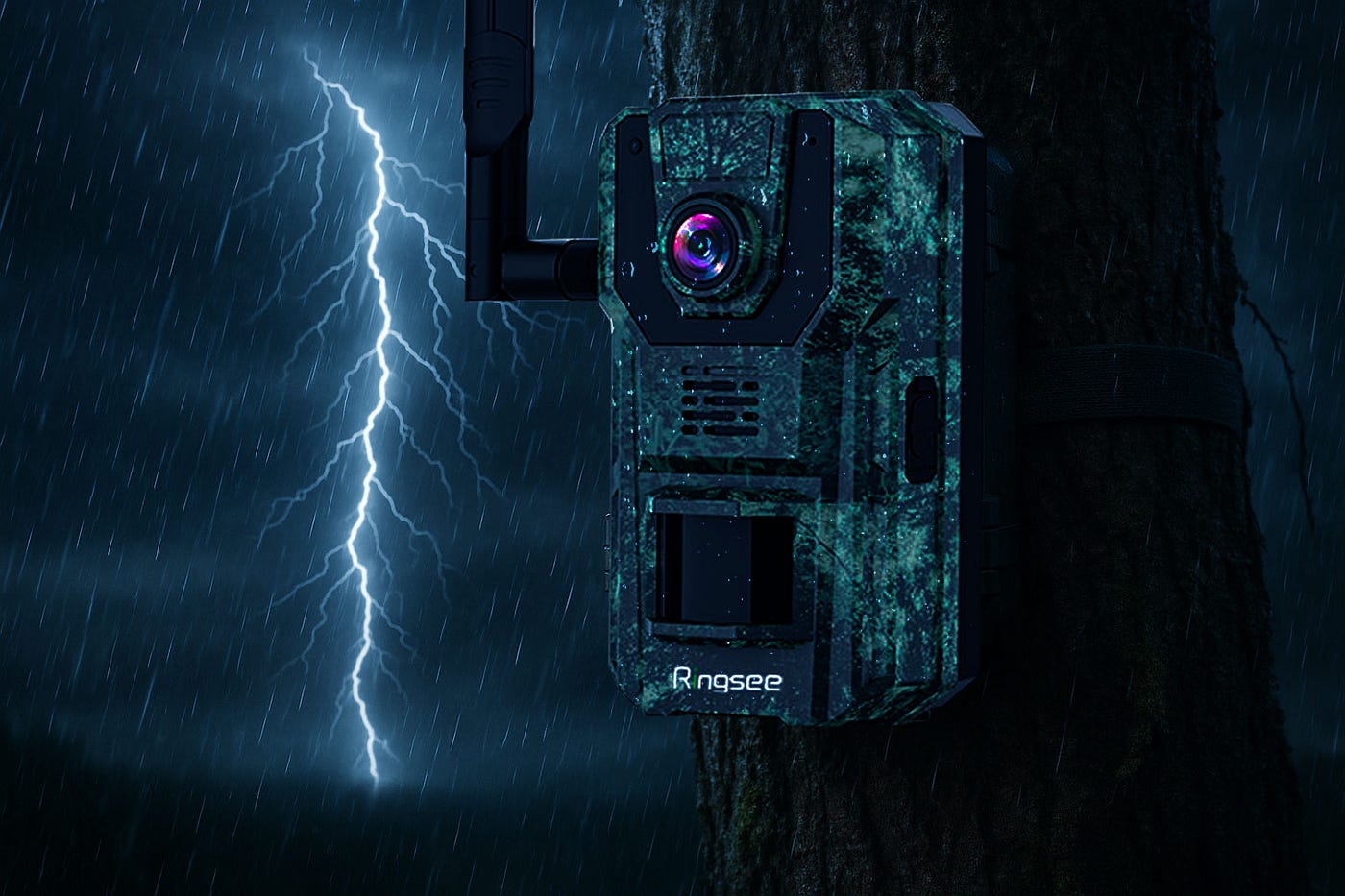
Without the right system design, your sleek outdoor device will die in three days of cloud cover, choke on a weak signal, or melt in the sun.
This isn’t just about connecting a panel to a battery and slapping on a 4G module. It’s about survival — in the wild, in poor signal zones, and under punishing weather.
Whether you’re an **OEM security module supplier*, a startup founder, or an engineer designing a custom IoT device, here’s what you must* know — and what others are getting wrong.
Solar Power + 4G Modules: Why This Combo Is Both Brilliant and Brutal
The Dream Setup
- Remote surveillance with zero power lines
- No WiFi dependency
- 24/7 operation via solar + battery
The Harsh Reality
- 4G drains power fast, especially on startup and upload
- Solar panels don’t perform well in real-world conditions (dust, shade, rain)
- Batteries degrade — fast — in outdoor heat
Controversial Take: A poorly optimized solar 4G setup is worse than useless. It gives a false sense of security — until it dies when you need it most.
Power Budgeting — The Silent Killer of IoT Projects
4G Power Demand: The Truth

Most designers underestimate peak draw. And that’s fatal.
Pro Tip: Always design with a 30% power headroom. No exceptions.
Pros & Cons of Power-Saving Modes

Solar Panels Aren’t Magic — They Need Math
Solar Panel Sizing Mistakes (And How to Avoid Them)
Common mistake: Using a 3W or 5W panel for a high-power 4G camera and expecting it to run 24/7. Spoiler: it won’t.

Pros & Cons of Different Battery Chemistries

Smart Move: Choose LiFePO4 for outdoor use — unless weight or cost is a major constraint.
4G Isn’t Always the Hero — Sometimes It’s the Villain
The Hidden Cost of 4G
- Every heartbeat signal or image upload = energy hit
- Spotty rural signal = retries + spikes
- Using HTTP or FTP? You’re burning bandwidth and battery
Better Protocols, Better Battery

Hot Take: If you’re still using HTTP-only uploads in 2025, you’re throwing away both money and battery life.
Don’t Trust the Weather — Design for Failure
Outdoor = Hostile
- Devices must tolerate -30°C to +75°C
- Solar panel must withstand UV, rain, snow, dust
- Batteries must survive extreme temps and not swell or explode
What to Include (Or Regret Later)
- Temperature protection circuits
- MPPT controller (not PWM!)
- IP66-rated housing or better
- Optional heating pad for cold starts
The Forgotten Battlefield — Maintainability
Design for Remote Recovery
- Use OTA updates to push fixes
- Enable remote SIM/APN switching
- Build in self-diagnostics for solar input, battery voltage, signal quality
Pros & Cons of Modular Design

Real-World Tip: Add BLE or WiFi for local debugging — even if the final product uses 4G.
OEM Security Module Supplier — Partner or Liability?
Choosing the right OEM supplier isn’t just about specs — it’s about survival in the field.
What to Demand
- Real-world case studies with solar setups
- Customizable firmware (not locked-down)
- Pre-certified modules (FCC/CE)
- Power efficiency reports and signal test logs
Pros & Cons of Going with an OEM Partner

Strategic Advice: If your brand reputation depends on uptime — don’t gamble. Partner with a proven OEM.
Conclusion: Don’t Just Integrate — Engineer It to Survive
Solar-powered 4G systems are the future — but only if they’re engineered with real-world challenges in mind. Fail to optimize power, underestimate the weather, or skimp on quality components, and your “smart” device will become a dumb brick in the field.
메타데이터
- post_id
- 1eb945e24ce2
- slug
- integrating-solar-and-battery-with-4g-modules-what-system-designers-must-know-1eb945e24ce2
- url
- https://medium.com/@zhengjie1993er/integrating-solar-and-battery-with-4g-modules-what-system-designers-must-know-1eb945e24ce2
- canonical_url
- https://medium.com/@zhengjie1993er/integrating-solar-and-battery-with-4g-modules-what-system-designers-must-know-1eb945e24ce2
- author_url
- https://medium.com/@zhengjie1993er
- status
- ok
- fetched_at
- 2026-07-23 09:21:50