Green Chemistry in Action
As technology continues to develop and new inventions become a part of our everyday lives, a significant increase in environmental…
Green Chemistry in Action

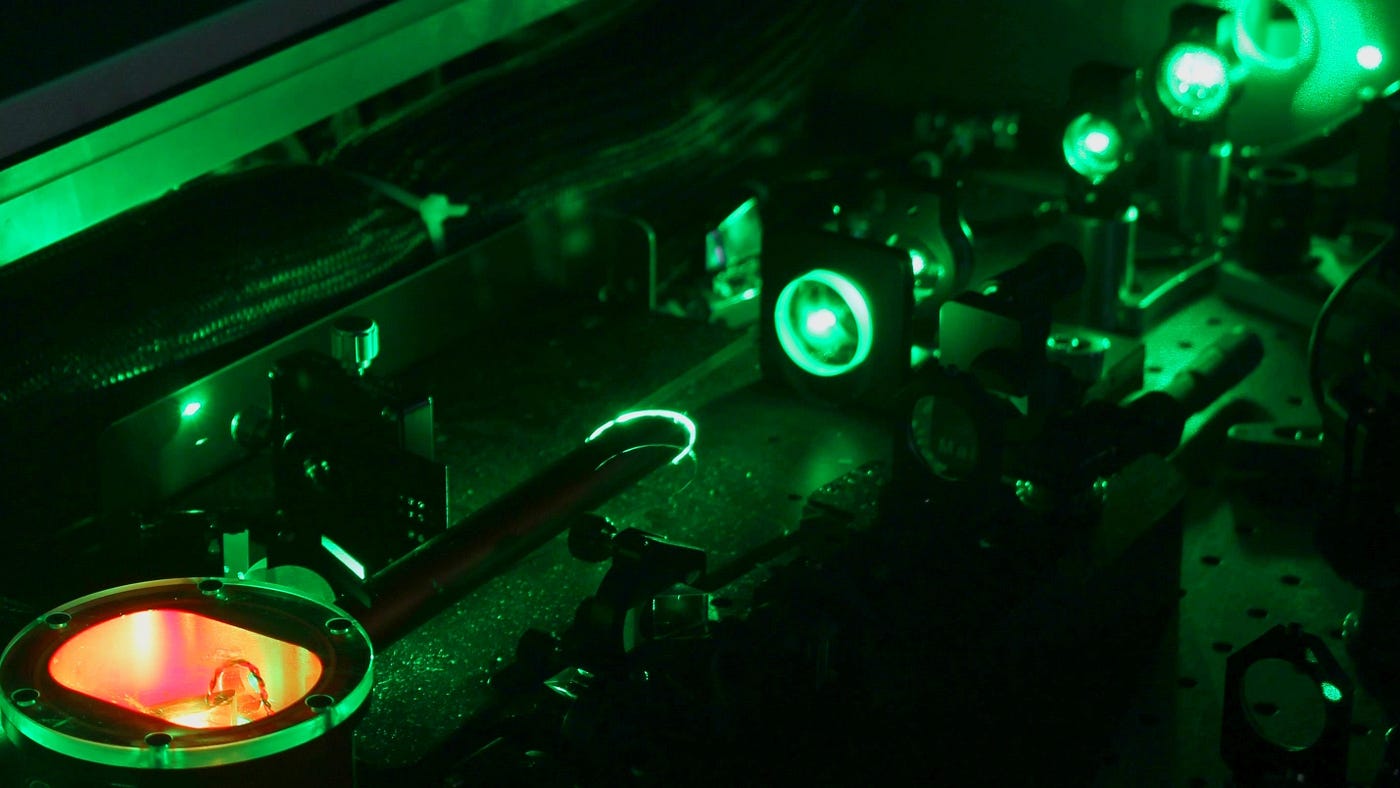
“Green Chemistry Illustration”
As technology continues to develop and new inventions become a part of our everyday lives, a significant increase in environmental pollution has occurred. From releasing toxic gases to the air to accumulating hazardous chemical wastes in the oceans, the chemical industry’s role in this pollution cannot be ignored. Because of this, chemistry is often perceived as a villain when it comes to pollution. After all, chemistry is what creates the synthetic materials that have long been linked to environmental harm. But what if chemistry can be used as a weapon to fight pollution, rather than being the source of it? Although chemistry is often perceived as the villain in the story of environmental pollution, a powerful concept within the field is changing that narrative. This principle is called green chemistry.
According to the United States Environmental Protection Agency (USEPA), green chemistry is defined as “the design of chemical products and processes that reduce or eliminate the use or generation of hazardous substances.” This concept emerged in the 1990s, when people became more alarmed about industrial waste and health hazards caused by it. During this time, two American chemists, Paul Anastas and John Warner, wanted to rethink how chemistry could be practiced in a more sustainable and responsible way. They came up with twelve principles that apply across the life of a chemical product, including its design, manufacturing, usage, and disposal. Rather than a strict list, these principles offer practical strategies to make chemistry cleaner, safer, and more efficient. Here are the twelve steps that form the foundations of green chemistry (American Chemical Society):
- Prevent Waste: This first principle of green chemistry aims to clean up all the waste that has been created through chemical processes. This principle is often viewed as the foundation of green chemistry, with the remaining principles offering strategies to achieve waste prevention.
- Maximize Atom Economy: The second principle states that synthetic methods should be designed to “maximize incorporation of all materials used in the process into the final product.” This means that the final product should contain the maximum proportion of the starting materials. There should be no waste of atoms.
- Design Less Hazardous Chemical Syntheses: The third principle of green chemistry aims to design chemical syntheses that possess little to no toxicity to human health and the environment. This step is vital to reduce all possible damages to the environment and human health.
- Design Safer Chemicals and Products: A very similar step to Principle 3, the fourth principle strives to design synthetic methods that generate substances that are fully effective with little to no toxicity.
- Use Safer Solvents and Reaction Conditions: The fifth principle of green chemistry highlights the unnecessary usage of auxiliary substances, like solvents and separation agents. Even though solvents and separation agents are useful parts of designing chemical syntheses, they also drive most of the energy consumption in a process. Most solvents used in chemical processes are not recycled. If they’re not recycled; they are often incinerated. So if these chemicals should be used, safer ones should be preferred.
- Increase Energy Efficiency: This simple step requires that environmental impacts of chemical processes be minimized. Moreover, this step supports running chemical reactions at room temperature and standard pressure whenever possible.
- Use Renewable Feedstocks: This step proposes using renewable starting materials. Those starter materials are known as feedstocks in chemistry, and the source of them is often fossil fuels like petroleum, natural gas, and coal. Renewable feedstocks are often processed from agricultural products or wastes of other processes, which helps reduce dependence on fossil fuels and lowers environmental impact.
- Avoid Chemical Derivatives: The eighth principle highlights the importance of avoiding the use of protecting groups, which can generate waste.
- Use Catalysts, not Stoichiometric Agents: Catalysts are able to carry out a single reaction many times, even if they are used in small amounts. On the contrary, stoichiometric reagents are used in excess and carry out a reaction only once. This principle aims to replace the usage of stoichiometric reagents with catalysts.
- Design Chemicals and Products to Degrade After Use: This principle proposes to design chemical products that break down to innocuous substances in the environment after usage. This principle is vital to ensure that chemicals do not persist and pollute ecosystems after fulfilling their intended purpose.
- Analyze in Real Time to Prevent Pollution: This step emphasizes the importance of continuously monitoring chemical reactions as they happen, which allows scientists to address issues immediately. By doing so, it becomes possible to reduce or even avoid the creation of unwanted and potentially harmful byproducts, leading to cleaner and more efficient chemical processes.
- Minimize the Potential for Accidents: This principle focuses on designing chemicals and their physical states in ways that reduce the risk of dangerous incidents, such as fires, explosions, or environmental leaks. By prioritizing safety from the start, chemists can help prevent accidents and make chemical processes safer for both people and the planet.
While these principles serve as a theoretical framework, their true value lies in their real-world applications. These principles have influenced the chemical industry to transform into a more sustainable and safe environment. An exemplary application of the principles of green chemistry can be seen in the shift towards safer solvents, like switching to supercritical CO₂ instead of acetone.
Supercritical carbon dioxide is a non-toxic, non-flammable, and environmentally benign alternative to conventional solvents like acetone and other volatile organic compounds (p. 12, “Green Chemistry and Solvent Replacement”.) Unlike acetone, scCO₂ does not contribute to smog formation or cause hazards, which is why it acts as a sustainable alternative to non-sustainable solvents like acetone.
Another application of green chemistry principles is the increasing use of reusable metal catalysts, which help minimize chemical waste and improve efficiency. Reusable metal catalysts exemplify the principles of atom economy and waste minimization by enabling hundreds of reaction cycles without losing activity — drastically reducing the need for hazardous stoichiometric reagents. For instance, Penn State’s research on palladium-based catalysts demonstrates how optimized designs can achieve selective hydrogenation with 50% lower energy consumption while generating no toxic byproducts (Rioux Lab). Similarly, enzymatic catalysts like lipases are revolutionizing pharmaceutical manufacturing by operating efficiently at room temperature in water-based systems, eliminating up to 80% of organic solvent waste compared to traditional methods (PharmaFeatures). These innovations not only align with green chemistry’s goal of safer processes but also prove that sustainability can enhance efficiency and cost-effectiveness. By combining the precision of enzymes with the durability of metal catalysts, hybrid systems further push the boundaries of waste-free chemical synthesis, proving that the principles of green chemistry are not just theoretical ideals but practical tools for industry transformation.
A company that should be recognized for applying the principles of green chemistry is Estée Lauder, a beauty brand that claims to embed the principles of green chemistry throughout their product formulation (“Green Chemistry”). Estée Lauder uses a green chemistry methodology called “Green Score,” which helps their formulators to evaluate their ingredient and formulation choices in terms of human health, ecosystem health, and the environment. Green Score not only helps the formulators to create sustainable beauty products but also increases the performance and prestige of their products. By publicly sharing their methodology, Estée Lauder also hopes to encourage sustainable innovation across all sectors and companies (“Green Chemistry”).
To conclude, green chemistry represents an innovative shift in how formulators approach the applications of chemical processes. It challenges the long-known tale that chemistry always brings environmental hazard within and presents the idea that chemistry can prioritize sustainability in its inventions. As both industries and individuals adapt to these principles, chemistry can become a leading force in the global movement toward environmental responsibility.
WORKS CITED
American Chemical Society. “12 Principles of Green Chemistry.” ACS Green Chemistry & Sustainability, 2025, www.acs.org/green-chemistry-sustainability/principles/12-principles-of-green-chemistry.html
“Catalysts: Pioneering Energy‑Efficient Chemical Reactions.” PharmaFeatures, published 5 months ago, www.pharmafeatures.com/catalysts‑pioneering‑energy‑efficient‑chemical‑reactions/.
“Green Chemistry Illustration.” Chemical & Engineering News, 19 Jan. 2021, https://cen.acs.org/environment/green-chemistry/Sustainable-chemistry-legislation-enacted-US/99/web/2021/01. Accessed 2 July 2025.
Khan, Muhammad Imran, et al. “Recent Advances in Supercritical CO₂ as a Green Solvent for Sustainable Materials Processing.” Journal of Supercritical Fluids, vol. 198, 2025, pp. 105–120, doi:10.1016/j.supflu.2025.105055.
Pennsylvania State University Department of Chemical Engineering. “Chemical Catalysts Can Help Achieve Sustainable Goals.” CHE News Archive, 2015, Penn State Department of Chemical Engineering, University Park, PA, www.che.psu.edu/news‑archive/2015/rioux‑catalyst.aspx.
The Estée Lauder Companies. Green Chemistry. The Estée Lauder Companies, www.elcompanies.com/en/our-impact/sustainability/product-responsibility/green-chemistry. Accessed 2 July 2025.
United States Environmental Protection Agency. “Basics of Green Chemistry.” EPA, 4 Feb. 2025, www.epa.gov/greenchemistry/basics-green-chemistry.19january2021snapshot.epa.gov
메타데이터
- post_id
- 1ecbe09c4d2f
- slug
- green-chemistry-in-action-1ecbe09c4d2f
- url
- https://medium.com/@atmbeg.27/green-chemistry-in-action-1ecbe09c4d2f
- canonical_url
- https://medium.com/@atmbeg.27/green-chemistry-in-action-1ecbe09c4d2f
- author_url
- https://medium.com/@atmbeg.27
- status
- ok
- fetched_at
- 2026-08-27 12:19:02