Does praise influence motivation more strongly than criticism?
And why it is so controversial
Does praise influence motivation more strongly than criticism?
Introduction
Motivation is the driving force for us to do something which costs us hard work. It is given by several factors that influence our actions based on priorities. Praise has a different impact on us than criticism, because it engages other networks in our brain. With that, the question becomes: Does praise influence motivation more strongly than criticism? It is proven by studies that it depends on the way how both are expressed and received.

Photo by Vitaly Gariev on Unsplash
The psychology behind praise
In order to understand the psychology behind the drive of actions, it is important to make clear which triggers are involved. All of the motivation is based on the hierarchy of needs. By the absence of one level, it is likely that one is driven to fulfill this need. Motivation is subdivided into two kinds. Intrinsic motivation refers to inner demand to satisfy own wishes and goals. In contrast to that, extrinsic motivation arises from the need of appreciation and recognition from others which makes that type of motivation dependent on compliments and pride. The crave for praise surpasses the actual will which leads to a potential rapid downfall when the approval stops.
Another problematic argument is that if praise gets excessive, it results in too high pressure which leads to avoidance because of the fear to fail and not to meet the expectations. A study tested children who were given the task to paint and show their pictures to an allegedly painter who either praised them extraordinarily, appropriately or not at all. After that, they should choose another picture to paint. It resulted that the participants who got a lot of approval tended to decide on an easy picture but the ones who got a normal amount or even no praise mostly aimed for the difficult picture. This shows that excessive praise leads to high standards and pressure in which the children do not feel capable of something and rather act securely to not disappoint.
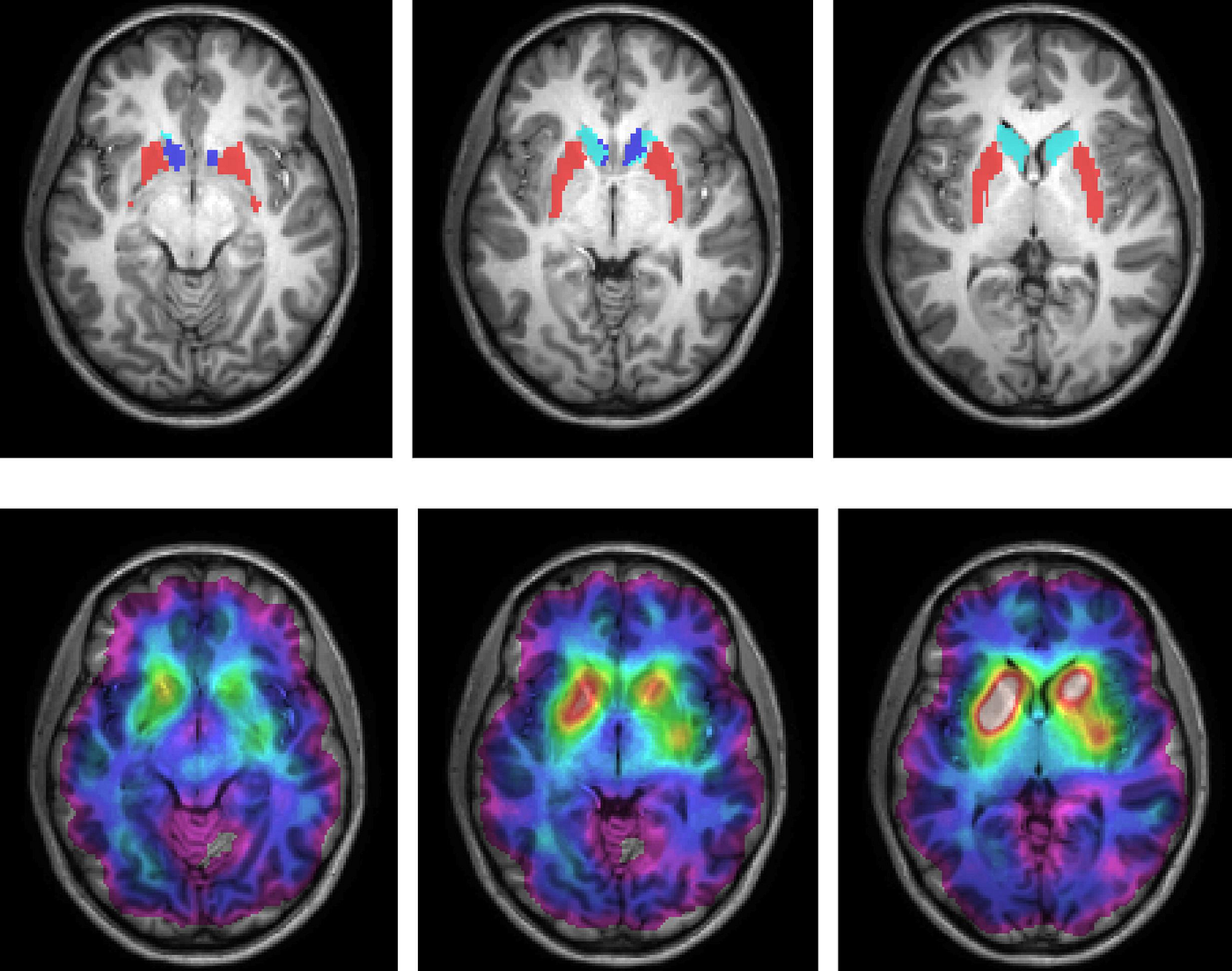
Praise is demanded by the basic need, social recognition. This triggers the release of hormones such as dopamine, opiates and oxytocin which make us feel relaxed and satisfied. It boosts self-confidence and makes us feel more valued. This leads to a repetition of particular approaches and occurrences in order to feel more often that way. The sensation is caused by the hormone dopamine which is released at learning and understanding new information, achieving a goal and in general, by success.

Photo by Jametlene Reskp on Unsplash
The psychology behind criticism
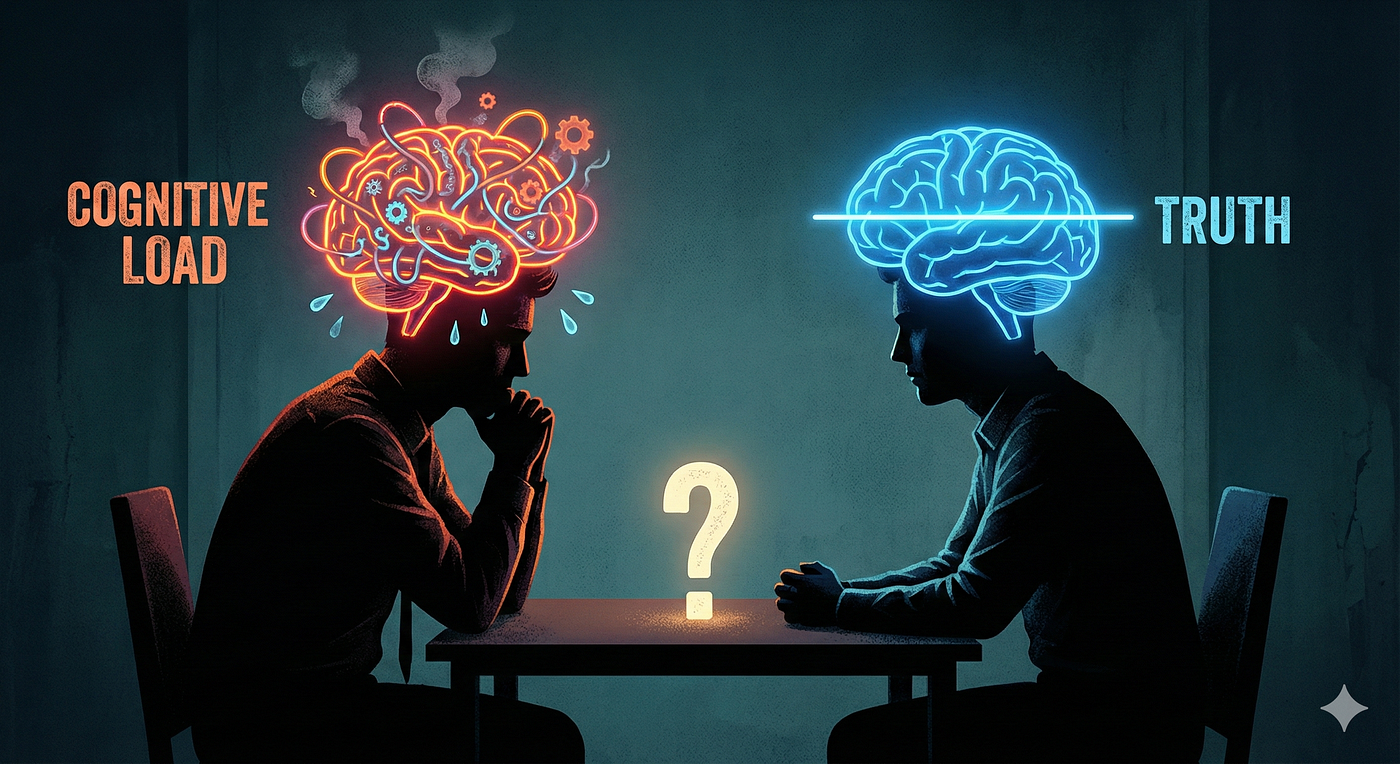
Neurological research shows that the way how criticism is given and received makes a big difference on motivational thinking. Criticism is defined by two sides. Destructive criticism has a harmful effect because it damages the self-esteem. It mostly refers to personal aspects without a solution and tends to be condescending. The stress system is activated by this type, leading to negative consequences, for example unrest and demotivation. Constructive criticism helps to improve the performance by giving suggestions for improvement and staying factual. It stimulates the reward system and hence more drive as well as high performances.
The main part is that in order to apply feedback, it is necessary to accept it. The brain is built to ignore and devalue criticism since it permeates the protective barrier. Furthermore, the brain often perceives criticism personally by putting bad intentions behind it. This has the effect that one justifies oneself which does not help in learning from the mistakes. But it is possible to adjust the mindset by understanding and acknowledging reviews without taking it personally. If these factors are adhered, criticism is useful to support a clear communication, detect errors and learn from them.
Conclusion
In all, motivation comes from an interplay with praise and criticism, but most importantly from our own will which is also known as intrinsic motivation. Without that, praise and criticism are only effective for a short period. It is not recommended to praise exaggerated, because this often results in high pressure and high standards. But acknowledgment also plays an important role in the psychology because of the way hormones influence the motivation. But it can be just as helpful to receive a critical eye since it is known that it gives us more drive to improve and lets us grow.
메타데이터
- post_id
- 1f2a2d94bbbd
- slug
- does-praise-influence-motivation-more-strongly-than-criticism-1f2a2d94bbbd
- url
- https://medium.com/@anna.lu.germany/does-praise-influence-motivation-more-strongly-than-criticism-1f2a2d94bbbd
- canonical_url
- https://medium.com/@anna.lu.germany/does-praise-influence-motivation-more-strongly-than-criticism-1f2a2d94bbbd
- author_url
- https://medium.com/@anna.lu.germany
- status
- ok
- fetched_at
- 2026-07-13 06:23:13