Healthy Masculinity v. Toxic Masculinity in Movies
I know I’ve written about feminist characters a lot recently and wanted to make a change here and discuss masculinity.
Healthy Masculinity v. Toxic Masculinity in Movies
I know I’ve written about feminist characters a lot recently and wanted to make a change here. I thought about a conversation I had with one of my friends about masculinity and one of the articles I wrote on a feminist icon. Today I will be discussing three different characters who demonstrate perfect examples of healthy masculinity.
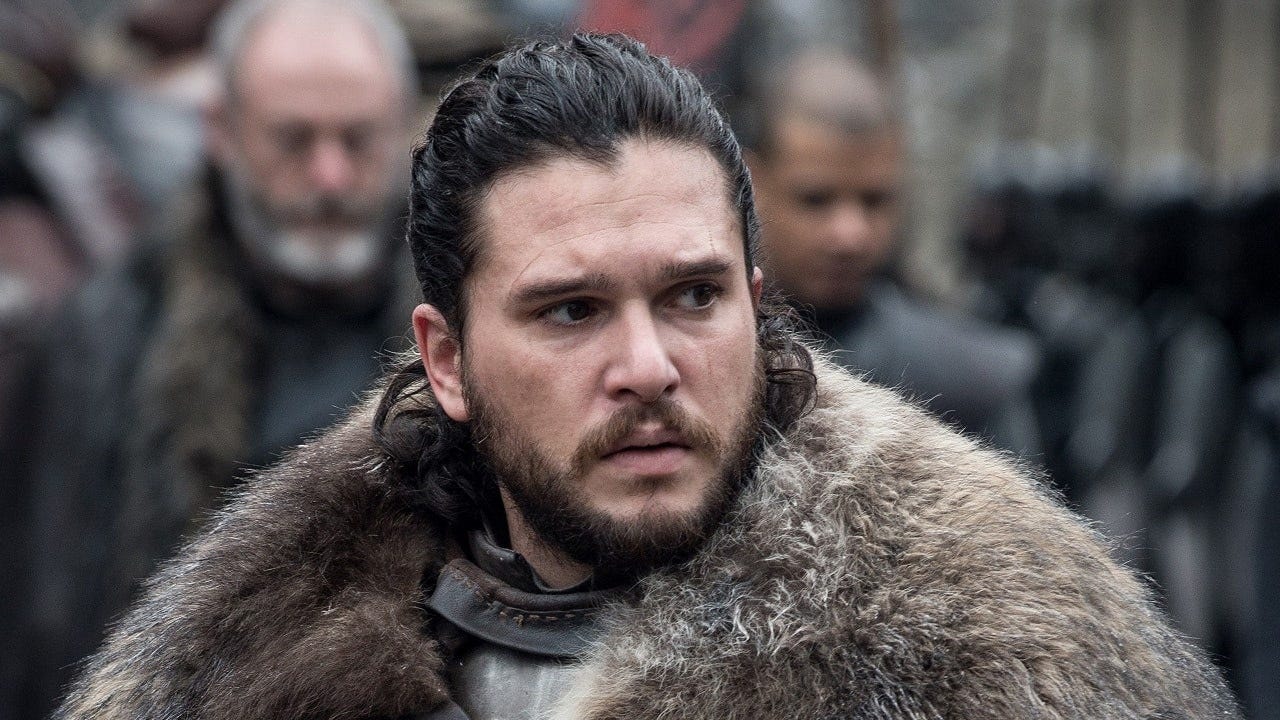
- Jon Snow (Kit Harrington)
Game of Thrones is a cultural icon across the world that represents the medieval ages and the history of the European world. The show is about various ancient houses of nobility trying to fight for the Iron Throne. The Iron Throne is a symbol of power, royalty, and the highest order. The star of the show is unclear until about season 5. Jon Snow, a bastard of the Warden of the North, Ned Stark, is a character who has to live in the shadows initially due to being a bastard. Throughout the series, we see Jon struggling from being an outsider to eventually becoming a leader of the Northern people. Jon Snow shows healthy masculinity through befriending people who are deemed outsiders and rescuing women in trouble when being faced with rape or murder. But he also serves justice as needed such as when he hangs the mutineers in the Night’s Watch after they stab him to death for showing mercy to the Wildings (Benioff & Weiss, 2011–2019).
A key theme in House Stark is honor and truth. Jon Snow demonstrates these key traits throughout the show which ultimately leads him to becoming the King in the North in Season 6. Northern people in the show naturally follow his leadership prior to becoming king due to his lack of willingness to have power over others but because of his moral compass to do what’s best for others. This is a stark contrast to King Joffrey Baratheon (Jack Gleeson) who wishes to punish all who are not Lannisters and/or Baratheons. Healthy masculinity is about healing and protecting, whereas toxic masculinity is about dominance and power.
- Tarzan (Tony Goldwyn)
Tarzan (1999) is one of Disney’s most obvious stories and best stories about manhood and masculinity. Tarzan is raised by apes after his parents are killed by a leopard as an infant. From the beginning, Tarzan is treated as an outsider by the apes due to his humanness. It’s only when Tarzan meets Jane after rescuing her does he discover he’s not an animal at all. Tarzan’s primal energy and behaviors are seen as instinctually chivalrous as animals teach us empathy, a trait that makes people more self-aware. The need to protect and survive is another quality that makes Tarzan a good candidate for a healthy masculine candidate.
Clayton (Brian Blessed), the antagonist of the story, is the exact opposite of Tarzan. Clayton represents the greed, primal rage, aggression, and callousness that comes with societal expectations of masculinity. This can be seen in the very first scene Clayton is in, when he is shooting down the jungle without a thought to what or who might be in the jungle (Buck & Lima, 1999). In the final battle, Tarzan and Clayton fight after Clayton attempted to kidnap and murder Tarzan’s gorilla family. Clayton goads Tarzan into ‘being a man’ by shooting him, but Tarzan doesn’t give in and reflects that he isn’t a man like Clayton who has to control and demean others to get what he wants. Clayton’s primal rage ultimately leads to him killing himself as aggressive behavior often leads to destruction of the self and/or others. Tarzan is a man because of his ability to protect, provide, empathize, and survive.
3. Peeta Mellark (Josh Hutcherson)
Peeta Mellark is one of the love interests of Katniss Everdeen in The Hunger Games series. Peeta starts off as someone Katniss knows in her district, but he has never spoken a word to her. Peeta gave her bread by throwing it at her at the cost of being beaten by his mother for it. When Peeta is chosen for the games, he knows he has slim chances of surviving but wants Katniss to survive so she can be with her sister again. Peeta starts becoming bolder throughout the games as evidenced by expressing that he was in love with Katniss on live television (Ross, 2012). Healthy masculinity expresses love boldly and proudly. Katniss starts to return the feelings throughout the series, particularly in Catching Fire, after Peeta gets electrocuted during the second games (Lawrence, 2013).
Gale Hawthorne (Liam Hemsworth), Katniss’s initial love interest, is not necessarily the total opposite of Peeta. Gale is defined through the course of the films as jealous but also lacking empathy in some regards. In the final film, Gale shows that he is willing to win a war against the capital at the expense of the lives of citizens of the Capital. Katniss finds this form of greed her dealbreaker as the main reason she wanted to end the games is to end the deliberate killing of children in the games. Toxic masculinity is sometimes seen as a motive to win ‘at all costs’. This ultimately leads Katniss to choose Peeta as Peeta demonstrates kindness and allowed her space to let her guard down from the games. Healthy masculinity provides emotional and physical safety.

The reason I decided to write this article it because right now people’s feelings about masculinity and femininity are seen from a small, subjective lens rather than what it really is. The truth is all people have some masculinity and femininity in them as this is the balance to human emotions. Too much masculinity can lead to aggression and rage; too much femininity can lead to softness and being seen as a push over. It’s not about gender or biology, it’s about energy. I urge those reading this article to think about how to balance the two energies as you are the expert on yourself.
Citations:
Benioff, D., & Weiss, D. B. (2011–2019). Game of thrones. Home Box Office; Television 360; Grok! Television; Generator Entertainment; Bighead Littlehead
Buck, C., & Lima, K. (1999). Tarzan. Walt Disney Pictures; Buena Vista Pictures.
Lawrence, F. (2013). The Hunger Games: Catching Fire. Lionsgate.
Lawrence, F. (2015). The Hunger Games: Mockingjay — Part 2. Lionsgate.
Ross, G. (2012). The Hunger Games. Lionsgate.
메타데이터
- post_id
- 1f2ef605627f
- slug
- healthy-masculinity-v-toxic-masculinity-in-movies-1f2ef605627f
- url
- https://medium.com/@anjalireddy-40541/healthy-masculinity-v-toxic-masculinity-in-movies-1f2ef605627f
- canonical_url
- https://medium.com/@anjalireddy-40541/healthy-masculinity-v-toxic-masculinity-in-movies-1f2ef605627f
- author_url
- https://medium.com/@anjalireddy-40541
- status
- ok
- fetched_at
- 2026-07-14 18:12:17