User Intent: The Real Reason Some Content Ranks and Some Disappears
Search has changed. It is no longer about who uses the most keywords. It is about who understands the searcher best. Modern algorithms…
User Intent: The Real Reason Some Content Ranks and Some Disappears
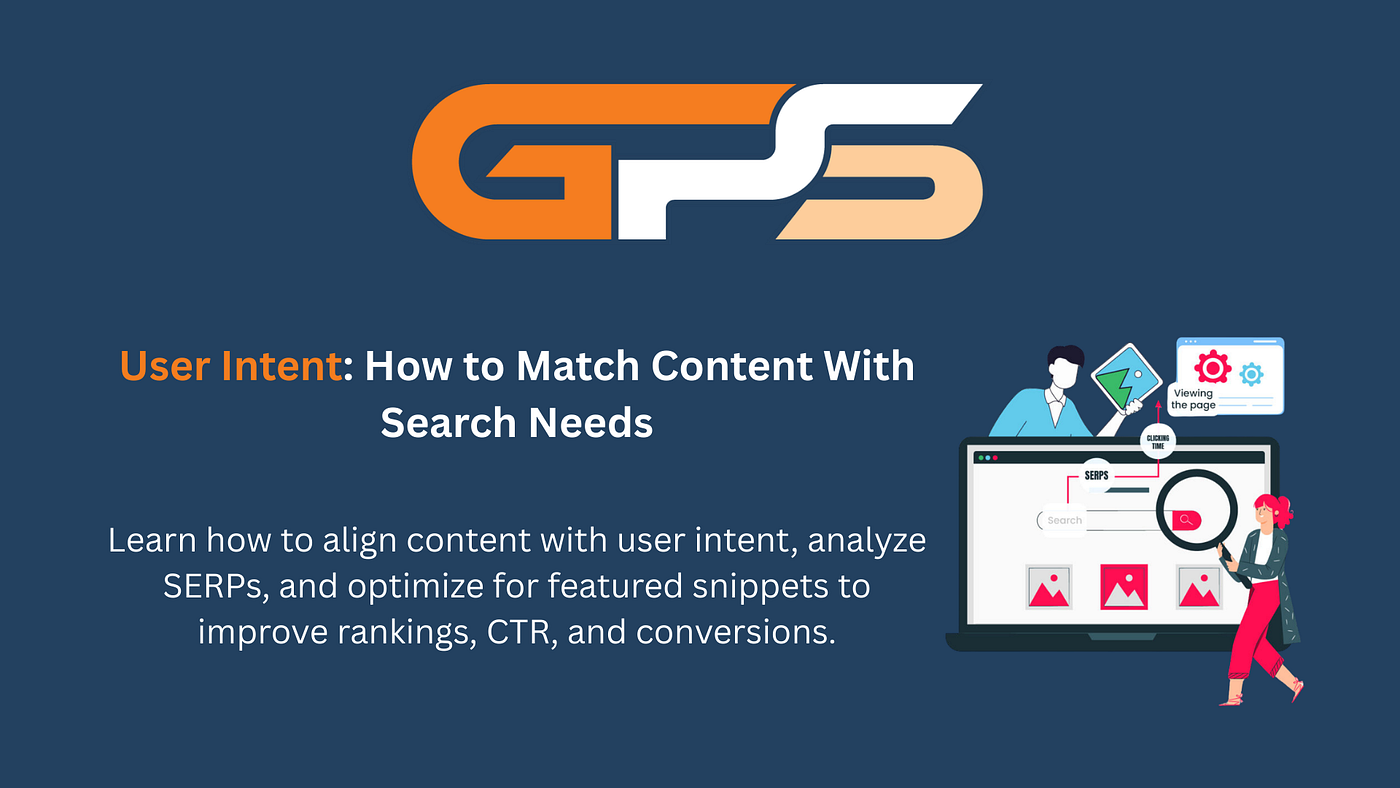
Search has changed. It is no longer about who uses the most keywords. It is about who understands the searcher best. Modern algorithms evaluate whether a page actually helps someone accomplish what they came to do. If your content fails that test, no amount of keyword optimization will save it.
That is where **user intent** comes in.
What User Intent Really Means
User intent is the purpose behind a search. Every query is a question, a goal, or a task waiting to be completed. Someone might want to learn something, compare options, find a specific website, or make a purchase. Search engines try to detect that goal and deliver results that match it.
This is why two similar keywords can produce completely different results pages. The system is not matching words. It is matching needs.
Why Intent Matters More Than Keywords
There was a time when ranking meant repeating the right phrase enough times. That approach no longer works. Today, relevance is measured through satisfaction signals. Search engines watch how people interact with your page.
If visitors leave immediately, it suggests your content did not solve their problem. If they stay, scroll, and engage, that signals success. High click rates, longer reading time, and conversions all indicate that your page matched the searcher’s expectations.
Intent alignment is now a core ranking factor because it reflects real usefulness, not technical tricks.
The Four Types of Search Intent
Understanding intent becomes easier when you break it into categories.
Informational intent happens when someone wants knowledge or guidance. These searches usually include words like what, how, or why. Guides, tutorials, and explainers perform best here.
Navigational intent appears when someone already knows where they want to go. They might search for a brand, platform, or login page. Clear site structure and strong internal linking help satisfy these searches.
Commercial intent sits in the middle. The user is researching before making a decision. They compare products, read reviews, and evaluate options. Comparison articles and case studies work well for this stage.
Transactional intent is the action stage. The searcher is ready to buy, sign up, or book. Pages should be direct, clear, and conversion focused.
Each intent type requires a different content format. Mismatching format with intent is one of the most common SEO mistakes.
How to Identify Intent Before Creating Content
Instead of guessing, analyze the search results page for your keyword. The layout itself reveals intent.
If you see step by step guides and answer boxes, the intent is informational. If product pages dominate, it is transactional. Lists and comparisons suggest commercial investigation. Branded links signal navigational intent.
Language clues also help. Words like “best,” “buy,” “compare,” or “tutorial” often indicate the searcher’s stage in their journey.
Studying top ranking pages shows what search engines already believe users want. That insight should guide your content structure, depth, and format.
Matching Content to Intent
Once you understand intent, your job is to create a page that fulfills it better than existing results.
Informational pages should be clear, structured, and educational. Commercial content should include comparisons, pros and cons, and evidence. Transactional pages should highlight calls to action, pricing, and trust signals. Navigational pages should make it easy to reach the destination quickly.
Think of intent as a contract. The searcher arrives with an expectation. Your content must deliver on it.
Measuring Whether You Got It Right
Intent alignment is measurable. Behavioral metrics reveal whether your page satisfied visitors.
Low bounce rates suggest users found what they expected. Longer reading time shows depth and usefulness. Strong click rates indicate your title and description accurately reflect your content. Conversions confirm that your page matches action driven searches.
Testing different headlines, introductions, or layouts can improve these signals. Small adjustments often lead to noticeable gains.
The Role of Structure and Context
Search engines rely on context to interpret meaning. Clear headings, logical flow, and structured data help them understand what your page is about. Organized content also helps readers scan and absorb information quickly.
Grouping related topics into clusters strengthens topical authority. When multiple pages support one theme, search engines gain confidence that your site truly understands the subject.
The Future Belongs to Intent Focused Content
Search technology continues to evolve toward understanding language and goals rather than just words. As systems become better at interpreting meaning, content that genuinely helps people will consistently outperform content built only for algorithms.
The most reliable SEO strategy today is simple. Know what the searcher wants. Create content that fulfills it completely. Measure how well it works. Improve it continuously.
When your page satisfies intent, rankings follow naturally.
메타데이터
- post_id
- 1f37b02cdcd2
- slug
- user-intent-the-real-reason-some-content-ranks-and-some-disappears-1f37b02cdcd2
- url
- https://medium.com/@wadewilliams4565/user-intent-the-real-reason-some-content-ranks-and-some-disappears-1f37b02cdcd2
- canonical_url
- https://medium.com/@wadewilliams4565/user-intent-the-real-reason-some-content-ranks-and-some-disappears-1f37b02cdcd2
- author_url
- https://medium.com/@wadewilliams4565
- status
- ok
- fetched_at
- 2026-06-24 23:31:39