Beyond Connectivity: Digital Literacy Must Anchor India’s Next Phase of Digital Policy
India’s digital transformation has been built on strong infrastructure foundations. With hundreds of millions of internet users and digital…
Beyond Connectivity: Digital Literacy Must Anchor India’s Next Phase of Digital Policy
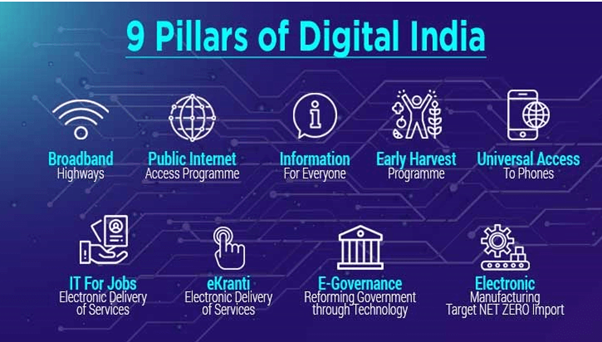
India’s digital transformation has been built on strong infrastructure foundations. With hundreds of millions of internet users and digital public platforms such as the Unified Payments Interface (UPI) now processing billions of transactions each month, the country has established one of the world’s most advanced digital ecosystems.
However, access alone has not ensured meaningful participation. A large segment of users — particularly in rural and underserved communities — continues to rely on assisted access. For first-generation users, the challenge is not connectivity, but confidence. Navigating digital platforms, conducting online transactions, or accessing government services independently remains uneven.
This gap between access and capability is now the defining challenge of India’s digital journey.
Last-Mile Delivery Models Are Redefining Inclusion
Programs implemented by the NIIT Foundation offer important insights into how digital literacy can be operationalised at scale. Their approach recognises that proximity, context, and trust are critical to adoption.
The Digital Bus initiative is a strong example of last-mile digital literacy in India. By converting buses into mobile digital classrooms, the program delivers digital skills training directly to underserved communities, addressing barriers such as distance, cost, and time. For many participants, this is their first sustained exposure to digital tools and structured learning environments. Training goes beyond technical instruction — it focuses on building confidence, reducing hesitation, and enabling independent usage.
Learners are gradually introduced to digital tools, including AI-enabled systems, through guided, non-intimidating methods. Over time, this builds the confidence required to transition from assisted access to independent digital participation.
These last-mile delivery models highlight a critical policy insight: digital inclusion cannot rely solely on infrastructure. It must incorporate mobile, community-based, and context-sensitive digital literacy interventions that meet users where they are.
Digital Trust, Cybersecurity Awareness, and Financial Literacy Will Define Adoption

As digital adoption deepens, the nature of risks is evolving. First-time users engaging with digital financial systems face concerns around fraud, data privacy, and misuse; making cybersecurity awareness a critical pillar of digital literacy in India.
Emerging initiatives in this space aim to train millions of individuals in India over the coming years, with a focus on AI-driven cybersecurity skills for underserved populations, women, and rural communities. Such efforts recognise that digital inclusion without safety can undermine trust and limit long-term adoption.
At the same time, digital literacy must be closely linked with financial capability. As digital financial services expand rapidly, users must be equipped to navigate systems such as e-wallets, online banking, and digital transactions with confidence.
Programs that combine digital literacy with financial capability and cybersecurity awareness address this gap holistically. They enable users not only to access systems, but to trust them, understand them, and use them responsibly.
Digital Literacy as Core Public Infrastructure
India’s digital public infrastructure has reached a stage where scale is no longer the primary constraint. The focus must now shift to depth. Digital literacy must be recognised as a core layer of this infrastructure, alongside connectivity, platforms, and services.
Global evidence, including insights from the World Bank, suggests that digital adoption improves significantly when users are supported through training, handholding, and contextual learning. This is particularly important for first-generation users who may lack prior exposure to technology.
Models such as those implemented by the NIIT Foundation demonstrate how this can be achieved. By combining mobility, practical training, and user-centric delivery, they create pathways for sustained digital engagement.
As India moves toward a more digitised economy, the risks of leaving sections of the population behind are increasing. Digital literacy is no longer a peripheral intervention. It is a foundational requirement for ensuring that the benefits of digital transformation are inclusive and equitable.
The success of India’s digital ecosystem will ultimately depend not just on how many people are connected, but on how effectively they are able to participate, transact, and thrive in a digital economy.
References
- Unified Payments Interface https://www.npci.org.in/what-we-do/upi/product-overview
- NIIT Foundation https://niitfoundation.org
- NIIT Foundation, “Technology as an Equaliser: How Digital Bus Is Transforming Access to Careers” https://niitfoundation.org/technology-as-an-equaliser-how-digital-bus-is-transforming-access-to-careers
- World Bank (Digital Inclusion & Adoption Insights) https://www.worldbank.org/en/topic/digitaldevelopment
메타데이터
- post_id
- 1f97ee04a495
- slug
- beyond-connectivity-digital-literacy-must-anchor-indias-next-phase-of-digital-policy-1f97ee04a495
- url
- https://medium.com/@policywritings/beyond-connectivity-digital-literacy-must-anchor-indias-next-phase-of-digital-policy-1f97ee04a495
- canonical_url
- https://medium.com/@policywritings/beyond-connectivity-digital-literacy-must-anchor-indias-next-phase-of-digital-policy-1f97ee04a495
- author_url
- https://medium.com/@policywritings
- status
- ok
- fetched_at
- 2026-06-27 10:07:59