The GUT-FUEL Loop and How it Influences Your Mood and Brain Chemistry
The Gut-Brain Health — Connection
The GUT-FUEL Loop and How it Influences Your Mood and Brain Chemistry
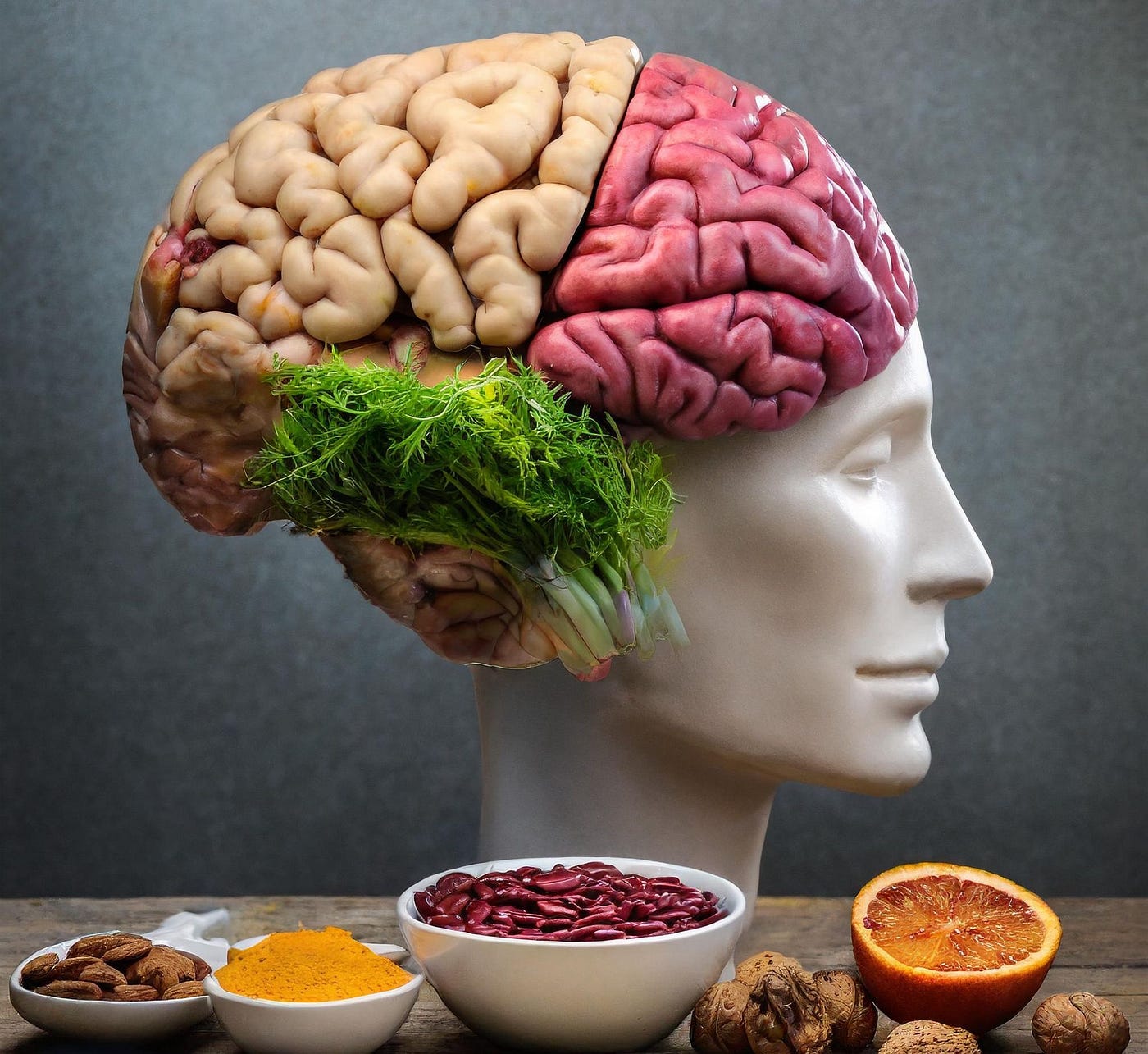
The Gut-Brain Health — Connection
Our gut is often referred to as the “second brain,” and with good reason. The foods we consume fuel not only our bodies but also directly impact our mood, energy, and mental clarity. The gut-brain connection, often described as the GUT-FUEL Loop, explains how the health of our digestive system can shape our brain chemistry and overall mental state. In this piece, I’ll dive into how your diet can either nurture or derail this critical loop, particularly for anyone aiming to manage their mood and mental clarity through conscious food choices.
I am writing this today, from a place of struggle — after having a bag of popcorn last night… Yesterday I joined a friends’ baby shower, and I allowed myself a “cheat” day (more carbs, including processed carbs). But that cheat day is a harmful day for my gut, hence why I prefer to eat a healthy meal even when I go out with friends (as social interaction revolves around food nowadays).
I trained myself to have extensive discipline and self-control over the past 6 years, so I know my body pretty well when it comes to foods, what I tolerate and what I don’t.
I listen to my body most times and I observe how I react and how I behave (hangry) after certain nutritional consumption. Having the popcorn late in the evening affected not only my energy levels, but also my mood: this morning I felt apathetic, depressed, irritable and the list goes on. This never happens if I have my last meal around 6 pm the latest and it’s a hearty nutritious meal.
Have you ever heard that our gut is our “second brain”? What’s even more interesting (I heard this in a podcast a few days ago — in Lewis Howes’s podcast: The School of Greatness), we are only 50% human. The rest of us is made up of bacteria, microorganisms, etc. Also, we train our taste buds to like and consume only certain foods, because we only feed those bacteria rather than eating a variety of nutrients to feed our entire gut biome.
Cravings VS feeling satiated

Food cravings — https://www.wfitness.co.uk/uncontrollable-food-cravings/
Cravings are a strong desire to eat. Based on a study regarding **Gender-related Differences in Food Craving and Obesity **published in the Yale Journal of Biology and Medicine, there is a prevalence in women to have more cravings in terms of frequency, severity, and regulation of food craving.
A critical part of the GUT-FUEL Loop is understanding the difference between cravings and true satiety. Processed foods, especially those high in sugar and refined carbs, feed specific gut bacteria, leading to cravings that support their growth. Over time, our taste preferences adapt, reinforcing a cycle where we reach for foods that satisfy these cravings but lack nutritional value.
A nutrient-rich diet, on the other hand, provides sustained satiety and reduces cravings. For example, eating foods high in protein, healthy fats, and complex carbs can stabilize blood sugar and provide longer-lasting energy, which translates to fewer cravings and a clearer mental state.
Tips for achieving satiety:
- High-Fibre Foods: Fibre slows digestion and promotes fullness, helping you stay satisfied between meals.
- Healthy Fats: Nuts, seeds, and avocados contain fats that help the brain feel satiated and calm.
- Complex Carbs: Unlike refined carbs, complex carbs like sweet potatoes and oats release glucose slowly, stabilizing blood sugar and preventing mood swings.
What you eat is how you think
Brain chemistry
So many of us are not aware of the big impact that this has on our entire being.
“You are what you eat” — does this sound familiar? I would take it further and say: “you are what you consume” and not only food, but information. Our thoughts are influencing our hormones — the body feels under constant pressure and threat when we think bad thoughts and we are highly likely to function from a place of survival (fight or flight — sympathetic nervous system).
The food that we eat alters or enhances our brain chemistry, depending on the intake. Various vitamins and minerals support psychological wellbeing and mental activities such as learning, remembering, reasoning, making decisions, and solving problems.
When I have a high intake of processed carbs my train of thought slows down, I lack energy and stamina, I don’t feel as focused and productive as when I have healthy foods.
To recover after yesterday’s “cheat day”, I had my vitamins and minerals in the morning, which I take religiously (getting checked every 6 months — blood work), and I had a handful of grapes to spike my glucose (as I woke up with low blood sugar). Consuming nuts and seeds (walnuts, pumpkin seeds, almonds) will provide me with the healthy fats that my brain and body needs. I also had a super blend of plant protein to keep me satiated throughout the day. As I write this, I can already feel an increase in my energy levels, and I don’t feel as moody.
However, I will be very mindful of the information intake today, and I will cut down on screentime, to be able to fully recover. I will also read and listen to podcasts that replenish me.
Nootropics and Superfoods
I have been consuming nootropics (often called “brain boosters”) and superfoods for the past 3 years and they completely changed my life. If you’re new to these, do a little bit of research yourself before you take my word for it. Nootropics include nutrients like ginseng, ashwagandha, and lion’s mane, which can enhance focus, reduce stress, and improve mood. Superfoods like spirulina, maca, and cacao are packed with antioxidants and micronutrients that protect brain cells and improve neurotransmitter function.
Regular use of nootropics can:
- Enhance Mental Clarity and Focus: Many nootropics support neurotransmitter function, which sharpens focus and mental clarity.
- Reduce Stress and Anxiety: Adaptogens like ashwagandha help modulate the body’s stress response, promoting calm.
- Boost Energy: Some superfoods are rich in B-vitamins and other energizing nutrients that combat fatigue.
While nootropics and superfoods aren’t magic pills, they can complement a balanced diet and lifestyle that supports brain health and emotional resilience. They helped me boost my focus and stamina, eliminating stress and obsessive thoughts.
Next time when you go out, pay attention to the food you eat and what you are inclined to choose.
Do you feel like taking a nap after you ate? — Heavy, carb-loaded meals often lead to an energy crash, while balanced, nutrient-dense meals leave you feeling satisfied and alert.
Do you feel drained or energised? Notice any mood swings or shifts in your clarity. Are you feeling relaxed and focused, or is there brain fog and irritability? Processed foods can quickly lead to mental sluggishness, while whole foods keep the mind sharp.
How does your body feel after eating? Full, bloated, light, or satiated? Your body communicates these cues based on how well the food you eat aligns with your needs.
Paying close attention to these factors can reveal valuable insights about what supports your gut health — and, in turn, your mood and mental clarity — so that you can make choices that help you feel your best.
So next time you’re tempted by that “short-lived pleasure meal,” remember: a moment on the lips, a day of brain fog and naps. Go for the nutritious meal — you’ll thank yourself when you’re energized, sharp, and not mysteriously moody by 3 p.m.!
메타데이터
- post_id
- 1fdf7e233249
- slug
- the-gut-fuel-loop-and-how-does-it-influence-your-mood-and-brain-chemistry-1fdf7e233249
- url
- https://medium.com/@silvya_vlad/the-gut-fuel-loop-and-how-does-it-influence-your-mood-and-brain-chemistry-1fdf7e233249
- canonical_url
- https://medium.com/@silvya_vlad/the-gut-fuel-loop-and-how-does-it-influence-your-mood-and-brain-chemistry-1fdf7e233249
- author_url
- https://medium.com/@silvya_vlad
- status
- ok
- fetched_at
- 2026-07-27 00:37:34