What If Church Was Never a Building?
The God We Keep Looking Past
What If Church Was Never a Building?
The God We Keep Looking Past
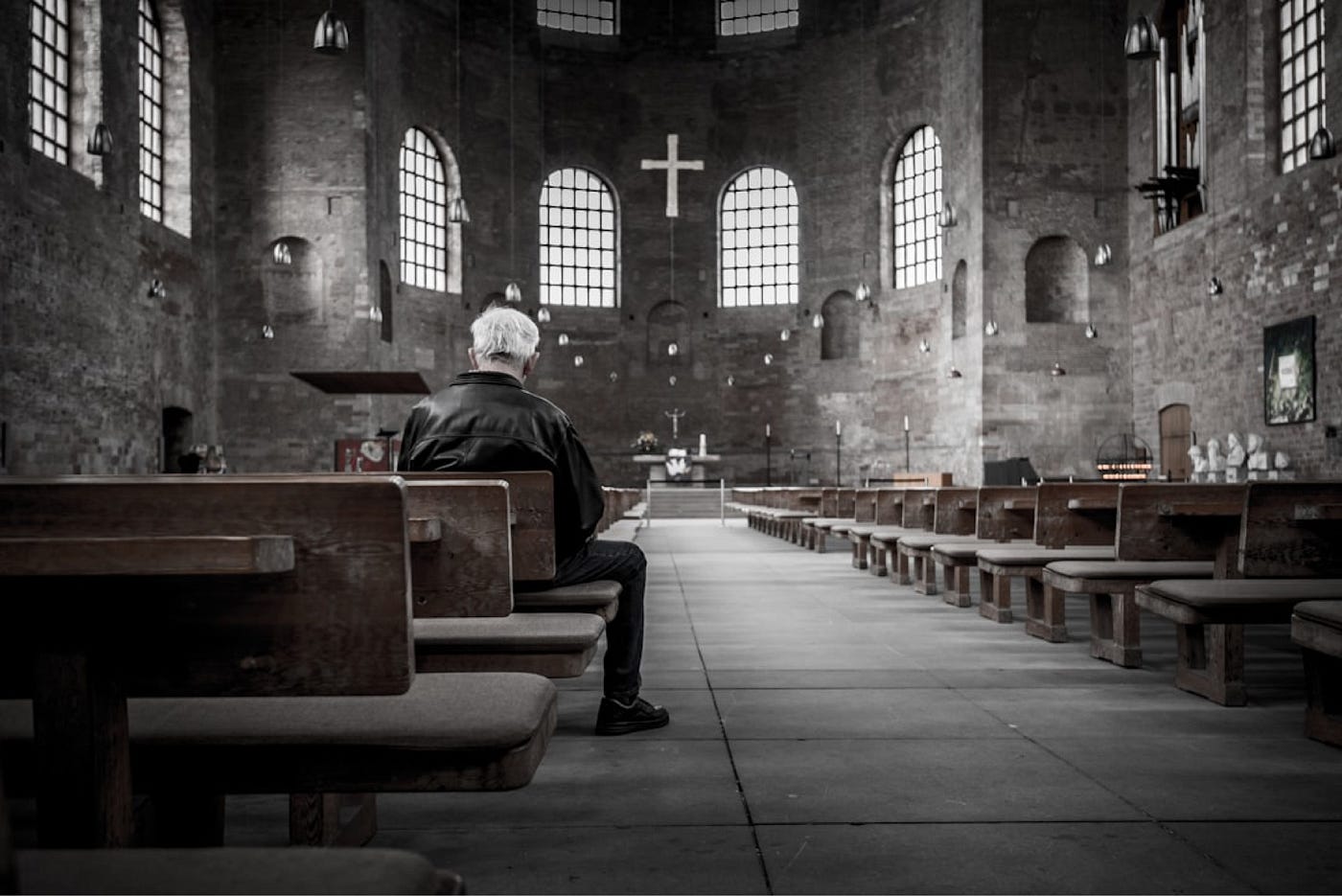
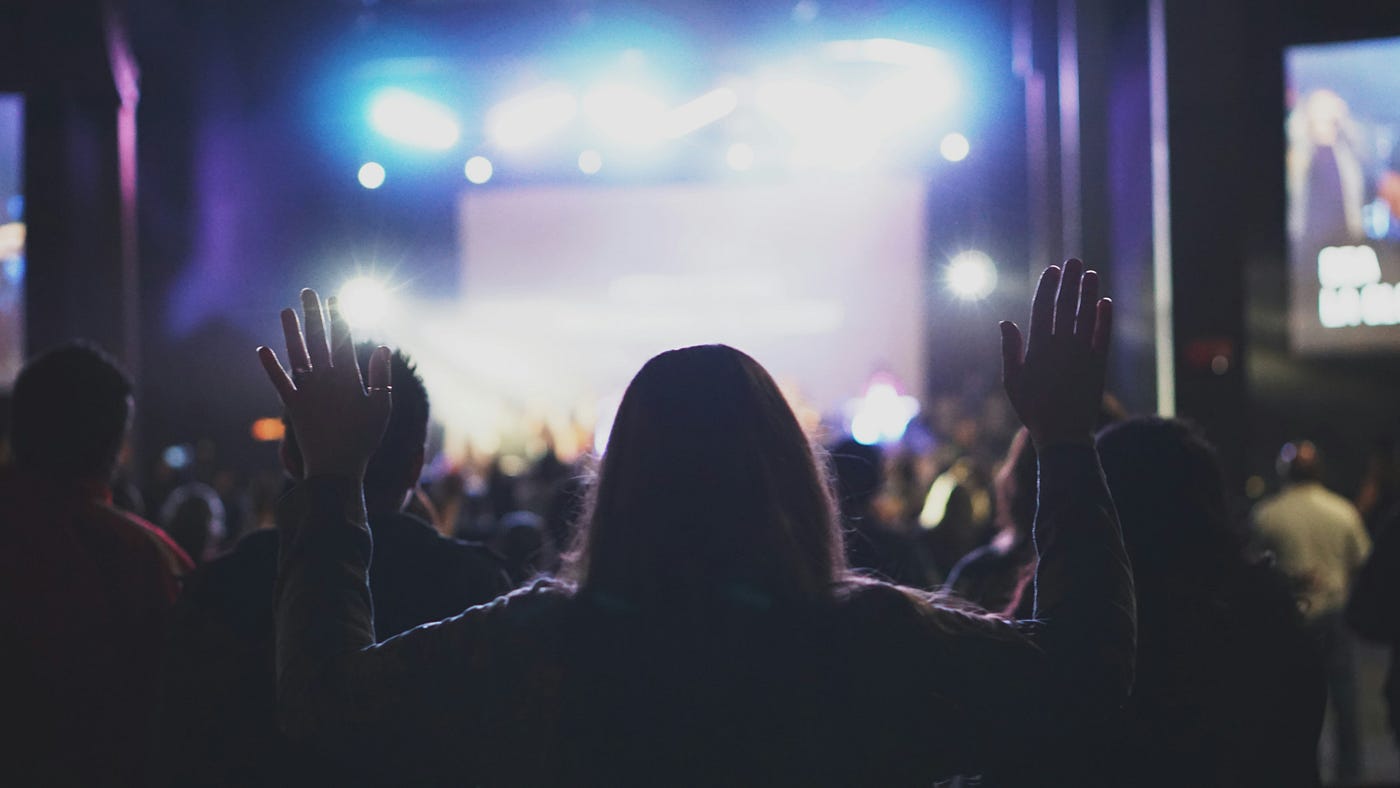
Photo by Stefan Kunze on Unsplash
There is something I’ve been wondering.
If we say we are made in the image of God, why is it so difficult to recognize one another?
Not recognize our faces. Recognize our presence.
Our ache. Our dignity.
Our particular way of becoming.
We have become remarkably skilled at seeing categories before we see people. Political identities. Diagnoses. Careers. Followers. Religions. Archetypes. We sort one another before we meet one another.
And then we wonder why the world feels so lonely.
Maybe reverence was never supposed to begin in temples.
Maybe it begins when someone says your name as though you cannot be replaced.
Maybe the first act of worship is attention.
The older I get, the less interested I am in proving God exists.
I am far more interested in asking another question:
What kind of world appears when we begin treating each encounter as though something sacred might be happening?
Not because we know it is. Because we cannot afford to assume it isn’t.
I think we’ve mistaken certainty for faith.
Faith, to me, is remaining open enough to be changed by reality.
That can happen in a forest. Around a dinner table. Holding the hand of a parent after surgery.
Watching children invent worlds from sticks and mud. Dancing with someone who trusts you enough to follow your lead.
Looking into the eyes of a stranger long enough to remember they contain an interior universe you’ll never completely know.
That is church too. Maybe especially that.
If there is an image of God, I doubt it is frozen in stone.
I think it moves. It laughs. It grieves. It forgives. It builds. It learns.
It keeps becoming through relationship.
We spend so much time asking where God is that we rarely ask a quieter question:
How am I participating in what is becoming visible here, in my lived experience?
Every relationship reveals something. Every conflict names a pattern. Every act of attention alters the field between us.
Perhaps meaning is not hidden.
Perhaps it is constantly emerging between us, waiting for someone willing to notice.
That is why I keep returning to what I call symbolic literacy.
Because symbols are relational.
They reveal the invisible structures shaping our lives before we know how to speak them.
The body knows. The nervous system knows. The land knows. The stories we inherit know.
The question is whether we are willing to become students again.
Maybe church was never a building.
Maybe it has always been wherever people gather with enough honesty that something larger than themselves becomes possible.
My life has become one of those places.
So has a dance studio.
So has a conversation with a friend.
So has the silence that follows a really good question.
Perhaps the sacred has never been asking us to escape the world.
Perhaps it has been asking us to become present enough to finally meet it.
And maybe that’s where God has been all along.
Not waiting to be believed.
Waiting to be recognized.
If this essay resonated with you, you’re invited to continue the conversation.
I write regularly on philosophy, psychology, symbolic literacy, embodiment, and what I call God as Verb — the idea that the sacred is not simply something we believe in, but something we participate in through the quality of our attention, our relationships, and our lives.
If these are the kinds of questions that keep you awake at night, I’d love to have you join me.
Subscribe to The Physics of Meaning on Substack.
메타데이터
- post_id
- 2011fde5b381
- slug
- what-if-church-was-never-a-building-2011fde5b381
- url
- https://medium.com/backyard-theology/what-if-church-was-never-a-building-2011fde5b381
- canonical_url
- https://medium.com/backyard-theology/what-if-church-was-never-a-building-2011fde5b381
- author_url
- https://medium.com/@Themindfulnessmuse
- status
- ok
- fetched_at
- 2026-07-14 04:43:44