What Is AI Replacement Dysfunction (AIRD)?
AIRD reveals the psychological cost of automation anxiety and organizational missteps
What Is AI Replacement Dysfunction (AIRD)?
AIRD reveals the psychological cost of automation anxiety and organizational missteps

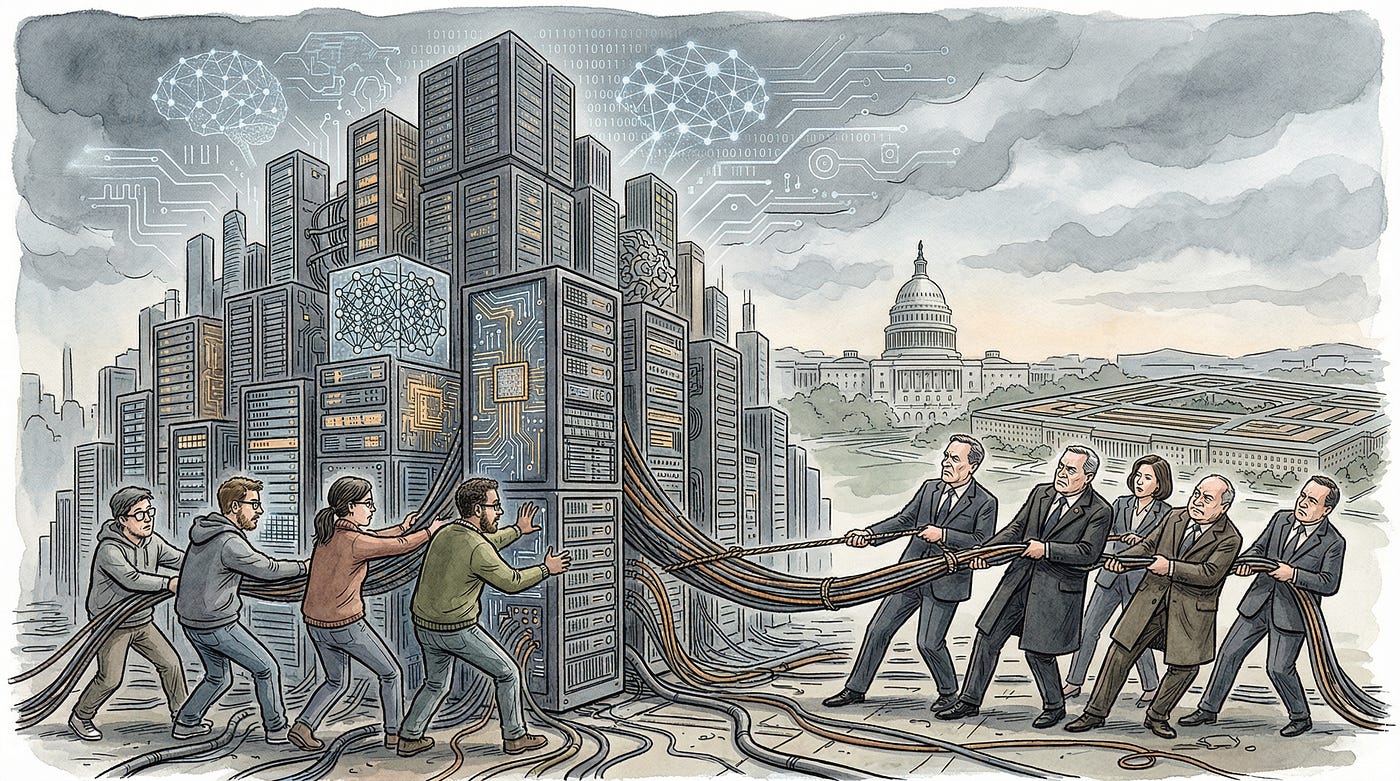
Imagined by Coby Mendoza Through Generative AI | Telum
Key Points
- **AI Replacement Dysfunction (AIRD)** has emerged in early 2026 as a critical socio-technical framework to describe the psychological and existential distress caused by fears of AI-driven job displacement.
- Recent data indicates that 71% of Americans fear permanent job loss due to AI, a sentiment fueled by the “invisible disaster” of rapid automation and the hollowing out of traditional career ladders.
- AIRD is characterized not just by standard anxiety, but by a profound loss of identity and worthlessness as employees perceive their human-centric skills (writing, decision-making, creativity) becoming obsolete.
- Experts from the University of Florida and other institutions are calling for a “clinical shift,” urging organizations to treat AI integration as a human-centric transition requiring hybrid teams, psychological safety, and mental health advocacy.
From Displacement Fear to Strategic Influence
AI Replacement Dysfunction (AIRD) describes the psychological distress linked to fears of job displacement due to advancements in artificial intelligence. As organizations increasingly integrate AI technologies into their workflows, a significant portion of the workforce reports anxiety regarding the possibility of being replaced by machines. For instance, a survey indicated that 71% of Americans express fear about the potential for permanent job loss triggered by AI. This concern has garnered attention from mental health professionals, who recognize that AIRD can lead to decreased employee morale and productivity, thereby impacting overall organizational performance.
The term AIRD encapsulates not just individual anxiety, but also reflects broader organizational and societal disruptions as workplaces adapt to technological changes. It highlights the breakdowns in psychological well-being that occur when employees perceive their roles as becoming obsolete or irrelevant due to AI integration. The phenomenon emphasizes the necessity for mental health awareness as AI continues to transform job landscapes, prompting a reevaluation of how organizations support their employees during this transition.
[embed]
Understanding the Symptoms of AIRD
Common symptoms of AIRD can include heightened anxiety, insomnia, paranoia, loss of identity, and feelings of worthlessness. Research supports the notion that these symptoms manifest even in individuals who do not have pre-existing psychiatric conditions, indicating that the fear of job loss can lead to significant emotional distress. Employees grappling with AIRD may experience chronic stress, which can result in burnout and disengagement from their work, further exacerbating their mental health challenges.
For example, an employee who has dedicated years to a specific role may begin to feel a sense of identity loss as they perceive their skills becoming obsolete in an AI-driven environment. This can lead to withdrawal from social interactions and reduced collaboration with peers, compounding feelings of isolation and anxiety. Such impacts on mental health not only hinder individual performance but can also disrupt team dynamics and organizational culture, highlighting the urgent need for awareness and intervention strategies.
The Socio-Technical Nature of AIRD
AIRD is considered a socio-technical concept rather than a clinical term because it reflects the interplay between technology and human psychology in the workplace. The dysfunction emerges when organizations hastily implement AI solutions without adequately adapting their existing processes and workflows. This lack of alignment can create an environment rife with anxiety and insecurity among employees, who may feel threatened by the rapid evolution of their job roles.
Moreover, AIRD underscores the significance of addressing the human factors involved in technological integration. It signifies a shift in understanding workplace dynamics, emphasizing that the successful adoption of AI must include maintaining human oversight to mitigate potential errors and misalignments. By recognizing AIRD as a socio-technical issue, organizations can better strategize their approaches to AI implementation, ensuring that employee concerns are addressed alongside technological advancements.
The Impact of Rapid AI Adoption
The swift adoption of AI technologies often leads to skill gaps, confusion over responsibilities, and disruptions in established workflows. Companies frequently deploy AI solutions faster than they can adapt their operational structures, which can create friction and anxiety among employees. For instance, when an organization introduces an AI system designed to automate tasks, employees may find themselves uncertain about their roles and responsibilities, leading to increased stress and job insecurity.
Additionally, an over-reliance on AI can contribute to skill atrophy in critical areas such as writing, decision-making, and creativity. As employees depend more on AI tools, they may find their abilities in these areas diminishing, which can exacerbate feelings of inadequacy and contribute to AIRD. Organizations that do not adequately manage the transition to AI may face higher turnover rates as employees seek more stable job environments where their skills are valued and utilized effectively.
Addressing AIRD in the Workplace
Organizations can take proactive steps to mitigate the challenges posed by AIRD by redesigning processes to align with AI capabilities while ensuring sufficient human oversight. One effective strategy is to create hybrid human-AI teams that blend technological efficiency with human skills, fostering collaboration and enhancing productivity. This approach not only alleviates fears of obsolescence but also emphasizes the value of human contributions in a technology-driven environment.
Furthermore, regular training and upskilling initiatives can help employees bridge digital skill gaps and diminish the psychological impact of job displacement fears. By implementing feedback mechanisms that allow employees to voice their concerns about AI integration, organizations can cultivate a culture of transparency and trust, ultimately reducing anxiety related to AI’s role in the workplace. Promoting open dialogue regarding AI’s potential and limitations can also help employees feel more secure in their positions.
Screening and Therapeutic Strategies for AIRD
Screening for AIRD can involve contextual inquiries about changes in job roles and perceptions of AI’s impact, utilizing specific questions to identify signs of distress. Proposed therapeutic approaches include Cognitive Behavioral Therapy (CBT), motivational interviewing, and narrative therapy to help individuals enhance their coping mechanisms and resilience against job displacement fears. Clinicians are encouraged to validate patients’ concerns and advocate for awareness of AIRD within mental health discussions and workplace settings.
Community support networks can also play a vital role in aiding individuals coping with the psychological effects of AI displacement. Tailored interventions should be developed to address the unique experiences and challenges faced by different workforce segments affected by AI, thereby fostering a supportive environment for those grappling with AIRD. Collaborative efforts among mental health professionals, employers, and employees can create comprehensive support frameworks to address the mental health implications of AI integration.
The Future of Work and AIRD
As AI technologies continue to evolve, understanding and addressing AIRD will be critical for maintaining workforce mental health and well-being. The emergence of AIRD presents an opportunity for mental health professionals to shape responses and policies related to the challenges posed by AI in the workplace. Ongoing research and community support are essential for developing effective strategies to mitigate the psychological effects of AI automation on employees.
Organizations that proactively address AIRD can enhance employee retention and satisfaction, fostering a more resilient workforce. By establishing partnerships between mental health professionals and organizations, comprehensive support systems can be created to assist employees facing the challenges associated with AI-driven changes. Through these collaborative efforts, the workforce can better navigate the complexities of an increasingly automated environment, ensuring that human skills remain valued and utilized.
메타데이터
- post_id
- 20176248235e
- slug
- what-is-ai-replacement-dysfunction-aird-20176248235e
- url
- https://ai.plainenglish.io/what-is-ai-replacement-dysfunction-aird-20176248235e
- canonical_url
- https://ai.plainenglish.io/what-is-ai-replacement-dysfunction-aird-20176248235e
- author_url
- https://medium.com/@telumai
- status
- ok
- fetched_at
- 2026-06-16 19:09:56