I Didn't Expect to Learn About Peace at a Parade..
The futher I walked, the more I noticed how diverse the crowd actually was. People of different ages, backgrounds, and beliefs
When Peace Doesn’t Only Come from States
May 23, 2026
As an International Relations student, I used to study peace through theories, diplomatic negotiations, international institutions, and global conflicts. In many classrooms, peace is often discussed as something achieved through treaties, state cooperation, or the efforts of political leaders. It is easy to assume that peace is built primarily by governments and diplomats.
Yet on May 23rd 2026, I encountered a different understanding of peace. One that did not emerge from conference rooms or policy discussions, but from a simple act of walking together.
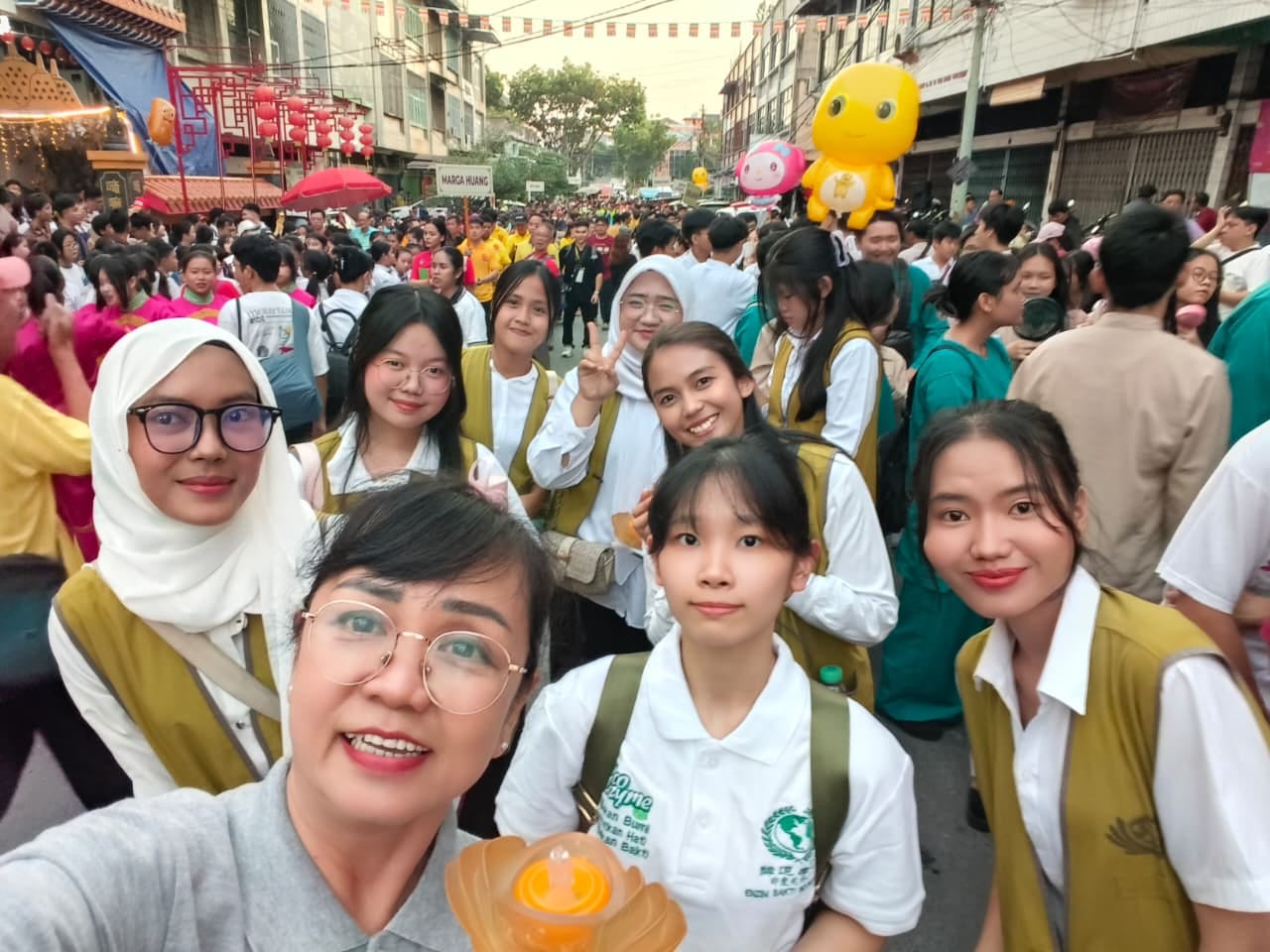
What struck me most was not the size of the crowd, but the diversity within it. Many participants were not Buddhists, yet everyone walked side by side.
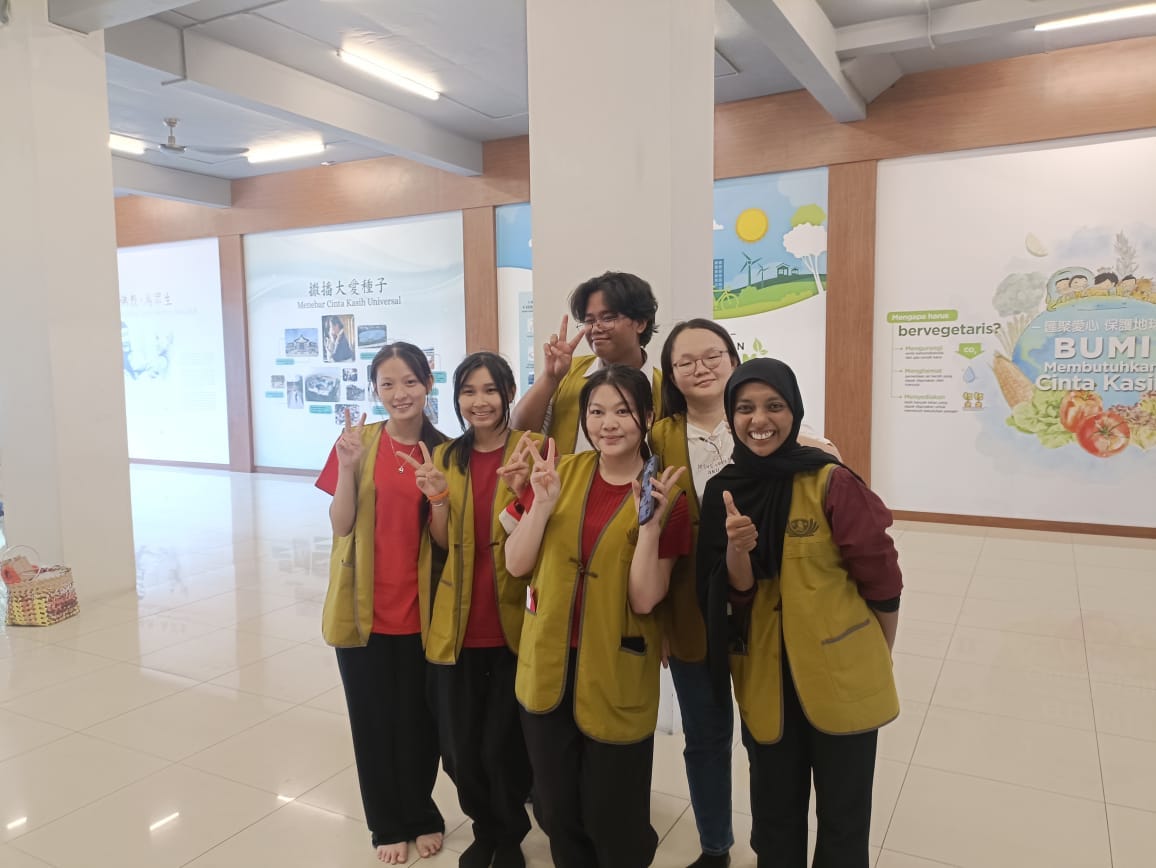
That late eafternoon, my friends and I joined the Vesak Parade as part of the Tzu Chi contingen. Initially, I expected the event to be attended mostly by Buddhists and Buddhist organizations. After all, Vesak is one of the most important celebrations in Buddhism, commemorating the birth, enlightenment, and passing of the Buddha.
However, I quickly realized that the event was far more diverse than I had imagined.
The streets were filled not only with Buddhist groups but also with people from various communities and backgrounds. There were volunteers, students, local organizations, families, and members of the wider public. Many participants were not Buddhists, and many had joined not because of religious affiliation, but because they wanted to be part of a meaningful community event.
For approximately two hours, we walked through the city from late afternoon into the evening. Along the route, I found myself paying less attention to the differences among participants and more to what brought everyone together.
No one seemed concerned about who belonged to which religion, organization, or social group.
No one needed to prove that they belonged.
People simply walked side by side.
As the parade continued, I began reflecting on a question that often appears in International Relations: where does peace actually come from?
Traditional approaches to International Relations tend to focus on states as the primary actors in maintaining peace and stability. Peace is often associated with diplomacy, international agreements, and formal institutions. While these mechanisms undoubtedly matter, the parade reminded me that peace can also be cultivated in spaces far removed from politics and government.
It can emerge through everyday interactions.
It can grow when people from different backgrounds share the same space with mutual respect.
It can be strengthened when diversity is not viewed as a barrier, but as a reality that communities learn to embrace.
In contemporary International Relations, scholars increasingly recognize the importance of people-to-people connections in shaping relationships within and across societies. These interactions may seem small compared to state-level diplomacy, yet they play a crucial role in fostering trust, understanding, and social cohesion.
The Vesak Parade did not produce a political declaration. No agreements were signed. No negotiations took place. It was not an event that would attract international headlines.
Nevertheless, it demonstrated something equally important.
Peace does not always begin with governments.
Sometimes, it begins with ordinary people choosing to share a common space despite their differences.
In a world where public discourse is often dominated by division, polarization, and conflict, witnessing thousands of people from different backgrounds walk together was a powerful reminder that coexistence remains possible.
The experience challenged my assumption that peace is something created exclusively from the top down. Instead, it highlighted the significance of peacebuilding from below, through communities, relationships, and everyday acts of participation.
I joined the parade expecting to celebrate Vesak.
I left with a deeper appreciation of how peace is lived and practiced beyond textbooks and theories.
As an International Relations student, I spend much of my time studying how states interact with one another. Yet that evening, surrounded by people from different communities walking under the same lights, I was reminded that some of the most meaningful lessons about peace do not come from states at all.
They come from people.

This crowd reminded me that peace can also be found in everyday interactions between ordinary people.
메타데이터
- post_id
- 209d0b18c1d2
- slug
- i-didnt-expect-to-learn-about-peace-at-a-parade-209d0b18c1d2
- url
- https://medium.com/@syarifahrahmah321/i-didnt-expect-to-learn-about-peace-at-a-parade-209d0b18c1d2
- canonical_url
- https://medium.com/@syarifahrahmah321/i-didnt-expect-to-learn-about-peace-at-a-parade-209d0b18c1d2
- author_url
- https://medium.com/@syarifahrahmah321
- status
- ok
- fetched_at
- 2026-07-10 08:43:10