Mini Projector vs Portable Projector: The Buying Difference Most People Miss
The real choice is not size. It is how much brightness, power, and room flexibility your setup needs.
Mini Projector vs Portable Projector: The Buying Difference Most People Miss
The real choice is not size. It is how much brightness, power, and room flexibility your setup needs.
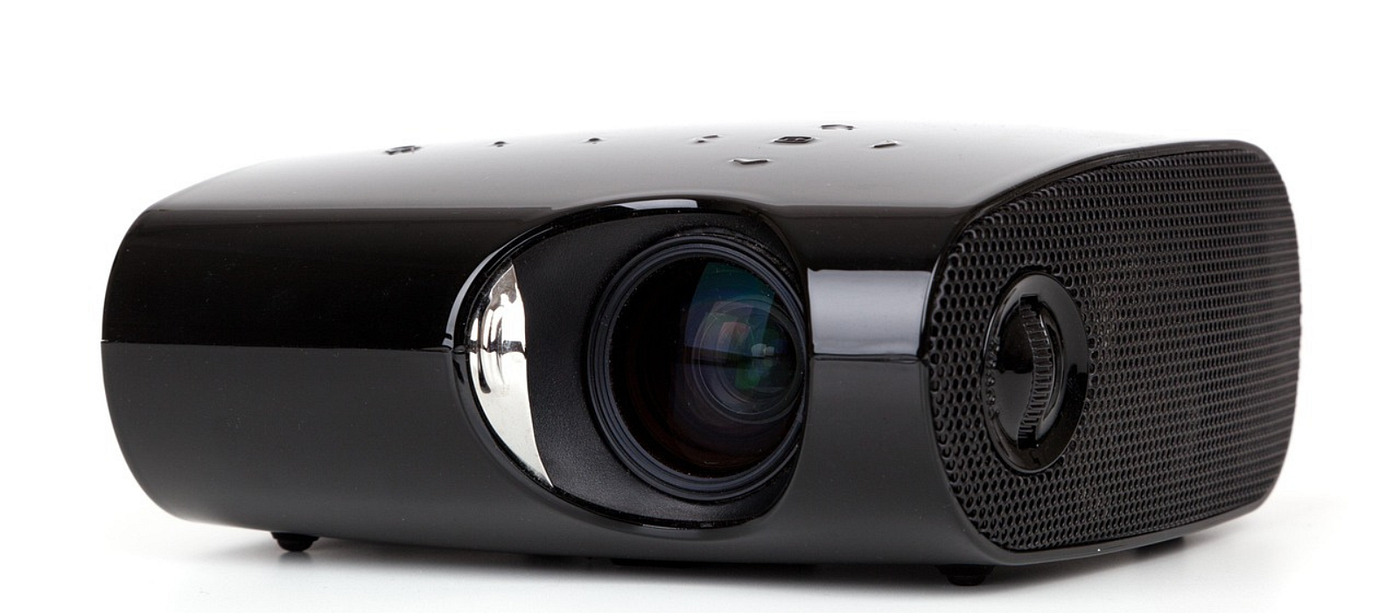
Mini projectors are built around carry-first convenience, while portable projectors are usually brighter and more room-friendly.
Most projector buying mistakes happen before anyone compares brands, specs, or reviews.
The problem starts with language. Retail listings often use “mini projector,” “portable projector,” and “mini portable projector” as if they all mean the same thing. They do not. A tiny battery projector for a dorm room and a brighter plug-in projector for a living room may both be movable, but they solve different problems.
A mini is usually battery-first or genuinely carry-first. A portable projector is usually brighter, larger, and more comfortable in real rooms. Miss that difference, and you can buy a projector that looks perfect in photos but feels wrong the first night you use it.
The word “portable” is doing too much work
Almost every small projector is technically portable. You can move it from one table to another or put it in a bag. That does not make every portable projector a mini projector.
A mini projector is built around carry convenience: bedrooms, dorm rooms, travel, camping, and quick movie nights. A portable projector may still be easy to move, but it is usually designed around a stronger image first. It is more likely to be AC-first, physically larger, brighter, and better suited to living rooms, shared spaces, bigger screens, and more frequent use.
What a mini projector is actually for
A mini projector is the better fit when portability matters more than raw brightness.
That usually means bedrooms, dorm rooms, small apartments, travel setups, kids’ movie nights, and outdoor use after sunset. A good mini projector should feel easy to grab, place, connect, and pack away. The goal is not to overpower a bright living room. The goal is to make casual viewing simple.
This is why mini projectors are strongest in dim rooms. At night, a modest ANSI or ISO lumen rating can look pleasant at a realistic screen size. In daylight, the same projector can look washed out, even if the product page makes it sound much brighter.
If you are shopping from the mini side first, start with the Best Mini Projector. For deeper buying logic, the mini projector buying guide explains brightness, room fit, resolution, setup, and streaming expectations in more detail.
What a portable projector is actually for
A portable projector is the better fit when the room asks for more.
That usually means a living room, a larger bedroom, a shared apartment, a backyard movie night with several people, or any setup where some ambient light is hard to avoid. Portable projectors are often still compact compared with traditional home theater projectors, but they are not built only around pocket-size convenience.
They usually give you more brightness headroom, stronger audio, better heat management, and a more stable home-viewing feel. The trade-off is that they often depend on AC power and take up more space.
If your goal is a larger screen, more frequent viewing, or a projector that feels closer to a room device than a travel gadget, compare the Best Portable Projector. If you need the full decision framework, the portable projector buying guide explains room, brightness, and setup trade-offs in more detail.
The mistake: choosing by size instead of by room
The most common mistake is buying the smallest projector that looks good in a listing, then asking it to perform like a living-room display.
A bedroom buyer has different needs from a family-room buyer. A camping buyer has different needs from someone watching sports in the afternoon. A college dorm setup has different priorities from a backyard screen for a group.
Choose a mini projector if you mostly watch after dark, use a smaller screen, care about quick setup, and want something easy to move or store.
Choose a portable projector if you want a brighter image, a larger screen, better room coverage, stronger audio, and you usually have access to an outlet.
Brightness numbers only help when they are real
Look for ANSI or ISO lumens when possible. Those are the numbers that let you compare projectors more responsibly.
Be careful with “LED lumens,” “light source lumens,” or giant brightness claims on low-cost listings. Those numbers are often marketing claims and should not be treated as equivalent to ANSI or ISO brightness.
This matters even more in the mini vs portable decision. A mini projector with honest modest brightness can be a smart buy for a dark bedroom. A portable projector with more ANSI or ISO brightness can make far more sense in a shared room.
Power source tells you more than the product photo
Battery power changes how a projector is used.
A battery-first mini is useful because it removes friction. You can move it around, set it up quickly, and use it in places where an outlet is not convenient.
An AC-first portable projector is useful for the opposite reason. It can put more of its design into brightness, speakers, cooling, and sustained performance. For living rooms and longer sessions, that can be more valuable than a built-in battery.
So do not ask only, “Is it portable?” Ask, “Will I actually use it away from power?”
Check throw distance before you buy
Two projectors can sit the same distance from the wall and produce very different screen sizes. In a small bedroom, that can decide whether the projector works at all. In a living room, it can decide whether the image is large enough without pushing the projector into an awkward position.
Before buying, measure the distance from the projector position to the wall or screen. Then check whether the screen size fits your room. A simple projector throw distance calculator can prevent a lot of frustration.
Buyer decision checklist
Choose a mini projector if:
- You mostly watch in a dark or dim room
- You want a bedroom, dorm, travel, or camping setup
- Battery power or easy carrying matters
- You are comfortable with a realistic screen size
- You want casual movie nights more than a TV replacement
Choose a portable projector if:
- You watch in a living room or shared room
- You want a larger, brighter image
- You usually have access to an outlet
- You care more about room performance than small size
- You want better audio and a more stable setup
Final thought
Mini projector vs portable projector is not really a size debate. It is a use-case debate.
Mini projectors are about convenience, battery-first use, easy carrying, and dim-room viewing. Portable projectors are about more brightness, bigger screens, AC-first performance, and better room coverage.
Once you understand that split, the buying decision gets much easier. You stop asking which projector looks most impressive in a listing and start asking which one matches the room, the screen size, and the way you actually watch.
메타데이터
- post_id
- 20b7028e01fa
- slug
- mini-projector-vs-portable-projector-the-buying-difference-most-people-miss-20b7028e01fa
- url
- https://medium.com/@bestminiprojector.media/mini-projector-vs-portable-projector-the-buying-difference-most-people-miss-20b7028e01fa
- canonical_url
- https://medium.com/@bestminiprojector.media/mini-projector-vs-portable-projector-the-buying-difference-most-people-miss-20b7028e01fa
- author_url
- https://medium.com/@bestminiprojector.media
- status
- ok
- fetched_at
- 2026-07-08 12:40:34