How Reforestation Contributes to SDG 13 and SDG 15
Forests are fundamental to the stability of the Earth’s climate system and the health of terrestrial ecosystems. Scientific reforestation…
How Reforestation Contributes to SDG 13 and SDG 15
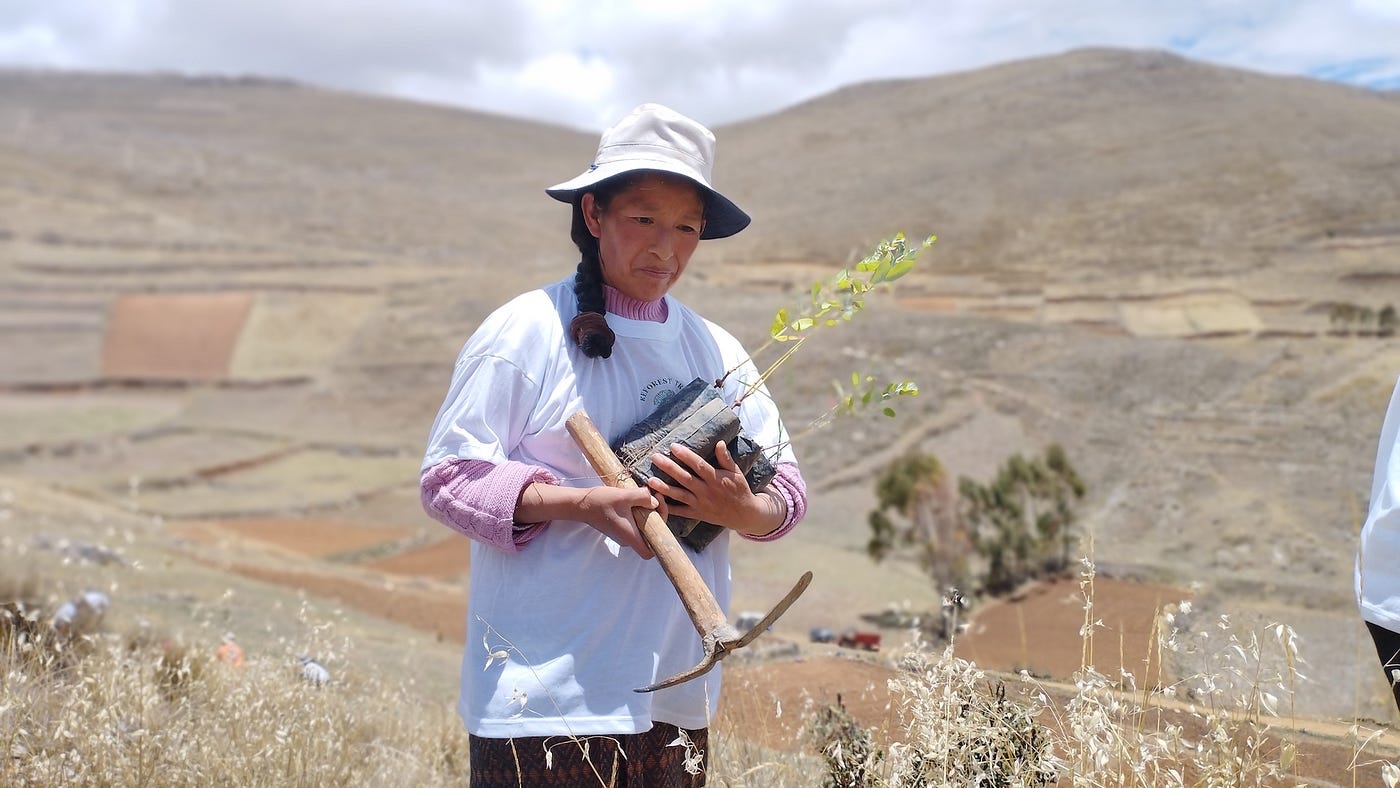
Forests are fundamental to the stability of the Earth’s climate system and the health of terrestrial ecosystems. Scientific reforestation and ecological restoration initiatives play a key role in addressing global environmental challenges by contributing directly to two of the United Nations Sustainable Development Goals: **SDG 13 — Climate Action and SDG 15 — Life on Land**.
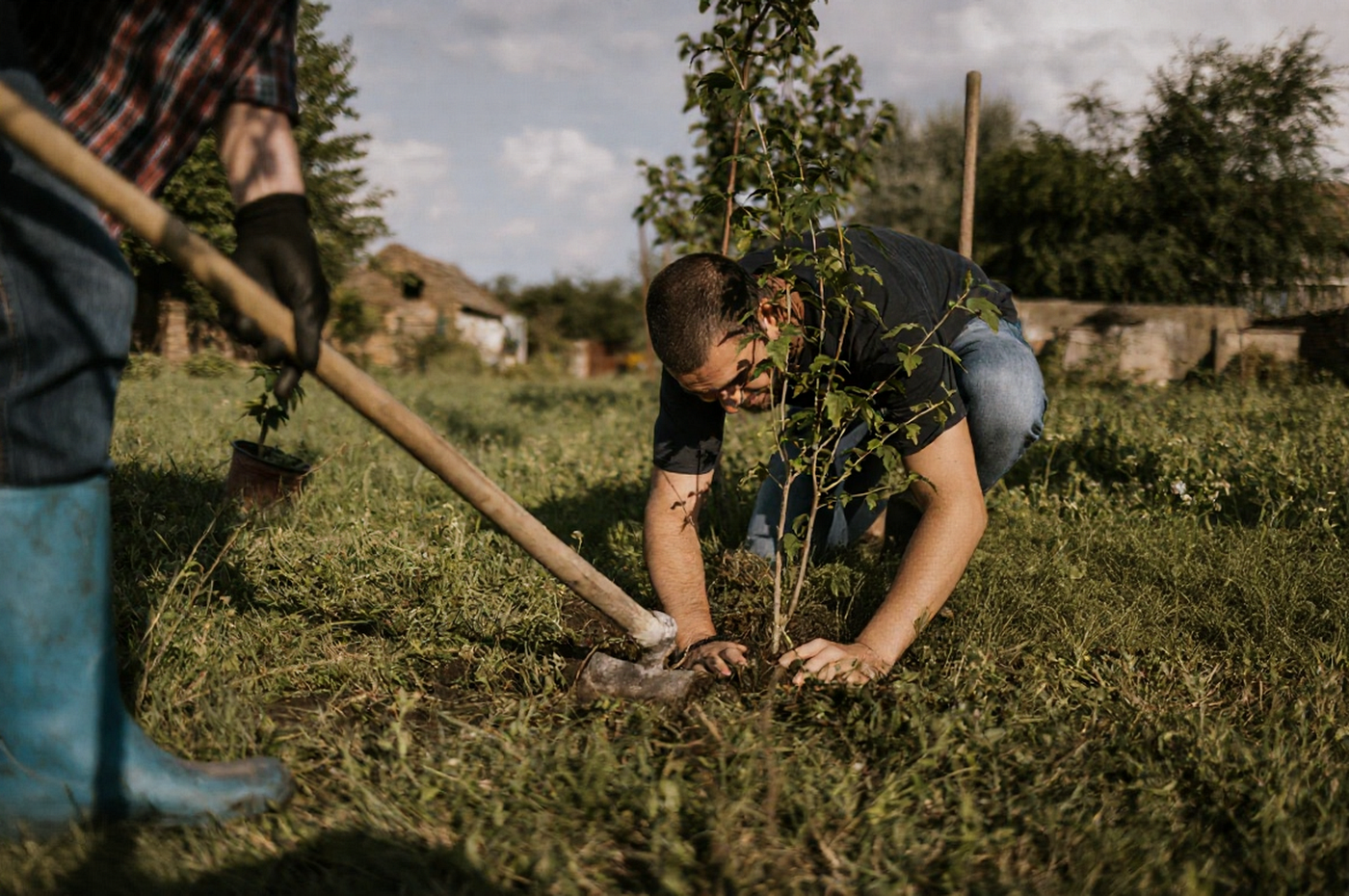
Climate change mitigation requires scalable solutions capable of reducing atmospheric greenhouse gas concentrations. One of the most effective nature-based strategies is the restoration of forest ecosystems. Through photosynthesis, trees absorb atmospheric carbon dioxide (CO₂) and convert it into organic carbon stored in biomass and soils. This process strengthens natural **carbon sinks**, helping reduce net greenhouse gas emissions and supporting global efforts to stabilize the climate.
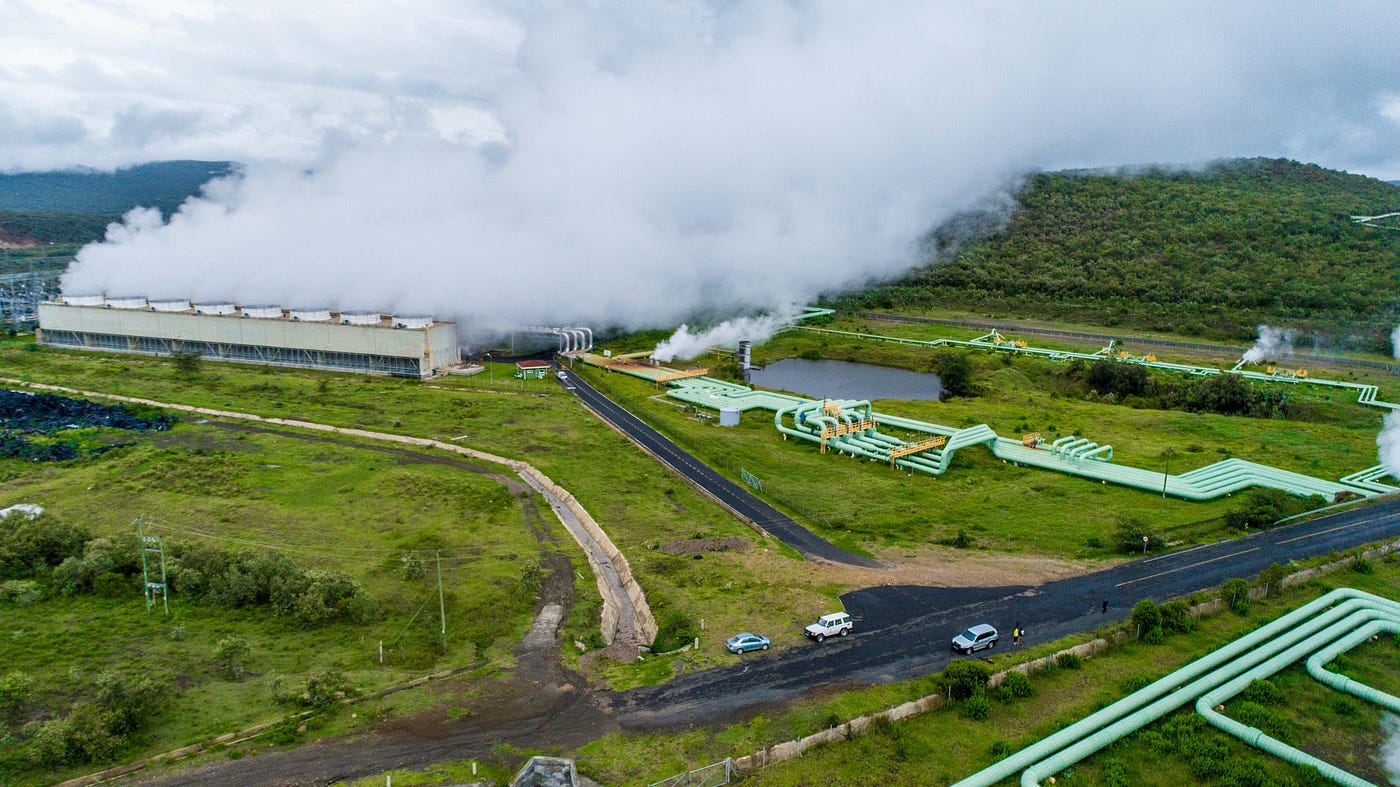
Restoring degraded forests therefore directly contributes to SDG 13, which focuses on urgent action to combat climate change and its impacts. Healthy forests regulate local and regional climate systems, stabilize watersheds, and increase the resilience of ecosystems and communities to climate-related risks such as droughts, flooding, and extreme weather events.
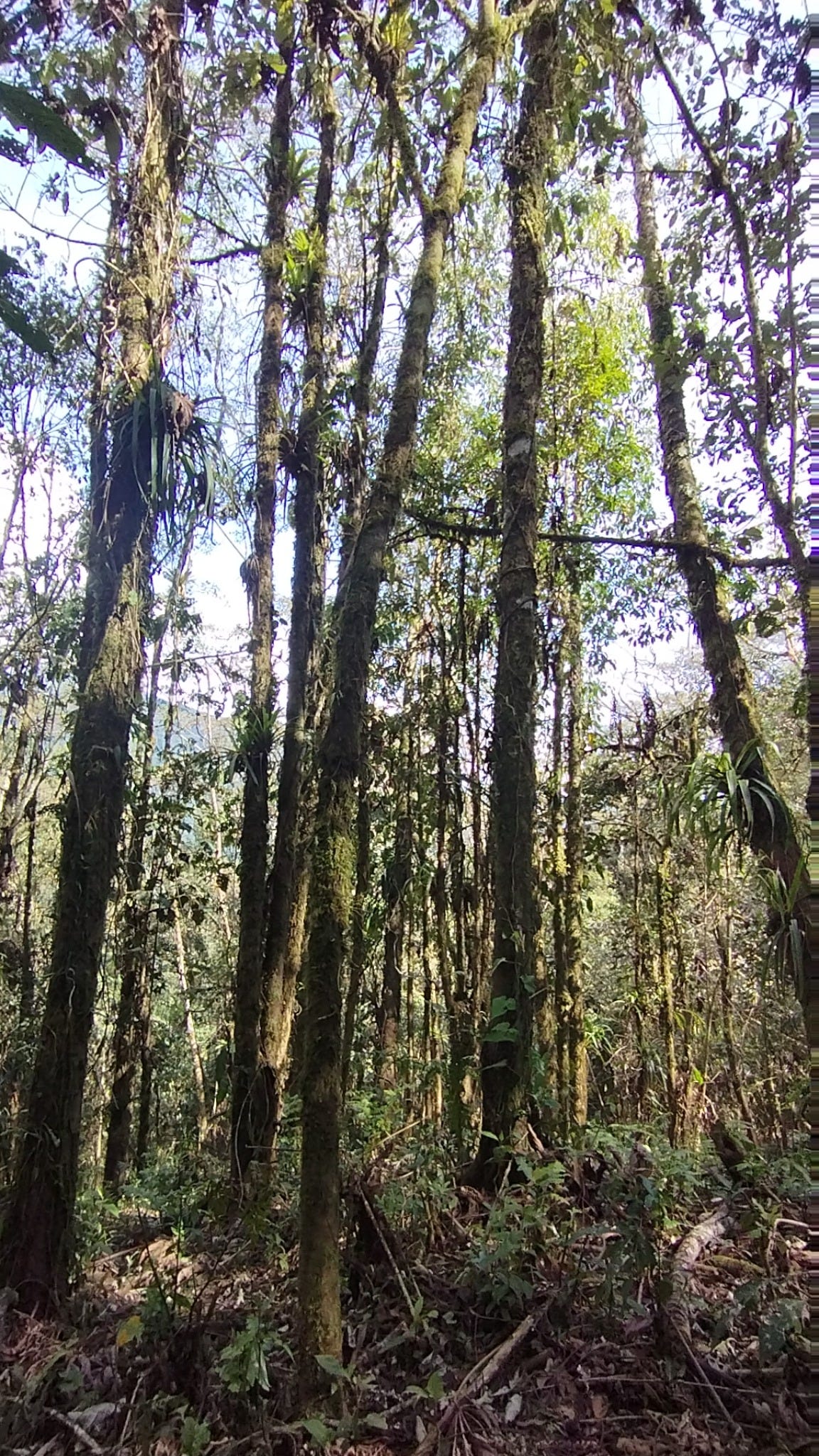
At the same time, reforestation contributes significantly to SDG 15, which aims to protect, restore, and promote the sustainable use of terrestrial ecosystems. Forest restoration helps rebuild degraded landscapes, regenerate natural habitats, and support the recovery of biodiversity. Restored forests provide shelter and resources for countless species, strengthening ecological networks that sustain life on land.
Healthy forest ecosystems also improve soil quality by increasing soil organic matter and reducing erosion. In addition, forests regulate the hydrological cycle, improving water infiltration, protecting watersheds, and helping maintain water availability for ecosystems and human communities.
These environmental functions are known as **ecosystem services**, and they are essential for maintaining the ecological balance that supports life on Earth.
Beyond environmental benefits, reforestation also generates important social and economic outcomes. Restoration initiatives can create green employment opportunities, strengthen rural economies, and empower local communities to become active stewards of their natural landscapes. By integrating local knowledge and community participation, restoration projects promote long-term sustainability and resilience.
When implemented using scientific methodologies and transparent monitoring systems, reforestation initiatives become powerful tools for advancing sustainable development, strengthening climate resilience, and protecting biodiversity.
Discover how our restoration projects contribute to the Sustainable Development Goals and generate measurable environmental impact: https://reforestrees.org/corporate-sustainability/
Supporting restoration initiatives is not only an investment in forests — it is an investment in climate stability, biodiversity conservation, and a sustainable future for communities and ecosystems worldwide.
메타데이터
- post_id
- 20c87e4e88b3
- slug
- how-reforestation-contributes-to-sdg-13-and-sdg-15-20c87e4e88b3
- url
- https://medium.com/@treesreforest/how-reforestation-contributes-to-sdg-13-and-sdg-15-20c87e4e88b3
- canonical_url
- https://medium.com/@treesreforest/how-reforestation-contributes-to-sdg-13-and-sdg-15-20c87e4e88b3
- author_url
- https://medium.com/@treesreforest
- status
- ok
- fetched_at
- 2026-07-13 22:48:45