Beyond Chemistry: Why the BMS is the Unsung Hero of Residential Energy Safety
We often talk about battery safety as a binary: “Is it lithium or not?” or “Is it LiFePO4 or NCM?” While chemistry is the baseline for…
Beyond Chemistry: Why the BMS is the Unsung Hero of Residential Energy Safety
We often talk about battery safety as a binary: “Is it lithium or not?” or “Is it LiFePO4 or NCM?” While chemistry is the baseline for safety, there is a silent conductor behind the scenes ensuring that this chemistry stays within its specified operating parameters.
That conductor is the Battery Management System (BMS).
As explored in broader analyses of residential battery safety, even the most stable chemistry — such as Lithium Iron Phosphate (LiFePO4) — requires a sophisticated electronic layer to prevent external stress from evolving into an internal failure.

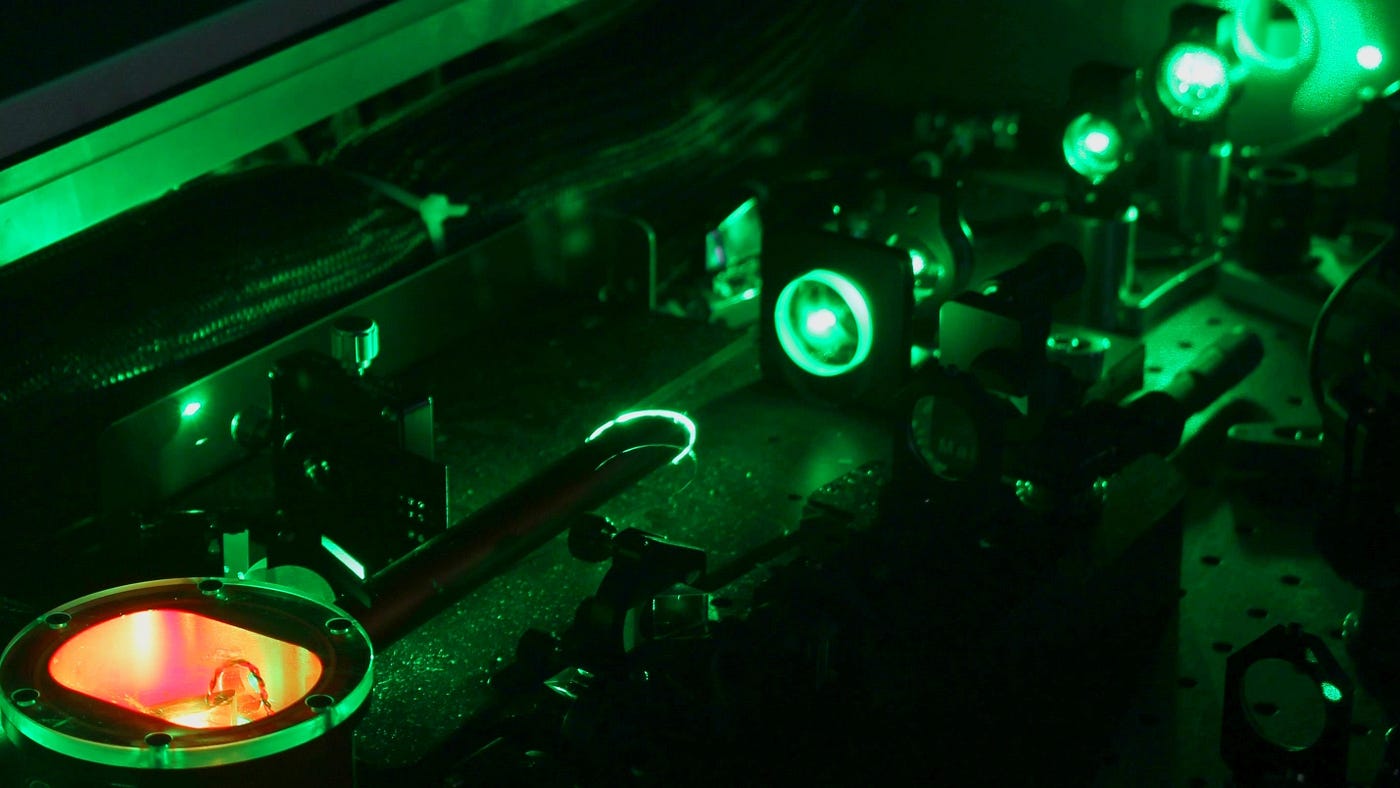
Conceptual illustration showing how a Battery Management System monitors temperature, voltage, and current to keep cells within safe operating limits.
The Myth of “Set and Forget”
A common misconception in the residential energy sector is that choosing a “safe” chemistry minimizes the importance of the supporting hardware. However, a battery cell is an active chemical reactor. Like any reactor, it requires a precision control system.
The BMS is not merely a monitoring tool; it is an active defense mechanism. To maintain system integrity, the BMS must manage four critical variables:
- Low-temperature charging protection: LiFePO4 is highly stable at elevated temperatures but vulnerable to “lithium plating” if charged below 0°C. The BMS identifies these thermal thresholds and halts charging or activates internal heaters to prevent internal dendrite growth.
- Cell-level voltage balancing: A home battery string contains numerous individual cells. The BMS performs constant balancing, redistributing energy to ensure no single cell reaches an over-voltage state that could lead to localized stress.
- Over-current and short-circuit cutoffs: In the event of an external fault or inverter failure, the BMS must react in milliseconds to physically disconnect the battery from the load before thermal accumulation begins.
- System-level communication and shutdown: Beyond internal management, the BMS acts as the communication bridge to the inverter, ensuring that the entire energy ecosystem operates within safe voltage and current limits.
Why Engineering Quality Outweighs Marketing
In technical reviews of safety incidents, the root cause is rarely the inherent stability of the chemistry itself, but rather the failure of the management hardware. In the industry, it is often said that chemistry provides the ceiling for safety, but the BMS provides the floor.
When evaluating a residential system, the technical focus should shift from the cells to the integration:
- Does the system utilize independent sensors for each cell string?
- Is the hardware certified to recognized industrial lithium battery standards?
- How does the BMS logic handle “worst-case” communication loss with the inverter?
Understanding these layers of protection is the difference between simple hardware installation and true energy independence rooted in engineering certainty.
Further Reading and Citations
For readers interested in a broader, system-level risk comparison and a deeper exploration of thermal runaway facts — including how LiFePO4 compares to traditional household risks like natural gas boilers — further technical data can be found in the foundational analysis:
Thermal Runaway in Home Batteries: Facts Homeowners Should Understand.
메타데이터
- post_id
- 20fe76e4b2b3
- slug
- beyond-chemistry-why-the-bms-is-the-unsung-hero-of-residential-energy-safety-20fe76e4b2b3
- url
- https://medium.com/@berryli6768/beyond-chemistry-why-the-bms-is-the-unsung-hero-of-residential-energy-safety-20fe76e4b2b3
- canonical_url
- https://medium.com/@berryli6768/beyond-chemistry-why-the-bms-is-the-unsung-hero-of-residential-energy-safety-20fe76e4b2b3
- author_url
- https://medium.com/@berryli6768
- status
- ok
- fetched_at
- 2026-08-08 23:09:43