If I’m Not Needed, Who Am I?
The hidden addiction of many retirees
If I’m Not Needed, Who Am I?
The hidden addiction of many retirees

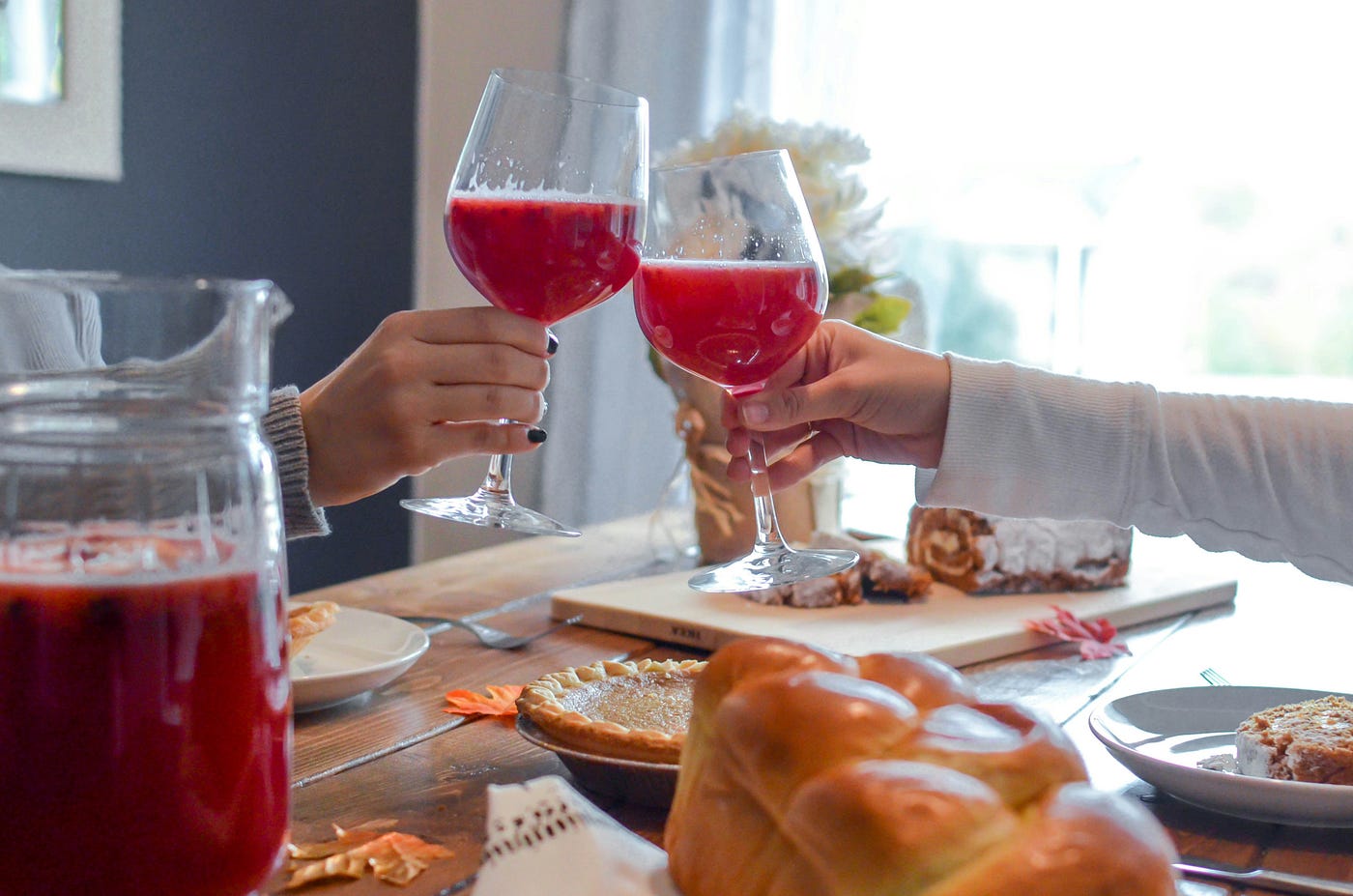
Photo by Centre for Ageing Better on Unsplash
Last Tuesday morning, I stopped at a coffee shop after a doctor’s appointment and ran into a man I’ve known for years.
He’s seventy-two, retired, and one of those people who always seems to be in motion. Before he’d finished his first cup of coffee, he’d already told me about babysitting his grandchildren twice a week, serving on two church committees, helping a neighbor sort out paperwork, and taking a late-night phone call from an adult son who was dealing with another crisis.
He laughed when he described his schedule. “I don’t know how I ever had time to work.”
Then his expression changed.
He stirred his coffee, looked out the window, and admitted that when a day passed without someone needing something from him, he felt strangely uneasy. Not relaxed. Not grateful for the quiet. Uneasy.
That conversation stayed with me because I’ve heard versions of it many times over the years. Retirement is often described as an escape from obligations, but for many people the obligations aren’t the problem. The problem is what happens when those obligations disappear. After decades of work, parenting, caregiving, mentoring, and problem-solving, being needed becomes woven into a person’s identity. It becomes difficult to separate who you are from what you do for everyone else.
Researchers who study retirement have long noted that people who strongly identify with their careers often struggle when those careers end. The loss isn’t just financial. It can feel like losing a piece of yourself. The teacher is no longer teaching. The manager is no longer managing. The business owner is no longer the person everyone depends on to keep things running.
The same dynamic doesn’t stop at work. Parents and grandparents can experience it too. Children grow up, move away, build families of their own, and gradually need less day-to-day guidance. What once felt like an essential role slowly changes shape. For some people, that transition creates a nagging feeling they can’t quite name, so they respond by becoming the fixer, the rescuer, or the person who is always available.
It’s worth asking an uncomfortable question. What if the constant need to be needed isn’t always generosity? What if, for some of us, it becomes a dependency that keeps us from fully stepping into the next chapter of life?
Overinvolved or just loving?
A friend of mine once spent half a lunch complaining that his daughter never called him back. He was genuinely hurt by it, and by the time dessert arrived I was starting to feel sorry for him. Then I asked when he’d called.
“This morning,” he said.
I looked at my watch. It wasn’t even noon yet.
Most parents understand that feeling on some level. You spend twenty years being at the center of your children’s lives, and then one day you’re not. Nobody hands you instructions for adjusting to that change. The concern and affection remain, but the role itself is different. Many people struggle to figure out where caring ends and overinvolvement begins.
I’ve seen it show up in countless ways. Some parents call their adult children every day and feel rejected if a call isn’t returned immediately. Some grandparents volunteer for every school function, every family gathering, and every possible responsibility because they fear becoming less important. Others rush in to solve problems before anyone has asked for help, convinced they’re being supportive when they’re actually preventing others from handling things themselves.
Being engaged isn’t a bad thing. In fact, strong family connections and community involvement are associated with better well-being as people age. The problem begins when one role becomes responsible for carrying your entire sense of worth. If your identity depends on being the favorite grandparent, the indispensable volunteer, or the family problem-solver, any shift in those relationships can feel threatening.
I’ve also listened to adult children describe the situation from their side. Most aren’t ungrateful. They appreciate the help and love their parents deeply. At the same time, they often feel caught between gratitude and guilt. They want room to make mistakes, solve their own problems, and establish healthy independence without feeling as though they’re disappointing someone.
One woman told me her mother still called every evening to remind her about appointments, bills, and errands. “I know she means well,” she said. “But sometimes I feel like she needs me to need her.”
That comment stuck with me because it captured something many families struggle to say out loud. Healthy relationships eventually require a new balance. Parents stop being managers and become advisors. Children stop being dependents and become adults. That transition isn’t always easy, especially when being needed has become a source of emotional security.
It’s worth pausing long enough to ask yourself a difficult question: are you helping because someone truly needs your help, or because you can’t tolerate feeling unimportant?
Busyness as a mask for grief, aging, and emptiness
A few years after I retired, I went through a period when my calendar was packed. Lunches, volunteer commitments, errands, projects around the house, church events, and community meetings somehow filled every available hour. From the outside, it probably looked like I was thriving.
Looking back, I can see that I was avoiding stillness.
Many grief specialists point out that constant activity can become a way of sidestepping difficult emotions. Staying busy feels productive, respectable, and even admirable. Yet busyness can also function like a blanket thrown over feelings we don’t want to face. The grief doesn’t disappear. It simply waits underneath.
The second half of life brings losses that often arrive quietly. Retirement can mean losing a professional identity you’ve carried for decades. Children leaving home can mean losing a daily role that once structured your life. Aging can bring changes in health, energy, and independence. For many people, there are also the losses of friends, siblings, spouses, and familiar routines.
Those experiences create emotional work that cannot be completed through activity alone.
I’ve known retirees who became visibly anxious whenever they had an empty afternoon. One neighbor joked that he couldn’t sit still for twenty minutes without inventing a project. At first everyone laughed. Later he admitted that silence made him uncomfortable because it gave him time to think about how much his life had changed.
That confession felt familiar.
Many of us have moments when we realize we’re filling every blank space because we’re afraid of what might surface if we stop. The fear isn’t laziness or boredom. It’s the possibility of encountering loneliness, sadness, uncertainty, or questions we’ve been postponing for years.
A few self-check questions can be surprisingly revealing. If I stopped doing so much, what feelings might catch up with me? Do I become anxious when I have nothing on the calendar? When was the last time I sat quietly without trying to accomplish something?
Those questions aren’t meant to produce guilt. They’re meant to create awareness. Because sometimes the person everyone praises for being endlessly generous isn’t simply running toward purpose. They’re running away from themselves.
The cost of being indispensable (to you and everyone else)
People who make themselves indispensable often receive plenty of praise. They’re reliable, generous, hardworking, and always willing to step in. For a while, that feels rewarding. Eventually, though, many begin describing the same set of frustrations. They’re exhausted. They’re overwhelmed. They feel taken for granted.
I’ve met retirees who complain constantly about how much everyone depends on them while continuing to volunteer for every responsibility that comes their way. It’s a strange contradiction. They resent carrying the load, yet stepping back feels almost impossible because so much of their identity is tied to being the person who carries it.
The costs aren’t limited to the overextended helper. Adult children often feel smothered or guilty when they try to establish boundaries. Grandchildren can begin associating love with constant rescuing, special treatment, or the removal of consequences. Community groups sometimes become dependent on one heroic volunteer, which makes it easier for everyone else to contribute less.
One church I attended had a woman who seemed to run half the ministries by herself. When she finally stepped away for health reasons, everyone panicked. Then something unexpected happened. Other people stepped forward. New volunteers appeared. Responsibilities were shared. The organization survived just fine.
That experience taught me something important. Overfunctioning often encourages underfunctioning. When one person insists on being the answer to every problem, everyone else gets fewer opportunities to grow.
Research on retirement and aging consistently finds that people who define themselves almost entirely through a single role are more vulnerable when that role inevitably changes. Whether the role is worker, caregiver, volunteer, parent, or grandparent, life eventually alters the terms of the arrangement. The role shrinks, evolves, or disappears altogether.
That’s when many people find themselves facing a question they’ve avoided for decades: if you’ve spent most of your life being the hero, do you know how to be simply a person among other people?
The answer isn’t always obvious.
The radical move: Becoming less needed and more yourself
A friend of mine recently stepped down from a committee she had chaired for nearly fifteen years. She delayed the decision for months because she was convinced the group couldn’t function without her. Three months after leaving, she laughed and admitted that everything was running smoothly.
“I thought they’d be calling me every week,” she said. “Turns out they didn’t need me nearly as much as I thought.”
There was disappointment in her voice, but there was also relief.
One of the healthiest moves we can make in the second half of life may be intentionally becoming a little less necessary. That doesn’t mean withdrawing from people we love. It doesn’t mean becoming selfish or detached. It means creating room for others to grow while also creating room for ourselves.
For some people, that might mean saying no to a request they would normally accept automatically. For others, it could mean allowing adult children to solve problems without immediate intervention. It might involve stepping back from a committee, reducing caregiving responsibilities, or simply resisting the urge to rescue someone from discomfort.
The interesting thing is what happens next. People usually discover that their children are more capable than they assumed. Communities continue functioning. Families adapt. Life moves forward. Meanwhile, space begins to open up for interests, friendships, hobbies, and parts of the self that have been neglected for years.
This isn’t abandonment. It’s growth.
The goal isn’t to stop caring about other people. The goal is to stop using other people’s dependence as evidence that your life has value. That’s a subtle but important distinction, and it becomes increasingly important as we age.
I think back to the man sitting in that coffee shop. What stayed with me wasn’t his busy schedule. It was the discomfort he felt when nobody needed him for a few hours. Many of us spend years proving our worth through usefulness, and there’s nothing wrong with being helpful. But eventually life presents a different invitation.
It asks whether we can still feel at home in ourselves when the phone isn’t ringing, when the calendar has open spaces, and when nobody urgently needs our attention.
That space can feel unsettling at first. It can also be where an entirely new chapter begins, one built not on being indispensable, but on finally discovering who you are when you aren’t.
If you’ve made it this far, you’re probably my kind of reader. You should follow.


메타데이터
- post_id
- 2105db82dbad
- slug
- if-im-not-needed-who-am-i-2105db82dbad
- url
- https://medium.com/the-second-half/if-im-not-needed-who-am-i-2105db82dbad
- canonical_url
- https://medium.com/the-second-half/if-im-not-needed-who-am-i-2105db82dbad
- author_url
- https://medium.com/@bwrosta73
- status
- ok
- fetched_at
- 2026-06-20 20:29:01