The Great Lie of The Dakini
Dākinīs were polarizing figures, and whenever something is deeply polarizing, it usually means it is acting as a mirror for a greater…
The Great Lie of The Dakini
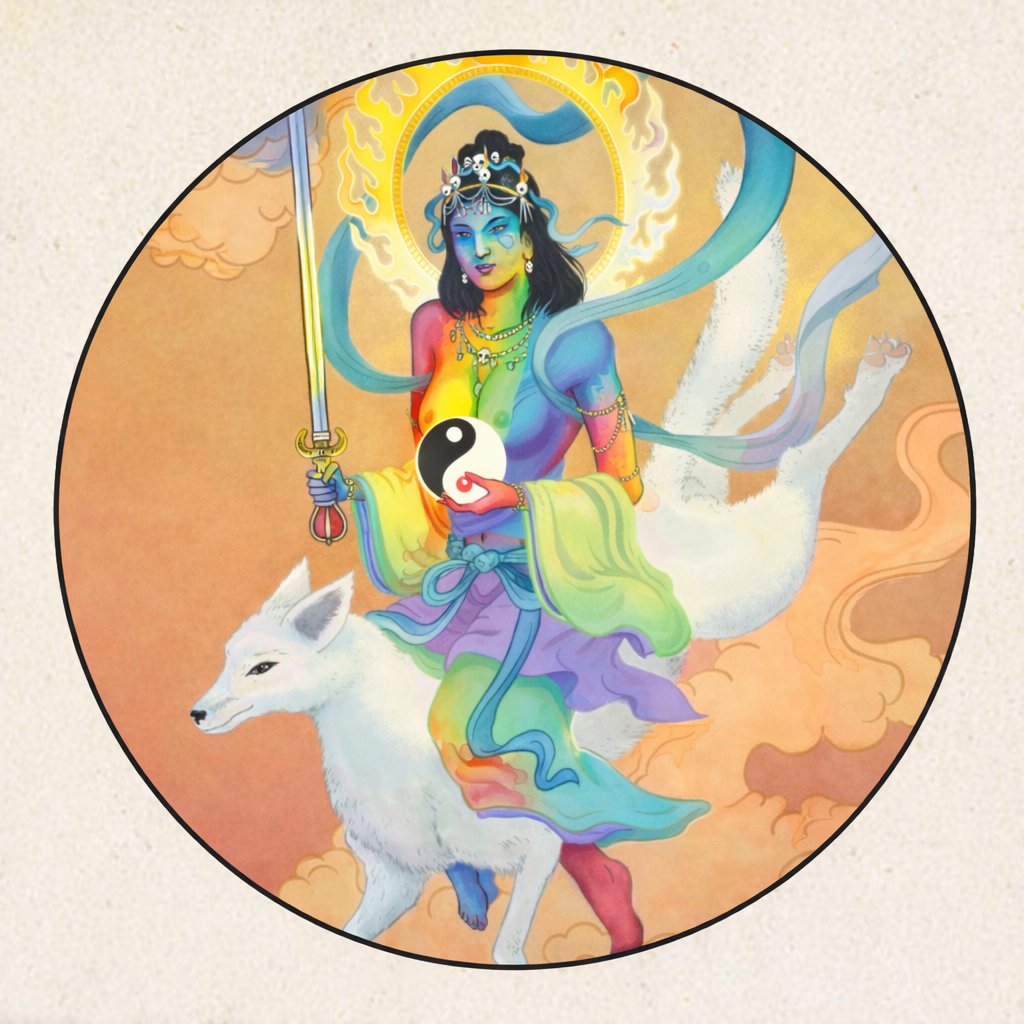
Dākinīs were polarizing figures, and whenever something is deeply polarizing, it usually means it is acting as a mirror for a greater, underlying truth. They were seen as energetic, wise, and muse-like, yet they also symbolized desire — something long associated with sin, danger, and darkness.
But this desire was never the problem. In truth, desire is the very force that allows higher intelligence — new ideas, inventions, insights, and even what people once called “heavenly guidance” — to enter physical reality.
The issue is that desire is difficult to navigate for people operating in survival consciousness. When desire remains unconscious, it overwhelms; when it is integrated, it becomes creative.
As spiritual systems became institutionalized, even beautiful traditions like Buddhism, this wild, initiatory feminine intelligence was often reframed, disciplined, or absorbed in ways that made it safer for collective order, but less threatening to existing power structures.
Stories emerged that dākinīs drank blood or consumed human flesh, much like later myths about vampires. Yet these were never literal acts — blood symbolized life force, and consuming flesh symbolized the dissolution of ego.
These metaphors were gradually stripped of their symbolic meaning and weaponized, turning initiators into monsters. In reality, dākinīs — along with magical women and men throughout history — were understood as those who could wield desire, emotion, and imagination without being consumed by them. They knew how to balance light and dark, how to circulate life force rather than drain it.
When this capacity was suppressed or misunderstood, anger and distortion followed, and the very figures meant to guide humanity through the interstitial space of creation became feared. Legend says that sparing a dākinī grants the fulfillment of one’s wishes — not through domination, but through respect.
This is what happens when the 4D realm of desire and imagination is honored: reality becomes coherent. What was truly demonized was not femininity itself, but unmastered power — projected onto feminine symbols like Lilith, Eve, Kali, Mary Magdalene, witches, sirens, and vampires.
The dākinī ultimately stands as a guide, showing how intelligence moves through feeling to create worlds, and how true desire — born from the heart rather than the ego — becomes the engine of co-creation.
Written By: Dana Kippel
메타데이터
- post_id
- 21b72cdf4c4f
- slug
- the-great-lie-of-the-dakini-21b72cdf4c4f
- url
- https://medium.com/@dbk62189/the-great-lie-of-the-dakini-21b72cdf4c4f
- canonical_url
- https://medium.com/@dbk62189/the-great-lie-of-the-dakini-21b72cdf4c4f
- author_url
- https://medium.com/@dbk62189
- status
- ok
- fetched_at
- 2026-07-13 06:28:48