What Happens to Penile Tissue as Men Age — and What You Can Do
Ageing is one of the most predictable processes in medicine, yet its effects on penile tissue remain poorly understood by most men.
What Happens to Penile Tissue as Men Age — and What You Can Do
Ageing is one of the most predictable processes in medicine, yet its effects on penile tissue remain poorly understood by most men.
The penis is a complex vascular and structural organ. It depends on healthy blood flow, intact nerve pathways, and the integrity of specialised connective tissue to function normally. All of these change with age — and the changes are measurable, progressive, and clinically significant.
Research published in peer-reviewed literature confirms that penile tissue undergoes observable structural decline from the fourth decade onwards. These changes are not simply a matter of reduced libido or hormonal shifts. They reflect real alterations at the cellular and tissue level.
Understanding these changes is the first step towards evidence-based management.
This article examines the biology of penile ageing in detail. It reviews what the evidence shows, which treatments exist, and how non-surgical options — including the P shot London — fit within current clinical thinking. The goal is to provide accurate, balanced information for men considering their options.
1. The Structure of Penile Tissue — A Clinical Overview
To understand how penile tissue ages, it is necessary to understand how it is structured in healthy adult men.
1.1 The Corpora Cavernosa
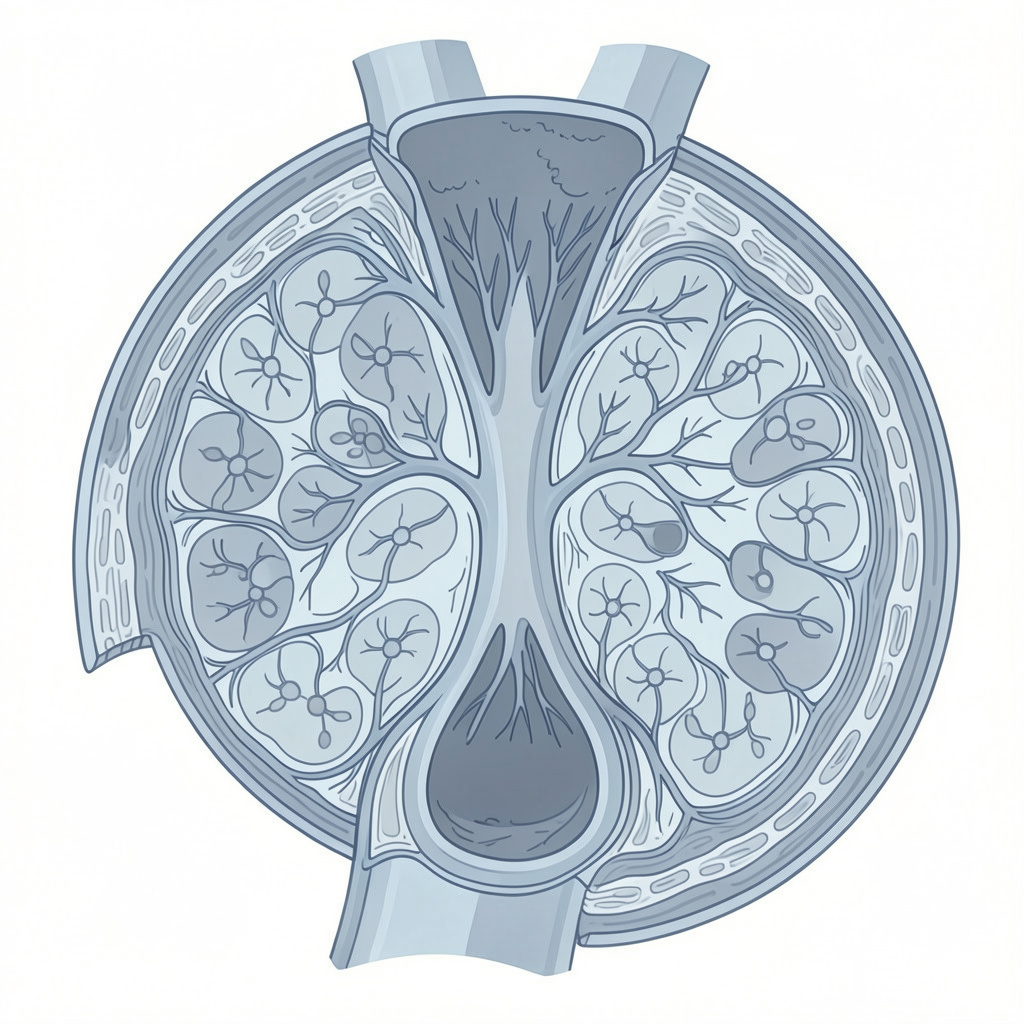
The penis contains two parallel cylinders of erectile tissue known as the corpora cavernosa. These structures fill with blood during arousal, producing an erection. They consist of smooth muscle, connective tissue, and a dense network of small blood vessels.
The proportion of smooth muscle within the corpora cavernosa is directly linked to erectile function.
Studies have shown that healthy erectile tissue contains approximately 40–50% smooth muscle. A reduction below this threshold correlates with impaired erectile response. This is not a theoretical concern — it has been demonstrated in biopsy studies of men with erectile dysfunction (ED).
1.2 The Tunica Albuginea
The corpora cavernosa are enclosed within a tough fibrous sheath known as the tunica albuginea. This structure provides structural rigidity during erection and prevents excessive bending. It is composed primarily of collagen fibres arranged in two layers.
With age, collagen composition shifts. Type I collagen — which is stiffer and less elastic — gradually replaces the more flexible Type III collagen. This affects both rigidity and compliance.
1.3 Penile Vasculature
The internal pudendal artery and its branches supply the penis. The cavernous arteries run through the centre of each corpus cavernosum and dilate during arousal to enable engorgement. Venous outflow is controlled by compression against the tunica during erection, a mechanism known as the veno-occlusive mechanism.
Any disruption to arterial inflow or venous occlusion results in clinically significant erectile impairment.
1.4 Neural Pathways
Both autonomic and somatic nerves regulate penile function. Parasympathetic fibres initiate erection by releasing nitric oxide. Somatic fibres from the pudendal nerve control ejaculation and sensation. Neuropathy — from diabetes, surgery, or ageing — disrupts these pathways.
2. How Penile Tissue Changes with Age — The Evidence
2.1 Smooth Muscle Loss
Multiple biopsy studies have documented a progressive reduction in smooth muscle content within the corpora cavernosa as men age. This process — sometimes referred to as corporal fibrosis — involves the replacement of smooth muscle with collagen and fibrous tissue.
One study found that men over 60 had significantly lower smooth muscle to collagen ratios compared to younger men, correlating directly with poorer erectile outcomes.
Smooth muscle loss impairs the relaxation response during arousal. Erection depends on smooth muscle cells relaxing in response to nitric oxide. If these cells are replaced by fibrosis, the tissue cannot respond effectively.
2.2 Endothelial Dysfunction
The endothelium — the lining of blood vessels — plays a central role in erectile physiology. Nitric oxide (NO), produced by endothelial cells, is the primary mediator of penile smooth muscle relaxation and arterial dilation.
Ageing impairs endothelial function. Oxidative stress, accumulated over decades, reduces the bioavailability of nitric oxide. This affects not only the penis but the broader cardiovascular system.
The British Heart Foundation and NHS guidance both note the strong association between cardiovascular risk factors and erectile dysfunction, precisely because both conditions share endothelial pathology.
2.3 Collagen Changes and Penile Shortening
As collagen composition shifts from Type III to Type I, the tunica albuginea becomes less compliant. Studies document a measurable reduction in erect penile length and girth in many men from their 50s onwards.
This is partly structural — stiffer tissue expands less — and partly vascular, as reduced arterial inflow limits maximum engorgement. Some men also develop focal fibrotic plaques within the tunica, a condition known as Peyronie’s disease, which further reduces length and causes penile curvature.
2.4 Testosterone and Tissue Maintenance
Testosterone supports the maintenance of penile smooth muscle and the production of nitric oxide synthase within the corpus cavernosum. From the mid-30s onwards, testosterone levels typically decline by approximately 1–2% per year, according to data reviewed by the British Society for Sexual Medicine.
Hypogonadism — clinically low testosterone — accelerates corporal fibrosis and smooth muscle loss.
The relationship is bidirectional: low testosterone worsens tissue structure, and structural decline reduces the organ’s ability to respond to androgen signalling.
2.5 Neural Deterioration
Sensory nerve density in the glans penis decreases with age. Studies have documented a reduction in Meissner’s corpuscles — the sensory receptors responsible for tactile sensitivity — in older men. This contributes to reduced penile sensitivity, delayed orgasm, and altered ejaculatory function.
In men with diabetes — a condition affecting over 4.3 million people in the UK, according to Diabetes UK — peripheral neuropathy accelerates this process significantly.
3. Clinical Consequences of Age-Related Penile Tissue Changes
3.1 Erectile Dysfunction
The cumulative effect of smooth muscle loss, endothelial dysfunction, and vascular insufficiency is erectile dysfunction (ED). The Massachusetts Male Ageing Study — a landmark longitudinal study — found that the combined prevalence of moderate and complete ED was 52% in men aged 40–70.
ED is not an inevitable consequence of ageing, but it becomes progressively more likely as tissue changes accumulate.
NICE guidelines classify ED as primarily organic in older men, reflecting the central role of tissue-level pathology. Vascular disease, diabetes, and hypertension are the most commonly associated conditions.
3.2 Reduced Sensitivity and Sexual Satisfaction
Declining nerve density reduces tactile sensitivity and can alter the quality and intensity of orgasm. Some men report that erections feel less firm, that sensation is muted, or that ejaculation is delayed despite adequate arousal.
3.3 Penile Shortening and Structural Deformity
A proportion of men notice a reduction in erect length over time. In cases where focal fibrotic plaques develop, this may be accompanied by curvature, pain during erection, or difficulty with intercourse.
Peyronie’s disease — which involves discrete fibrous plaques within the tunica — affects an estimated 3–9% of men, according to literature reviewed in the British Journal of Urology International.
4. Current Management Options for Age-Related Penile Tissue Decline
4.1 Lifestyle Modification
NHS guidance is clear that lifestyle factors significantly influence penile tissue health. Regular aerobic exercise improves endothelial function and maintains testosterone levels. Smoking cessation reduces vascular damage. A Mediterranean-style diet supports nitric oxide bioavailability.
These are first-line recommendations and carry the strongest evidence base.
4.2 PDE5 Inhibitors
Phosphodiesterase type 5 (PDE5) inhibitors — including sildenafil and tadalafil — remain the first-line pharmacological treatment for ED, as recommended by NICE (CG167). They act by enhancing nitric oxide signalling within penile smooth muscle.
However, they do not address underlying tissue pathology. They are symptomatic treatments. In men with advanced corporal fibrosis or significant vascular disease, their efficacy is limited.
4.3 Testosterone Replacement Therapy
In men with confirmed hypogonadism, testosterone replacement therapy (TRT) can improve smooth muscle maintenance and erectile function. It is not indicated for men with normal testosterone levels.
British Society for Sexual Medicine guidelines recommend testosterone testing in all men presenting with ED before initiating treatment.
4.4 Low-Intensity Shockwave Therapy (LI-SWT)
Low-intensity shockwave therapy applies acoustic waves to penile tissue. Evidence suggests it promotes neovascularisation — the formation of new blood vessels — within the corpus cavernosum. Several randomised controlled trials support its use in vasculogenic ED.
NICE has noted promising early evidence but has called for further large-scale trials before recommending it as standard care.
4.5 The P Shot — Platelet-Rich Plasma Therapy
The P shot — formally known as the Priapus shot — is a non-surgical treatment for erectile dysfunction in London and across the UK. It uses platelet-rich plasma (PRP), derived from the patient’s own blood, and introduces concentrated growth factors directly into penile tissue.
The mechanism centres on the growth factors contained within platelets: platelet-derived growth factor (PDGF), vascular endothelial growth factor (VEGF), transforming growth factor-beta (TGF-b), and insulin-like growth factor (IGF).
These factors promote angiogenesis, stimulate smooth muscle cell activity, and may support tissue repair at the cellular level.
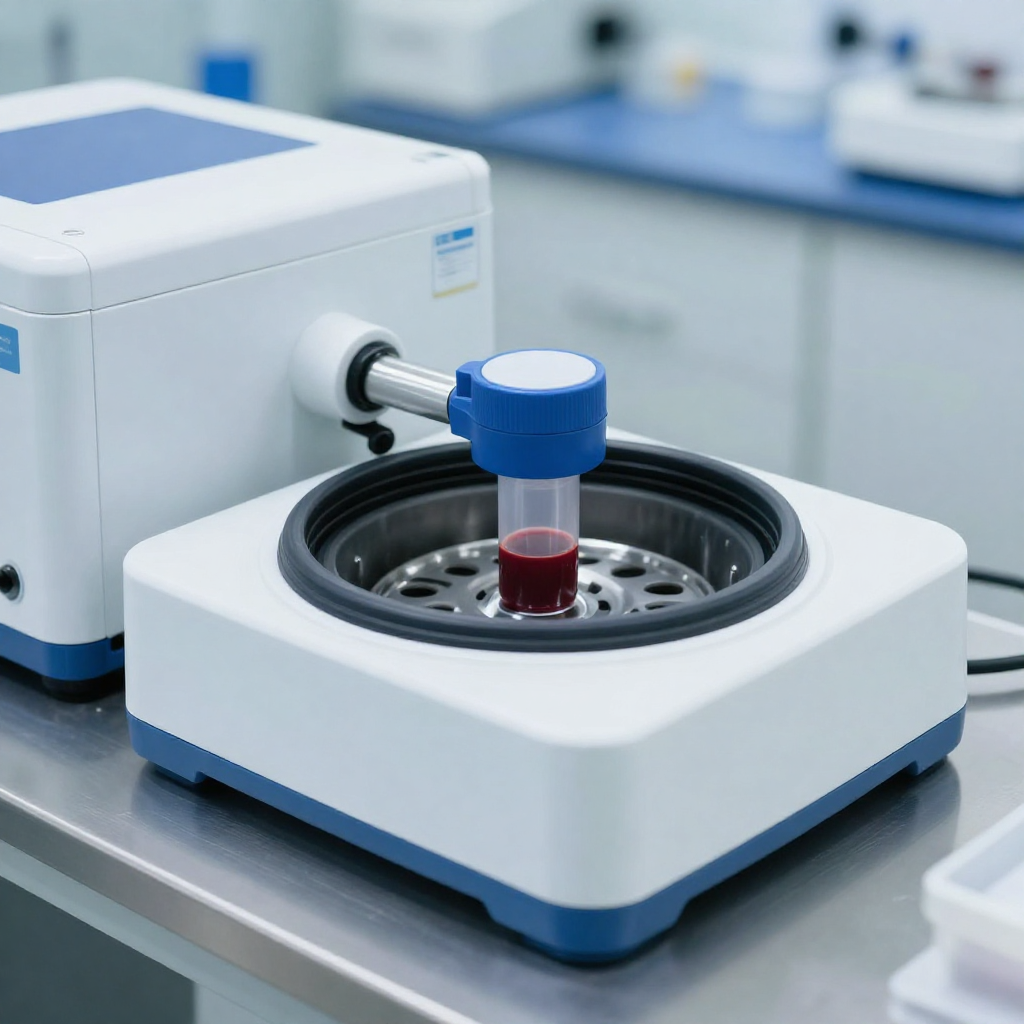
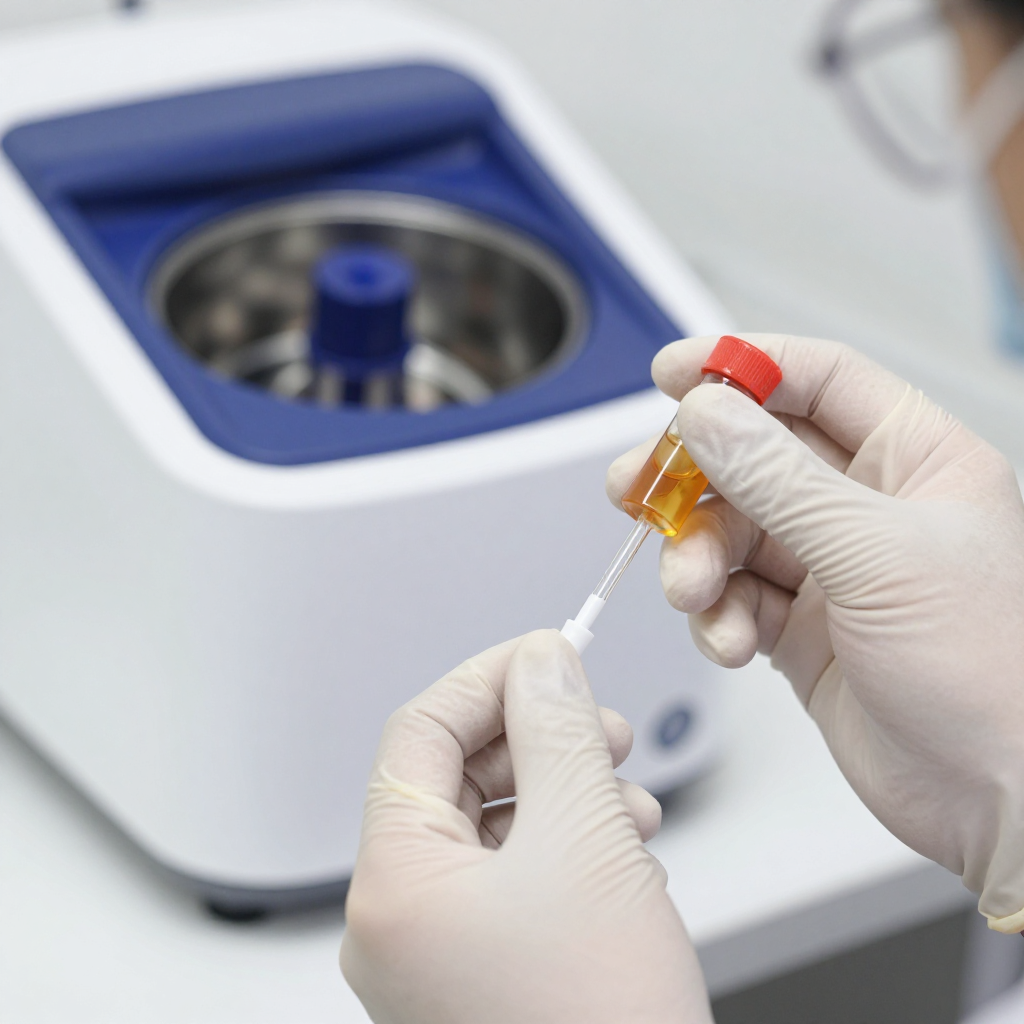
The P shot treatment involves a simple in-clinic procedure. Blood is drawn from the patient, processed in a centrifuge to isolate the PRP fraction, and then injected into specific regions of the penile tissue under local anaesthetic.
Men researching P shot before and after outcomes should note that results are not immediate. Most clinical protocols describe a 4–12 week period before functional changes become apparent.
5. What Does the Evidence Say About the P Shot?
5.1 Published Clinical Data
PRP therapy for men’s performance issues has been the subject of several clinical investigations. A 2019 study published in the Journal of Sexual Medicine reported improved erectile function scores in men with mild to moderate ED following two intra-cavernous PRP injections.
A 2021 systematic review in Sexual Medicine Reviews assessed available evidence for PRP in ED. It concluded that PRP may offer benefit, particularly in men with organic ED, but noted that study heterogeneity and small sample sizes limit definitive conclusions.
The existing evidence is promising but not yet sufficient to place PRP within standard NICE-approved pathways.
Regenerative treatment for male health in the UK is an evolving field. The evidence base for PRP-based regenerative therapy for ED continues to grow, and larger randomised controlled trials are underway.
5.2 Candidate Selection
The available evidence suggests that the P-shot may be most appropriate for men with mild to moderate vasculogenic ED. Men with severe ED secondary to major vascular disease or complete corporal fibrosis are unlikely to achieve meaningful improvement.
Equally, men with normal erectile function who seek enhancement — sometimes enquiring about male enlargement injections cost UK or related outcomes — should receive balanced information. Current evidence does not robustly support structural enlargement as a consistent outcome of PRP therapy.
5.3 Safety Profile
Because PRP uses autologous blood — derived from the patient themselves — the risk of systemic adverse reaction is low. Localised bruising, temporary discomfort, and minor swelling are the most commonly reported side effects.
Serious adverse events are rare in published literature. However, long-term safety data beyond 24 months remain limited. Patients should discuss this with their clinician before proceeding.
5.4 Realistic Expectations for P Shot Before and After
Men exploring P shot before and after comparisons in published literature or online accounts should approach individual testimonials with caution. Outcomes vary significantly between individuals.
Common reported outcomes in clinical studies include modest improvements in erectile rigidity, reduced reliance on PDE5 inhibitors, and improved sensitivity. Significant anatomical changes are not a consistent or well-evidenced outcome.
An honest assessment of P shot UK outcomes requires separating peer-reviewed evidence from anecdotal reports.
6. Accessing P Shot London — What to Consider
6.1 Clinical Assessment
Any man considering the p injection or P shot treatment should undergo a thorough clinical assessment first. This should include a history of cardiovascular risk factors, hormonal profile, and validated erectile function scoring using the IIEF questionnaire.
PRP therapy for men’s performance issues is not a substitute for investigating and treating underlying medical causes of ED. A clinician should rule out significant vascular, endocrine, or neurological pathology before offering this treatment.
6.2 Understanding Priapus Shot Price
The priapus shot price in the UK varies depending on the clinic, the number of sessions recommended, and whether ancillary treatments are included. Men researching P shot London options should request a clear written treatment plan, including expected number of sessions and realistic outcome timelines.
Clinics offering P shot UK treatment should be willing to discuss the current evidence base openly and should not make guarantees of specific outcomes.
6.3 Regulation and Practitioner Qualifications
PRP procedures are not regulated as medicines in the UK. However, they should be performed by qualified medical practitioners with appropriate training in injection techniques and an understanding of penile anatomy.
Men should verify practitioner credentials and seek a clinic that operates within a regulated medical environment.
6.4 One Clinic to Consider
Pshots clinic uk is a men’s intimate health clinic based in Harley Street and Marylebone, London. It is led by Dr Syed Nadeem Abbas (MBBS, MRCS RCS Edinburgh, MRCGP, MSc Aesthetic Plastic Surgery with Distinction), who offers erectile dysfunction treatment London. For more information, visit the official site.
Frequently Asked Questions
Q: What exactly is the P shot?
The P shot — or Priapus shot — is a non-surgical treatment that uses platelet-rich plasma (PRP) derived from a patient’s own blood. The PRP is injected into penile tissue with the aim of promoting tissue repair and improving vascular function.
Q: Is the P shot the same as a penile injection for ED?
No. Penile injections for ED — such as alprostadil — act pharmacologically to induce erection. The P shot is a regenerative procedure. It does not produce an immediate erection. It aims to support tissue-level changes over weeks to months.
Q: How many P shot treatments are needed?
Most clinical protocols involve one to three sessions, spaced several weeks apart. The optimal number depends on the severity of tissue change and individual response. A treating clinician should discuss this during assessment.
Q: What does the evidence say about P shot before and after results?
Published studies report moderate improvements in erectile function in men with mild to moderate organic ED. Results vary between individuals. Significant structural enlargement is not a consistently evidenced outcome. Men should review published literature and discuss realistic expectations with their doctor.
Q: Is the P shot available on the NHS?
No. PRP therapy for ED is not currently commissioned by the NHS. It is available as a private treatment. NICE has not yet included it within its erectile dysfunction treatment guidelines, citing the need for further large-scale evidence.
Q: What is the priapus shot price in the UK?
Prices vary between clinics and depend on the number of sessions required. Men should request full written costings and a treatment plan from any clinic they consult, including information on any additional procedures offered alongside PRP.
Q: Are there risks with PRP therapy for men?
Because PRP uses the patient’s own blood, the risk of allergic reaction is minimal. The most common side effects are localised bruising and temporary discomfort. Long-term safety data beyond two years are limited. Men with blood disorders or on anticoagulant therapy should discuss suitability with their doctor.
Q: Can the P shot improve penile sensitivity?
Some studies and case reports suggest improved penile sensitivity following PRP treatment, possibly related to neural growth factor activity. However, this is not a consistently reported outcome across all studies. It should not be presented as a guaranteed result.
Conclusion
Penile tissue undergoes measurable, progressive changes with age.
Smooth muscle loss, endothelial dysfunction, collagen remodelling, and neural deterioration collectively reduce erectile function, penile sensitivity, and structural integrity. These changes begin in the fourth decade and accelerate in the context of cardiovascular disease, diabetes, and hypogonadism.
Evidence-based management starts with lifestyle optimisation, hormonal assessment, and — where appropriate — pharmacological treatment with PDE5 inhibitors. For men who do not respond to first-line approaches, or who wish to explore regenerative options, natural ED treatment using PRP therapy represents a developing field with early but encouraging evidence.
The P shot London — based on PRP-based regenerative therapy for ED — is not a cure. It does not reverse advanced fibrosis, and it is not yet part of NICE-approved treatment pathways. It may, however, offer a meaningful option for selected men with mild to moderate vasculogenic ED, particularly when used alongside lifestyle changes and medical management.
Informed consent and realistic expectation-setting are central to responsible clinical practice in this area.
Advanced PRP solution for erectile dysfunction and broader regenerative approaches will continue to evolve as larger trials report their findings. Men seeking erectile dysfunction treatment London would benefit from consulting a qualified medical practitioner who can review the full clinical picture before recommending any intervention.
As regenerative medicine continues to develop, one question remains worth considering: if tissue-level changes are the root cause of age-related erectile decline, are purely symptomatic treatments ever going to be sufficient — and what does that mean for how we approach men’s intimate health in the decades ahead?
메타데이터
- post_id
- 220f3735fda4
- slug
- what-happens-to-penile-tissue-as-men-age-and-what-you-can-do-220f3735fda4
- url
- https://medium.com/@bmac.drsnaclinic/what-happens-to-penile-tissue-as-men-age-and-what-you-can-do-220f3735fda4
- canonical_url
- https://medium.com/@bmac.drsnaclinic/what-happens-to-penile-tissue-as-men-age-and-what-you-can-do-220f3735fda4
- author_url
- https://medium.com/@bmac.drsnaclinic
- status
- ok
- fetched_at
- 2026-07-13 06:23:13