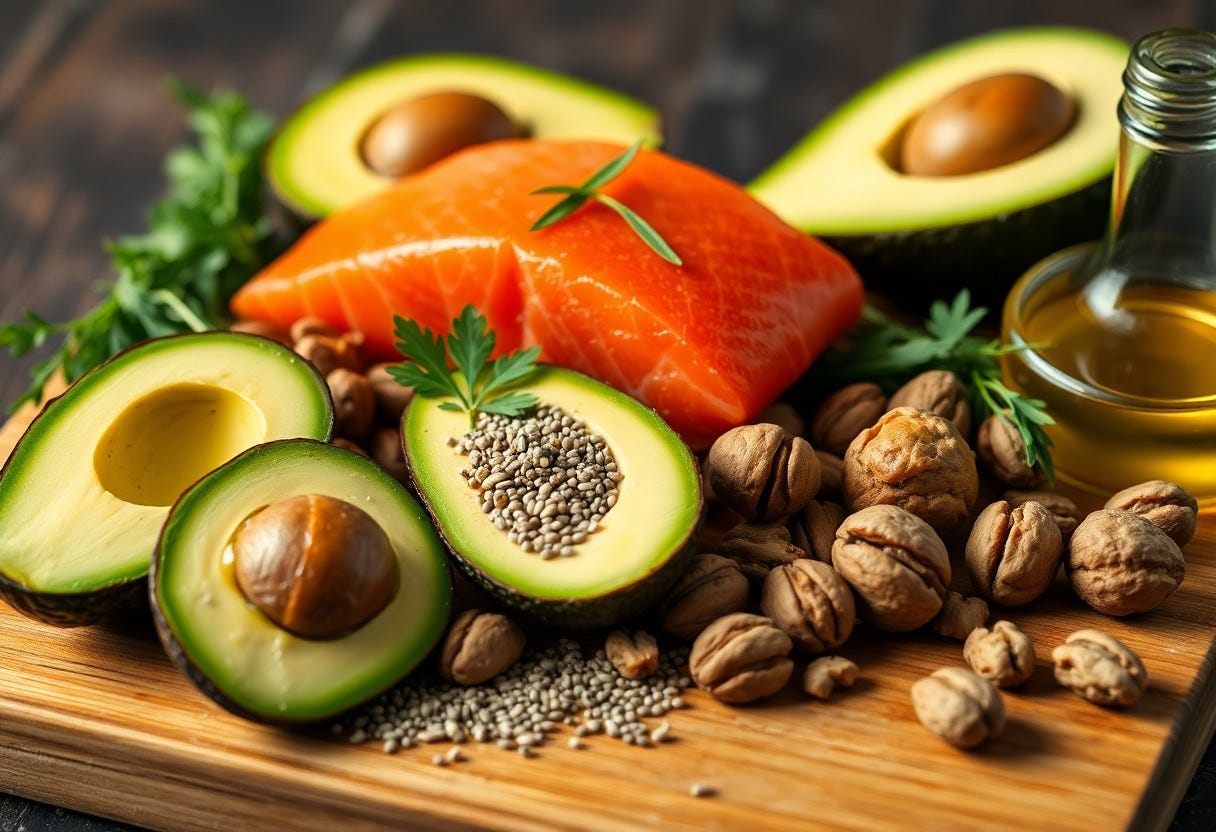
Exploring the Benefits and Risks of a 48-Hour Fast
Most people are increasingly curious about fasting and its potential influence on health. A 48-hour fast can offer a range of benefits…
Exploring the Benefits and Risks of a 48-Hour Fast
Most people are increasingly curious about fasting and its potential influence on health. A 48-hour fast can offer a range of benefits, such as weight loss, improved metabolism, and enhanced mental clarity. However, it also comes with its own set of risks, including dehydration, nutrient deficiencies, and potential emotional stress. In this article, you will dive deeper into both the advantages and the challenges of undertaking a 48-hour fast, allowing you to make an informed decision about whether this practice aligns with your health goals.

Understanding Intermittent Fasting
The concept of intermittent fasting (IF) has gained significant attention as a dietary approach to health and wellness. It revolves around cycles of eating and fasting, allowing your body to rest and reset during designated non-eating periods. IF can provide various physical and mental benefits, making it an attractive option for many seeking to enhance their well-being.
Definition and Types
Among the different approaches to intermittent fasting, you may come across several popular methods:
- 16/8 Method: Fast for 16 hours and eat during an 8-hour window.
- 5:2 Diet: Consume 500–600 calories on two non-consecutive days each week.
- Eat-Stop-Eat: Involves fasting for a full 24 hours once or twice a week.
- Alternate-Day Fasting: Switch between fasting days and eating days.
- Warrior Diet: Eat small amounts during the day and have one large meal at night.
Recognizing the various methods can help you choose the approach best suited to your lifestyle and health goals.
Type of Intermittent Fasting
Description
16/8 Method
Fast for 16 hours; eat during an 8-hour window
5:2 Diet
Eat normally for five days; restrict calories on two non-consecutive days
Eat-Stop-Eat
24-hour fast once or twice a week
Alternate-Day Fasting
Alternate between fasting days and eating days
Warrior Diet
Eat small amounts during the day; one large meal at night
The Potential Benefits of a 48-Hour Fast
Some of the potential benefits of a 48-hour fast include improved metabolic health, enhanced fat loss, and increased longevity. Additionally, fasting may positively impact your mental clarity and cognitive function. For a deeper understanding of the effects of fasting, you can explore this Study reveals the benefits and downsides of fasting.
Physical Health Benefits
Along with weight loss, a 48-hour fast can lead to improved insulin sensitivity, better regulation of blood sugar levels, and decreased inflammation throughout your body. These physiological changes can support overall health and reduce the risk of chronic diseases.
Mental and Emotional Clarity
Above the physical benefits, a 48-hour fast can enhance your mental and emotional well-being. Many individuals report increased focus, improved mood, and better stress management during fasting periods. This clarity might stem from reduced distractions as your body shifts its energy usage.
At the psychological level, fasting can instill a sense of discipline and mindfulness, often leading to heightened self-awareness. As you navigate the challenges of abstaining from food, you may find that your emotional resilience strengthens, providing you with an opportunity to reflect on your relationship with food and develop healthier habits.
Risks and Considerations
Your decision to undertake a 48-hour fast should be balanced with an awareness of potential risks. While fasting can provide benefits, it can also lead to various health complications, particularly if you have underlying medical conditions. It’s important to consider how fasting fits into your lifestyle and any medications you may be taking. Consulting with a healthcare provider is advisable to ensure you are making informed choices that won’t adversely affect your wellness.
Physical Risks
On occasion, a 48-hour fast may result in physical risks such as dehydration, dizziness, or low blood sugar levels. Your body requires a certain amount of nutrients and hydration, and extending your fast past what it can comfortably handle can lead to more severe complications, including electrolyte imbalances and fainting. Staying aware of how your body responds during the fast is important to avoid these potential issues.
Psychological Effects
Along with physical considerations, the psychological effects of a 48-hour fast can also be significant. You might experience mood swings, irritability, or increased anxiety, especially if you have a history of eating disorders or are sensitive to hunger cues. Awareness of these potential emotional challenges can help you prepare mentally for the fast and manage your expectations appropriately.
Even though fasting is often associated with physical benefits, the psychological impacts can be equally impactful. For some, the experience may bring about stress due to hunger and cravings, while others might find a sense of clarity or focus during the fast. Ensuring you have strategies in place for coping with any negative feelings can be beneficial. Being aware of these psychological aspects will help you better prepare for the fast and potentially mitigate adverse effects. Preparing for a 48-Hour Fast
Not everyone is prepared for the challenges of a 48-hour fast, so it’s crucial to approach it with the right mindset and planning. Before you begin, familiarize yourself with the potential advantages by checking out 12 Benefits of Fasting for 48 Hours. Prepare your body and mind by gradually reducing food intake in the days leading up to the fast, allowing your system to adjust for the experience ahead.
Guidelines and Recommendations
Between planning your fast and starting, formulate a strategy that suits your lifestyle. Begin by setting clear goals, whether for health, mental clarity, or other personal reasons. Consult with a healthcare professional if you have pre-existing conditions. Additionally, choose an optimal time to fast, ensuring it aligns with your daily schedule for minimal disruptions.
Hydration and Nutritional Support
Any fast must include a focus on hydration. Staying adequately hydrated is crucial, as it aids in detoxification and helps control hunger pangs. During the fast, opt for water, herbal teas, or black coffee to keep your fluids up.
Plus, consider incorporating electrolytes to maintain balance, especially if you feel fatigued or lightheaded. Adding electrolyte tablets or powders can help sustain your energy levels. It’s also beneficial to break your fast gradually with nutrient-dense foods, allowing your digestive system to adjust smoothly. This approach not only enhances your experience but also maximizes the benefits you’re aiming to achieve.
Breaking the Fast
Keep in mind that the way you break your 48-hour fast can significantly impact your digestion and overall well-being. Start by consuming small portions of easily digestible foods to help your body transition back to its regular eating routine. This method enables your digestive system to adjust without being overwhelmed.
Ideal Foods and Timing
For optimal recovery after your fast, focus on nutrient-dense, whole foods such as bone broth, light soups, or steamed vegetables. Allow about one to two hours between meals and listen to your body’s hunger cues, introducing solid foods gradually to minimize any digestive discomfort.
Refeeding Strategies
Against popular belief, diving straight into heavy meals can lead to gastrointestinal distress. Instead, use a gradual refeeding approach, ensuring that you prioritize hydration and nutrient-rich options. Start with liquids and easy-to-digest foods to help your body acclimate.
Timing is important during your refeeding period. Begin with small portions every hour, gradually increasing the complexity and amount of food. This incremental approach prevents overwhelming your digestive system and allows your body to adapt effectively to the return of solid foods, reducing the risk of bloating or discomfort on your journey back to regular eating.Personal Experiences and Case Studies
Once again, it’s vital to understand personal experiences and case studies surrounding a 48-hour fast. Evidence from various individuals sheds light on the potential outcomes:
- Case Study 1: A participant lost 3 pounds after completing a 48-hour fast, reporting increased energy levels.
- Case Study 2: A diabetic individual saw a 30% reduction in blood sugar levels over a two-day fast.
- Case Study 3: Athletes experienced improved performance metrics, with a 15% increase in endurance during workouts.
- Case Study 4: Participants reported enhanced mental clarity and reduced food cravings after fasting.
Anecdotal Evidence
Between personal accounts and social media testimonials, you can find varied experiences that illustrate the diversity of outcomes after a 48-hour fast. Many individuals cite feelings of accomplishment, while others describe initial discomfort.
Expert Opinions
At the forefront of nutritional science, many experts advocate for intermittent fasting, including 48-hour fasts, as an effective approach for various health improvements. However, they also express caution about its suitability for everyone.
Case studies focusing on fasting and its effects have garnered attention from nutritionists and health professionals. They stress the importance of individual circumstances, such as age, existing health conditions, and overall lifestyle, when considering a 48-hour fast. Ensuring proper hydration and listening to your body’s signals are key points highlighted by these experts, offering you a safer fasting experience and maximizing potential benefits.
Summing up
So, as you consider launching on a 48-hour fast, it’s important to weigh the potential benefits against the risks involved. This fasting approach may offer advantages such as improved metabolic health and mental clarity, but it’s equally necessary to be aware of possible downsides like fatigue or nutrient deficiencies. Always listen to your body and consult with a healthcare professional before making significant changes to your eating habits, ensuring that your fasting experience is safe and effective for your circumstances.
Originally published at https://health-fitnesswaves.blogspot.com.
메타데이터
- post_id
- 22ae866ced2b
- slug
- exploring-the-benefits-and-risks-of-a-48-hour-fast-22ae866ced2b
- url
- https://medium.com/@shyamalmallik55/exploring-the-benefits-and-risks-of-a-48-hour-fast-22ae866ced2b
- canonical_url
- https://medium.com/@shyamalmallik55/exploring-the-benefits-and-risks-of-a-48-hour-fast-22ae866ced2b
- author_url
- https://medium.com/@shyamalmallik55
- status
- ok
- fetched_at
- 2026-07-13 06:23:13