Form 720 April Deadline: What Businesses Must Know Before Quarter-End Filing
If your business deals with excise taxes, Form 720 filing is not optional — it’s a quarterly responsibility. And with the April 30 deadline…
Form 720 April Deadline: What Businesses Must Know Before Quarter-End Filing
If your business deals with excise taxes, **Form 720 filing is not optional — it’s a quarterly responsibility. And with the April 30 deadline approaching for the first quarter**, missing it can lead to penalties, stress, and unnecessary complications.
Whether you’re filing for the first time or trying to avoid last-minute chaos, this guide will help you understand everything about the **Form 720 April quarter-end deadline** — and how to stay compliant without the hassle.
What Is Form 720?
**Form 720 — Quarterly Federal Excise Tax Return** is used by businesses to report and pay excise taxes to the IRS.
These taxes apply to specific goods and services like:
- Fuel and petroleum products
- Air transportation
- Environmental taxes
- Communications and certain services
If your business falls under these categories, you must file Form 720 every quarter.
Understanding the Quarter-End System
Form 720 is filed four times a year, based on calendar quarters:
QuarterPeriod CoveredFiling DeadlineQ1Jan 1 — Mar 31April 30Q2Apr 1 — Jun 30July 31Q3Jul 1 — Sep 30October 31Q4Oct 1 — Dec 31January 31
The IRS requires filing by the last day of the month following the quarter-end.
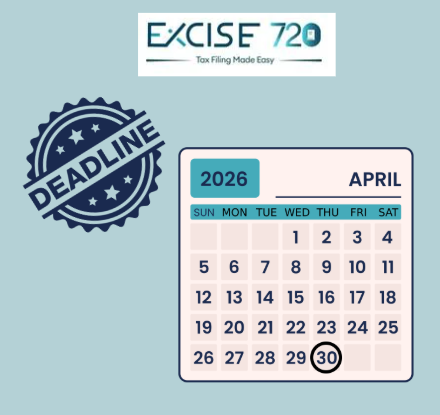
👉 That means your first quarter Form 720 must be filed by April 30, 2026.
Why the April 30 Deadline Matters
The April deadline is one of the most important tax dates for businesses dealing with excise taxes.
Here’s why you should take it seriously:
1. Avoid IRS Penalties
Late filing can result in penalties and interest. Even a short delay can cost your business money.
2. Stay Compliant
Excise taxes are closely monitored. Filing on time keeps your business in good standing.
3. Reduce Filing Errors
Rushing at the last minute increases the chances of mistakes — which can trigger audits or corrections.
Common Mistakes Businesses Make Before the Deadline
Many businesses struggle with Form 720, especially near the quarter-end deadline.
Here are common issues:
- Waiting until the last few days to file
- Confusion about applicable tax categories
- Incorrect calculations
- Missing required schedules or sections
These mistakes often lead to delays — and penalties.
What You Should Do Before April 30
To stay ahead of the deadline, follow these simple steps:
Gather Your Tax Data Early
Collect all relevant financial records and excise tax details for Q1.
Identify Applicable Taxes
Make sure you correctly determine which excise taxes apply to your business.
Double-Check Calculations
Accuracy is critical — small errors can create bigger issues later.
File Before the Deadline
Don’t wait until April 30. Filing early gives you time to fix errors if needed.
Why Businesses Prefer Filing Form 720 Online
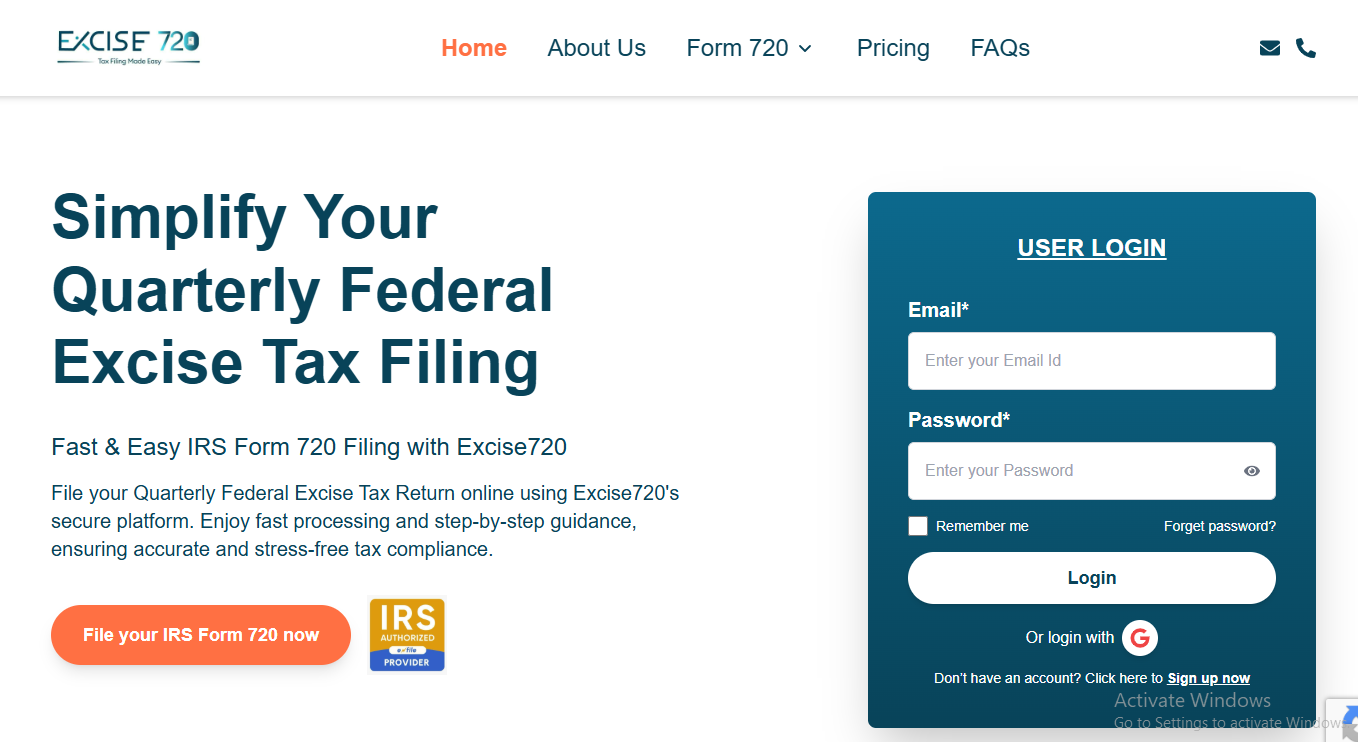
Manual filing can be time-consuming and confusing. That’s why many businesses are shifting to **online Form 720 filing platforms like Excise720**.
Benefits of e-filing:
- Faster processing
- Reduced errors
- Instant confirmation
- Secure submission
Instead of dealing with paperwork, you can complete your filing in minutes.
How Excise720 Makes Filing Easy
At **Excise720, the goal is simple — make Form 720 filing fast, accurate, and stress-free**.
What you get:
- Step-by-step guided filing
- Easy category selection
- Automatic calculations
- Secure IRS submission
- Reliable support when needed
Whether you’re filing once or managing multiple filings, the platform simplifies the entire process.
What Happens If You Miss the Deadline?
Missing the April 30 deadline doesn’t just delay your filing — it can create bigger problems:
- Late filing penalties
- Interest on unpaid taxes
- Increased risk of IRS notices
- Additional compliance burden
The longer you wait, the more it can cost your business.
Final Thoughts: Don’t Wait Until the Last Minute
The **Form 720 April quarter-end deadline is fixed — April 30.** Missing it is avoidable, but only if you act early.
Instead of rushing at the last minute:
- Prepare your data now
- Review your taxes
- File with confidence
👉 The smartest move? Use a reliable platform like Excise720 to complete your filing quickly and accurately.
FAQs
1. What is the deadline for Form 720 Q1?
The deadline is April 30 for the first quarter (January–March).
2. Is Form 720 filed monthly or quarterly?
Form 720 is filed quarterly, four times a year.
3. Can I file Form 720 online?
Yes, you can file electronically using IRS-authorized e-filing platforms like Excise720.
4. What happens if I file late?
You may face penalties, interest, and possible IRS notices.
5. Do I need to file if I have no tax liability?
In some cases, yes — depending on your business and IRS requirements.
메타데이터
- post_id
- 22c9db8c8cea
- slug
- form-720-april-deadline-what-businesses-must-know-before-quarter-end-filing-22c9db8c8cea
- url
- https://medium.com/@excise-720/form-720-april-deadline-what-businesses-must-know-before-quarter-end-filing-22c9db8c8cea
- canonical_url
- https://medium.com/@excise-720/form-720-april-deadline-what-businesses-must-know-before-quarter-end-filing-22c9db8c8cea
- author_url
- https://medium.com/@excise-720
- status
- ok
- fetched_at
- 2026-07-31 17:40:33