The Benefits of Waste-to-Energy in Solid Waste Management
In today’s world, solid waste management is one of the most pressing issues faced by urban and rural areas alike. As populations grow and…
The Benefits of Waste-to-Energy in Solid Waste Management
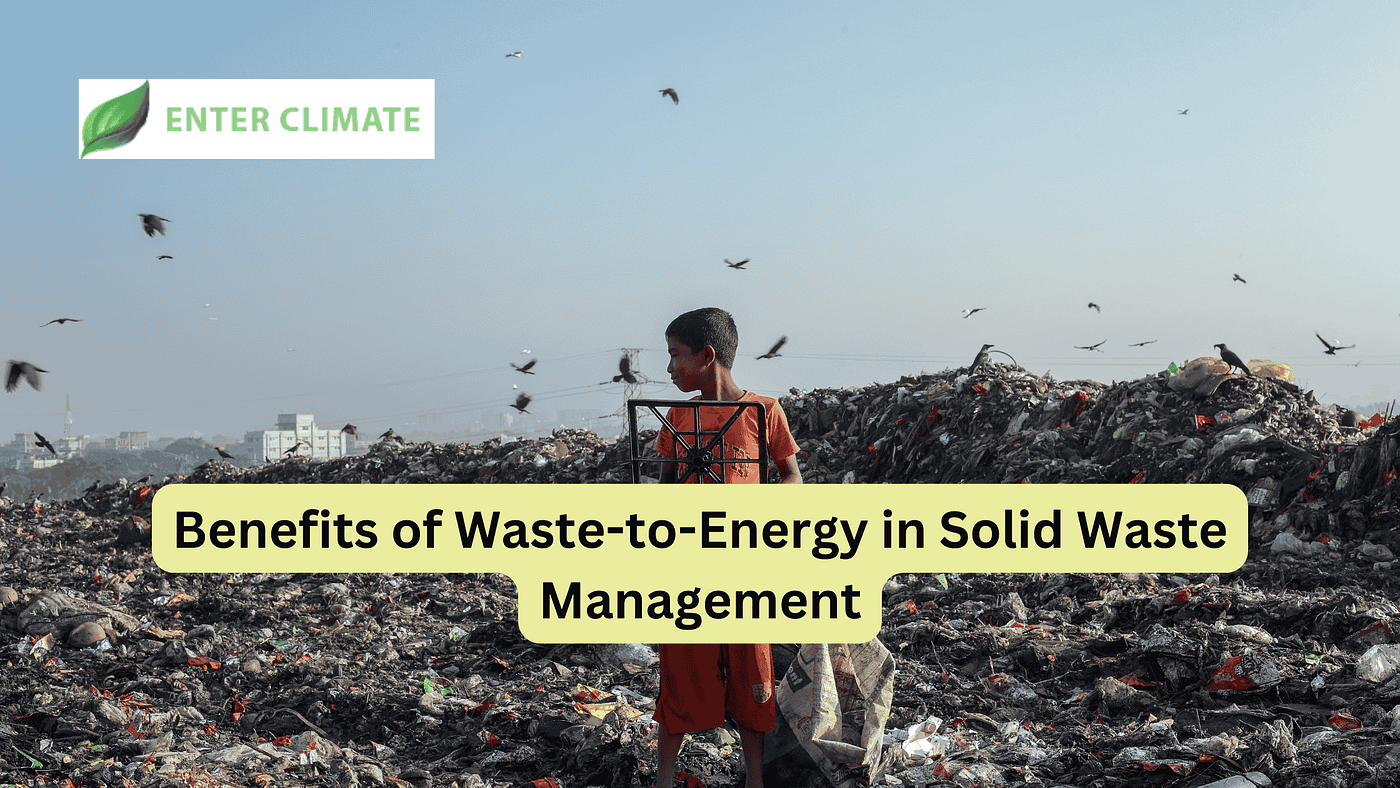
Benefits of Waste to Energy in Solid Waste Management
In today’s world, solid waste management is one of the most pressing issues faced by urban and rural areas alike. As populations grow and consumption increases, the amount of waste generated is rising at an alarming rate. Traditional waste management methods, such as landfilling and incineration, have long been the go-to solutions, but they come with their own set of environmental and logistical challenges. That’s where Waste-to-Energy (WTE) technologies come in. Waste-to-Energy is an innovative solution that has the potential to significantly improve solid waste management, reduce environmental impact, and provide a source of renewable energy.
In India, the need for efficient waste management solutions is particularly critical. With rapidly increasing urbanization and industrialization, managing the growing volumes of waste is becoming a complex challenge. However, the potential of Waste-to-Energy technologies could be a game-changer in addressing these issues, offering both environmental and economic benefits. This blog will explore the many advantages of Waste-to-Energy (WTE) in **solid waste management** and why it is an essential step toward sustainable waste management practices in India.
What is Waste-to-Energy?
Before we delve into the benefits, it’s important to understand what Waste-to-Energy is. WTE is the process of converting non-recyclable waste materials into usable energy, typically in the form of electricity, heat, or fuel. This process can be done through various technologies such as incineration, pyrolysis, gasification, and anaerobic digestion. The key advantage of WTE is that it helps reduce the volume of waste while simultaneously generating energy, making it a win-win solution for both waste management and energy production.
1. Reduction in Landfill Usage
One of the most significant benefits of Waste-to-Energy is the drastic reduction in the volume of waste that ends up in landfills. In India, landfills are already overflowing with waste, and many cities are running out of space for new landfill sites. Landfilling also leads to environmental issues such as leachate contamination and greenhouse gas emissions from decomposing waste.
By converting waste into energy, WTE technologies divert a significant portion of waste from landfills, drastically reducing their environmental impact. This is especially important in cities where waste generation is growing rapidly. Waste-to-Energy can play a crucial role in reducing the dependence on landfills, thus contributing to more sustainable urban planning and waste management practices.
2. Reduction in Greenhouse Gas Emissions
India is facing the challenges of both industrialization and climate change. One of the most concerning impacts of poor waste management is the emission of methane gas from landfills. Methane is a potent greenhouse gas that contributes significantly to global warming. However, Waste-to-Energy technologies can help mitigate this problem.
When waste is incinerated in WTE plants, methane emissions are avoided. In addition, many WTE plants are equipped with advanced filtration and scrubber systems that reduce the release of harmful pollutants into the atmosphere. Some WTE technologies, such as gasification, also produce synthetic gas (syngas), which can be used to generate electricity with fewer emissions compared to traditional fossil fuels. Thus, Waste-to-Energy plays a significant role in reducing India’s carbon footprint and aligning with its commitments to global climate agreements.
3. Energy Production from Waste
One of the most attractive features of Waste-to-Energy technologies is their ability to generate energy from waste. With India’s growing energy demands and a push for renewable energy sources, Waste-to-Energy presents a viable solution. WTE plants can produce electricity, heat, or even biofuels from non-recyclable waste, helping to reduce reliance on fossil fuels like coal and natural gas.
The energy produced can be used locally to power communities, industries, or even entire cities. In addition to reducing reliance on conventional energy sources, Waste-to-Energy helps diversify the country’s energy mix by adding renewable sources to the grid. This is especially important in areas where access to electricity is inconsistent and where renewable energy solutions are required.
4. Resource Recovery and Recycling
While Waste-to-Energy focuses on converting waste into energy, it also aids in resource recovery and recycling. WTE plants typically sort through waste and remove recyclable materials such as metals, plastics, and glass before they are processed for energy recovery. This allows these materials to be recycled separately, reducing the environmental impact of waste.
Moreover, certain WTE technologies like pyrolysis and gasification can convert organic waste into useful byproducts such as biochar, which can be used in agriculture to improve soil quality. This process ensures that valuable resources are not wasted, contributing to a circular economy where materials are reused, recycled, and repurposed.
5. Reduction of Air and Water Pollution
Solid waste management practices, particularly landfilling and open dumping, often lead to air and water pollution. Landfills emit harmful gases, including methane and other volatile compounds, which can contaminate nearby air and groundwater. In addition, open burning of waste is a major contributor to air pollution, especially in urban areas.
Waste-to-Energy technologies, on the other hand, are equipped with advanced pollution control systems that minimize the release of harmful gases and particulate matter. For example, modern WTE incineration plants use filters and scrubbers to clean exhaust gases before they are released into the atmosphere, reducing the pollution associated with waste treatment. By converting waste to energy, these technologies offer a cleaner alternative to traditional waste disposal methods.
6. Economic Benefits
Waste-to-Energy plants can also provide significant economic benefits. By converting waste into energy, these plants reduce the need to import fossil fuels, which can be expensive and volatile in terms of pricing. In addition, WTE plants create jobs in construction, operation, and maintenance, providing employment opportunities for local communities.
Furthermore, WTE technologies offer a potential source of income for municipalities. By charging waste producers, local governments can generate revenue, helping to finance waste management operations and create a sustainable funding model for waste processing infrastructure.
7. Encourages Waste Minimization and Sustainable Practices
Waste-to-Energy is not just a technology; it also encourages sustainable waste management practices. WTE plants promote waste minimization at the source, encouraging industries and households to reduce, reuse, and recycle more. By providing an outlet for non-recyclable waste, Waste-to-Energy technologies motivate people to recycle more effectively and rethink their waste management practices.
Additionally, these technologies support a circular economy by creating value from waste. As the WTE industry grows, there will be an increasing demand for more sustainable products, materials, and packaging that can reduce the amount of waste generated in the first place.
Conclusion
Waste-to-Energy technologies offer a wide array of benefits for solid waste management in India. They not only help reduce the amount of waste sent to landfills but also produce renewable energy, reduce greenhouse gas emissions, and promote sustainable waste management practices. As India faces the challenges of urbanization and growing waste volumes, Waste-to-Energy provides a sustainable solution that can contribute to both environmental protection and economic development.
By investing in and promoting Waste-to-Energy, India can significantly improve its waste management infrastructure, reduce its carbon footprint, and make a positive contribution to global sustainability goals. It’s time to move toward a cleaner, greener future — one where waste is not just discarded but transformed into valuable resources for our communities and our planet.
메타데이터
- post_id
- 22d7aae04070
- slug
- the-benefits-of-waste-to-energy-in-solid-waste-management-22d7aae04070
- url
- https://medium.com/@trigitalsolutionsagency/the-benefits-of-waste-to-energy-in-solid-waste-management-22d7aae04070
- canonical_url
- https://medium.com/@trigitalsolutionsagency/the-benefits-of-waste-to-energy-in-solid-waste-management-22d7aae04070
- author_url
- https://medium.com/@trigitalsolutionsagency
- status
- ok
- fetched_at
- 2026-08-05 00:36:06



