Why Kubernetes Security Posture Management (KSPM) is critical for modern security & networking…
Kubernetes has quietly become the backbone of cloud-native enterprises over the past few years. But as we’ve learned while working with…
Why Kubernetes Security Posture Management (KSPM) is critical for modern security & networking companies
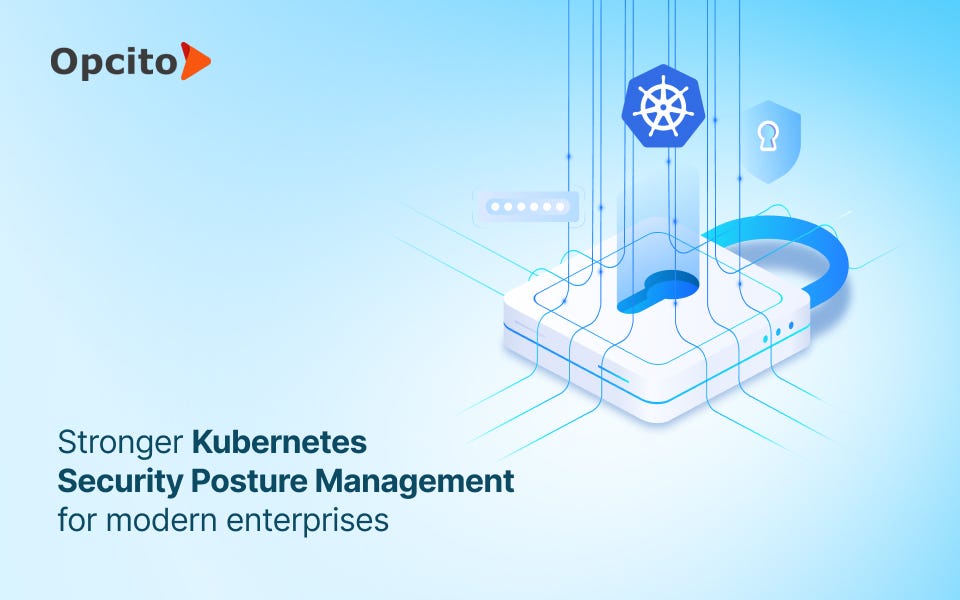
cloud-native Kubernetes security posture overview
Kubernetes has quietly become the backbone of cloud-native enterprises over the past few years. But as we’ve learned while working with fintech and security organizations, the most significant risks don’t usually come from exotic zero-day exploits. They arise from misconfigurations, overlooked permissions, and unnoticed security gaps during fast development cycles.
That’s why Kubernetes Security Posture Management (KSPM) is quickly becoming the standard for protecting modern Kubernetes environments. For companies where every minute of downtime or data exposure can result in significant financial and reputational consequences, getting KSPM right is crucial.
What KSPM really means
Most articles explain KSPM in theory. But in practice, posture management only delivers value when it addresses the day-to-day realities of Kubernetes. Here’s how I see it:
- Configuration hardening that lasts: It’s not enough to pass CIS benchmarks once. Secure configurations must withstand rolling updates, new deployments, and scaling events to ensure resilience.
- Policy enforcement built into CI/CD: Guardrails that developers can sidestep don’t protect anyone. KSPM must be wired directly into pipelines, ensuring security is built-in, not bolted on.
- Compliance that moves at cloud speed: Annual audits don’t cut it in Kubernetes. Compliance checks must run continuously, in sync with the rate at which workloads are deployed.
- Runtime monitoring that cuts through noise: Hundreds of pods can appear and disappear in minutes. KSPM should filter the noise, surface only what matters, and point teams straight to the risk.
- Remediation that’s automated and fast: Identifying a misconfiguration is the first step. The real impact comes from fixing it quickly, ideally before it ever reaches production.
That’s why Opcito integrates KSPM into our DevOps Security services, combining secure pipelines, continuous compliance, and automated remediation to help enterprises protect Kubernetes environments without slowing down delivery.
A framework for KSPM success
From what we’ve seen working with enterprises across fintech and cybersecurity, the most effective KSPM strategies share a few common traits:
- Define security priorities with business context: Not all risks are equal. For a fintech firm, PCI-DSS and transaction integrity are often top priorities. For a security vendor, tenant isolation and customer trust are paramount. The framework starts by mapping technical risks to business-critical outcomes.
- Automate scanning and checks continuously: Quarterly scans won’t cut it in Kubernetes. Misconfigurations can appear and disappear in hours. Continuous, automated scanning ensures that vulnerabilities are identified and addressed before they escalate into incidents.
- Integrate alerts into everyday workflows: Security only works when it reaches the right people in the right way. Developers need actionable context to fix issues quickly, while security teams require visibility without being overwhelmed by noise.
- Close the loop with automated remediation: Real security impact comes from fast fixes. Automated rollbacks, policy enforcement, and self-healing configurations significantly reduce the mean time to remediate.
Compliance as a starting point, not the finish line
Many organizations treat compliance benchmarks, such as CIS or NIST, as the ultimate goal. In reality, passing an audit only proves you were secure at one point in time. In Kubernetes, posture drifts constantly. The real question is, ‘can you maintain compliance automatically, at scale, every day?’
Who needs KSPM the most?
While every Kubernetes-driven organization benefits from stronger security posture, KSPM has become mission-critical in two categories we work with most often:
- Security companies: These are organizations where customer trust is everything:
- Cybersecurity vendors protecting enterprise systems……Read more
메타데이터
- post_id
- 22eedb027cc4
- slug
- why-kubernetes-security-posture-management-kspm-is-critical-for-modern-security-networking-22eedb027cc4
- url
- https://medium.com/@opcitotechnologies/why-kubernetes-security-posture-management-kspm-is-critical-for-modern-security-networking-22eedb027cc4
- canonical_url
- https://medium.com/@opcitotechnologies/why-kubernetes-security-posture-management-kspm-is-critical-for-modern-security-networking-22eedb027cc4
- author_url
- https://medium.com/@opcitotechnologies
- status
- ok
- fetched_at
- 2026-06-18 00:10:23