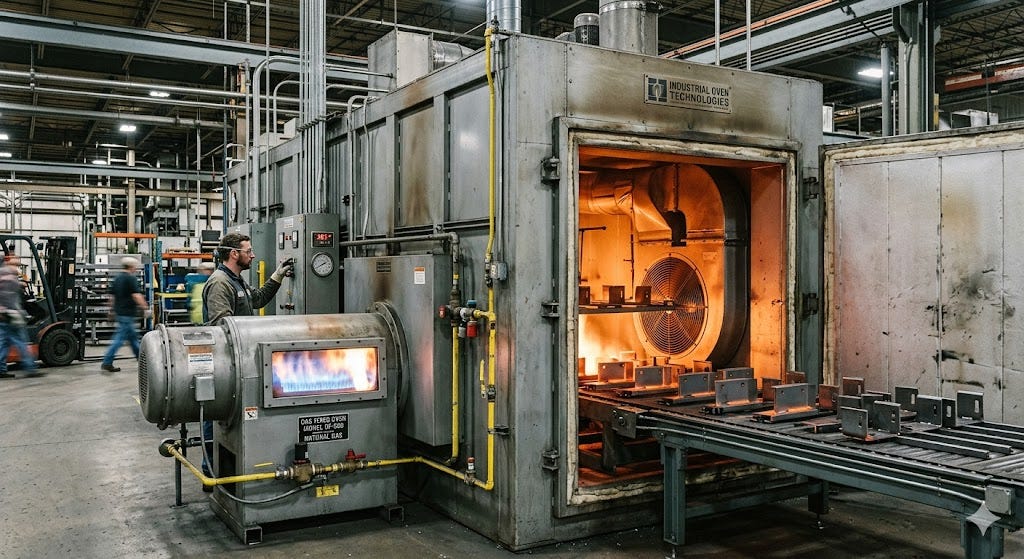
Industrial Drying Ovens: The Ultimate Guide to Efficient Thermal Processing
In the world of large-scale manufacturing, moisture is often the silent enemy of quality. Whether it’s a batch of pharmaceutical granules…
Industrial Drying Ovens: The Ultimate Guide to Efficient Thermal Processing
In the world of large-scale manufacturing, moisture is often the silent enemy of quality. Whether it’s a batch of pharmaceutical granules that won’t compress, powder-coated automotive parts that bubble, or electronic components prone to delamination, the culprit is almost always inadequate moisture control. For businesses striving for excellence, “good enough” heating isn’t an option. You need a system that ensures uniformity, repeatability, and energy efficiency.
This is where high-performance **industrial drying ovens become the backbone of your production line. These systems are not merely heated boxes; they are precision instruments designed to extract moisture while maintaining the structural and chemical integrity of the product. If your facility is currently battling uneven drying cycles, high energy bills, or frequent product rejections, it is time to evaluate your thermal processing strategy. At GBM Industries**, we understand that a drying oven is a long-term investment in your brand’s reputation for quality.

Industrial Drying Ovens: The Ultimate Guide to Efficient Thermal Processing
What are Industrial Drying Ovens at GBM Industries?
An industrial drying oven is a heated chamber used to remove moisture from various materials, parts, or products. Unlike standard heating systems, these ovens utilize forced air convection to ensure that every square inch of the load is exposed to a consistent temperature.
At GBM Industries, we have re-engineered the traditional drying process. While many off-the-shelf models suffer from “cold spots” or “heat pockets,” our designs focus on aerodynamic precision. We solve the most common industrial hurdles:
- Moisture Removal Issues: By utilizing high-velocity fans and balanced exhaust systems, we ensure moisture is not just evaporated but effectively removed from the chamber.
- Inconsistent Drying: Our ovens feature multi-point airflow distribution, ensuring that the product at the bottom of the rack dries exactly like the product at the top.
- Energy Loss: Through high-density mineral wool insulation and precision-sealed door gaskets, we minimize thermal leakage, ensuring your utility bills stay low even during 24/7 operations.
The Business Advantages of High-Performance Drying
Investing in a premium industrial drying oven offers more than just “dry parts.” it offers a competitive edge in several key areas:
- Superior Product Quality: Uniform heat distribution prevents “case hardening,” where the outside of a product dries and cracks while the inside remains damp.
- Reduced Defects: Controlled moisture removal eliminates the risk of mold, corrosion, or chemical instability in finished goods.
- Enhanced Energy Efficiency: Modern ovens are designed with recirculating air systems that reuse heated air, significantly cutting down on the fuel or electricity required for a cycle.
- Accelerated Production Cycles: Faster evaporation rates mean shorter cycle times, allowing you to increase your daily throughput without expanding your floor space.
- Multi-Purpose Versatility: Beyond simple drying, these ovens can often be used for pre-heating, aging, or sterilization, providing a better return on investment.
Key Factors to Consider Before Your Purchase
Choosing the right oven is a balance between your current needs and future scalability. Before placing an order, evaluate these six critical factors:
1. Temperature Range and Control
Not all drying processes are equal. Drying timber requires a different thermal profile than drying delicate electronic sensors. Ensure the oven offers a temperature range that exceeds your maximum requirement by at least 20% to avoid running the heaters at 100% capacity constantly.
2. Heating Source
Depending on your facility’s infrastructure, you might choose:
- Electric: Clean, precise, and easy to maintain; ideal for pharma and electronics.
- Gas (LPG/Natural Gas): Often more cost-effective for high-volume, high-temperature industrial applications.
- Diesel: Common in areas where electricity or gas infrastructure is limited.
3. Chamber Size and Load Configuration
Consider your batch sizes. A chamber that is too large wastes energy, while one that is too small creates a bottleneck. Factor in the space needed for trolleys, trays, or racks to ensure proper airflow around the product.
4. Airflow Patterns
Horizontal airflow is best for products on solid trays, while vertical airflow is ideal for hanging parts or items on mesh screens. As a leading industrial drying oven manufacturer in India, we specialize in customizing airflow to match your specific loading pattern.
5. Material Compatibility
If you are drying corrosive materials or chemicals, the internal liner must be made of high-grade stainless steel (SS 304 or SS 316) to prevent rust and contamination.
Features That Define a High-Quality Oven
When comparing quotes, look beyond the price tag. The following features dictate the “Total Cost of Ownership”:
- Uniform Hot Air Circulation: Look for powerful centrifugal blowers that provide high air-exchange rates.
- Digital PID Controllers: These provide precise temperature management, often within ±1°C, preventing overshooting and product damage.
- Safety Systems: High-temperature cut-off switches, explosion-relief panels (for volatile solvents), and door-limit switches are non-negotiable for worker safety.
- Heavy-Duty Construction: A double-walled structure with a powder-coated exterior ensures the oven survives the rigors of a busy factory floor.
Common Problems with Low-Quality Ovens
Lower-priced ovens often end up being the most expensive due to hidden failures. Common issues include:
- Uneven Drying: Leading to “wet spots” that compromise the entire batch.
- Poor Insulation: Making the workshop uncomfortably hot and driving up electricity costs.
- Mechanical Failure: Low-quality motors and heating elements that burn out under continuous use.
As a dedicated industrial drying oven manufacturer in India, we eliminate these risks by using industrial-grade components and rigorous testing protocols before shipment.
Why GBM Industries is the Strategic Choice
We don’t just sell ovens; we provide thermal solutions. Choosing us means opting for:
- Optimized Efficiency: Our ovens are engineered to achieve set temperatures 20% faster than industry averages.
- Custom Engineering: Whether you need a walk-in oven for automotive frames or a compact benchtop model for a lab, we tailor the dimensions and heating capacity to you.
- Lower Operational Costs: Through intelligent heat recovery systems and precision controls, we help you lower your carbon footprint and your expenses.
Drying Ovens vs. Other Heating Systems
It is vital to distinguish a drying oven from its cousins in the thermal family:
- Drying Oven vs. Curing Oven: A drying oven focuses on removing moisture/solvents. A curing oven facilitates a chemical reaction (like hardening a resin or powder coating).
- Drying Oven vs. Hot Air Oven: While similar, “hot air ovens” are often smaller units used for sterilization in medical or lab settings, whereas industrial drying ovens handle high-volume, moisture-heavy industrial loads.
Industrial Applications: Where Precision Meets Production
Our high-performance drying ovens serve a massive spectrum of sectors:
- Pharmaceuticals: Drying granules and powders under strict hygienic conditions.
- Food Processing: Dehydrating fruits, vegetables, and grains while preserving nutritional value.
- Electronics: Removing moisture from PCBs before soldering to prevent “popcorning” defects.
- Automotive & Aerospace: Drying parts after washing or before painting to ensure perfect adhesion.
- Textiles: Setting dyes and removing moisture from heavy fabrics.
Your Step-by-Step Buying Process
- Define Your Metrics: Know your required temperature, the volume of moisture to be removed, and your cycle time goals.
- Consult with Experts: Speak to our engineers at GBM Industries to determine the best airflow and heating source for your specific material.
- Review Specifications: Compare the insulation thickness, motor power, and controller features.
- Installation & Support: Ensure your manufacturer provides clear installation guidelines and responsive after-sales service.
Frequently Asked Questions
1. What is an industrial drying oven primarily used for?
It is used to remove water or solvents from a product via forced convection. This is essential for preparing materials for the next stage of manufacturing or ensuring the stability of a finished product.
2. How much power does a typical oven consume?
Consumption varies based on the heating source (electric vs. gas) and the insulation quality. A well-insulated oven with a recirculating air system can reduce power consumption by up to 30% compared to older, vented models.
3. Which heating type is best: Electric or Gas?
Electric is best for precision and clean environments. Gas is generally more economical for very large chambers or high-temperature processes where fuel cost is a major factor.
4. What is the expected lifespan of these ovens?
With proper maintenance, a high-quality oven from a reputable manufacturer can easily last 15 to 20 years in a demanding industrial environment.
Conclusion: Elevate Your Production Standards
The efficiency of your drying process directly impacts your bottom line. Inconsistent drying leads to waste, and inefficient heating leads to overheads that eat into your profits. By choosing a high-quality industrial drying oven, you are investing in the reliability of your entire production chain.
At **GBM Industries**, we pride ourselves on building thermal solutions that stand the test of time and the rigors of modern industry. Don’t let moisture compromise your quality — upgrade to a system designed for precision, speed, and durability. Contact our team today to discuss your custom drying requirements.
메타데이터
- post_id
- 23039af035e6
- slug
- industrial-drying-ovens-the-ultimate-guide-to-efficient-thermal-processing-23039af035e6
- url
- https://medium.com/@famousplace856/industrial-drying-ovens-the-ultimate-guide-to-efficient-thermal-processing-23039af035e6
- canonical_url
- https://medium.com/@famousplace856/industrial-drying-ovens-the-ultimate-guide-to-efficient-thermal-processing-23039af035e6
- author_url
- https://medium.com/@famousplace856
- status
- ok
- fetched_at
- 2026-06-09 15:37:30