From Tool Calling to Execution Routing: The Technical Layer SaaS Agents Need Next
Most SaaS teams begin agent development by exposing a few APIs as tools. The agent receives a user request, selects a tool, passes…
From Tool Calling to Execution Routing: The Technical Layer SaaS Agents Need Next
Most SaaS teams begin agent development by exposing a few APIs as tools. The agent receives a user request, selects a tool, passes structured input, waits for the result, and returns a response to the user. For simple tasks, this approach is practical and useful. It works well for read-only queries, status checks, summaries, search actions, and low-risk updates where the business logic is straightforward.
The challenge appears when an agent has to operate inside real SaaS workflows. A SaaS workflow is rarely a single function call. It often depends on user permissions, object state, customer type, billing status, contract terms, approval policies, audit requirements, and recovery paths. An agent may understand what the user wants, but that does not automatically mean the requested action is valid, safe, or ready to execute.
This is where SaaS agents need to move from tool calling to execution routing.

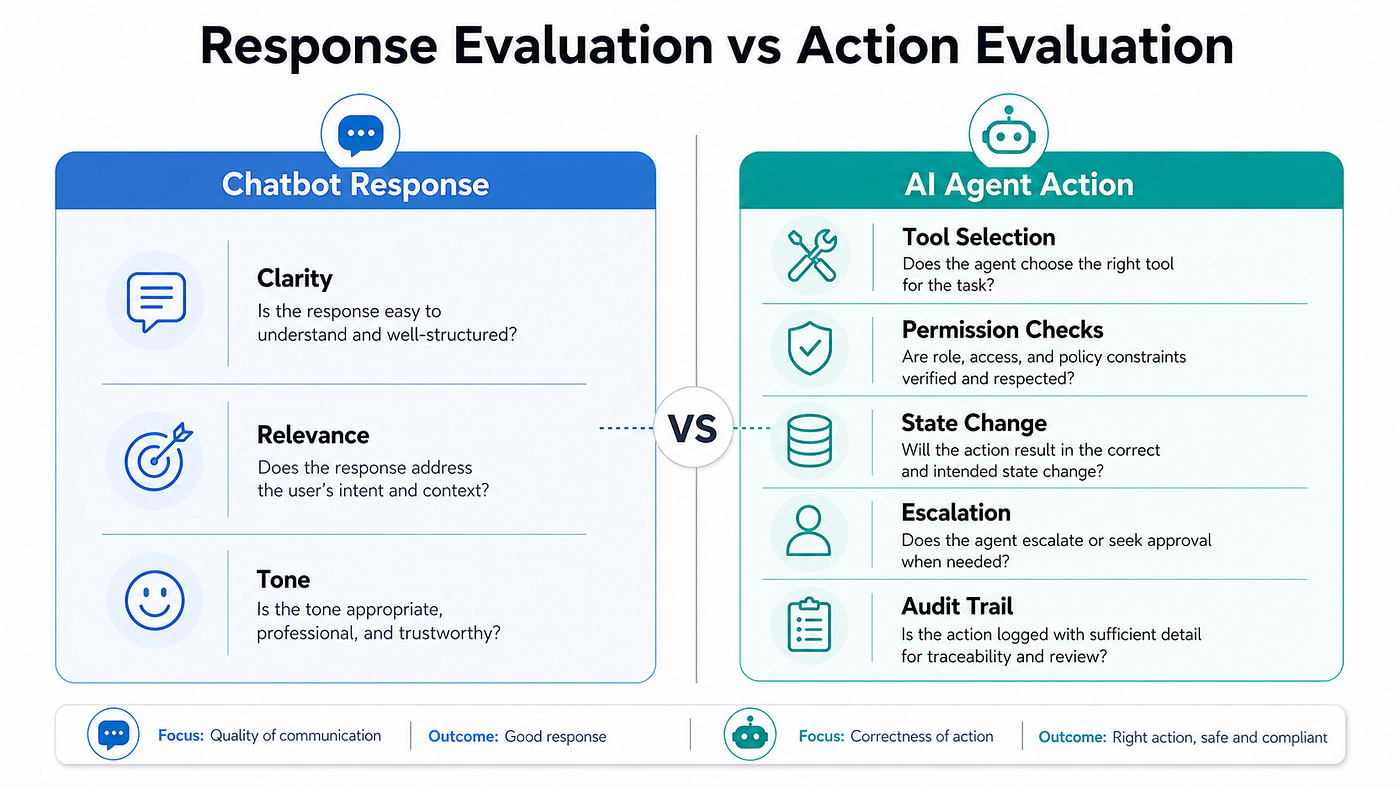
Tool calling answers a narrow technical question. It asks which tool should be used for a request. Execution routing asks a broader operational question. It decides whether the action should happen, how it should happen, which system path should be used, and what control checks must be applied before execution.
That difference becomes important as SaaS products move from AI assistants toward agentic product experiences. A simple assistant can answer questions about a product. A tool-calling agent can perform predefined actions. An execution-routed agent can operate within the rules of the product, because execution is controlled by the system rather than left only to the model.
Why direct tool calling becomes risky
Direct tool calling is not wrong. It is a necessary starting point for agent systems. The issue is that direct tool calling becomes too narrow when the agent starts affecting real accounts, payments, permissions, customer records, operational workflows, or internal admin processes.
Consider a billing downgrade request. A user may ask an agent to downgrade an account. A basic tool-calling setup may expose a function called downgradePlan. If the agent identifies the user’s request correctly, it may call that function and return the result. In a demo, this looks smooth. In production, it can create problems.
The system may need to know whether the user has billing permission. It may need to check whether the account is under contract. It may need to inspect whether the downgrade removes features currently used by active team members. It may need to confirm whether the downgrade should happen immediately, be scheduled for renewal, or be approved by an admin. It may also need to create an audit trail so the company can review what happened later.
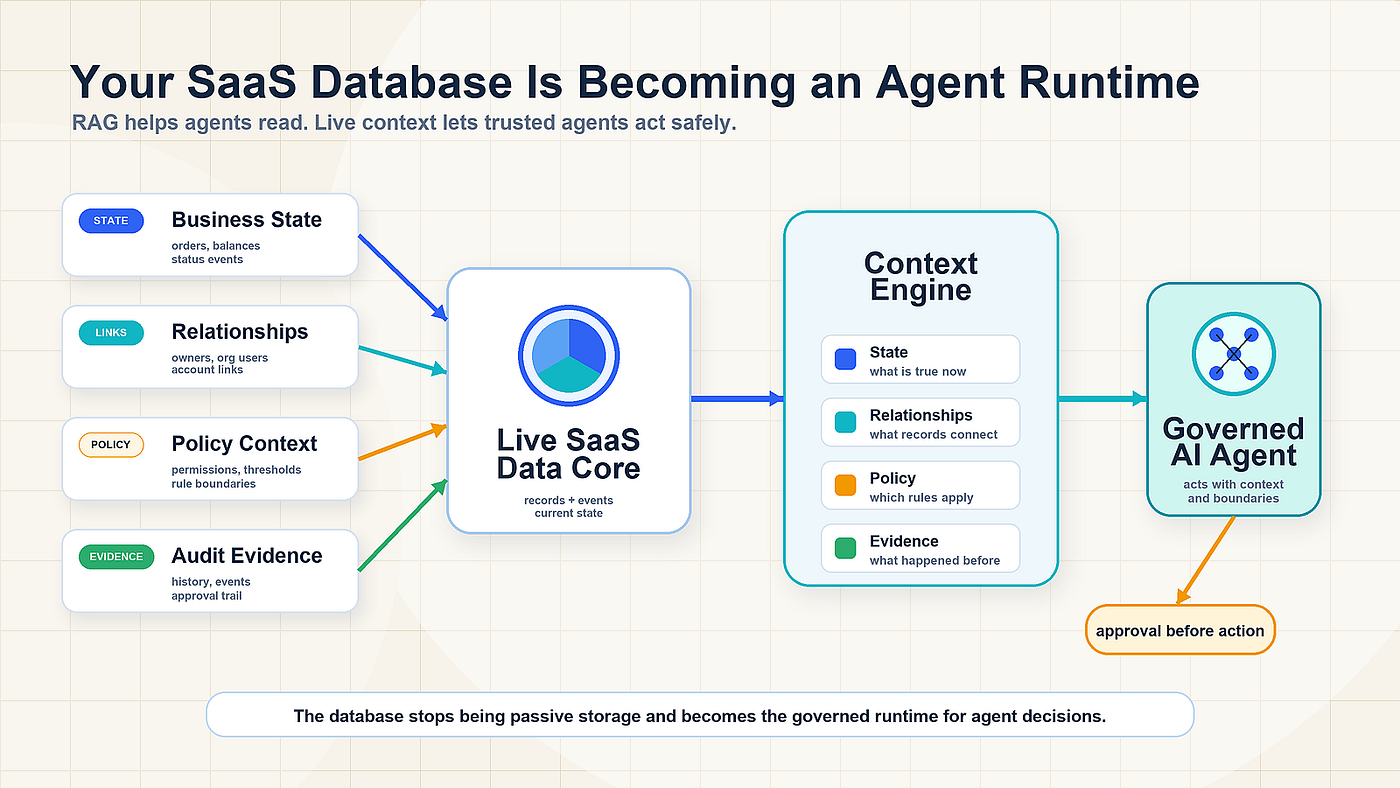
These checks should not live only inside a prompt. Prompts can guide behavior, but they are not a reliable enforcement layer for product rules. SaaS products already have structured rules, states, permissions, and policies. Agent execution should respect those systems instead of bypassing them.
Execution routing introduces a controlled layer between agent intent and system action. The agent can understand the user’s request, but the router decides the actual execution path.
What an execution router does
An execution router is the technical layer that receives agent intent and maps it to the right execution path. It does not replace tools. It organizes and controls them.
The router can check whether the action exists, whether the current user is allowed to perform it, whether the target object is in the right state, whether the action is low-risk or high-risk, whether human approval is required, and whether the system should execute, draft, escalate, or block the action.
In a production SaaS product, the same user intent may need different routes depending on context. A support user may be allowed to view billing details but not change a plan. An account admin may be allowed to downgrade a subscription but only after acknowledging feature loss. An enterprise account may require contract review before any downgrade. A trial account may allow immediate plan change with no human approval.
The user request may look the same in natural language, but the execution route should be different.

The core value of the router is that it separates reasoning from execution control. The model can interpret intent and help plan the next step. The product system should decide what can actually happen. That separation is important for any SaaS team building agents into workflows that affect customers, revenue, access, compliance, or operational records.
A useful router should connect to an action registry so it knows which actions are available. It should check state so actions do not run against the wrong object condition. It should apply permissions so users cannot perform actions outside their role. It should evaluate risk so sensitive operations receive stronger controls. It should use approval gates when actions need review. It should also create a trace log so teams can understand why a route was selected.
Without that trace, debugging agent behavior becomes difficult. A team may know that the agent performed an action, but not why that action was allowed, what checks were applied, or which policy decision influenced the result. With routing, the execution path becomes visible.
APIs, MCP, and UI automation need the same control layer
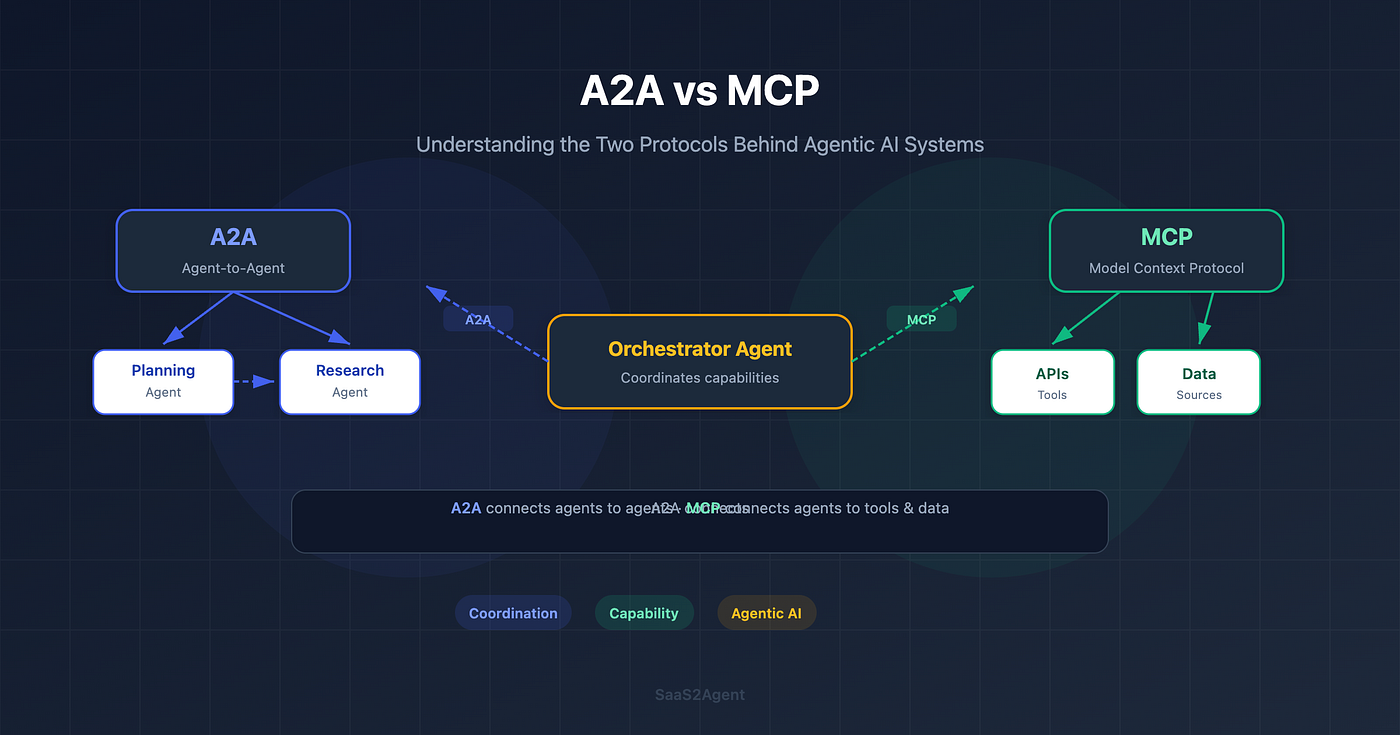
SaaS agents will not execute everything through one method. APIs are still the cleanest path when a product has well-defined backend actions. MCP can help expose tools, data, and external system capabilities through a standard interface. UI automation becomes useful when workflows still live inside dashboards, admin panels, or legacy systems that do not expose reliable APIs.
These paths should not be treated as separate agent strategies. They should sit behind one execution layer.
If an agent needs to resolve a support issue, it may use MCP to retrieve ticket context, an API to check account data, UI automation to operate an older billing screen, and an approval gate before performing a sensitive update. The user experiences one agentic workflow, but the backend may use multiple execution methods.
This is why execution routing is becoming a practical architectural concern. The agent should not simply decide that one tool looks useful. It should send intent into a controlled system that can select the safest and most appropriate route.
A simple downgrade workflow
A downgrade request is a useful example because it looks simple from the user’s side but contains many hidden product rules.
A user may say that they want to move to a lower plan. The AI agent can identify the intent as a downgrade request. The execution router then takes over and checks the required conditions. It verifies billing permission, account state, contract rules, feature usage, and approval policy. Based on those checks, it chooses the next path.
If the request is low-risk and fully allowed, the router can execute the downgrade. If more information is needed, it can prepare a draft. If the action affects billing ownership or contract terms, it can ask for admin approval. If the request is complex or risky, it can escalate the case to a human team.

This flow shows why execution routing is more than a technical abstraction. It is how the SaaS product protects itself while still allowing agents to help users get work done. The agent remains useful, but it does not become an uncontrolled operator.
Why SaaS teams should design this layer early
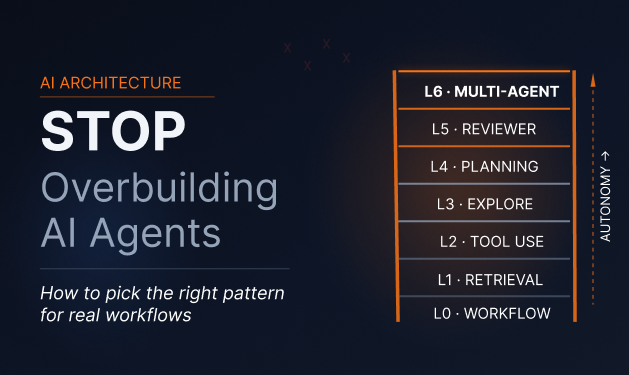
Many agent projects begin with a narrow proof of concept. A team connects a model to a few APIs, tests happy paths, and shows that the agent can complete a task. This is a reasonable first step. The issue comes when the same pattern is expanded into broader product workflows without adding stronger execution control.
Edge cases appear quickly. Users ask for actions they are not allowed to perform. Accounts have unusual states. Contract terms override standard billing logic. API calls fail midway. Approval requirements differ by customer segment. The product needs traceability after something changes. These are not model problems alone. They are product architecture problems.
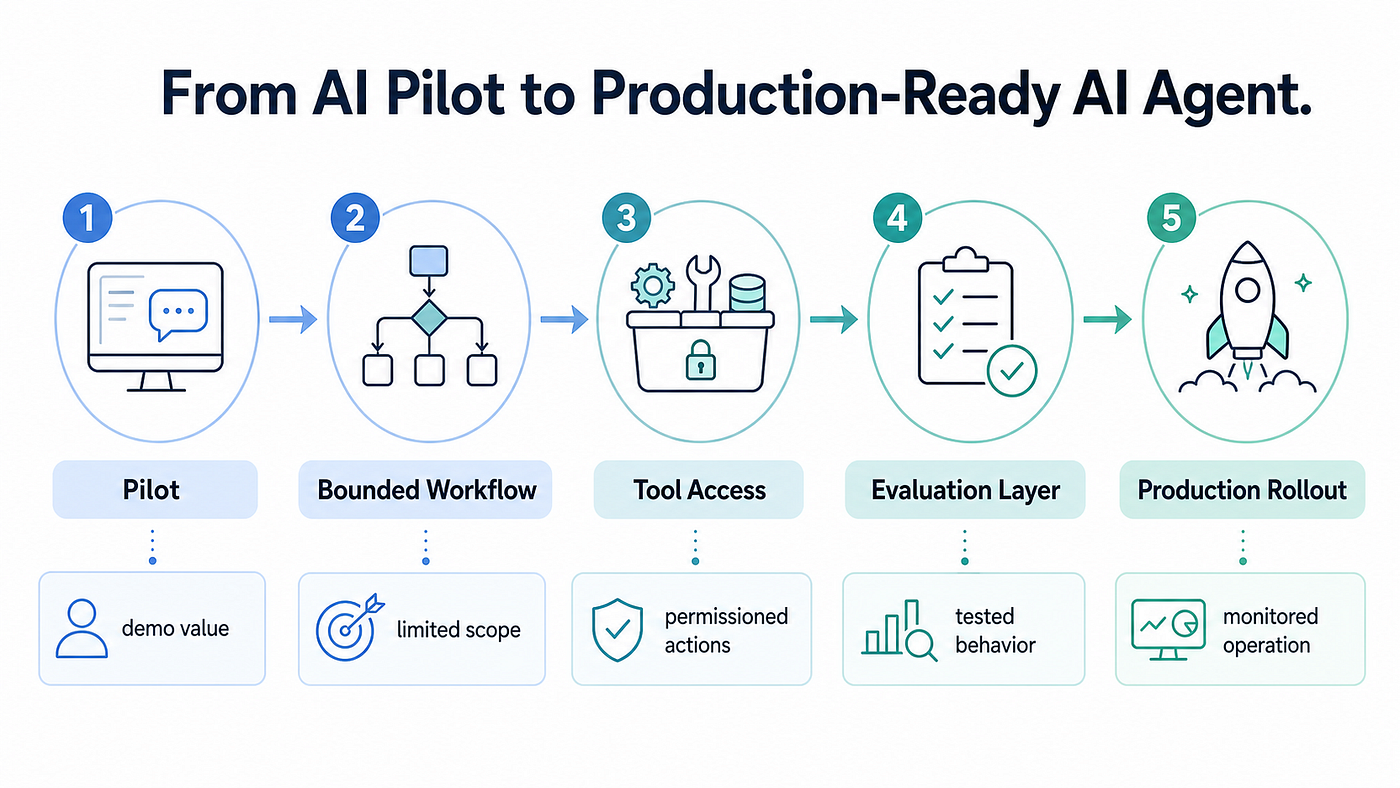
Execution routing gives SaaS teams a way to start small without creating future risk. A workflow can begin as read-only. Later, the system can allow draft actions. After that, it can support supervised execution. Only after enough evidence exists should certain actions become fully autonomous. The router gives the team a controlled way to move through these stages.
At SaaStoAgent, we pay close attention to shifts like this because execution routing is where SaaS agents move from controlled demos into real product operations. The challenge is no longer just whether an agent can understand a request or call a tool. The real test is whether it can choose the right execution path, respect permissions, check workflow state, request approval when needed, and leave behind a trace that product and operations teams can review.
For SaaS companies, this is the layer that connects AI capability with operational trust. Better models will make agents more capable, and protocols like MCP will make systems easier to connect, but production-grade agentic SaaS will still need a controlled execution layer between user intent and product action.
The next phase of SaaS-to-agent transformation will not be defined only by how many tools an agent can call. It will be defined by how safely the product can convert user intent into valid action. Tool calling helped teams prove that agents can interact with software. Execution routing is what helps agents operate inside software without bypassing the rules that make the product safe, auditable, and usable in real workflows.
메타데이터
- post_id
- 233259cff6ff
- slug
- from-tool-calling-to-execution-routing-the-technical-layer-saas-agents-need-next-233259cff6ff
- url
- https://medium.com/saastoagent/from-tool-calling-to-execution-routing-the-technical-layer-saas-agents-need-next-233259cff6ff
- canonical_url
- https://medium.com/saastoagent/from-tool-calling-to-execution-routing-the-technical-layer-saas-agents-need-next-233259cff6ff
- author_url
- https://medium.com/@shashanksaraswat_88982
- status
- ok
- fetched_at
- 2026-06-11 10:13:20