Next.js
* Introduction
Next.js

* Introduction
Web development has evolved rapidly over the past few years, and developers are constantly searching for tools that improve performance, scalability, and developer experience. One framework that has gained massive popularity is Next.js. Built on top of React, Next.js provides powerful features such as server-side rendering, static site generation, API routes, and optimized performance.
In this blog, we’ll explore what Next.js is, its key features, advantages, and why developers and companies prefer it for modern web applications.
* What is Next.js?
Next.js is an open-source React framework developed by Vercel. It helps developers build full-stack web applications with ease. Unlike plain React applications, Next.js includes built-in features for routing, rendering, image optimization, and backend functionality.
It is widely used for:
- Business websites
- E-commerce platforms
- Dashboards
- Blogs and CMS systems
- Enterprise applications
- SEO-friendly websites
* Key Features of Next.js
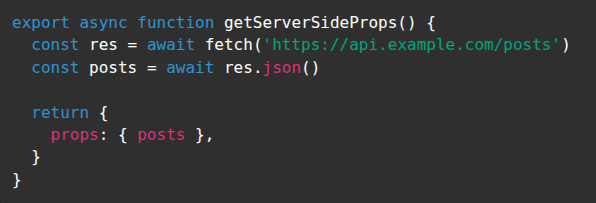
1. Server-Side Rendering (SSR)
Next.js can render pages on the server before sending them to the browser. This improves:
- SEO performance
- Faster page loading
- Better user experience
Example:
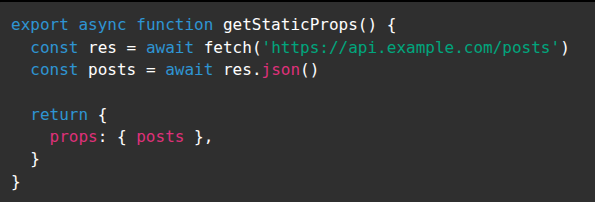
2. Static Site Generation (SSG)
Pages can be generated at build time, making websites extremely fast.
Benefits:
- High performance
- Better scalability
- Reduced server load
Example:
3. File-Based Routing
Next.js automatically creates routes based on the file structure inside the pages or app directory.
Example:

This simplifies navigation and reduces configuration.
4. API Routes
Next.js allows developers to create backend APIs inside the same project.
Example:

Benefits:
- No separate backend required
- Faster development
- Easy integration
5. Image Optimization
The built-in next/image component automatically optimizes images for better performance.
Example:

Advantages:
- Faster loading
- Responsive images
- Automatic lazy loading
6. Fast Refresh
Developers can instantly see changes during development without losing application state.
This improves productivity and debugging speed.
* Why Developers Love Next.js
* SEO Friendly
Unlike traditional React apps, Next.js improves search engine visibility through server-side rendering and static generation.
* Excellent Performance
Next.js optimizes JavaScript, images, and rendering automatically.
* Full-Stack Capability
Frontend and backend can exist in a single project.
* Easy Deployment
Deploying applications with platforms like Vercel is simple and fast.
* Scalable Architecture
Suitable for small projects and large enterprise applications.
* Popular Companies Using Next.js
Many global companies use Next.js for their applications:
- Netflix
- TikTok
- Twitch
- Hulu
- Nike
- Notion
These companies choose Next.js because of its speed, scalability, and developer experience.
* Getting Started with Next.js
>> Install a new Next.js application using:

>> Run the development server:

>> Open:

* Conclusion:
Next.js has become one of the most powerful frameworks for modern web development. Its combination of performance, SEO optimization, developer-friendly features, and full-stack capabilities makes it an excellent choice for both beginners and experienced developers.
Whether you are building a simple blog or a large-scale enterprise application, Next.js provides the tools needed to create fast, scalable, and professional web applications.
If you are already familiar with React, learning Next.js is a natural and valuable next step in your web development journey.
메타데이터
- post_id
- 236a7821e49c
- slug
- next-js-236a7821e49c
- url
- https://medium.com/@aasith32/next-js-236a7821e49c
- canonical_url
- https://medium.com/@aasith32/next-js-236a7821e49c
- author_url
- https://medium.com/@aasith32
- status
- ok
- fetched_at
- 2026-06-09 21:21:26