Why Jordan 4 Netting Turns Yellow (And How to Fix It)
Few sneakers look cleaner than a fresh pair of white Jordan 4s.
Why Jordan 4 Netting Turns Yellow (And How to Fix It)
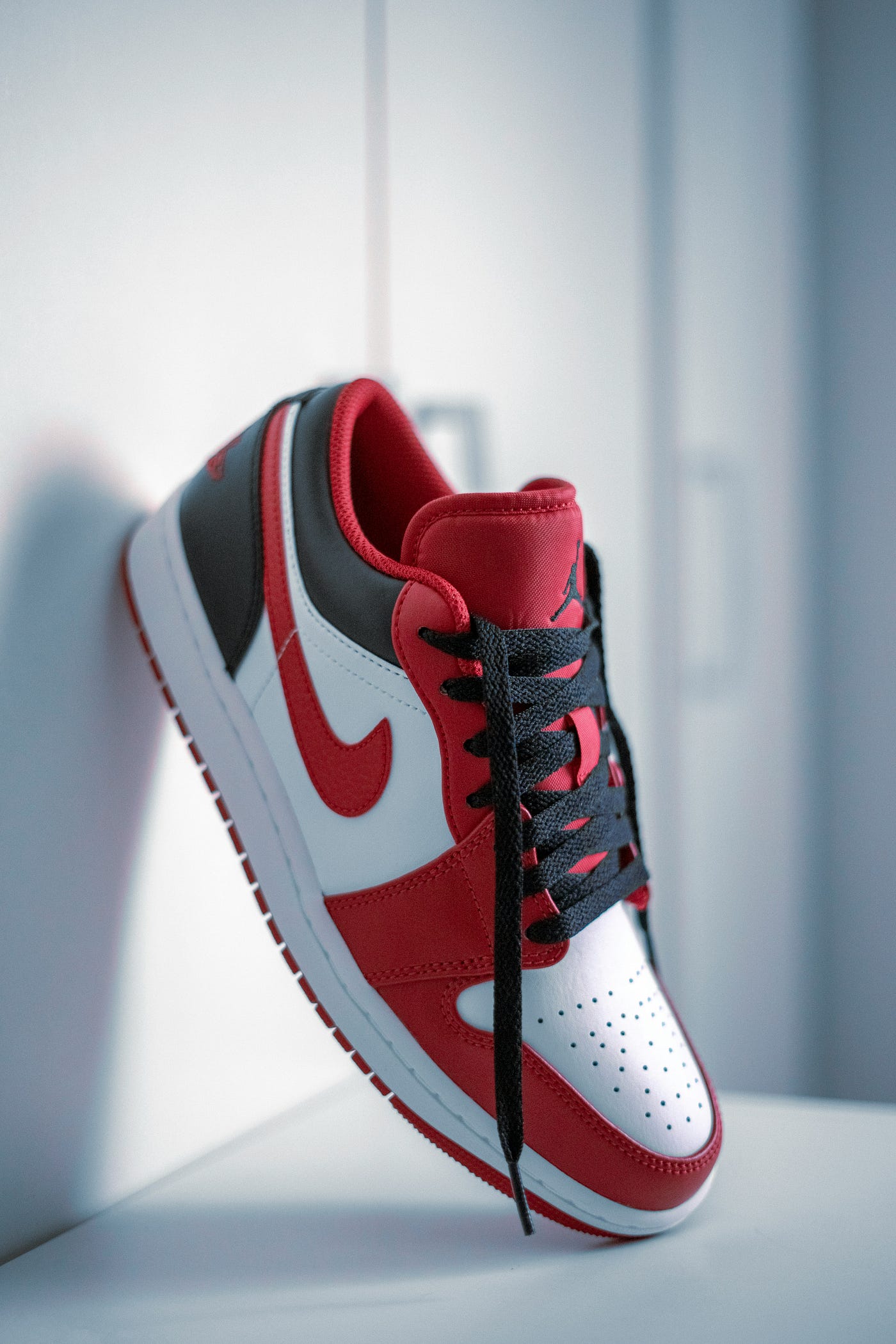
Few sneakers look cleaner than a fresh pair of white Jordan 4s.
The sharp contrast between the bright mesh netting, smooth leather panels, and icy midsoles is part of what makes the silhouette so iconic. But anyone who has owned a pair long enough knows the frustration: over time, the once-crisp white netting starts turning yellow.
And unfortunately, it can happen even if you barely wear them.
The good news is that yellowing on Jordan 4 mesh is often manageable if you catch it early and clean the shoes properly. Understanding why it happens in the first place makes a huge difference in preventing it from getting worse.
Why Jordan 4 Netting Starts Yellowing
The biggest reason behind yellow mesh is oxidation.
Over time, the materials used in sneaker mesh react with oxygen, heat, moisture, and UV exposure. This chemical process gradually changes the color of lighter materials, especially white plastics and synthetic mesh.
Jordan 4 netting is particularly vulnerable because it sits exposed on the upper and tends to collect:
- dust
- sweat particles
- pavement grime
- moisture residue
- cleaning product buildup
Even shoes sitting in a display case can slowly yellow if they are exposed to sunlight or trapped humidity.
Poor storage conditions accelerate the process even faster. Warm closets, sealed plastic containers, and damp environments can all contribute to discoloration over time.
Dirt Buildup Makes Yellowing Worse
One thing many sneaker owners overlook is how much dirt becomes trapped inside mesh netting.
The netting structure on Air Jordan 4s naturally catches:
- dust
- lint
- oils
- tiny debris particles
Once dirt settles into the mesh, oxidation becomes more noticeable because the trapped buildup darkens unevenly.
Aggressive cleaning methods can also make the issue worse. Hard scrubbing, strong chemicals, or excessive soaking sometimes damage the mesh texture itself, making discoloration stand out even more.
How to Clean Yellowed Jordan 4 Netting Safely
Before attempting stronger restoration methods, start with a proper surface cleaning.
A surprising amount of yellowing is actually surface-level grime mixed with oxidation.
Step 1: Remove Loose Dirt First
Use:
- a soft brush
- microfiber cloth
- dry sneaker brush
to remove dust and loose debris before applying any moisture.
Rubbing wet dirt directly into mesh fibers usually spreads stains deeper into the material.
Step 2: Use a Gentle Sneaker Cleaner
A mild sneaker cleaning solution paired with a soft-bristle brush works best for routine cleaning.
Focus on:
- the netting
- surrounding leather panels
- stitching areas
without oversaturating the shoe.
Many sneaker enthusiasts also keep sneaker erasers nearby for quick maintenance because light grime becomes much harder to remove once it settles into white mesh.
Using Baking Soda to Reduce Yellowing
One of the most common at-home methods involves baking soda.
Mix equal parts:
- baking soda
- water
until you create a soft paste.
Apply the mixture gently onto the yellowed mesh using a soft brush or microfiber applicator.
Leave it on for about an hour before rinsing lightly with clean water.
This method works best for:
- mild discoloration
- dirt-related yellowing
- surface oxidation
It may not completely reverse severe oxidation, but it often improves brightness noticeably.
Hydrogen Peroxide: Use Carefully
For deeper yellowing, some sneaker owners use hydrogen peroxide.
This method can sometimes improve oxidation because hydrogen peroxide reacts under UV exposure or sunlight. However, it also comes with risks.
Too much exposure may:
- Weaken mesh fibers
- Affect surrounding materials
- Create uneven whitening
- Damage adhesives
If you attempt this method, use small amounts carefully and avoid oversaturating the shoe.
Can You Paint Yellowed Netting?
Some sneaker restorers repaint severely yellowed netting when cleaning methods are no longer effective.
Thin layers of white acrylic paint are sometimes applied carefully using:
- fine brushes
- airbrush tools
This approach can improve appearance visually, but it works more like cosmetic restoration than true cleaning.
The key is applying extremely thin layers while allowing proper drying time between coats.
Proper Storage Helps Prevent Future Yellowing
Storage conditions matter more than many sneaker owners realize.
To reduce future oxidation:
- Keep sneakers away from direct sunlight
- Avoid excessive heat
- Allow airflow around stored shoes
- Avoid trapping moisture inside boxes
Humidity and heat gradually accelerate oxidation even when shoes are not being worn regularly.
Some sneaker collectors also use silica gel packets inside shoe boxes to help control moisture levels during long-term storage.
Why Sole Protection Still Matters
Most people focus on the mesh, but outsole wear affects the overall look of Jordan 4s just as quickly.
Repeated pavement friction gradually dulls:
- outsole edges
- traction patterns
- visible sole finish
Protective sole layers can help reduce direct abrasion in high-contact areas, especially for pairs worn regularly outdoors.
Final Thoughts
Yellowing on Jordan 4 netting is frustrating, but it is also extremely common. Oxidation, dirt buildup, moisture, and storage conditions all contribute to the problem over time.
With consistent care and careful cleaning methods, Jordan 4 mesh can stay noticeably brighter and cleaner for much longer, even on heavily worn pairs.
메타데이터
- post_id
- 23ba41b2bf4f
- slug
- why-jordan-4-netting-turns-yellow-and-how-to-fix-it-23ba41b2bf4f
- url
- https://medium.com/@soleguardusa/why-jordan-4-netting-turns-yellow-and-how-to-fix-it-23ba41b2bf4f
- canonical_url
- https://medium.com/@soleguardusa/why-jordan-4-netting-turns-yellow-and-how-to-fix-it-23ba41b2bf4f
- author_url
- https://medium.com/@soleguardusa
- status
- ok
- fetched_at
- 2026-06-09 15:37:30