The Earth Alkaline
Brief informations about the earth alkaline metals
The Earth Alkaline
Source: Google
Alkaline earth metals, also known as the second main group, are located in Group 2A (IIA) of the periodic table, positioned to the right of the alkali metals (Group IA). The members of this group include beryllium (Be), magnesium (Mg), calcium (Ca), strontium (Sr), barium (Ba), and radium (Ra). These metals are reactive and shiny, with relatively low melting points, boiling points, and densities compared to other metals.
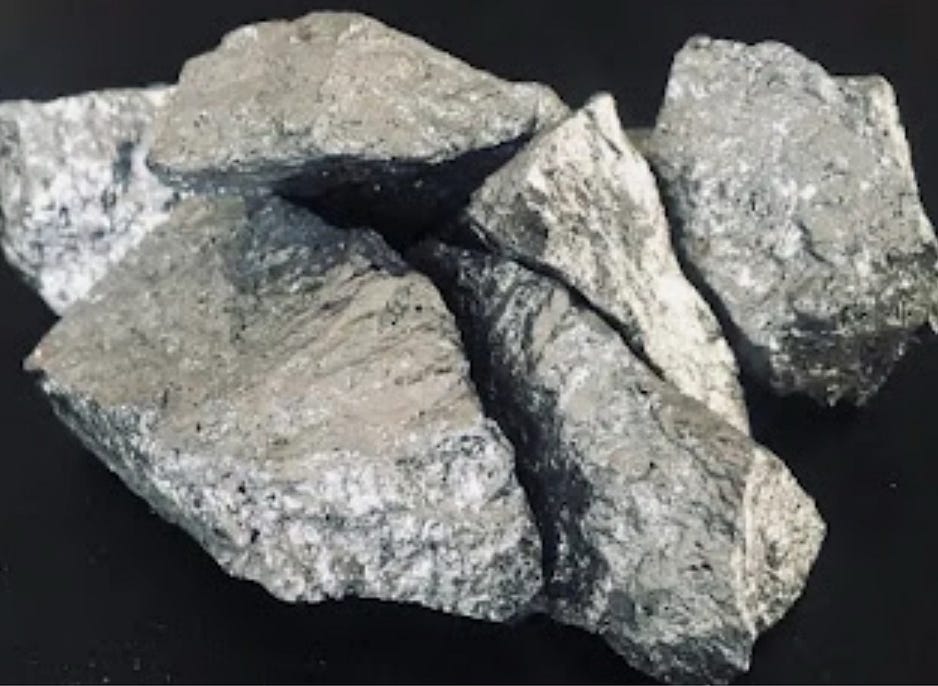
In nature, these elements are typically found in minerals. Beryllium is obtained from beryl, magnesium from magnesite, dolomite, and epsomite, calcium from dolomite and limestone, strontium from strontianite and celestite, barium from barite and witherite, and radium is found in uranium ores.
The uses of alkaline earth metals are diverse. Magnesium sulfate heptahydrate (MgSO₄·7H₂O), also known as Epsom salt, is used as a laxative, while calcium plays a vital role as a structural component of human bones. Other elements in this group also have industrial and medical applications.
Alkaline earth metals have several notable chemical properties. Unlike alkali metals, they do not explode when exposed to water. Their compounds form minerals in the Earth’s crust, and they are reactive, have high melting points, and act as strong reducing agents. Additionally, they contribute to water hardness — magnesium and calcium ions make water “hard,” which prevents soap from lathering easily.
A flame test can be used to identify alkaline earth metals based on their distinct flame colors: beryllium produces a white flame, magnesium white, calcium brick red, strontium dark red, and barium pale green. Below is an explanation of each alkaline earth metal.
Beryllium (Be) is a second-period alkaline earth metal with an atomic number of 4. It is lightweight, strong, and resistant to corrosion, making it useful in aerospace and nuclear applications.
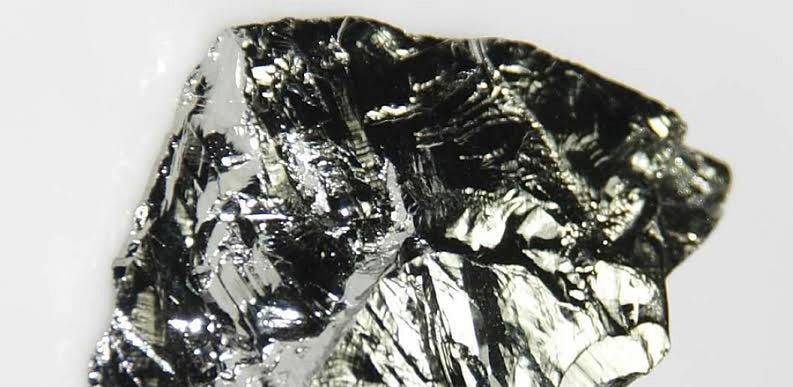
Source: https://thechemicalelements.com/beryllium/
Magnesium (Mg) is a third-period alkaline. earth metal with an atomic number of 12. It is an essential mineral for the human body and a key component of chlorophyll in plants. Magnesium is used in magnesium hydroxide (Mg(OH)₂) as an antacid, magnesium sulfate heptahydrate (MgSO₄·7H₂O) as a laxative, and magnalium, an alloy of magnesium and aluminum. The name magnesium comes from the region of Magnesia in Greece.https://thechemicalelements.com/beryllium/
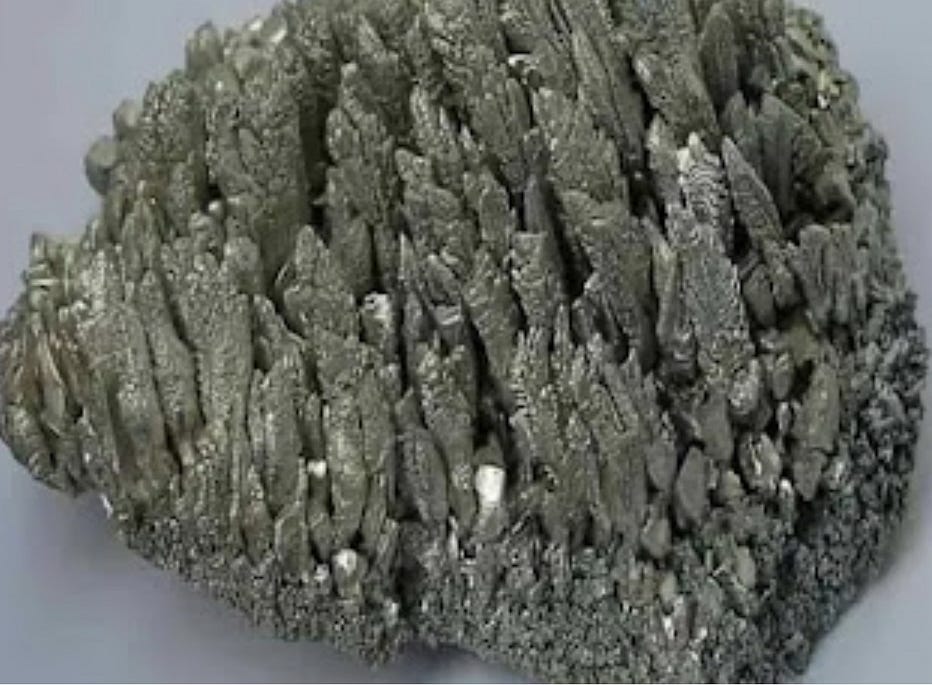
Source: Google
Calcium (Ca) is a fourth-period alkaline earth metal with an atomic number of 20. It is essential for human bone formation and is commonly found in calcium hydroxide (Ca(OH)₂) for softening water, calcium carbide (CaC₂) for acetylene gas production, and calcium sulfate dihydrate (CaSO₄·2H₂O) in construction materials like plaster.
Source: Google
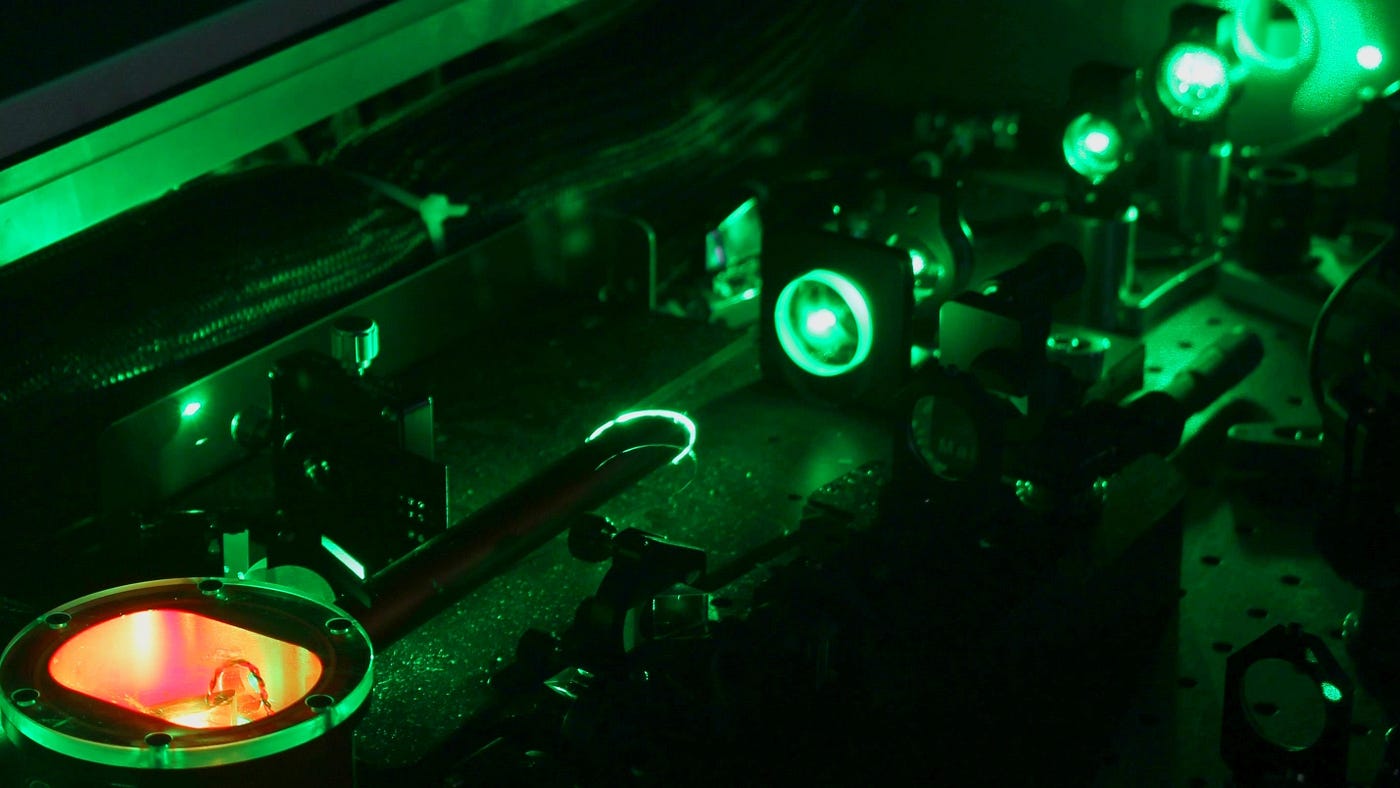
Strontium (Sr) is a fifth-period alkaline earth metal with an atomic number of 38. It is commonly used in fireworks to produce a bright red flame.
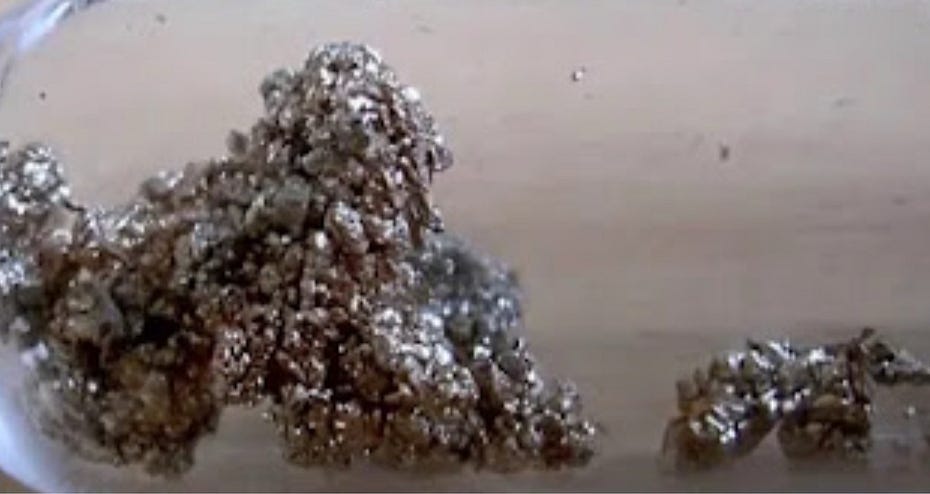
Source: Google
Barium (Ba) is a sixth-period alkaline earth metal with an atomic number of 56. It is used in barium sulfate (BaSO₄), a substance used in medical imaging (X-ray contrast agents), and in the production of green-colored fireworks.
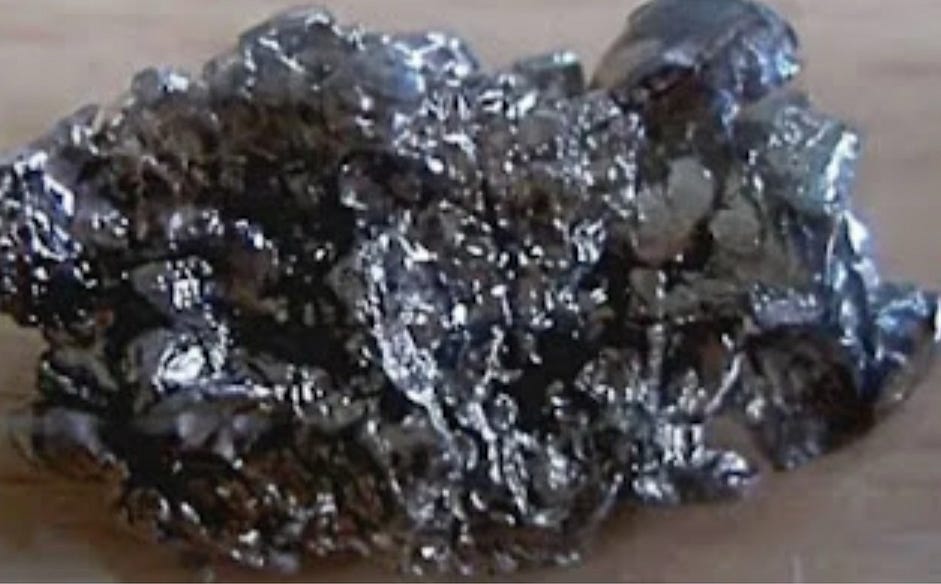
Source: Google
Radium (Ra) is a seventh-period alkaline earth metal with an atomic number of 88. It is radioactive, meaning its atomic nucleus is unstable and undergoes radioactive decay, emitting particles over time. For example, Radium-226 has a half-life of 1,602 years, eventually decaying into radon gas and then into lead over long periods. Historically, radium was used in luminous paints, but its use has declined due to health risks.
In the periodic table, alkaline earth metals are located to the right of Group 1A and consist of six known elements. Scientists have attempted to synthesize an element with atomic number 120, which would be the next member of this group, but so far, all attempts have been unsuccessful.
메타데이터
- post_id
- 243e17cfecfc
- slug
- the-earth-alkaline-243e17cfecfc
- url
- https://medium.com/@myo/the-earth-alkaline-243e17cfecfc
- canonical_url
- https://medium.com/@myo/the-earth-alkaline-243e17cfecfc
- author_url
- https://medium.com/@myo
- status
- ok
- fetched_at
- 2026-07-20 12:13:53