Identifying Childhood Obesity
The world, today, is grappling with a major health crisis. The percentage of overweight and obese children has been on the rise for…
Identifying Childhood Obesity
The world, today, is grappling with a major health crisis. The percentage of overweight and obese children has been on the rise for decades now, and the problem, today, is worse than ever. WHO has termed this issue as an ‘exploding nightmare’.
The problem is even greater for a developing country like India. With a majority of the nation’s population under 35, it becomes more important than ever to nip the issue of obesity before it exacerbates further. Childhood obesity has been identified as a precursor to a number of serious physical ailments. These range from diabetes, hypertension, cardiovascular disease, depression, and even cancer. There are over 30 identified serious diseases that can be brought on because of obesity.
What is Obesity?
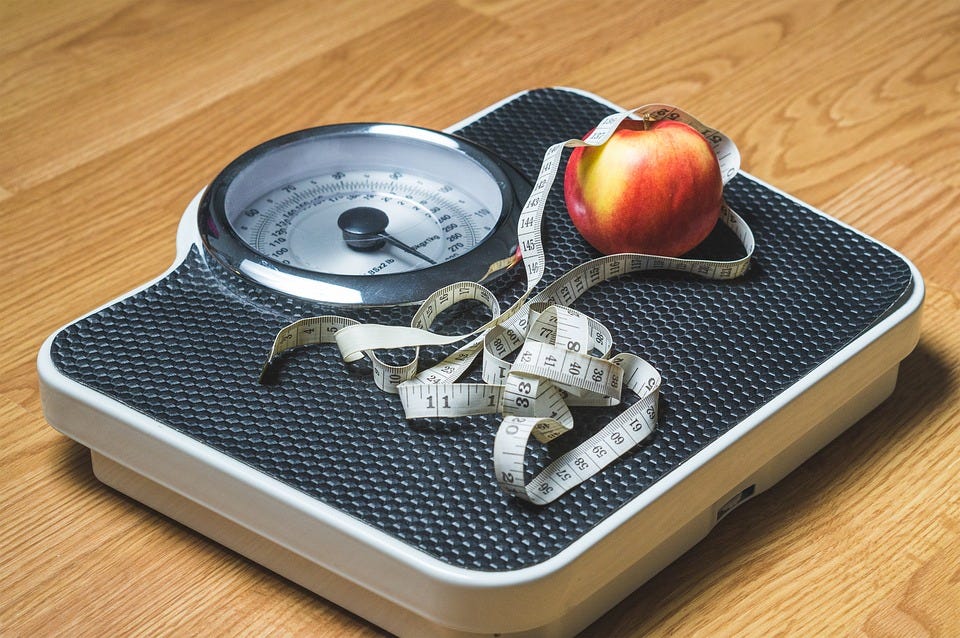
Obesity, or adiposity, is the deposit of excess body fat. Being overweight and obese are two separate issues. The common denominator among them both is the prevalence of excess body weight. Children often retain a certain amount of fat during their pre-teen years which aids their growth during the formative adolescent years. The question whether your child is overweight, obese or having normal weight, however, is something that is best judged by consulting an expert. There are a number of ways to measure if a child is overweight or obese.
How is Obesity Measured?
The most common method of measurement is calculating the BMI, or body mass index. The BMI is calculated using the height and weight of the child. There are also online calculators and tables available for people to calculate the child’s BMI themselves.
There are also a number of field methods, or rough estimates, to ascertain if the child is overweight or obese. These include waist circumference, waist-to-hip ratio, skinfold thickness, and bioelectrical impedance. These means of measurement are used in a number of clinics, community settings as well as research studies.
Obesity in children is measured in BMI-for-age percentiles. This method calculates your child’s weight category based on their age and BMI. The BMI, however, is calculated on the basis of the child’s weight and height. Children above the 85thpercentile are considered to be overweight. Research has found that children who are in the 85th percentile, or higher, continue gaining weight with time, this however, is not true for children at less than the 50th percentile.
Managing the Condition
There are a number of ways that one can manage obesity, especially in growing children. The key towards managing it, however, lies in recalibrating the habits of the child. And this begins with the parents. The child picks up habits from the parents, and having parents that embrace a healthy lifestyle is essential to the child being healthy as well. This is one of the basic support functions that we provide at Skooc.
The key is in identifying the habits that might be promoting obesity. Things like spending too much time on video games or an addiction to sugary drinks and confectionaries, are things that need to be tempered and managed. The key, however, lies in identifying these patterns. Once identified, we work with the parents and the child to help them rework these patterns into healthier versions. Thus leading them towards managing their weight problem in a healthier fashion as opposed to surgical or medical intervention.
This article was originally published on the company’s blog.
메타데이터
- post_id
- 247f647a5bc5
- slug
- identifying-childhood-obesity-247f647a5bc5
- url
- https://medium.com/skooc/identifying-childhood-obesity-247f647a5bc5
- canonical_url
- https://medium.com/skooc/identifying-childhood-obesity-247f647a5bc5
- author_url
- https://medium.com/@skooc.marketing
- status
- ok
- fetched_at
- 2026-07-29 14:15:06