PlayStation Link: Gaming’s Best Wireless Audio is a Missed Opportunity
Why is Sony failing to treat it like a serious platform?
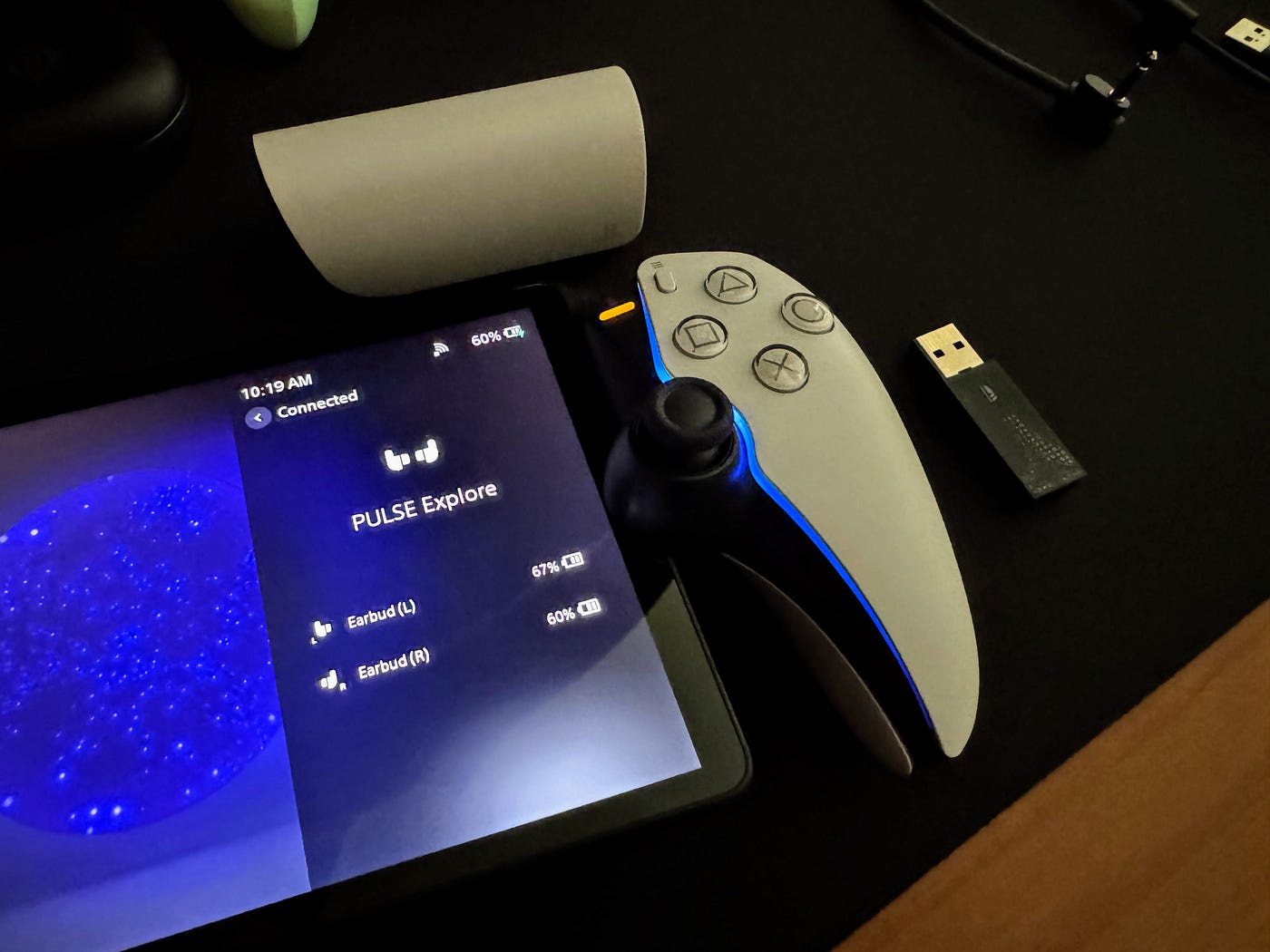
Photo taken by the author.
PlayStation Link: Gaming’s Best Wireless Audio is a Missed Opportunity
Why is Sony failing to treat it like a serious platform?
A few years ago, Sony introduced PlayStation Link. It’s a proprietary lossless audio system for wireless gaming peripherals. I thought it was going to be awesome and usher in a new era of precise sound for games, connected to an ever-evolving hardware ecosystem.
Instead, Sony has struggled to remember it exists.
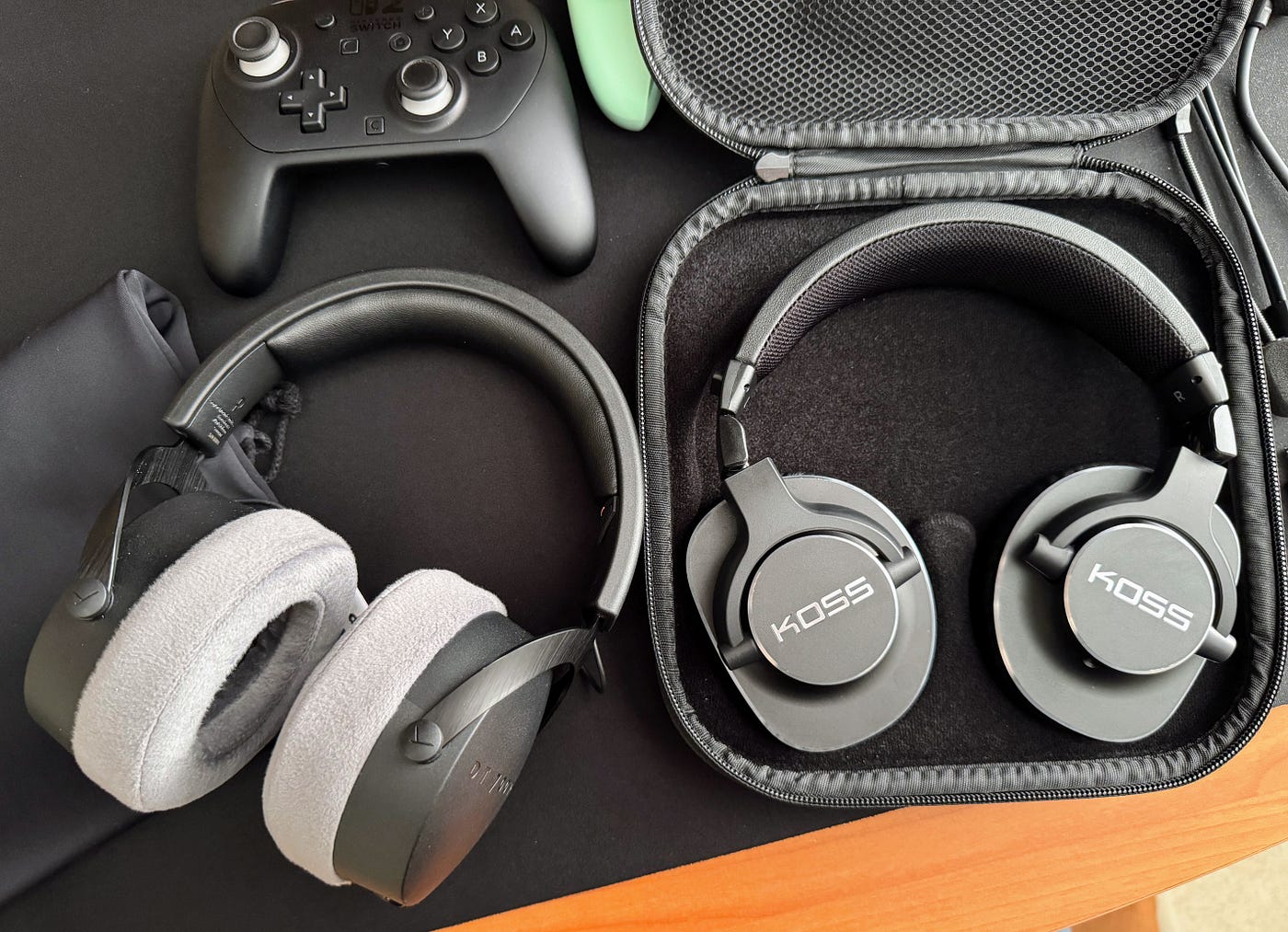
PlayStation Link launched alongside two headsets: the over-ear Pulse Elite and the in-ear Pulse Explore. Both headsets were co-developed with Audeze, a company mostly known for their audiophile and production gear. Sony bought Audeze outright during the creation of PlayStation Link, perhaps because they were so impressed with the tech.
PS Link runs on its own simple USB dongle system. Gaming headsets typically need their own dongles to work well over wireless due to their quality and latency demands. That’s why standalone Bluetooth is usually a backup connection route. The newest Bluetooth protocols and codecs sound really good, but their connection speed still isn’t quite where it should be for a “premium” gaming experience.
Link goes a few steps further than the typical wireless headset system. It uses true lossless audio, which means that no sound data is removed during the wireless transmission process. Most gaming headsets use some form of compression to accelerate connection speeds, and they can still sound great. Sony’s lossless Link codec is the best I’ve heard.
Impressively, connection latency is also super low with PS Link, putting it on par with top performers from companies like Razer. Sony’s USB-A PS Link dongles will also work with non PlayStation devices like Switch consoles or PCs. If you have multiple dongles, you can swap easily between them by pressing a button incorporated into the body of the unit. Sony eventually released a PC driver that opens up the same settings for EQ, sidetone, and updates that you can access on a PlayStation, but it took them many months to do so.
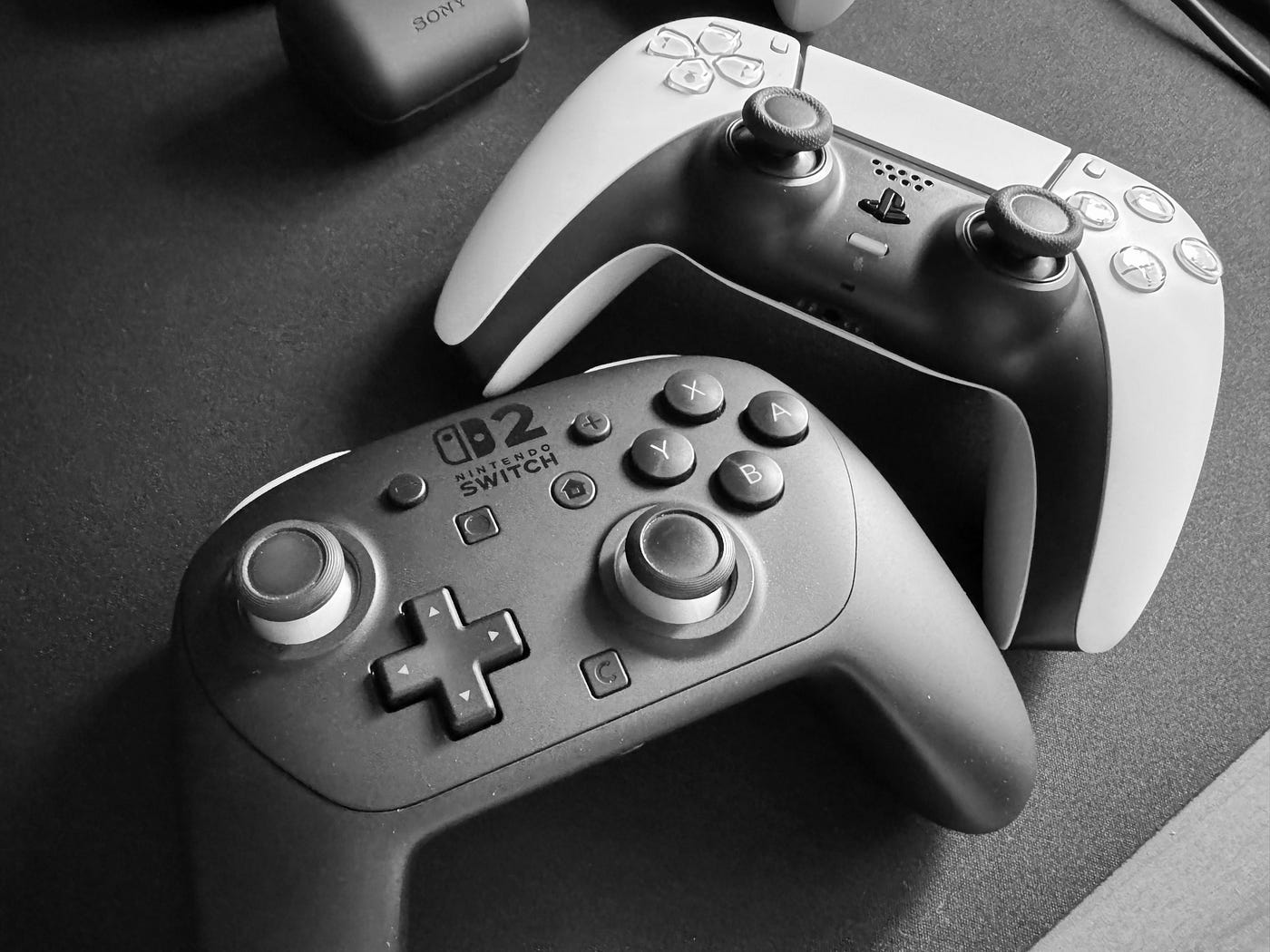
That lag time in implementation has cursed the entire PS Link lineup since its release. It came strong out of the gate with these two solid headsets, and then it just sat there. When the PlayStation Portal launched at the end of 2023, it had a PlayStation Link dongle built directly into the hardware. That’s super cool, but Sony decided that they would also lock out all other USB headset dongles; a first for the ecosystem. If you want to use a wireless headset with the Portal, you must use a PS Link device, which is completely opposite to the open audio approach of the PS5.
I thought for sure that the PS5 Pro would launch with the same native built-in PlayStation Link support as the Portal, but I was wrong. It still requires the same USB-A dongle as the older machines. I don’t know why this functionality didn’t come over from the Portal. Sony’s premium console seems like it should have built-in high-end wireless audio support without the need to take up a port.
PlayStation Link’s wireless audio sounds flawless to my ears, but its dongle implementation looks a little crusty here in 2026. It uses large USB-A dongles in a time when most gaming headsets have moved on to sleeker USB-C models. I’m guessing the large dongle is necessary due to the processing demands of their lossless codec. It probably also helps with connection quality since it gives the antenna a little room to breathe.
New Speakers: Too Little, Too Late?
After years of nothing, Sony has plans to launch one more PS Link device in the form of the Pulse Elevate speakers. I’m super skeptical.
The Elevates are small desktop monitors with audio powered by Link. Both speakers have batteries and can operate wirelessly, but they’ll also just hang out on wired charging docks and work that way as well. It seems very silly to me that they connect over PS Link and not over the wires needed for the docks. They’re far too bulky to work as out-and-about speakers, and I’m not sure I’d ever actually need to carry my speakers from room to room and quickly sync them to different PS5 setups. Maybe I’m just not the target market for this.
I thought that PlayStation Link would power a whole ecosystem of cool high-end audio devices by now. I thought Sony would release more than two headsets and one janky-looking set of speakers. I thought that maybe they’d open up Link for licensing by third parties. It’s awesome that Sony doesn’t mandate audio licenses for all wireless gear like Xbox does, don’t get me wrong. However, they could have curated a cool lossless audio ecosystem that I’m sure some of their partners would have wanted to join rather than having to spend money developing their own dongles.
PlayStation Link provides some of the best wireless audio quality I’ve heard in gaming, but its relative lack of support means it doesn’t feel like a vibrant platform compared to the regularly-refreshed offerings from other companies. Sony themselves offer a different competing headset family under the Inzone name that’s more for PC gamers. I think it’s profoundly silly that it doesn’t use the Link wireless tech whatsoever.
If Sony doesn’t believe in their cool wireless audio tech enough to grow it as an ecosystem, why should their customers get excited about it?
They’re aggressively pushing into the higher-end premium purchase territory over time with releases like the PS5 Pro and the upcoming probably-expensive PS6, and PlayStation Link is the perfect audio partner for that. I just hope they remember it.
메타데이터
- post_id
- 2484016ffc57
- slug
- playstation-link-gamings-best-wireless-audio-is-a-missed-opportunity-2484016ffc57
- url
- https://medium.com/analog-stick/playstation-link-gamings-best-wireless-audio-is-a-missed-opportunity-2484016ffc57
- canonical_url
- https://medium.com/analog-stick/playstation-link-gamings-best-wireless-audio-is-a-missed-opportunity-2484016ffc57
- author_url
- https://medium.com/@xander51
- status
- ok
- fetched_at
- 2026-07-18 04:41:07