Fake-claiming Autistic People and DID Systems is Ignorant
I’ve experienced being fake-claimed for both, and I refuse to do so to others.
Fake-claiming Autistic People and DID Systems is Ignorant
I’ve experienced being fake-claimed for both, and I refuse to do so to others.
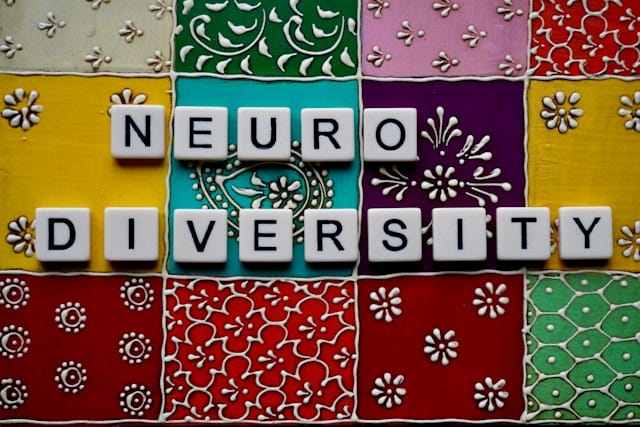
Image by Peter Burden on Unsplash
Trigger Warning: mentions CSA and OEA
As a general rule, I make it a point not to fake-claim people on the internet. I might question whether someone really is autistic or a Dissociative Identity Disorder (or OSDD) system, but only to friends.
Even then, I will have doubts that I am correct because you cannot know someone’s reality or lived experience from interacting or watching them on the internet.
People don’t want to admit that there are late-diagnosed autistic people for a lot of reasons. Parents don’t want to admit that their kids may not have needed 40 hours of a grueling masking factory’s alleged therapy.
Some early diagnosed white cis men who were coddled by their mommies no longer feel so special now that so many people have a diagnosis or self-identify as autistic.
The government doesn’t want so many autistics identified because we might want to get on disability (Then how about allowing for more remote jobs then?).
The mental health community doesn’t want to admit that they did so many women, BIPOC people, and some men who didn’t fit the presumed mold of autism, a disservice in not studying or diagnosing them sooner.
Many people also have outdated views about autism, and although they accept that there are advances in the research of medical conditions like cancer and diabetes, they don’t want to believe that everyone’s favorite developmental disorder to hate could be so pervasive among the population.
They don’t want to admit that autism is genetic (because their kid is the “problem,” not them). They don’t want to admit that so many of us went under the radar, because we don’t fit their idea of autism.
They have cognitive dissonance because to admit that we are all autistic and went unidentified and unsupported for decades would mean that they have to reckon with their ableism and the fact that they have mistreated and continue to mistreat autistic people.
It isn’t very different in the DID/OSDD system community. People fake-claim us all the time because they mistakenly think that DID is rare. It’s not (1.5% of the population).
They think we are in psychosis or play acting because the disorder seems so “out there”. They also believe the smear campaign that was propagated about repressed memories by the False Memory Foundation for decades.
Just as autism has suffered smear campaigns at the hands of Autism Speaks, some groups discredit DID systems.
The False Memory Foundation was created by a father who was accused of sexually abusing his daughter as a child, with the express purpose of discrediting victims of CSA.
The research backing up their claims, done by Elizabeth Loftus, was poorly done and ludicrous, and caused so much harm to countless survivors of CSA and SA.
Yes, you can plant a false memory of getting lost in a mall (like Loftus did) because that is not a traumatic thing that has lasting implications.
It’s a false equivalency to early child abuse. CSA and physical and emotional abuse at the hands of a caretaker is betrayal trauma; getting lost in a shopping mall is not.
Incidentally, the False Memory Foundation was closed in 2019 as subsequent studies discredited their claims about traumatic memories.
DID has historically had to be publicly discredited as a valid disorder because people like those who went to the infamous island need to have people doubt that victims can be fragmented on purpose (not that all DID systems undergo organized abuse and are intentionally created).
CSA victims can’t point a finger at you if they don’t consciously remember the abuse because another alter holds the trauma.
Yes, to many, DID seems bizarre, but I assure you that it is real and a remarkable adaptation. Brain scans have shown that different areas of the brain in a DID system light up when different alters are fronting (actors imitating DID have not been able to replicate these same patterns).
Believe me, don’t believe me. I don’t care. It won’t change my reality. That is another reason I do not fake-claim other autistic or plural people; I know how it feels to have your diagnosis invalidated by trolls on the internet.
It hurts, but it changes nothing. I know who I am (or we are). I am 53 and am now more secure in my identities as a neurodivergent person than ever (at least the alter writing this essay is).
We know we are a Gen X, late-diagnosed autistic plural person with DID.
My DID is born of parental and CSA trauma that I can feel in my body (somatic memory), but am unable to remember as a coherent narrative. That’s because I was likely pre-verbal at the time of the abuse and, of course, my parts are still pretty dissociated.
I don’t need anyone to validate my autistic childhood or life, and how much I struggled due to a co-morbid learning disability and a lack of support.
I don’t need them to believe that masking is a thing. It would be great if they did so that anti-autistic discrimination might have a snowball’s chance in hell of decreasing, but allistic acceptance is not required for me to feel good about my autistic self.
I don’t need anyone to validate my childhood sexual abuse, either. I know it happened. My intense fear of men and responses to certain looks, scents, and topics support my somatic memories.
My response to having my lower back touched tells me what happened. My childhood yeast infections and lifelong difficulties with vaginismus and vulvodynia validate my traumatic experiences.
Knowing that my perpetrator was a known predator in my family corroborates my narrative and my fragmentation.
Indeed, some self-diagnosed autistic people (self-diagnosis is valid when one does their research) have made the disorder look quirky (I am quirky, but I also struggle greatly).
However, many formally diagnosed autistic people have similarly downplayed their disability by refusing to identify as disabled and spreading the idea that we are the next step in evolution.
Both are equally problematic behaviors.
Many a formally diagnosed DID system has played up their alters’ behavior for views on TikTok, and, conversely, some self-identified plural people insist that they didn’t develop through trauma.
Even if I disagree with exploiting your alters for money or dispute the origins of endogenic systems (not traumagenic like myself), whether they are valid or not does not affect me.
At least, I can’t see how it does.
People can claim to be autistic, and not be, and it doesn’t affect me. The only way any of these alleged “fakers” affects me is if they spread misinformation. That, I admit, is concerning.
Even so, I still would not fake-claim someone’s diagnosis or disorder status publicly because I have no way of knowing if someone has said condition or not.
I am not a mental health professional (although some of them fake-claim and don’t know their you know what from a hole in the ground).
I would much rather take people at their word and be wrong than potentially publicly shame or condemn an already traumatized person.
I would call them out (or in) for spreading misinformation, but I would not diagnose or undiagnose someone on social media, no matter what I think.
There are non-negotiable situations if someone is being predatory with children, but overall, I would not get involved. I would scroll on by because, for the most part, I take disabled people at their word.
It’s the only way to operate if you do not want to cause some people further harm if you are incorrect.
Haven’t the autism and DID communities been harmed enough? We don’t need to eat our own in the name of some supposed moral high ground.
People on social media have to stop being so rigid and convinced of their armchair expertise and admit they are not infallible. They need to give people more grace.
It’s like the argument that some fakers will abuse the system and get falsely approved for disability payments from Social Security; therefore, we have to do away with SSDI and SSI.
However, I would much rather people who need the support get it, and some fakers do too, than for no one who is disabled to get support.
It’s the same with letting autism and DID fakers carry on without public confrontation. I would rather be wrong and fakers get attention than harm a fellow neurodivergent person by invalidating them and ruining their reputations.
For me, the ethical choice is clear. I feel a duty to protect the one who is valid because their need for protection outweighs the desire to expose the few who are not.
I would rather risk being fooled by imitators than risk causing real harm to someone whose autism or DID may present differently than mine.
메타데이터
- post_id
- 24aedd84d765
- slug
- fake-claiming-autistic-people-and-did-systems-is-ignorant-24aedd84d765
- url
- https://medium.com/@theautlaws/fake-claiming-autistic-people-and-did-systems-is-ignorant-24aedd84d765
- canonical_url
- https://medium.com/@theautlaws/fake-claiming-autistic-people-and-did-systems-is-ignorant-24aedd84d765
- author_url
- https://medium.com/@theautlaws
- status
- ok
- fetched_at
- 2026-06-27 23:56:40