Why Sleeping Too Much May Be a Warning Sign, Not Recovery
A major new Nature study found that both short sleep and long sleep may accelerate biological aging across the body.
Why Sleeping Too Much May Be a Warning Sign, Not Recovery
A major new Nature study found that both short sleep and long sleep may accelerate biological aging across the body.
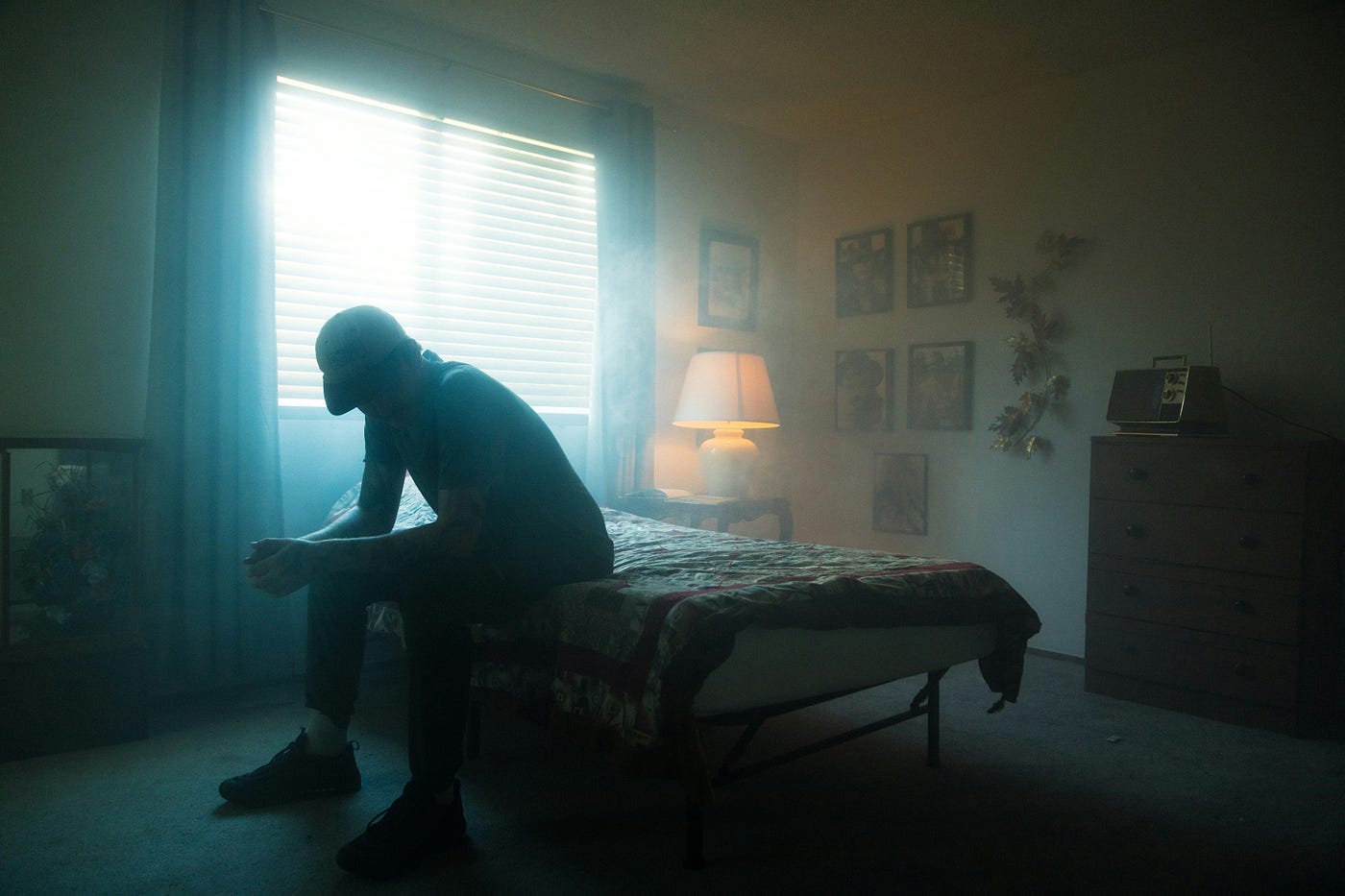
At a certain point in life, some people begin sleeping as though they are trying to repay an invisible debt.
They disappear into bed earlier each evening. They wake later. Entire mornings seem to vanish into a kind of dense internal fog. Yet outwardly, little appears wrong. They continue to answer emails, attend meetings, make dinner reservations, buy groceries, and maintain the ordinary choreography of adulthood. Their lives remain recognizable to everyone except themselves.
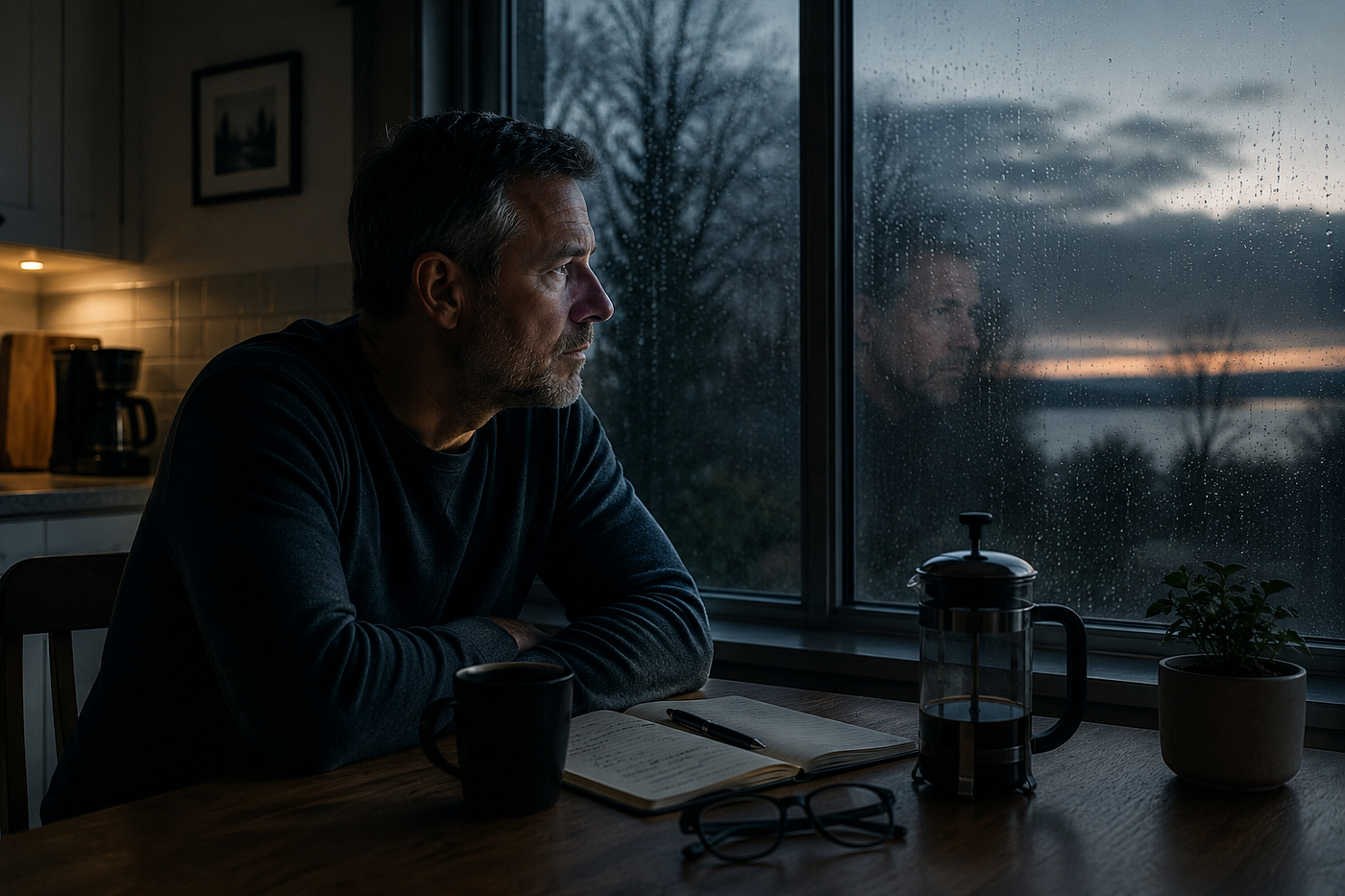
A man in his sixties described this feeling to me recently. He told me he had started sleeping nearly ten hours a night, though he spoke about it with the uneasy embarrassment people often reserve for private failures. What disturbed him was not simply the amount of sleep. It was the fact that he no longer woke restored. He woke heavy. Sleep itself seemed to have changed character.
In Borges stories, labyrinths rarely introduce themselves directly. They first appear as ordinary libraries, ordinary streets, ordinary rooms. Only gradually does the traveler realize he has been wandering inside a hidden structure all along. Physiology often behaves similarly. The body begins dropping small clues long before illness fully declares itself. Attention drifts. Emotional resilience narrows. Ordinary errands require psychological preparation. The person continues functioning, but the internal geometry of life quietly rearranges itself.
A remarkable new study published in *Nature *suggests these changes may reflect more than simple exhaustion. Researchers examining biological aging across multiple organ systems found that both short sleep and long sleep were associated with accelerated biological aging throughout the body. The findings extended beyond the brain into immune pathways, metabolic systems, liver biology, cardiovascular health, and molecular aging signatures derived from proteomics and metabolomics.
What fascinated me most was not the familiar warning about sleep deprivation. Most people already suspect that insufficient sleep can damage health. The more unsettling possibility was hidden on the other side of the curve: sometimes sleeping too much may reflect a body struggling under hidden physiological strain rather than recovering beautifully from life.
The Hidden Meaning of Fatigue
I increasingly meet people who are still functioning outwardly while quietly feeling less resilient in their own lives. They are not catastrophically ill. Most continue working, maintaining relationships, and handling responsibilities competently enough that nobody around them realizes anything significant has changed.
Yet the stories often sound remarkably similar.
Their concentration fractures more easily. Rest no longer restores them in the same way. Crowded environments feel more draining than they once did. Emotional bandwidth narrows. Some wake already tired, carrying into the morning the same heaviness they hoped sleep would dissolve overnight.
Modern culture tends to interpret these experiences morally. People assume they are becoming lazy, distracted, weak, or insufficiently disciplined. The proposed solution is usually another layer of optimization: better sleep hygiene, stricter routines, cleaner diets, improved supplements, more mindfulness, more tracking.
But the nervous system does not only tire from physical exertion. It also tires from sustained vigilance and fragmentation.
Many people now move through environments saturated with interruption, ambient uncertainty, fractured attention, emotional self-containment, and endless digital stimulation. The body absorbs these pressures continuously, even when outward composure remains intact. Over time, physiology begins adapting to that burden in subtle ways, and sleep is often one of the earliest clues.
The researchers behind the Nature study were not simply studying whether people felt tired. They examined biological aging clocks derived from MRI, plasma proteomics, and metabolomics across large-scale datasets, including the UK Biobank. Again and again, the same broad pattern emerged: both too little and too much sleep were associated with less favorable profiles of biological aging.
That distinction matters because it reframes sleep as more than a habit. Sleep begins to look less like passive rest and more like a biological reflection of how successfully the organism is adapting to life itself.
If these quieter patterns around attention, overload, resilience, and hidden physiological strain resonate with you, I write weekly about the subtle changes people often miss before burnout becomes obvious.
→ https://michaelhunterwellness.kit.com
The Modern Obsession With Sleep Optimization
One of the stranger developments of modern wellness culture is the belief that the body can always be optimized through sufficiently intelligent management. Recovery has become almost industrialized. People study sleep scores before getting out of bed, monitor heart rate variability while drinking coffee, and build increasingly elaborate rituals to maximize performance.
Some of this is useful. Some of it genuinely improves health.
But I sometimes wonder whether the modern obsession with recovery misunderstands the nature of exhaustion itself. Not all fatigue comes from inadequate rest. Some fatigue comes from prolonged physiological load.
A nervous system under chronic strain may not respond dramatically to additional optimization because the deeper problem is not simply insufficient recovery time. The organism itself has begun operating under continuous adaptive pressure. Over time, those adaptations become visible in subtle but recognizable ways: altered sleep, emotional flattening, diminished resilience, cognitive fatigue, irritability, reduced enthusiasm, and the growing sense that ordinary life has become strangely effortful.
Many people continue to function impressively during this phase, making the process difficult to recognize. Modern adulthood rewards outward competence while quietly ignoring physiological cost.
What the Sleep and Aging Study Actually Found
The new Nature study identified what researchers described as a U-shaped relationship between sleep duration and biological aging. In practical terms, both insufficient sleep and excessive sleep were associated with worse biological aging markers.
The researchers found that biological aging profiles generally appeared most favorable within a middle sleep range, roughly six-and-a-half to eight hours, depending on organ system and sex. Short sleep was associated with increased risks involving cardiovascular disease, diabetes, depression, pulmonary disease, and mortality.
Long sleep appeared somewhat different. The researchers repeatedly emphasize that excessive sleep may sometimes function less as a direct cause of illness and more as a marker of underlying biological strain already unfolding beneath the surface.
That nuance is important because internet health culture tends to flatten physiology into simplistic slogans. Sleep more. Wake earlier. Optimize harder. Fix your sleep, and everything else will follow.
Real biology is rarely that linear.
In medicine, symptoms are often adaptations before they become disasters. Fatigue, inflammation, pain, altered appetite, and disrupted sleep can all represent the body's attempt to cope with deeper physiological stress. The Nature study found associations between long sleep, accelerated biological aging, depression, psychiatric disease, and increased mortality risk. Importantly, this does not mean sleeping nine hours after illness, grief, emotional depletion, or physical recovery is inherently dangerous. Human physiology remains contextual and highly individual.
Still, the broader implication feels difficult to ignore.
The body often compensates quietly long before it collapses visibly.

Sleep, Burnout, and the Modern Nervous System
For years, sleep was framed primarily as passive downtime. Increasingly, it appears more accurate to think of sleep as a reflection of hidden physiological strain.
That possibility feels especially relevant now because so many outwardly healthy people seem internally exhausted in ways they struggle to articulate clearly. I wrote recently about the quiet loneliness increasingly visible even among highly functional adults, and I suspect the overlap here is substantial. Nervous system overload rarely confines itself neatly to one category. Over time, it spills into attention, mood, inflammation, cognition, metabolism, and eventually sleep itself.
The body keeps translating experience biologically, whether we consciously notice it or not.
And because modern culture evaluates health primarily through visible productivity, many people ignore early warning signs as long as they remain functional. As long as someone keeps answering emails, showing up to work, and maintaining outward competence, underlying strain often goes unnoticed for years.
What Actually Seems Protective for Healthy Aging
There is no elegant sleep hack waiting at the end of this discussion.
That is probably disappointing for people hoping for a cleaner answer. But sleep quality is deeply intertwined with the broader conditions under which people live. Certain patterns consistently appear protective for both mental and physical health: regular light exposure, movement, emotional connection, reduced cognitive fragmentation, stable daily rhythms, and environments where the nervous system does not remain perpetually braced for interruption.
None of these interventions is especially glamorous. Most would never become viral wellness trends.
Yet biology often responds more reliably to coherence than intensity.
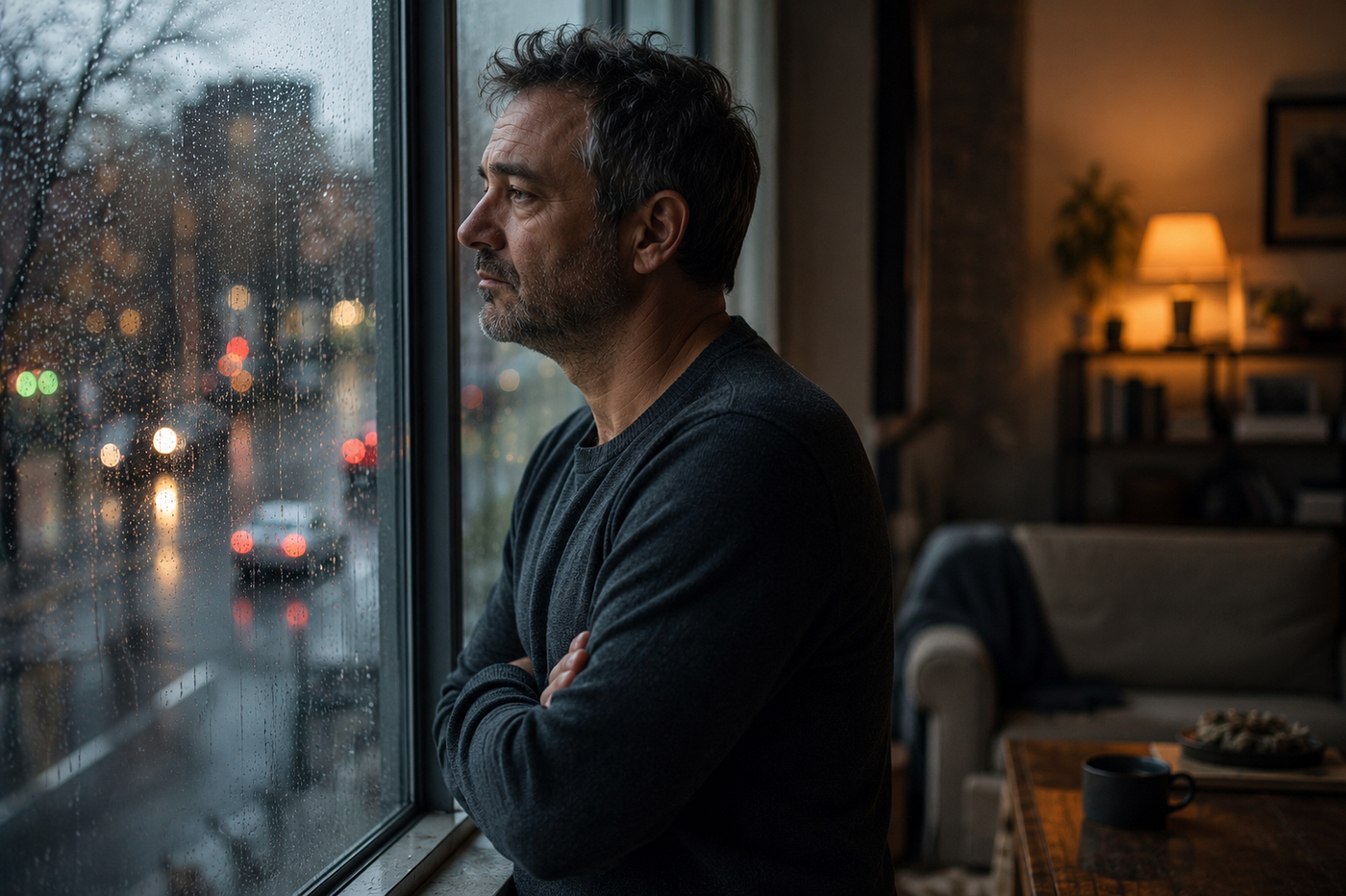
Many people experiencing hidden physiological strain continue functioning normally long before they recognize how exhausted they have become.
The older I get, the more convinced I become that many exhausted people are not failing for lack of discipline. They are carrying forms of invisible strain modern culture barely recognizes.
Final Thoughts
What unsettled me most about this study was not the recommendation about sleep duration itself. It was the suggestion that the body may begin aging differently long before illness becomes obvious, and that sleep may become one of the earliest visible clues.
Many people who appear merely tired may actually be negotiating a much larger physiological burden beneath the surface: chronic overload, inflammation, emotional isolation, psychiatric strain, cognitive fatigue, metabolic dysfunction, or years spent remaining continuously adaptive inside environments the nervous system was never designed to navigate continuously.
Modern culture often interprets exhaustion morally. People assume they are lazy, weak, distracted, or failing at self-care.
But physiology is often telling a more complicated story.
And sometimes sleeping too much is not a sign that the body is recovering especially well.
Sometimes it is a sign that recovery itself has become biologically expensive.
If you want to go deeper into the quieter patterns shaping attention, resilience, fatigue, sleep, and hidden overload before burnout becomes obvious, you can join my weekly essays here:
→ https://michaelhunterwellness.kit.com
Michael Hunter, MD, is a radiation oncologist who writes about health, attention, and how small, quiet changes reduce strain before burnout.
메타데이터
- post_id
- 24b35488e49c
- slug
- why-sleeping-too-much-may-be-a-warning-sign-not-recovery-24b35488e49c
- url
- https://medium.com/dr-michael-hunters-wellness/why-sleeping-too-much-may-be-a-warning-sign-not-recovery-24b35488e49c
- canonical_url
- https://medium.com/dr-michael-hunters-wellness/why-sleeping-too-much-may-be-a-warning-sign-not-recovery-24b35488e49c
- author_url
- https://medium.com/@drmichaelhunter
- status
- ok
- fetched_at
- 2026-06-15 20:49:13