Designing for acoustics: the modern baffle ceiling.
In contemporary architecture, visual appeal often shares the spotlight with functionality. One design element that perfectly embodies this…
Designing for acoustics: the modern baffle ceiling.
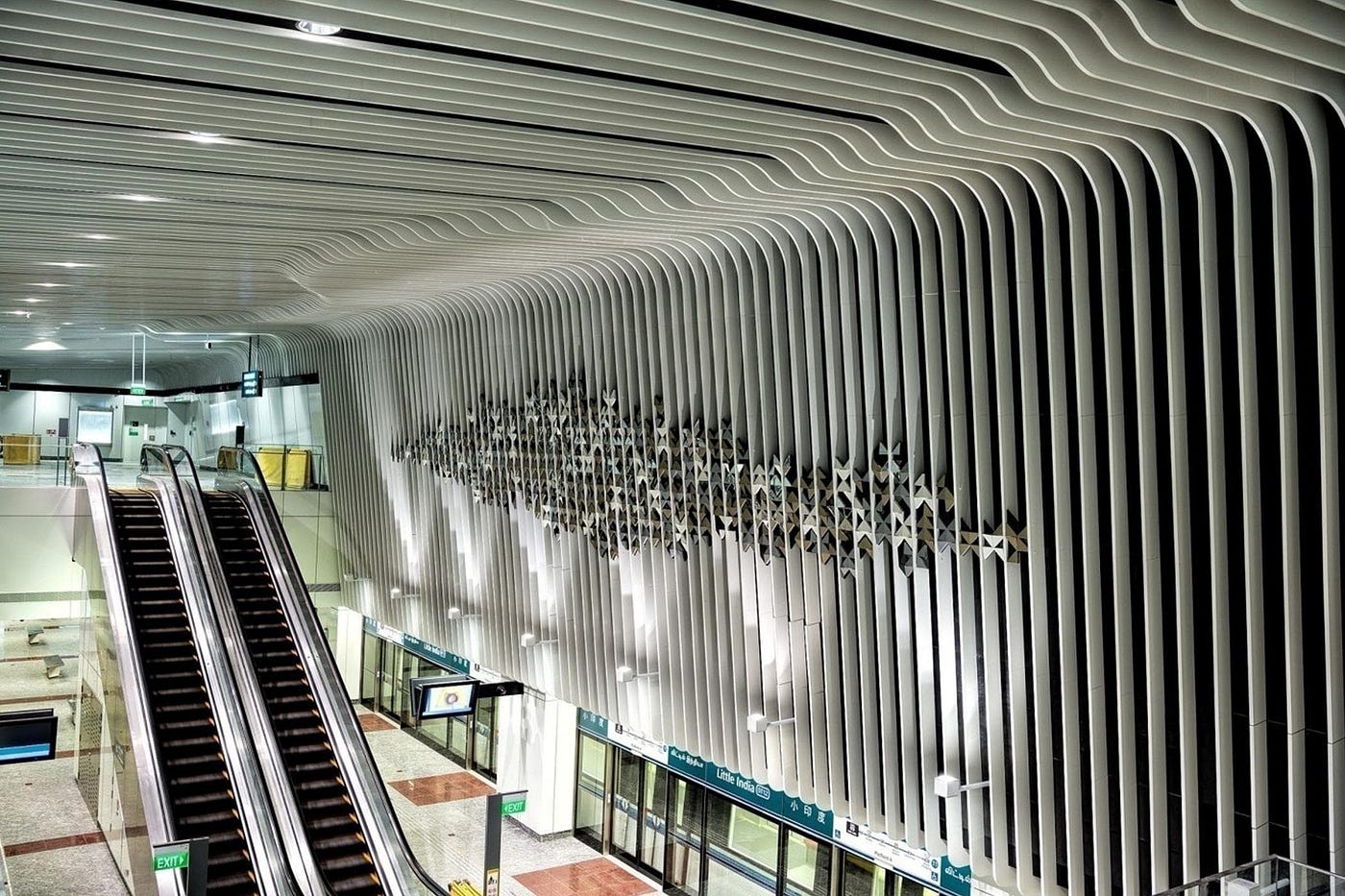
In contemporary architecture, visual appeal often shares the spotlight with functionality. One design element that perfectly embodies this balance is the baffle ceiling. Once considered a purely aesthetic feature, it has evolved into a powerful acoustic solution, shaping how spaces look and how they sound. From open-plan offices to auditoriums and transport hubs, modern baffle ceilings provide both style and performance.
The Purpose Behind Baffle Ceilings
Baffle ceilings consist of vertically suspended panels arranged in linear or patterned formations. While they add rhythm and depth to interiors, their real strength lies in controlling sound. By disrupting and absorbing sound waves, these panels reduce echo and reverberation, making spaces more comfortable for conversation and concentration. In large areas where sound can easily bounce around, baffle ceilings create a calmer acoustic environment.
Meeting Modern Acoustic Needs
Today’s workplaces and public spaces demand more than just visual impact. Open-plan offices, for instance, encourage collaboration but often suffer from excessive noise. Similarly, educational institutions, airports, and healthcare facilities require environments where clarity of communication is essential. Baffle ceilings step in as a practical solution, minimising distractions and enhancing speech intelligibility without sacrificing design freedom. They allow architects to design spaces that are dynamic and vibrant without compromising comfort.
Materials and Aesthetic Versatility
Modern baffle ceilings are available in a wide range of materials, from wood and metal to fabric-wrapped acoustic panels. Each material offers distinct benefits: timber brings warmth and natural elegance, aluminium provides durability and fire resistance, while acoustic textiles enhance sound absorption. Designers also experiment with colours, finishes, and panel spacing to tailor both the visual and acoustic experience, ensuring ceilings complement the overall design language of the space. For hospitality venues and retail stores, this flexibility creates unique atmospheres that strengthen brand identity.
Sustainability and Environmental Impact
Sustainability has become a defining factor in architectural design, and baffle ceilings align with this priority. Many manufacturers now use recycled or low-impact materials, offering eco-friendly acoustic solutions. Lightweight designs also reduce the carbon footprint of transportation and installation. In green-certified projects, baffle ceilings often contribute to earning credits in systems such as LEED or BREEAM. Their ability to improve energy efficiency by supporting natural light diffusion and airflow adds another layer of environmental benefit.
Integration with Building Systems
Beyond acoustics, baffle ceilings allow for seamless integration of lighting, sprinklers, ventilation, and other building services. Their open design enables easy access for maintenance while concealing structural elements for a clean, modern appearance. This versatility makes them a practical choice in complex environments such as airports or shopping malls, where functionality and aesthetics must work in harmony.
Cost and Installation Considerations
While baffle ceilings are visually striking, they also offer cost efficiencies compared to full suspended ceilings. They require fewer materials, reduce weight loads on building structures, and are relatively straightforward to install. Their modular design makes adjustments or replacements easier, extending long-term value for property owners and facility managers. This balance of affordability and performance has helped baffle ceilings gain traction across both commercial and institutional projects.
The Future of Acoustic Design
As urban environments grow denser and spaces become increasingly multifunctional, demand for acoustic design solutions will continue to rise. Baffle ceilings are likely to incorporate smart technologies, such as sound sensors or adaptive lighting systems, further enhancing their role in shaping responsive, human-centered environments. Innovation in materials — like 3D-printed acoustic panels — also points to a future where ceilings are not only functional but fully customisable, catering to the unique identity of every project.
Final Thoughts
The modern ***baffle ceiling*** represents the intersection of acoustics, aesthetics, and sustainability. More than a decorative feature, it is an essential tool for improving how spaces are experienced. By combining design versatility with effective sound management, baffle ceilings transform noisy environments into productive and comfortable places.
메타데이터
- post_id
- 255ce84f659e
- slug
- designing-for-acoustics-the-modern-baffle-ceiling-255ce84f659e
- url
- https://medium.com/@non-combustiblecladding/designing-for-acoustics-the-modern-baffle-ceiling-255ce84f659e
- canonical_url
- https://medium.com/@non-combustiblecladding/designing-for-acoustics-the-modern-baffle-ceiling-255ce84f659e
- author_url
- https://medium.com/@non-combustiblecladding
- status
- ok
- fetched_at
- 2026-07-23 16:27:51




