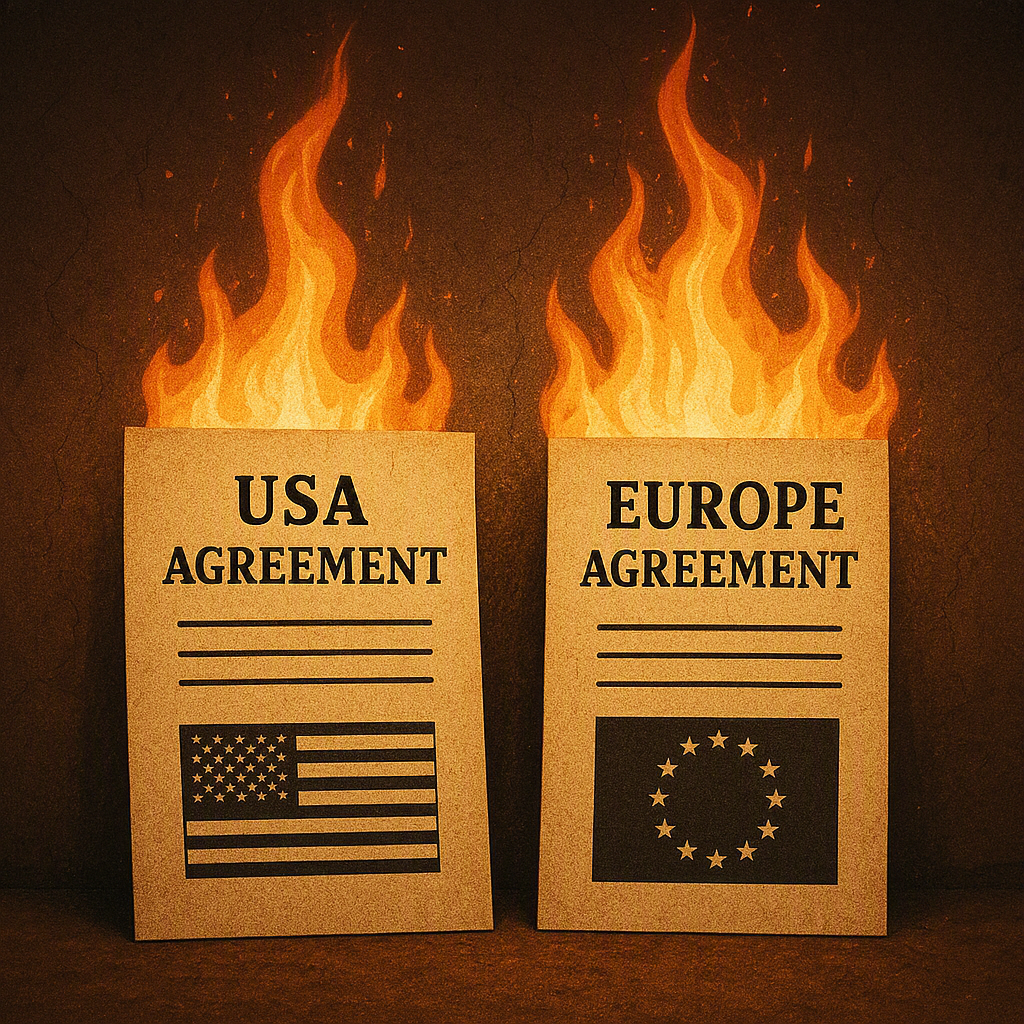
[The Long Game Brief] Interference Emerges as the Top Concern of U.S. Citizens About the Iran War
Sign up for [The Long Game Brief] newsletter to learn more about long game scenarios around the world
[The Long Game Brief] Interference Emerges as the Top Concern of U.S. Citizens About the Iran War
Sign up for [The Long Game Brief] newsletter to learn more about long game scenarios around the world
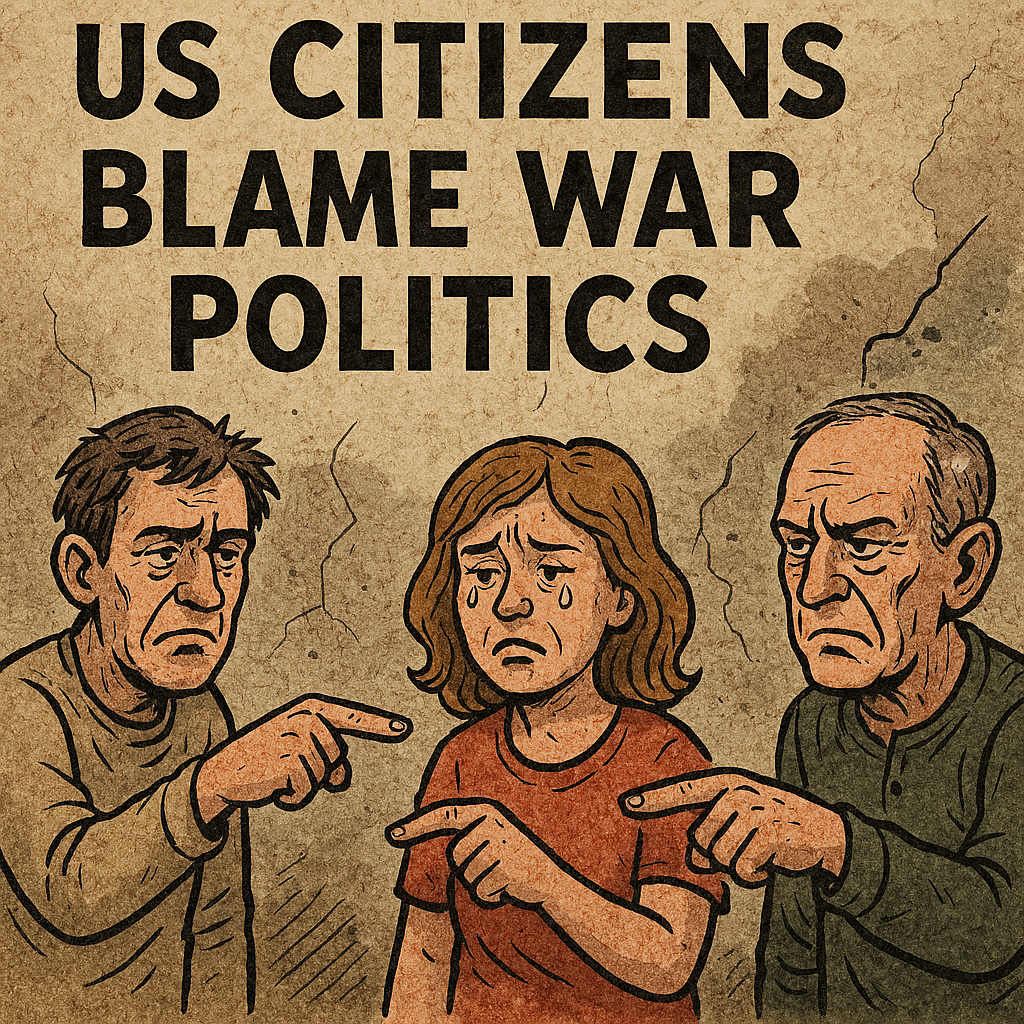
Created by Author using AI design software
How are Americans reacting to growing tensions with Iran?
As global tensions continue to dominate headlines in the United States, many Americans are responding with a mix of uncertainty, exhaustion and concern about the future.
This is according to the recent results of a recent poll by **the Pew Research Center** that revealed how Americans are deeply divided over the U.S. war in Iran, with many worried about rising costs from economic inflation and the prolonged consequences from U.S. military action in Iran.
Here are some the main data points from the poll:
- More than 50% of Americans now believe the United States does not take into account the interests of other countries when making international policy decisions
- 83% of Americans across political lines agree that the United States interferes in the affairs of other countries
- 59% of Americans believe the United States made the wrong decision in using military force in Iran, while 51 % say the military action is going either “not too well” or “not at all well.”
This reminds everyone in the U.S. about the ongoing controveries from U.S. military actions in the Middle East after the 9/11 terrorist attacks on September 11, 2001.
Known as the “forever wars” the latest milittary intervention by the U.S. and Israel in Iran shows an increasingly exhausted point of view from ordinary U.S. citizens about the U.S.’s foreign policy in the Middle East. This time, the economic strain tied to prolonged military intervention abroad is even more poignant due to lingering economic inflation from the COVID-19 Pandemic.
**Trita Parsi**, executive vice president of the Quincy Institute, identified the U.S.-Iran War as a broader shift in the emerging world order:
“A strategy that depends on military dominance everywhere, at all times, inevitably means being at war somewhere, all the time.”
In view of the “multipolar world order” this means that even small-to-medium sized powers in the international system are capable of resisting the U.S. military and others. Countries that traditionally relied on American military dominance may reconsider their security strategies and geopolitical alignments as a result of the U.S.-Israel joint military attacks on Iran, which caused a kind of spiral effect on other countries in the Persian Gulf, such as Qatar, Kuwait, Saudi Arabia and the UAE. Omam, on the other hand, has benefitted as the other so-called “gatekeeper” on one end of the Strait of Hormuz.
This Pew poll demonstrated that economic concerns appear to weigh heavily on the American public after the U.S. decided to perform a naval blockade against Iran’s own naval blockade in the Strait of Hormuz.
Concerns over rising gas and fuel prices emerged strongly in the polling, with 69% of Americans saying they were either extremely or very worried about the economic consequences of the conflict.
In closing, **the rising prices of food, fertilizers and energy** provide the foundation for another series of global instability, from which the COVID-19 Pandemic had already sowed the seeds of chaos in various countries from the African continent to North America and beyond.
This joint military action by the U.S. and Israel have caused a rethink on international relations about which countries have the authority to use military power (i.e. multipolar world order). On the other hand, an increasingly volatile commodities market affects everything from energy to food, so it is also about the global economy. As U.S. citizens consider what is going on between the U.S. and Iran, we shall not forget that governments hold the key to solving problems in the international political arena. Even when energy and food costs rise for ordinary citizens, the companies that produce those products are still susceptible to economic inflation trends as well.
In the U.S., strategy is synonymous with overall citizen sentiment due to voting behavior’s impact on politics. That is how the long game will be played. In addition to voting behavior, the rising prices of energy and food is in response to emerging global market trends in the politics and economy of natural resources.
I publish a newsletter covering current affairs topics and global commodities markets in [**The Long Game Brief**] every week.
Subscribe to the newsletter to learn more about long game scenarios, as they evolve in real time and disrupt future trends, around the world.
메타데이터
- post_id
- 25901f36e0c2
- slug
- the-long-game-brief-interference-emerges-as-the-top-concern-of-u-s-citizens-about-the-iran-war-25901f36e0c2
- url
- https://medium.com/areas-producers/the-long-game-brief-interference-emerges-as-the-top-concern-of-u-s-citizens-about-the-iran-war-25901f36e0c2
- canonical_url
- https://medium.com/areas-producers/the-long-game-brief-interference-emerges-as-the-top-concern-of-u-s-citizens-about-the-iran-war-25901f36e0c2
- author_url
- https://medium.com/@Monroe4PEACE
- status
- ok
- fetched_at
- 2026-06-09 15:37:30