5,000+ LPG Booking Scam Accounts Detected: How Fraudsters Exploits Essential Services During Crisis
Consumer behaviour shifts rapidly during times of uncertainty. People seek immediacy, convenience, and assurance, especially when it comes…
5,000+ LPG Booking Scam Accounts Detected: How Fraudsters Exploits Essential Services During Crisis

Consumer behaviour shifts rapidly during times of uncertainty. People seek immediacy, convenience, and assurance, especially when it comes to essential services. Unfortunately, this urgency is exactly what fraudsters capitalize on.
Our fraud detection experts identify various types of scams day in and day out. And what we have witnessed recently is not just another wave of financial fraud, but a shift in how fraud embeds into everyday customer journeys.
We have identified scams related to LPG gas bookings due to the shortage, considering the critical situation outside.
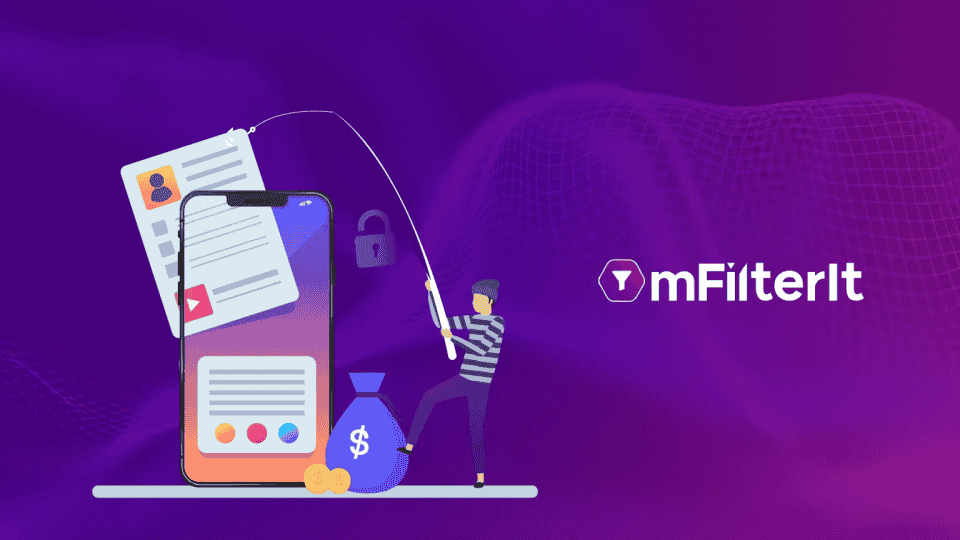
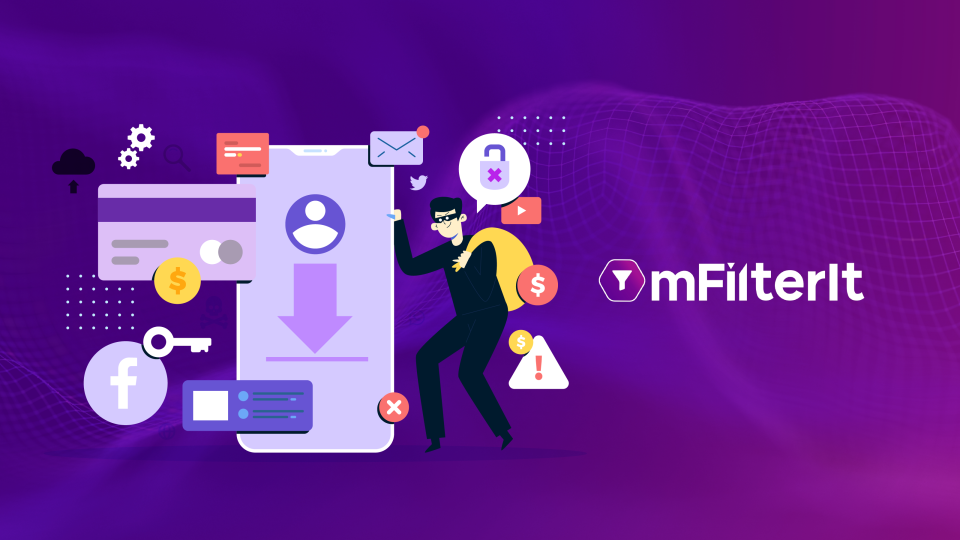
Fraudsters are leveraging a sophisticated mix of fake websites, phishing scams, social media posts, and messaging platforms to appear legitimate.
This is a critical inflection point.
Because, unlike traditional investment scams that rely on greed or high-return promises, these scams exploit need and necessity. They target consumers in moments of urgency, when trust is assumed without verification.
How Fraudsters Operate Through LPG Booking Scams?
Even scams during national events and crises like war situations, pandemic waves, and natural disasters, etc. follow a structured model designed to guide users from discovery to payments.
Here’s how LPG booking scam works:
Fake messages creating urgency and panic
Fraudsters begin by creating panic-driven messaging such as “gas connection will be disconnected” or “limited stock available.” These messages are often linked to ongoing situations like shortages or supply concerns. The objective is to push users into taking quick action without verification.
Creation of digital assets like fake websites, social media handles, etc.
Once attention is captured, users are directed to fake platforms. These include lookalike booking websites, misleading landing pages, or sponsored links that closely resemble legitimate services. Their purpose is to create a convincing first impression and reduce suspicion.
Bulk messaging-based attacks
Fraudsters also rely heavily on messaging-based platforms like WhatsApp, Telegram, SMS, etc. to circulate fake booking links, payment links, and even KYC update requests, often framed as urgent actions that need immediate attention. This coordinated, multi-channel presence creates repeated exposure, making the scam appear more legitimate and increasing the likelihood of user interaction without proper verification.
Explore The Complete Guide Here: https://tinyurl.com/jjz9zxmx
메타데이터
- post_id
- 25b52cdaa710
- slug
- 5-000-lpg-booking-scam-accounts-detected-how-fraudsters-exploits-essential-services-during-crisis-25b52cdaa710
- url
- https://medium.com/@tannupanwar301/5-000-lpg-booking-scam-accounts-detected-how-fraudsters-exploits-essential-services-during-crisis-25b52cdaa710
- canonical_url
- https://medium.com/@tannupanwar301/5-000-lpg-booking-scam-accounts-detected-how-fraudsters-exploits-essential-services-during-crisis-25b52cdaa710
- author_url
- https://medium.com/@tannupanwar301
- status
- ok
- fetched_at
- 2026-08-01 12:11:00