Invitation to Bid (ITB): A Complete Guide for Businesses and Contractors
What is an Invitation to Bid (ITB)?
Invitation to Bid (ITB): A Complete Guide for Businesses and Contractors

Invitation to Bid (ITB): A Complete Guide for Businesses and Contractors
What is an Invitation to Bid (ITB)?
An Invitation to Bid (ITB) is a formal procurement document issued by government agencies, public sector organizations, and private companies to invite suppliers, contractors, or vendors to submit competitive bids for a specific project, product, or service.
The primary purpose of an ITB is to create a transparent and competitive bidding process where qualified vendors can compete fairly based on pricing, technical capabilities, and compliance with project requirements.
ITBs are commonly used in construction projects, infrastructure development, government procurement, manufacturing contracts, and large-scale service agreements.
Why is an Invitation to Bid Important?
An Invitation to Bid helps organizations select the most suitable supplier while ensuring transparency, fairness, and cost-effectiveness.
Key Benefits of ITBs:
- Encourages fair competition among vendors
- Helps organizations obtain the best value for money
- Promotes transparency in procurement processes
- Reduces procurement risks
- Ensures compliance with legal and regulatory requirements
- Allows businesses to access new contract opportunities
For contractors and suppliers, ITBs provide valuable opportunities to secure profitable projects and expand their business portfolios.
Key Components of an Invitation to Bid
A well-structured ITB typically includes the following information:
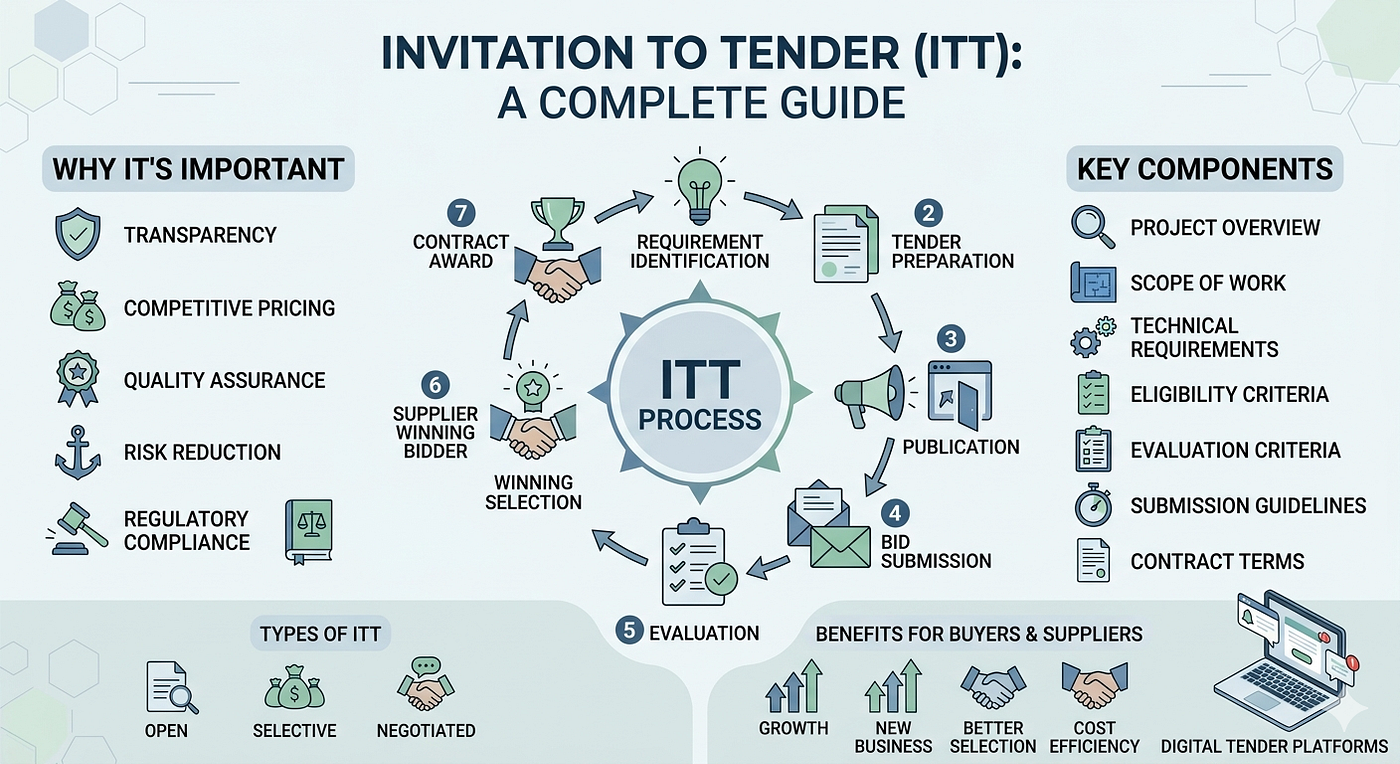
1. Project Overview
This section provides a summary of the project, including its objectives, scope, and expected outcomes.
2. Scope of Work
The scope of work outlines detailed project requirements, technical specifications, deliverables, and performance expectations.
3. Eligibility Criteria
Organizations specify vendor qualifications, certifications, experience requirements, and financial capabilities needed to participate.
4. Bid Submission Instructions
This section explains:
- Submission deadlines
- Required documentation
- Proposal format
- Submission methods
- Contact information
5. Evaluation Criteria
The ITB defines how bids will be evaluated. Common evaluation factors include:
- Price competitiveness
- Technical capability
- Relevant experience
- Project timeline
- Compliance with requirements
6. Terms and Conditions
Legal terms, contract conditions, payment schedules, and compliance obligations are typically included.
How Does the ITB Process Work?
Understanding the bidding process can help businesses improve their chances of winning contracts.
Step 1: ITB Announcement
The buyer publishes the Invitation to Bid through procurement portals, tender websites, newspapers, or official procurement platforms.
Step 2: Review Requirements
Interested vendors carefully review the ITB documents to understand project requirements and eligibility criteria.
Step 3: Prepare the Bid
Suppliers prepare their proposals, including pricing information, technical details, certifications, and supporting documents.
Step 4: Submit the Proposal
Bids must be submitted before the specified deadline following all submission guidelines.
Step 5: Bid Evaluation
The procurement team evaluates all submitted bids based on the published criteria.
Step 6: Contract Award
The winning bidder is selected and awarded the contract after successful evaluation and approval.
What is an Invitation to Bid (ITB)? A Complete Guide
An Invitation to Bid (ITB) is a formal procurement document issued by government agencies, public sector organizations, and private companies to invite suppliers, contractors, or vendors to submit competitive bids for a specific project, product, or service.
The primary purpose of an ITB is to create a transparent and competitive bidding process where qualified vendors can compete fairly based on pricing, technical capabilities, and compliance with project requirements.
ITBs are commonly used in construction projects, infrastructure development, government procurement, manufacturing contracts, and large-scale service agreements.
Why is an Invitation to Bid (ITB) Important?
An ITB helps organizations select the most suitable supplier while ensuring transparency, fairness, and cost-effectiveness throughout the procurement process.
Key Benefits of ITBs
✔ Encourages fair competition among vendors
✔ Helps organizations obtain the best value for money
✔ Promotes transparency in procurement processes
✔ Reduces procurement risks
✔ Ensures compliance with legal and regulatory requirements
✔ Provides businesses access to new contract opportunities
For contractors and suppliers, ITBs offer valuable opportunities to secure profitable projects and expand their business portfolios.
Key Components of an Invitation to Bid
A well-structured ITB typically contains the following sections:
1. Project Overview
This section provides a summary of the project, including objectives, scope, and expected outcomes.
2. Scope of Work
The scope of work outlines detailed project requirements, technical specifications, deliverables, and performance expectations.
3. Eligibility Criteria
Organizations specify vendor qualifications, certifications, experience requirements, and financial capabilities needed to participate.
4. Bid Submission Instructions
This section generally includes:
- Submission deadlines
- Required documentation
- Proposal format
- Submission methods
- Contact information
5. Evaluation Criteria
The ITB explains how bids will be evaluated. Common factors include:
- Price competitiveness
- Technical capability
- Relevant experience
- Project timeline
- Compliance with requirements
6. Terms and Conditions
Legal terms, contract conditions, payment schedules, and compliance obligations are typically included.
How Does the ITB Process Work?
Understanding the bidding process can significantly improve a company's chances of winning contracts.
Step 1: ITB Announcement
The buyer publishes the Invitation to Bid through procurement portals, tender websites, newspapers, or official procurement platforms.
Step 2: Review Requirements
Interested vendors carefully review the ITB documents to understand project requirements and eligibility criteria.
Step 3: Prepare the Bid
Suppliers prepare their proposals, including pricing information, technical details, certifications, and supporting documents.
Step 4: Submit the Proposal
Bids must be submitted before the specified deadline and in accordance with all submission guidelines.
Step 5: Bid Evaluation
The procurement team evaluates all submitted bids based on the published evaluation criteria.
Step 6: Contract Award
The winning bidder is selected and awarded the contract after successful evaluation and approval.
ITB vs RFP vs RFQ: What’s the Difference?
Many businesses often confuse an Invitation to Bid (ITB) with other procurement documents. Understanding the differences can help organizations choose the right procurement method and bidding strategy.
| Procurement Type | Purpose |
| ITB (Invitation to Bid) | Focuses primarily on price and compliance for clearly defined requirements. |
| RFP (Request for Proposal) | Requests detailed solutions, methodologies, and technical approaches from vendors. |
| RFQ (Request for Quotation) | Used primarily to obtain pricing information for standard products or services. |
Organizations typically use an ITB when project requirements are clearly defined and bids can be easily compared based on pricing and compliance. An RFP is preferred when buyers need vendors to propose unique solutions or approaches, while an RFQ is commonly used for straightforward purchases where price is the primary consideration.
Tips for Winning an Invitation to Bid
To improve your chances of securing contracts, follow these best practices:
Read the ITB Carefully
Understand every requirement before preparing your proposal. Missing even a small detail can lead to disqualification.
Submit Complete Documentation
Ensure all requested certificates, licenses, forms, and supporting documents are included.
Offer Competitive Pricing
Provide realistic and competitive pricing that aligns with project requirements.
Highlight Relevant Experience
Showcase similar projects completed successfully through case studies, references, and client testimonials.
Meet Submission Deadlines
Late submissions are often rejected automatically.
Follow Instructions Exactly
Procurement teams value vendors who comply fully with submission guidelines.
Common Challenges in ITB Participation
Businesses may encounter several challenges during the bidding process, including:
- Tight submission deadlines
- Complex documentation requirements
- Intense market competition
- Pricing pressures
- Compliance-related issues
Developing a structured bid management process can help organizations overcome these challenges and improve success rates.
How Digital Tender Platforms Simplify ITB Searches
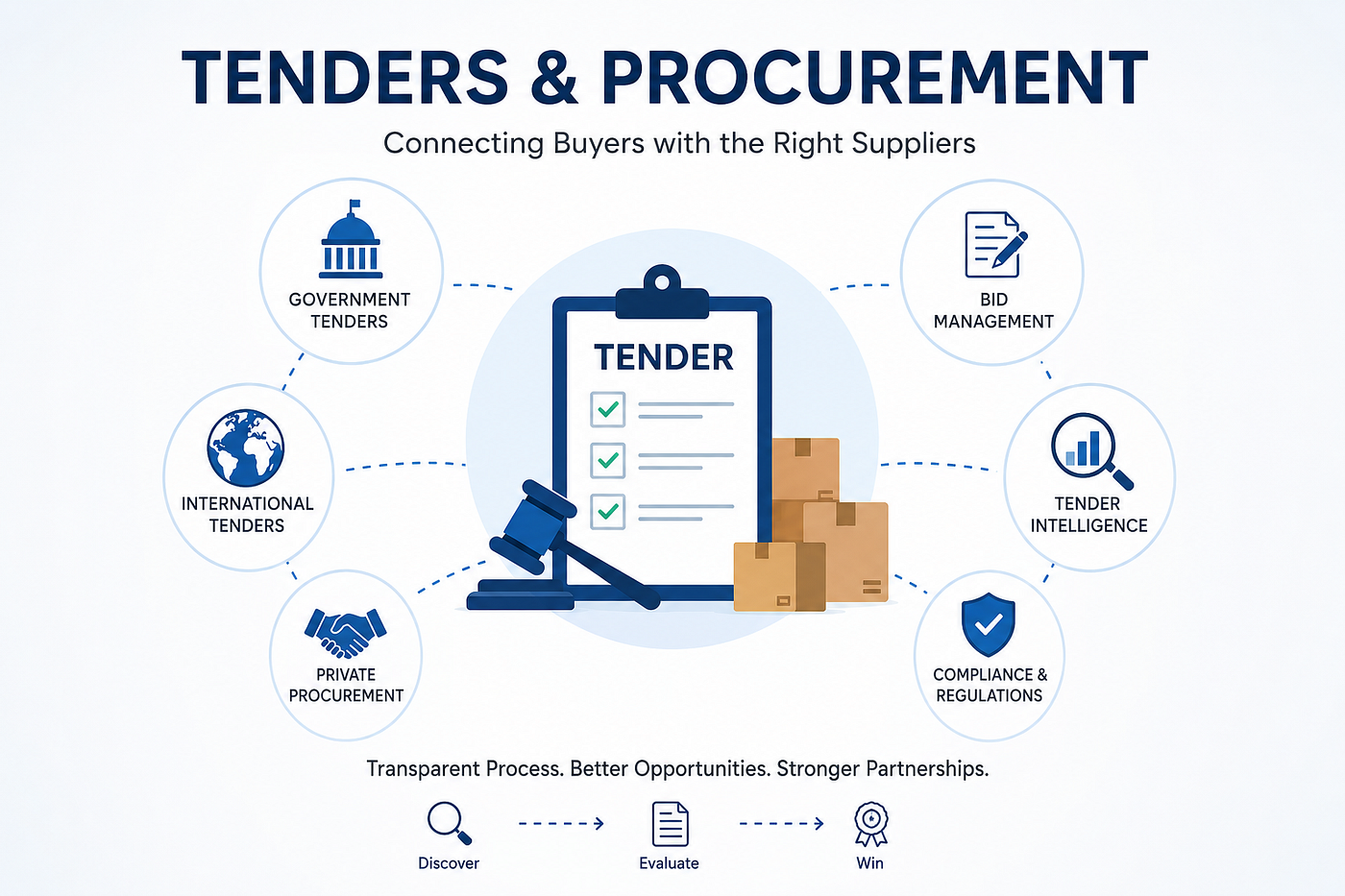
Today, businesses increasingly rely on online tender portals and procurement platforms to discover new Invitation to Bid opportunities.
Benefits of Digital Tender Platforms
- Real-time tender alerts
- Industry-specific opportunities
- Government and private sector tenders
- Easy access to bidding documents
- Advanced search filters by industry and location
Using a reliable tender information platform can save significant time and help businesses identify relevant opportunities more efficiently.
Tips for Winning an Invitation to Bid
To improve your chances of success, consider the following best practices:
Read the ITB Carefully
Understand every requirement before preparing your proposal. Missing even a small detail can lead to disqualification.
Submit Complete Documentation
Ensure all requested documents, certificates, licenses, and forms are included.
Offer Competitive Pricing
Pricing should be realistic, competitive, and aligned with project requirements.
Highlight Relevant Experience
Demonstrate successful completion of similar projects through case studies and references.
Meet Deadlines
Late submissions are often rejected automatically.
Follow Instructions Exactly
Procurement teams appreciate vendors who comply fully with submission guidelines.
Common Challenges in ITB Participation
Businesses may face several challenges during the bidding process, including:
- Tight submission deadlines
- Complex documentation requirements
- Intense competition
- Pricing pressures
- Compliance-related issues
Developing a systematic bid management process can help organizations overcome these challenges and improve success rates.
How Digital Tender Platforms Simplify ITB Searches
Today, businesses increasingly rely on online tender portals and procurement platforms to discover new Invitation to Bid opportunities.
Digital platforms provide:
- Real-time tender alerts
- Industry-specific opportunities
- Government and private sector tenders
- Easy access to bidding documents
- Search filters based on location and industry
Using a reliable tender information platform can save significant time and help businesses identify relevant opportunities faster.
Conclusion
An Invitation to Bid (ITB) is a critical part of the procurement process that enables organizations to obtain competitive proposals while ensuring transparency and fairness. For suppliers, contractors, and service providers, understanding the ITB process can open doors to valuable business opportunities and long-term growth.
By carefully reviewing requirements, preparing strong proposals, and staying informed about upcoming tenders, businesses can significantly improve their chances of winning contracts and expanding their market presence.
Find the Latest ITB Opportunities
Looking for the latest Invitation to Bid (ITB) opportunities, government tenders, and procurement notices?
Visit **www.bidsinfo.com** to explore updated tender information, bidding opportunities, procurement notices, and contract opportunities across various industries. Stay informed, discover new projects, and grow your business with the right bidding opportunities.
메타데이터
- post_id
- 25d2025fa662
- slug
- invitation-to-bid-itb-a-complete-guide-for-businesses-and-contractors-25d2025fa662
- url
- https://medium.com/@bidsinfo/invitation-to-bid-itb-a-complete-guide-for-businesses-and-contractors-25d2025fa662
- canonical_url
- https://medium.com/@bidsinfo/invitation-to-bid-itb-a-complete-guide-for-businesses-and-contractors-25d2025fa662
- author_url
- https://medium.com/@bidsinfo
- status
- ok
- fetched_at
- 2026-06-17 10:21:25