Can Aliens Really Eat Humans?
The Science of Molecular Mismatch
Can Aliens Really Eat Humans?
The Science of Molecular Mismatch

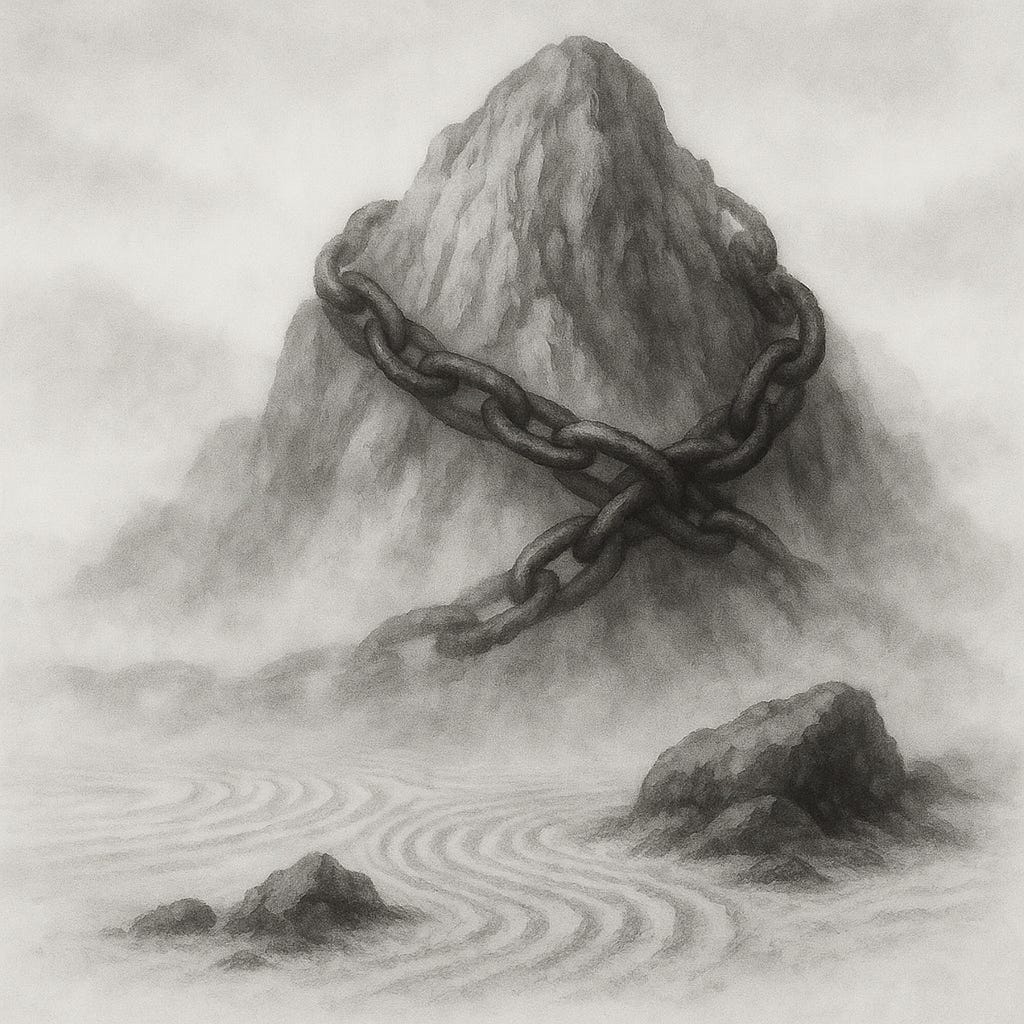
When we observe crystals, we notice that the “order” nature favors is surprisingly meticulous. Snowflakes insist on sixfold symmetry; salt obeys the cube. A snowflake’s six arms are nothing more than nature’s handwriting, choosing the easiest seat to rest in. Order is not decoration; it is simply the most stable posture a substance can assume. Living beings are no exception. For instance, the amino acids that form proteins on Earth are exclusively of the left-handed (L) type. Enzymes are tailored to this one-handedness, and when the right-handed (D) version is offered, the machinery fails to work.
【Term】This left – right distinction is known as chirality (mirror-image asymmetry).
※ On Earth, a few microorganisms can indeed synthesize or utilize D-amino acids, but in general, higher organisms rely almost entirely on the L system. The very reason why life adopted this one-sidedness – the origin of homochirality – remains unresolved.
Alien: Earth (released in summer 2025) portrays a crashed alien vessel and the humans who must face what the show’s page calls “the greatest threat to Earth.” Naturally, the drama builds on the premise of humans being hunted or parasitized. Our imagination also runs quickly in that direction. Yet, when one sits at a laboratory desk, the logic of order runs in quite the opposite way.
If life elsewhere in the universe has adopted the “right-handed” system, then human flesh would be nutritionally useless. Like a key that does not fit its lock, the enzyme’s hand would not turn. In fact, the lock might jam, and the reaction be actively inhibited. In plain words: indigestion. Contrary to the requirements of horror stories, molecular order would render humans far more inedible than vulnerable.
It should be remembered, too, that the question of why life chose one hand over the other is still unresolved.
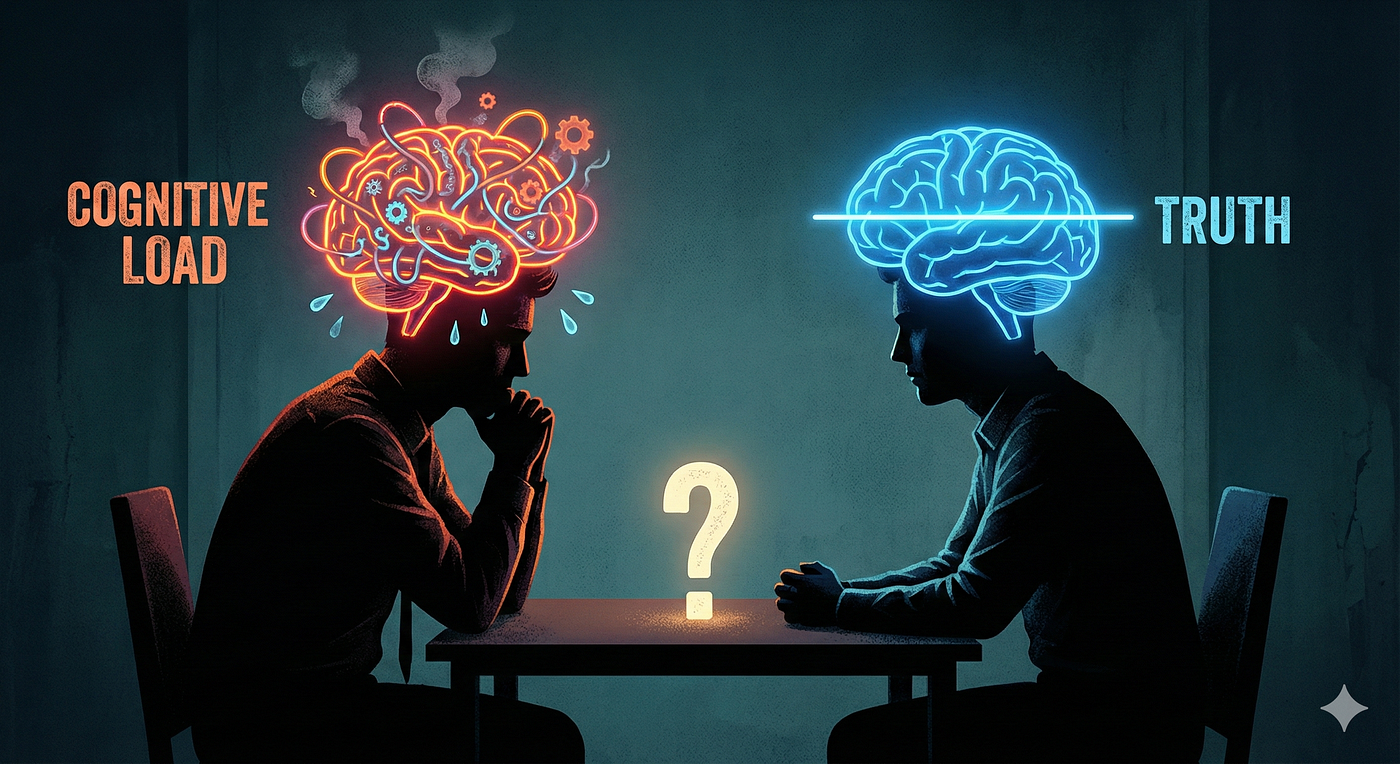
This speculation is not intended to spoil films or dramas. Rather, it clarifies the outline of fear. The true danger is not an all-powerful monster, but rather a rare coincidence. Should aliens happen to use the same L system, our molecules could fit neatly into their metabolism, and the threat would become real. But if the orders are misaligned, the danger will slow down and dissipate through friction.
The word frontier is instructive. The solar system sits far from the galactic center, like an inconvenient province. Such provinces sometimes escape warfare simply through geography. In molecular terms, too, we may enjoy a frontier’s advantage. When the handedness differs, interference becomes impractical. The silence of the universe, then, may not arise from lofty ethics, but from a simple mismatch of locks and keys. That our civilization exerts little influence may be disappointing, but it also constitutes a quiet defense.
Still, complacency would be unwise. Planetary exploration demands strict attention to contamination. If we dream of growing crops on Mars, we must first design the inorganic nutrient balance (nitrate, ammonium, phosphate, potassium, etc.) and, if necessary, bring along entire microbial factories from Earth. In soils where the molecular order is mismatched, local organic matter is “unusable.” Science, therefore, is less a flamboyant sword than the art of preparing a reliable kitchen.
This “kitchen” metaphor, like the sixfold habit of snow, reminds us that nature always seeks a well-balanced stance. Just as cooking begins with proper tools and order, so too must the management of life on other planets begin with aligning the orientation of order.
The anxiety of Alien: Earth and the pattern of order described here are not contradictory. Fiction portrays the “what if,” while science measures the likelihood of that “what if.” When the show’s page warns of “the greatest threat to Earth,” it is no waste of thought to recall the direction of the keyholes. The world was not designed for fear, but follows the well-seated arrangements of order. And those arrangements, more often than not, stand quietly at our side as deterrence.
A small conclusion may be noted:
“Difficulty of adaptation” is the most reliable deterrent.
It is not a sword, yet it is a tool with more victories than war itself.
⸻
Notes for the Reader
• Earth life: Proteins are built of L-amino acids; enzymes exhibit strong stereospecificity.
• Exceptions: Some microbes synthesize or use D-amino acids, but higher organisms overwhelmingly rely on L. The origin of homochirality is still unknown.
• Why humans are “inedible”: If aliens use a D system, our proteins would be nutritionally useless or inhibitory – resulting in indigestion.
• Off-world farming: Even if local organics are unsuitable, crops could be sustained by inorganic nutrients + Earth’s microbial ecosystems.
메타데이터
- post_id
- 25f929a1d64b
- slug
- what-if-voices-of-the-lost-authors-ukichiro-nakaya-on-alien-earth-25f929a1d64b
- url
- https://medium.com/voices-of-the-lost-authors/what-if-voices-of-the-lost-authors-ukichiro-nakaya-on-alien-earth-25f929a1d64b
- canonical_url
- https://medium.com/voices-of-the-lost-authors/what-if-voices-of-the-lost-authors-ukichiro-nakaya-on-alien-earth-25f929a1d64b
- author_url
- https://medium.com/@sprout6729
- status
- ok
- fetched_at
- 2026-06-09 15:37:30