Surprising Facts About the World’s Population
Introduction: A Planet of People, Patterns, and Paradoxes
Surprising Facts About the World’s Population
Introduction: A Planet of People, Patterns, and Paradoxes
The world’s population is one of the most fascinating and complex stories humanity has ever told about itself. Every number represents a life, a family, a culture, and a history stretching back thousands of years. While population statistics are often presented as cold figures and projections, behind them lie surprising realities that challenge common assumptions about growth, decline, movement, and survival. The global population is not just increasing or decreasing in a simple, linear way. It is reshaping itself constantly, influenced by economics, technology, culture, climate, conflict, and deeply personal choices made by billions of individuals every day.
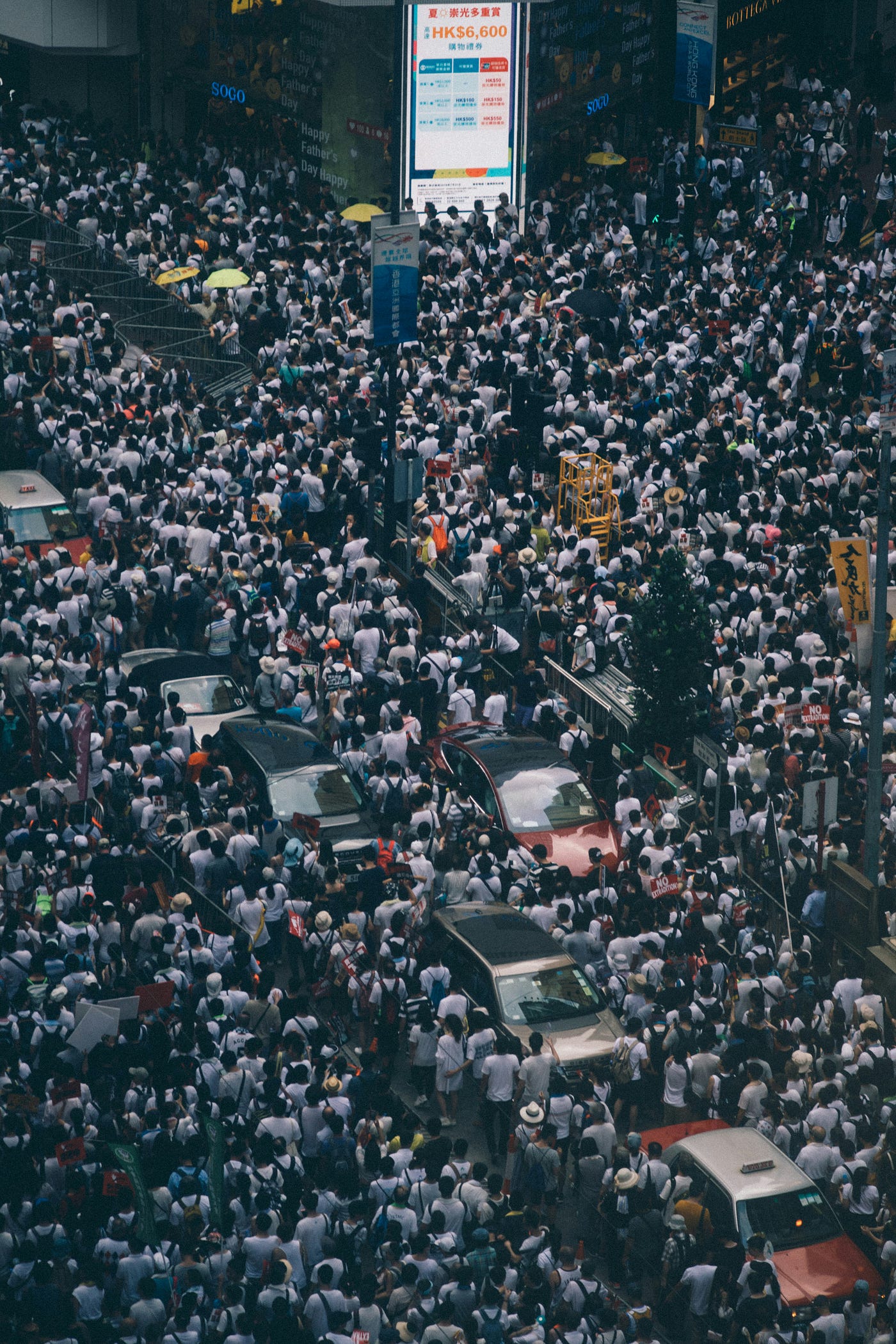
The world’s population is one of the most fascinating and complex stories humanity has ever told about itself. Every number represents a life, a family, a culture, and a history stretching back thousands of years.
Many people assume they already understand the basics. The world has more than eight billion people. Some countries are crowded, others are sparsely populated. Birth rates are falling in wealthy nations and rising in poorer ones. Cities are growing. While all of this is broadly true, the deeper details are often unexpected. The most surprising facts about the world’s population are not always the biggest numbers, but the strange imbalances, quiet shifts, and long-term trends that are changing what humanity looks like and how it will live in the future.
This article explores those surprises in depth. It moves beyond surface-level facts to examine how the world’s population is distributed, how it changes over time, how people move, how long they live, and what these trends mean for the future of societies across the globe. Along the way, it reveals how wrong many common beliefs about population really are.
The World Reached Eight Billion Faster Than Anyone Expected
For most of human history, population growth was slow, fragile, and easily reversed by famine, disease, or war. It took tens of thousands of years for humanity to reach its first billion people, a milestone believed to have been crossed around the early nineteenth century. What is surprising is not that the population grew after that point, but how explosively fast it did so.
The jump from one billion to two billion took more than a century. After that, each additional billion arrived faster than the last. Improvements in sanitation, medicine, agriculture, and transportation allowed more people to survive childhood and live longer lives. The twentieth century alone saw the global population quadruple, a change so rapid that it has no real precedent in human history.
What shocks many people is that the leap from seven billion to eight billion happened in just over a decade. Even more surprising is that this growth occurred despite falling birth rates in many large countries. The reason lies in population momentum. When a population has a large number of young people, even if each family has fewer children, the total number of births can remain high for decades simply because there are so many potential parents.
This momentum means the world will continue growing for some time even as fertility rates decline. However, it also means that once growth slows, it may slow dramatically, creating challenges that many societies are not prepared for.
Most of Humanity Lives on a Surprisingly Small Portion of the Earth
One of the most striking facts about the world’s population is how unevenly it is distributed across the planet. While Earth appears crowded when viewed through the lens of global population numbers, the vast majority of people live on a relatively small fraction of its land.
Large areas of the planet are sparsely populated or nearly empty. Deserts, high mountains, dense forests, and polar regions cover enormous stretches of land but support very few people. In contrast, river valleys, coastlines, and fertile plains are packed with human settlements that have existed for thousands of years.
Asia alone is home to well over half of the world’s population, yet even within Asia, people are concentrated in specific regions. Eastern China, the Indian subcontinent, Southeast Asia, and parts of the Middle East contain dense clusters of humanity, while Siberia and central Asia remain thinly populated. The same pattern appears on other continents, where a handful of urban corridors and agricultural regions hold most of the population.
What surprises many is that if you removed a few major population centers, vast parts of the world would feel almost empty. This uneven distribution has major implications for resource use, infrastructure development, political power, and environmental impact.
A Small Number of Countries Contain a Huge Share of the Population
Although there are nearly two hundred recognized countries in the world, a surprisingly small number of them contain the majority of humanity. Just two countries alone account for more than a third of the global population, and a handful more push that figure close to half.
This concentration means that demographic changes in just a few nations can shape global trends. A shift in birth rates in one large country can influence worldwide population growth. Changes in migration policy or economic conditions in another can affect millions of people beyond its borders.
What is particularly surprising is how quickly the rankings of the most populous countries can change. Nations that once dominated population charts are beginning to level off or decline, while others are growing rapidly. This constant reshuffling challenges assumptions about long-term global power and influence.
Global Birth Rates Are Falling Almost Everywhere
One of the most misunderstood facts about world population is the state of global fertility. Many people believe that the population continues to grow because people are having more children than ever before. In reality, the opposite is true in most places.
The average number of children born per woman has been falling for decades, not just in wealthy countries but across much of the developing world as well. Education, access to contraception, urbanization, and changing cultural values all play major roles in this decline. As families move to cities and the cost of raising children increases, many parents choose to have fewer children.
What is surprising is how quickly fertility rates have dropped in some regions. Countries that once had very large families now struggle to reach replacement-level fertility. In some cases, this transition has happened in a single generation.
This decline challenges the assumption that population growth will continue indefinitely. While the global population is still increasing, the pace of growth is slowing, and many demographers expect the world to reach a peak population later this century before beginning a gradual decline.
Some Countries Are Shrinking Faster Than They Ever Grew
Population decline is no longer a theoretical future problem. It is already happening in many parts of the world. Entire countries are experiencing sustained population loss as deaths outnumber births and young people move abroad in search of opportunities.
What surprises many is how fast this decline can happen. Once fertility falls below replacement level and remains there, populations can shrink rapidly, especially when combined with emigration. Schools close, rural areas empty out, and labor shortages emerge in unexpected industries.
This decline is not limited to small or economically struggling nations. Some highly developed countries face severe demographic challenges as aging populations place increasing pressure on healthcare systems, pensions, and public finances. The shrinking of populations raises difficult questions about how societies will adapt to having fewer workers and more elderly citizens.
Humanity Is Older Than It Has Ever Been
One of the most profound population shifts in human history is the rapid aging of the global population. For most of history, humanity was overwhelmingly young, with high birth rates and low life expectancy. Today, that balance is changing dramatically.
People are living longer than ever before, thanks to advances in medicine, nutrition, and public health. At the same time, fewer children are being born. The result is a growing proportion of older adults in nearly every country.
What surprises many is how quickly this aging is happening. In some societies, the transition from a young population to an old one has taken just a few decades. This rapid change leaves little time for governments and institutions to adapt.
An aging population reshapes everything from housing and transportation to employment and family structures. It challenges traditional ideas about retirement and forces societies to rethink how they support older generations while maintaining economic vitality.
Urbanization Has Quietly Redefined Human Life
More people now live in cities than in rural areas, a shift that represents one of the most significant transformations in human history. This change happened quietly and unevenly, but its effects are enormous.
Cities concentrate people, ideas, resources, and opportunities in ways that rural areas cannot. They drive innovation and economic growth, but they also create challenges related to housing, infrastructure, pollution, and inequality.
What is surprising is how quickly urbanization has accelerated in parts of the world. Megacities with tens of millions of residents have emerged within a single generation. Many of these cities struggle to provide basic services to their rapidly growing populations.
At the same time, rural depopulation leaves behind aging communities and abandoned landscapes. This urban-rural divide is reshaping political systems, cultural identities, and economic priorities worldwide.
Migration Shapes Populations More Than Births in Some Regions
While birth rates and death rates are crucial to understanding population change, migration often plays an equally important role. In many countries, population growth or decline depends more on who moves in or out than on how many babies are born.
Migration patterns can change rapidly in response to economic opportunities, political instability, environmental disasters, or policy decisions. Entire communities can form or disappear within a generation as people move across borders and continents.
What surprises many is how interconnected the world has become through migration. A conflict in one region can lead to population shifts thousands of miles away. Labor shortages in one country can be filled by workers from another, creating complex cultural and economic relationships.
Migration also challenges traditional ideas of national identity and belonging. As populations become more diverse, societies must grapple with questions of integration, equity, and social cohesion.
Language and Culture Are Disappearing Even as Population Grows
Despite the growth of the global population, human cultural diversity is shrinking in some important ways. Thousands of languages are spoken around the world, but many of them are endangered, with only a small number of speakers remaining.
What is surprising is that population growth does not protect languages or cultures from extinction. In fact, globalization and urbanization often accelerate cultural loss as people adopt dominant languages for education, work, and media.
As younger generations move to cities or migrate abroad, they may lose fluency in their ancestral languages. Entire ways of life can disappear within a few decades, taking with them unique knowledge, traditions, and perspectives.
This loss highlights a paradox of population growth. Humanity is becoming more numerous, but in some ways less diverse. Preserving cultural heritage in a rapidly changing world remains a major challenge.
The Gender Balance Is More Fragile Than It Appears
In theory, human populations should have roughly equal numbers of males and females. In practice, gender imbalances exist in many parts of the world due to a combination of biological, cultural, and social factors.
At birth, slightly more boys are born than girls. Over time, higher male mortality rates tend to balance this out. However, in some societies, cultural preferences and practices have led to significant gender imbalances that persist into adulthood.
What surprises many is how these imbalances affect entire societies. A shortage of women or men can influence marriage patterns, birth rates, social stability, and even crime rates. In some regions, large numbers of young men struggle to find partners, creating long-term social consequences.
These imbalances show how population statistics are shaped not just by biology, but by deeply rooted social norms and policies.
Population Growth and Environmental Impact Are Not the Same Thing
A common assumption is that population growth directly causes environmental damage. While population size does matter, the relationship between people and the environment is more complex than it appears.
Consumption patterns, technology, and economic systems often have a greater impact on the environment than sheer numbers of people. A small population with high consumption can cause more damage than a large population with low consumption.
What surprises many is that some of the fastest-growing populations have relatively low environmental footprints per person. Meanwhile, some countries with stable or declining populations continue to consume resources at unsustainable levels.
Understanding this distinction is crucial for addressing climate change and environmental degradation. Solutions that focus only on population growth risk ignoring the deeper drivers of environmental harm.
The Future Population Will Look Very Different From Today’s
Perhaps the most surprising fact about the world’s population is how different it is likely to look in the future. Demographic trends suggest a world with slower growth, older populations, and shifting centers of population density.
Regions that dominate global population today may decline in relative importance, while others grow. Countries that currently struggle with unemployment may face labor shortages, while those with young populations may experience rapid economic and social change.
These shifts will affect everything from global politics to economic systems and cultural exchange. Preparing for them requires long-term thinking and cooperation across borders.
Conclusion: Why Population Facts Matter More Than Ever
The world’s population is not just a number. It is a living, evolving system shaped by countless individual decisions and large-scale historical forces. The most surprising facts about global population reveal how dynamic and unpredictable this system can be.
Understanding these realities matters because population trends influence nearly every major challenge humanity faces, from economic development and social stability to environmental sustainability and global health. Misunderstanding population dynamics can lead to poor policies and missed opportunities.
As the world moves deeper into the twenty-first century, the story of humanity will increasingly be told through its demographic changes. By looking beyond simple assumptions and embracing the surprising truths about the world’s population, we gain a clearer picture of where we have been, where we are now, and where we may be headed next.
메타데이터
- post_id
- 262ffa786426
- slug
- surprising-facts-about-the-worlds-population-262ffa786426
- url
- https://medium.com/@factspheremedia/surprising-facts-about-the-worlds-population-262ffa786426
- canonical_url
- https://medium.com/@factspheremedia/surprising-facts-about-the-worlds-population-262ffa786426
- author_url
- https://medium.com/@factspheremedia
- status
- ok
- fetched_at
- 2026-07-13 06:23:13