UK growth forecast slashed to 0.8% as IMF warns of 'stall speed'
The Fund's sharp downgrade highlights a constrained policy environment and persistent inflation, with unemployment projected to rise to…
UK growth forecast slashed to 0.8% as IMF warns of 'stall speed'
The Fund's sharp downgrade highlights a constrained policy environment and persistent inflation, with unemployment projected to rise to 5.6%.
On Tuesday, the International Monetary Fund delivered a sobering verdict. In its latest World Economic Outlook, it cut its forecast for UK economic growth in 2026 to just 0.8%. That’s a sharp downgrade from earlier projections and, as economist Mohamed El-Erian noted, it flirts with “stall speed”—the point where an economy loses momentum and becomes vulnerable to a downturn from even a minor shock. The forecast puts the UK at the bottom of the G7 league table, again. The accompanying projections were uniformly grim: inflation is expected to remain stubborn, and unemployment is set to climb to 5.6%. This isn’t a story of a single bad quarter; it’s the latest data point in a long narrative of underperformance.
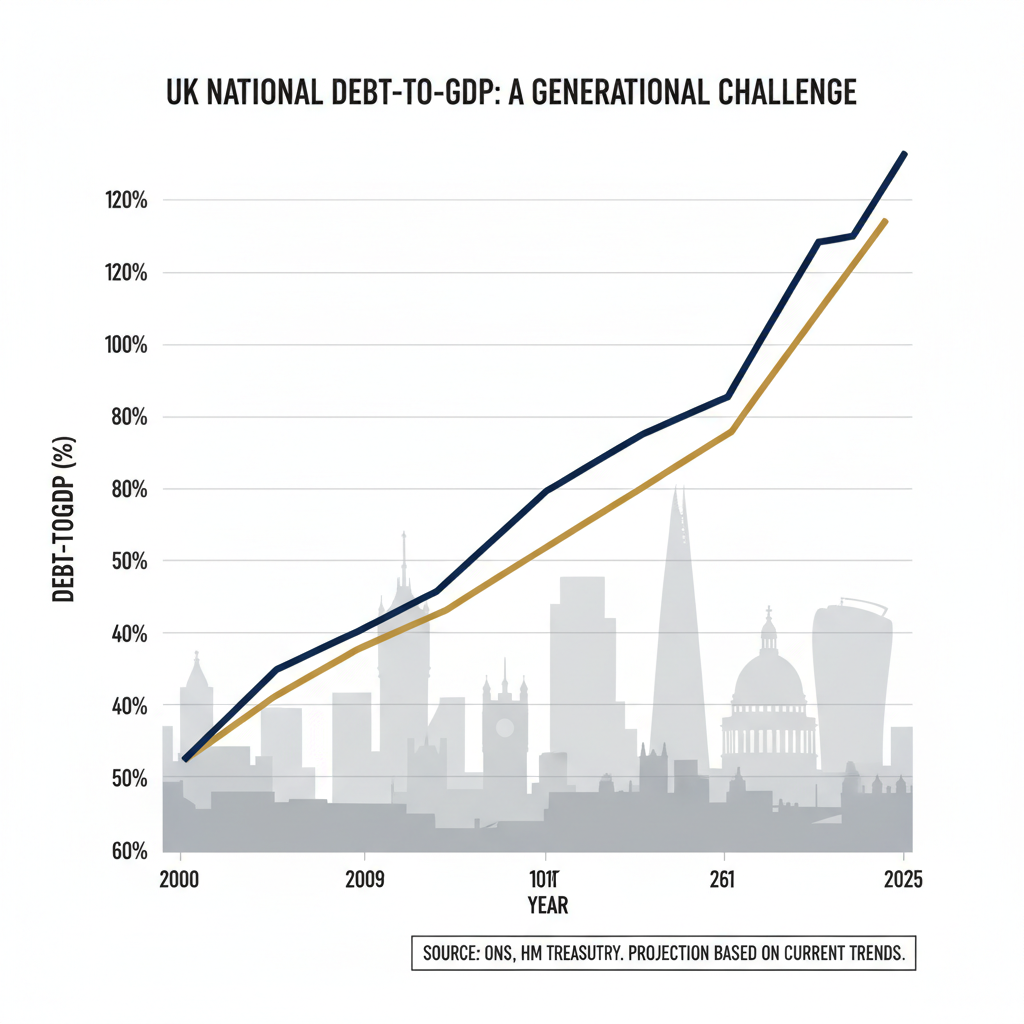
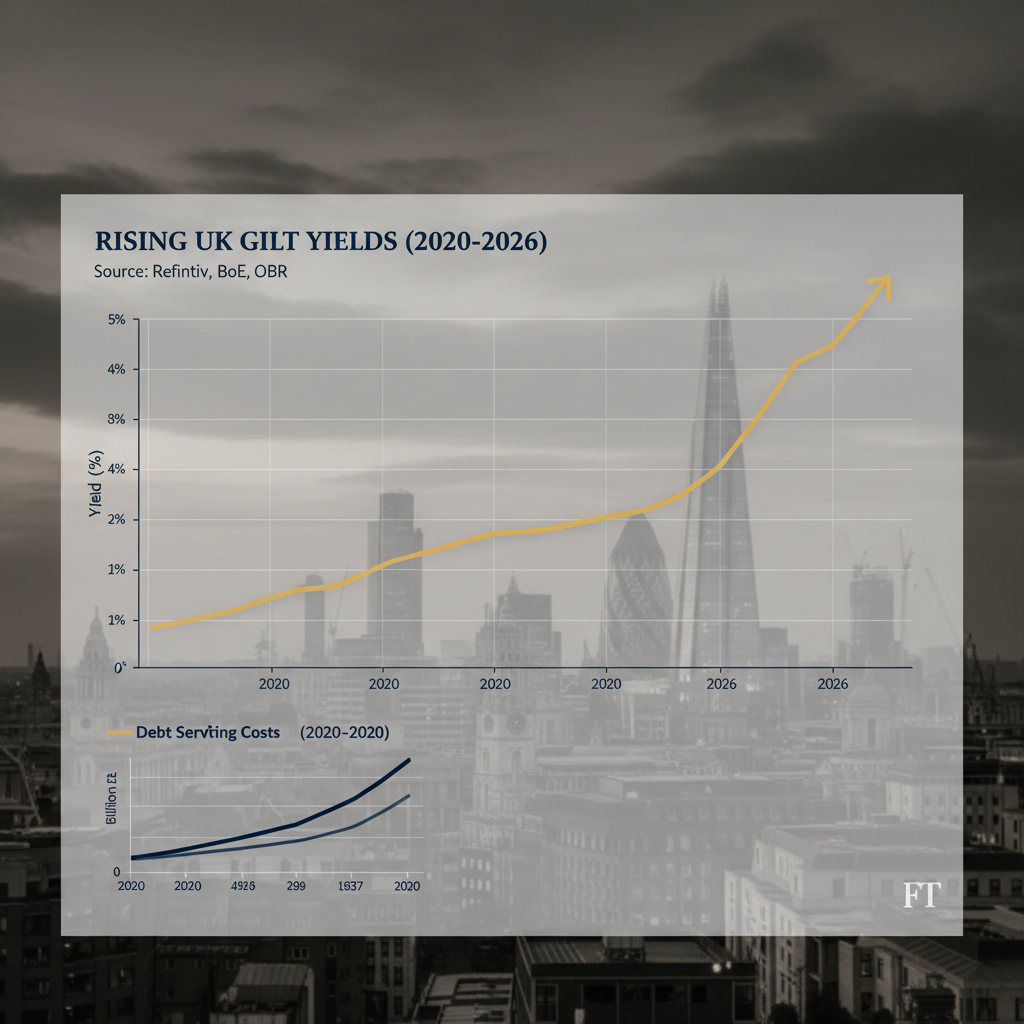
The UK’s problem is that it faces a perfect storm of constraints. The Bank of England can’t easily cut interest rates with inflation proving persistent. The government, with public debt nearing 100% of GDP, has minimal fiscal space for a significant stimulus. External shocks, like the disruption from the Iran conflict which has hit energy imports and trade, land on an economy with little resilience. “The government and central bank have limited policy flexibility,” El-Erian observed, “undermining their ability to respond to external headwinds.” This institutional paralysis is now a central feature of the UK’s economic landscape.
The Long Shadow of Stagnant Productivity
To understand why the UK is so vulnerable, you must look back more than a decade. Productivity growth—the engine of rising living standards—has been virtually flat since the 2008 financial crisis. Output per hour worked in the UK is about 16% below the average of other advanced G7 economies. This failure has many parents: chronically low business investment, which has lagged peers for years; a skills mismatch; and inadequate infrastructure. A business owner in Manchester told me last month that after years of deliberation, he’s decided against buying new automated machinery. “The cost of capital is too high, the regulatory paperwork is a mountain, and I’m just not confident the demand will be there in two years’ time,” he said. This mindset, replicated across the country, is a recipe for stagnation.
When productivity doesn’t grow, wages stagnate. The Resolution Foundation calculates that real wages today are barely above their level in 2008. Meanwhile, the cost of living, particularly for essentials like energy and food, has soared. The UK now has one of the highest rates of inflation among advanced economies. This squeeze explains the pervasive sense of economic crisis felt by households, even if a technical recession has been avoided. The economy isn’t collapsing, but it is failing to provide for its people.
The Political Economy of a Low-Growth Trap
The political consequences of this long squeeze are now defining the policy arena. A larger proportion of the electorate is becoming dependent on state transfers, whether through pensions, universal credit, or disability benefits. The Institute for Fiscal Studies notes that the welfare bill, alongside health and pension costs, is on an unsustainable upward trajectory. At the same time, the tax burden is at its highest level since the 1940s, creating a palpable tension. Those who feel they bear this burden—higher-rate taxpayers, business owners, investors—increasingly voice a sense of alienation. The sentiment, as captured crudely on social media, is that “those who fund the welfare state are exiting.”
There’s some evidence behind the angst. Surveys by the Institute of Directors and the CBI consistently show business confidence at low levels. While dramatic claims of an exodus are overblown, there is a steady drip of investment decisions going elsewhere. The UK’s attractiveness for business investment has been damaged by political instability—five prime ministers in eight years—and a perceived shift towards higher regulation and taxation. The Labour government, in power for nearly two years now, is caught. It needs to fund public services and honour its commitments, but it fears that raising taxes further would stifle the very growth it needs to generate revenue.
No Easy Exits
What’s to be done? The calls for “Milei-style” libertarian shock therapy, slashing the state, are loud online but are political fantasy in a UK context. The state’s role is deeply embedded, and its services are relied upon by millions. The alternative—a large, coordinated boost to public investment in infrastructure, skills, and green technology—is what many economists prescribe. But it requires borrowing at a time when debt markets are jittery and fiscal rules are tight. The government’s current plans are too timid to move the needle.
The path out of the low-growth trap is narrow. It requires a credible, long-term strategy to boost investment and productivity, one that survives political cycles. It needs a reform of the planning system to unblock infrastructure and housing. It demands a truce in the political war over taxation to provide some stability. None of this is easy, and all of it takes time that a frustrated populace feels it doesn’t have. The IMF’s 0.8% forecast is more than a number. It’s a warning that time is running out to make those choices. Without them, stall speed will become the UK economy’s permanent condition.
메타데이터
- post_id
- 26399fc0efa9
- slug
- uk-growth-forecast-slashed-to-0-8-as-imf-warns-of-stall-speed-26399fc0efa9
- url
- https://medium.com/@bean_flickr69/uk-growth-forecast-slashed-to-0-8-as-imf-warns-of-stall-speed-26399fc0efa9
- canonical_url
- https://medium.com/@bean_flickr69/uk-growth-forecast-slashed-to-0-8-as-imf-warns-of-stall-speed-26399fc0efa9
- author_url
- https://medium.com/@bean_flickr69
- status
- ok
- fetched_at
- 2026-06-11 15:16:29