How to choose jewelry for different occasions: from the office to a wedding celebration
Jewelry is more than just an accessory. It can tell a story about who you are, highlight your personality, reflect your mood, and even…
How to choose jewelry for different occasions: from the office to a wedding celebration

Jewelry is more than just an accessory. It can tell a story about who you are, highlight your personality, reflect your mood, and even communicate your values.
The legendary French designer Yves Saint Laurent once said:
“Fashions fade, style is eternal.”
Jewelry is often the detail that transforms an ordinary outfit into a memorable look.
However, there is a fine line between making a statement and being appropriately dressed. The same necklace that looks stunning at a cocktail party may feel completely out of place in a business meeting.
Let’s explore how to choose jewelry for different occasions so you can always look polished, confident, and effortlessly stylish.
Why jewelry matters more than we think

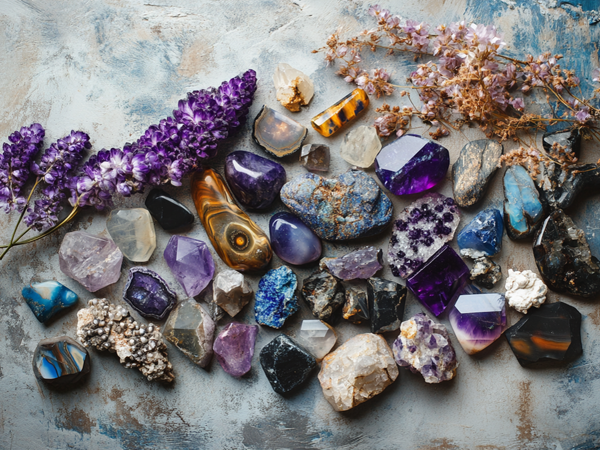
Archaeologists believe humans began wearing jewelry more than 100,000 years ago. The earliest ornaments were crafted from shells, bones, stones, and natural materials.
Interesting fact: Ancient Egyptians believed jewelry possessed magical powers and could protect its wearer from illness and evil spirits.
While the purpose of jewelry has evolved over time, its significance remains surprisingly similar: it helps people express identity.
Researchers have found that accessories influence how others perceive us. Well-chosen jewelry can make a person appear more confident, sophisticated, and approachable.
Choosing jewelry is therefore not merely a matter of fashion — it’s also a form of nonverbal communication.
Jewelry for parties: a time to shine

If there is one place where jewelry can become the star of the show, it’s a party.
The rules here are very different from those of the workplace or formal events. Parties offer the freedom to experiment with shapes, textures, colors, and scale.
Embrace boldness
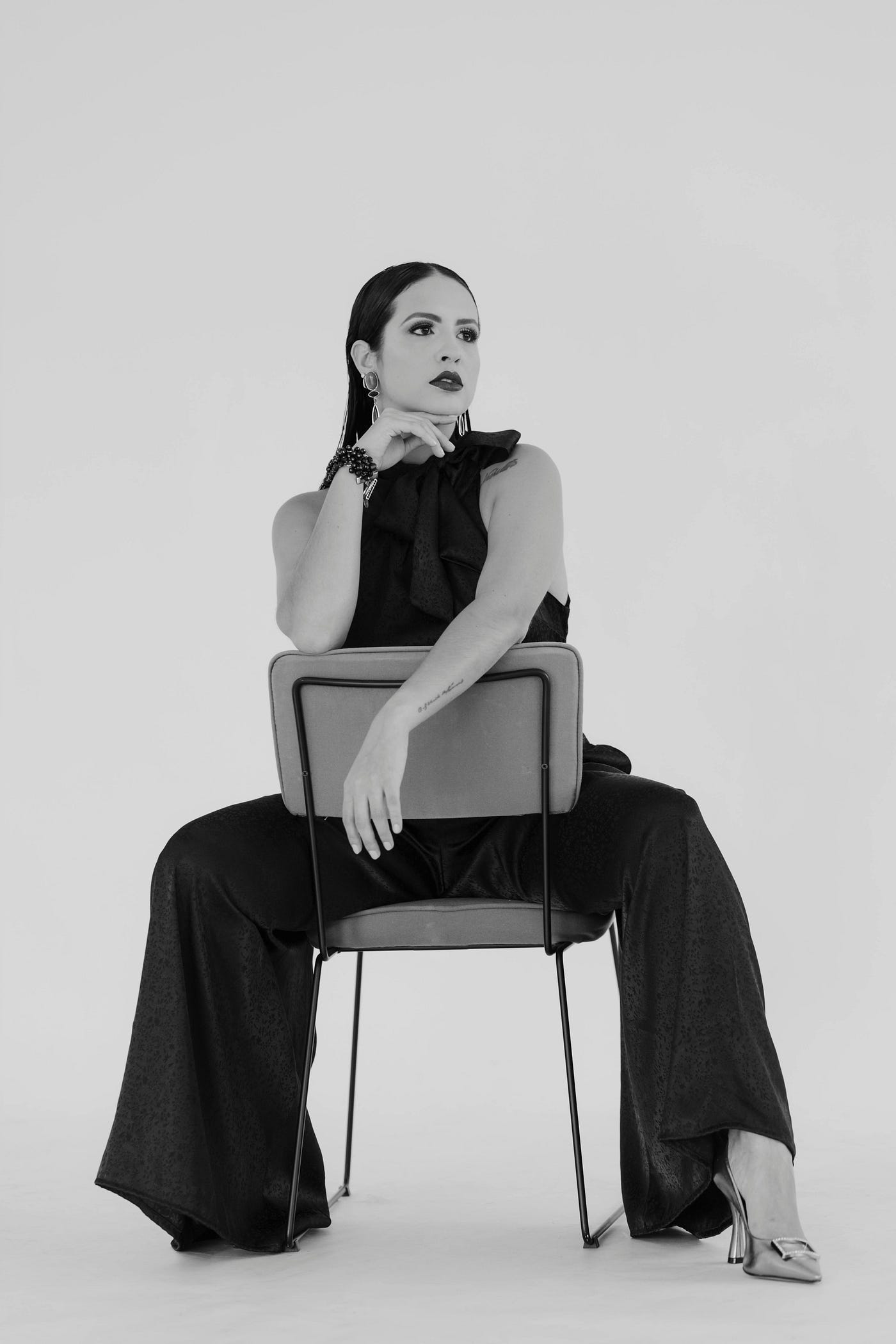
Statement earrings, oversized necklaces, layered chains, and dramatic bracelets can transform even the simplest little black dress into something unforgettable.
Fashion icon Coco Chanel famously advised:
“Before you leave the house, look in the mirror and take one thing off.”
While this advice works beautifully for everyday styling, special occasions sometimes call for a little extra sparkle.
Let the light work for you
Crystals, rhinestones, metallic finishes, and reflective surfaces come alive under evening lighting.
This is why jewelry featuring shimmering details tends to look especially striking at night.
Interesting fact: Many jewelry brands test their collections under restaurant, ballroom, and event lighting — not just daylight — to ensure maximum brilliance.
Consider the theme
A tropical beach party, a retro-themed event, a music festival, and a New Year’s gala all require different styling approaches.
Ethnic jewelry works beautifully for bohemian gatherings and cultural events, while metallic and geometric designs suit modern urban celebrations. Vintage-inspired pieces can add authenticity to retro-themed occasions.
Wedding jewelry: the art of balance

A wedding is a unique occasion where jewelry should complement the overall look rather than compete with it.
Stylists often follow a simple principle:
“Choose the dress first, then the jewelry.”
Elegance over excess
The more intricate the wedding gown, the simpler the accessories should be.
If the dress features lace, embroidery, pearls, or beadwork, delicate earrings and a refined necklace often create the most harmonious result.
Timeless classics
Pearls have remained among the most beloved bridal accessories for centuries.
Interesting fact: During the Victorian era, pearls symbolized purity and sincerity, making them a traditional gift for brides.
Today, brides often choose:
- Pearls
- Moonstone
- Rock crystal
- Aquamarine
- Diamonds
- High-quality cubic zirconia
Color matters
Silver, platinum, and white gold pair beautifully with cool-toned gowns. Yellow gold complements ivory, champagne, and cream-colored dresses particularly well.
Modern weddings encourage creativity, but harmony should always remain the guiding principle.
Jewelry for work: professional without being boring

Professional attire doesn’t require abandoning jewelry.
On the contrary, thoughtfully selected accessories can communicate confidence, attention to detail, and refined taste.
Minimalism always works
Small earrings, delicate necklaces, elegant rings, and understated bracelets create a polished and professional appearance.
Materials that perform especially well in business settings include:
- Silver
- White gold
- Pearls
- Minimalist geometric designs
Jewelry as part of your personal brand

In today’s world of networking and personal branding, details matter more than ever.
For example, Anna Wintour, the iconic editor of Vogue, has worn signature jewelry styles for decades, making them part of her instantly recognizable image. Your jewelry can become a subtle but powerful extension of your professional identity.
Comfort is essential
Even the most beautiful earrings lose their appeal if they become uncomfortable by midday.
If a piece catches on clothing, interferes with typing, or distracts you during meetings, it’s probably better reserved for another occasion.
Everyday jewelry: style for real life
Everyday jewelry is often the most meaningful because it’s what we wear most frequently.
These pieces become part of our personal story.
Versatility is key
The best everyday jewelry works with multiple outfits and lifestyles.
It should transition effortlessly between:
- Jeans and a T-shirt
- Casual dresses
- Office attire
- Weekend outfits
This is why many people have favorite earrings, necklaces, or rings that they wear for years.
Wear a story

Meaningful jewelry continues to gain popularity.
People increasingly seek pieces that symbolize:
- Personal achievements
- Important memories
- Travel experiences
- Spiritual beliefs
- Cultural heritage
Interesting fact: Studies suggest that objects with emotional significance often bring greater long-term satisfaction than items purchased solely because they are fashionable.
Master the art of layering
Layered necklaces, stacked rings, and multiple bracelets remain among the strongest jewelry trends.
The secret is intentional styling. Even a layered look should appear balanced and thoughtfully curated rather than random.
Common jewelry styling mistakes to avoid
Regardless of the occasion, a few universal guidelines apply.
1. Respect scale
Large jewelry works best with simple clothing. Detailed outfits often benefit from more restrained accessories.
2. Consider proportions
Tiny jewelry may disappear against oversized garments, while massive pieces can overwhelm delicate outfits.
3. Prioritize quality
Even affordable fashion jewelry can look luxurious when it is well-made and properly maintained.
4. Stay true to yourself
Trends come and go. Personal style lasts much longer. The most beautiful jewelry is often the jewelry that genuinely reflects the person wearing it.
Final thoughts
Jewelry is a language without words. It can express confidence, tell a story, evoke emotions, and complete an outfit.
- For parties, embrace sparkle and boldness.
- For weddings, choose elegance and harmony.
- For work, focus on refinement and professionalism.
- For everyday life, prioritize comfort, versatility, and personal meaning.
The most important rule remains timeless:
Jewelry should serve you — not the other way around.
When your accessories reflect both your personality and the occasion, they become more than decorative objects. They become an authentic expression of your individual style.
Sources
- Victoria and Albert Museum — History of Jewelry and Personal Adornment.
- The Metropolitan Museum of Art — Jewelry Through the Ages.
- Smithsonian Institution — Early Human Ornamentation Research.
- Psychology Today — The Emotional Value of Personal Possessions.
- British Vogue — Jewelry Styling Guides.
- Harper’s Bazaar — Accessory Trends and Styling Principles.
- Fashion Institute of Technology (FIT) — Fashion Psychology Research.
- Yale University Open Courses — Symbolism in Material Culture.
메타데이터
- post_id
- 2891294f8637
- slug
- how-to-choose-jewelry-for-different-occasions-from-the-office-to-a-wedding-celebration-2891294f8637
- url
- https://medium.com/@orientalstarjewelry/how-to-choose-jewelry-for-different-occasions-from-the-office-to-a-wedding-celebration-2891294f8637
- canonical_url
- https://medium.com/@orientalstarjewelry/how-to-choose-jewelry-for-different-occasions-from-the-office-to-a-wedding-celebration-2891294f8637
- author_url
- https://medium.com/@orientalstarjewelry
- status
- ok
- fetched_at
- 2026-06-27 08:54:08