The Science of Better — 4th Edition
🇹🇷 Halim “Hal” Doğrusöz and How One Maven Brought the “Science of Better” / Operations Research to Türkiye
The Science of Better — 4th Edition
🇹🇷 Halim “Hal” Doğrusöz and How One Maven Brought the “Science of Better” / Operations Research to Türkiye
Non-members can read here or subscribe to stay updated whenever I publish.
🧭 If Operations Research was born in the fog of World War II in Britain with Patrick Blackett, as I have covered previously here… ->
…then its Turkish version — “Yöneylem Araştırması” — was born from a mission, a language, and three moments of destiny.
And at the center of this story stands one man, my father’s thesis advisor and my own professor during my Industrial Engineering masters at METU:

📐 Prof. Dr. Halim Doğrusöz — not just an academic, but, in Malcolm Gladwell’s terms from The Tipping Point, a true maven:
someone who doesn’t just know things, but feels an inner compulsion to spread them.
Gladwell describes a maven as “the kind of person who accumulates knowledge and shares it enthusiastically, triggering social epidemics of ideas.”
Halim Doğrusöz was precisely that — he didn’t just study Operations Research; he brought it home, gave it a name, embedded it in universities, applied it to public policy and industry, and changed the way an entire generation of engineers thought about decisions.
🧓 “It Was the Summer of ’47…”
Halim Doğrusöz often began his lectures with a line that stunned every IE student:
“I’ll never forget… it was the summer of ’47. I was doing my internship.”
From that sentence, every student knew they were listening to history. Because “Hal” (his American nickname) wasn’t just teaching a subject as an academic — he was the living history of it.
And his story — the story of how Operations Research took root in Turkiye — is, as he put it, a tale of three pivotal nudges, or as he joked,
“three times I was pushed into it.”
1️⃣ The First Push: “You Are Actually Doing Operations Research!”
It was the summer of 1956. Doğrusöz, then a young engineer at the State Electrical Works (EİE), was introduced to Oscar Hoffman, an American OR consultant.
During a discussion about one of his optimization projects — determining the optimal voltage and conductor cross-section in transmission lines — Hoffman exclaimed:
“Aha! You are actually doing Operations Research!”
It was the first time Hal had heard the term. Hoffman helped him join ORSA (Operations Research Society of America), and soon after, an offer arrived from the legendary Case Institute of Technology OR Group.
That’s how Turkiye’s first OR practitioner boarded a plane to America.
2️⃣ The Second Push: “You Are a Genius”
At Case, Hal worked on a high-stakes project for the Transportation Corps of the U.S. Army — the unit responsible for logistics and maintenance of helicopters and light aircraft in combat. The challenge: how to design an optimal maintenance and repair system to keep fleets mission-ready under battlefield conditions.
Bell UH-1s the Most Successful Utility Helicopters In Aviation History
The conventional solution was obvious but expensive: ensure that every helicopter model had a full inventory of spare parts available at all times. Hal approached the problem differently. He realized that in real combat scenarios, not every helicopter returns from a mission — and that broken or downed aircraft themselves are an underutilized resource.
His solution was as elegant as it was practical:
✅ Cannibalize components from downed or heavily damaged helicopters to keep the rest flying.
This shift reduced costs, streamlined logistics, and dramatically improved operational readiness.
Prof. Glen Darwin Camp was stunned:
“Hal, you are a genius. You will go back and save Turkiye.”
That single sentence planted a mission in Hal’s mind — to return home and build the kind of scientific and strategic infrastructure that could solve Turkiye’s most complex challenges.
3️⃣ The Third Push: “We Need You Back”
In 1963, a letter arrived from Nimet Özdaş, the first Secretary-General of TÜBİTAK (The Scientific and Technical Research Council of Turkiye):
“We need you. Come back immediately.”
And so he did.
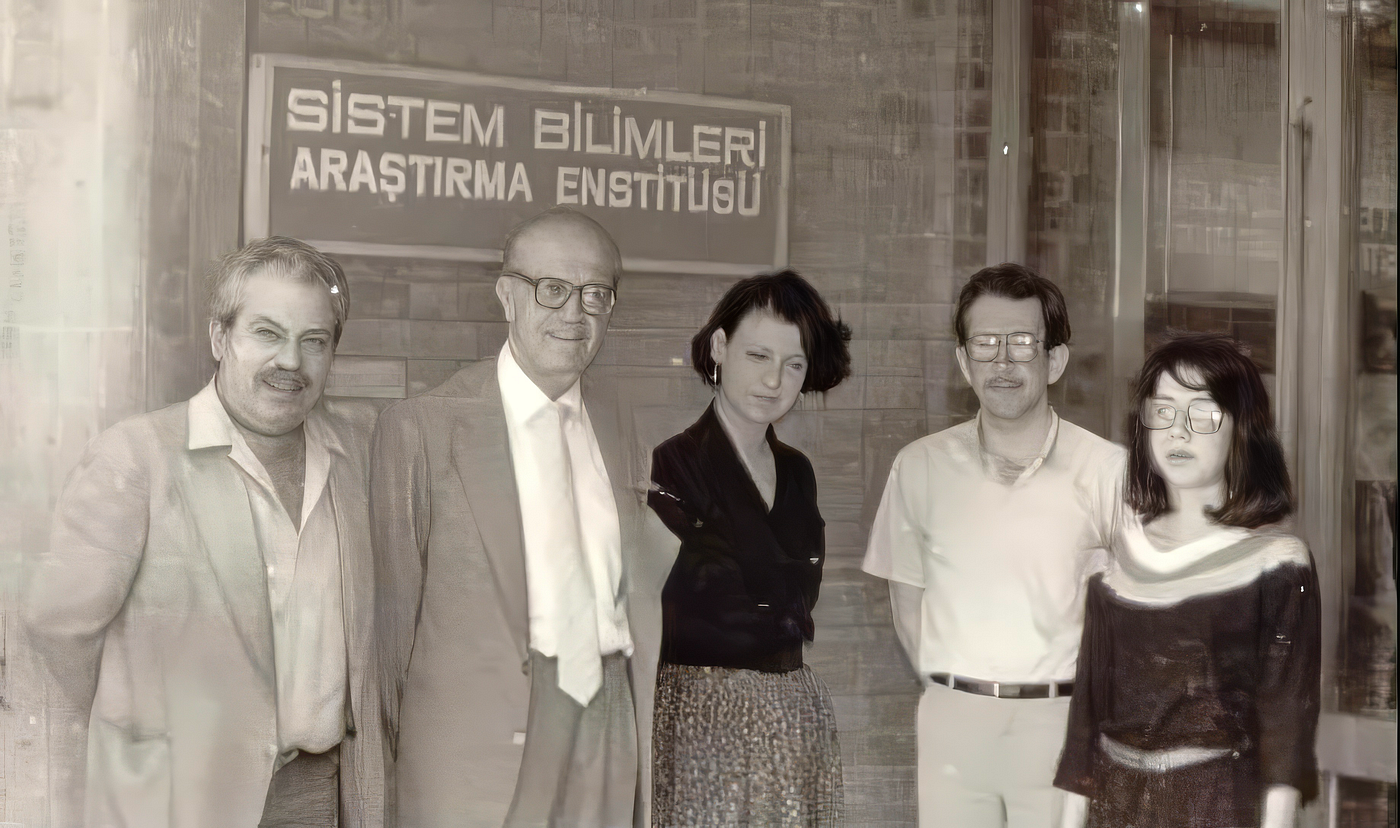
On May, 1965, Hal returned home. His mission: establish an Operations Research Unit within TÜBİTAK and launch a graduate program in OR at Middle East Technical University (METU).
🏛️ First Steps: Institutions, Obstacles, and Early Projects
A newspaper ad went out: “Young graduates wanted to work in Harekat Araştırması (Operations Research).”
Engineers, mathematicians, economists — a truly interdisciplinary team was formed. But the road was anything but smooth.
The first industrial projects were met with skepticism.
💼 Sümerbank: A Symbol of Early Industrialization
At Sümerbank, a state-owned textile and retail giant founded in 1933 as part of Atatürk’s industrialization drive. For decades, it supplied everything from fabric to household goods across the country and was one of the largest employers in the early Turkish Republic, an optimization model proposed reducing the number of shop assistants — but management refused to implement it.
Yet the report was still used as a “shield” against political hiring pressures: “Look, the scientists say we already have too many.”
⚙️ Keban Dam: The Backbone of Turkiye’s Energy Future
The turning point came in 1967 with the Keban Dam Project Management Study — a ₺12 million engagement (massive at the time 1,3 Mio USD, roughly $8 million in today’s dollars).
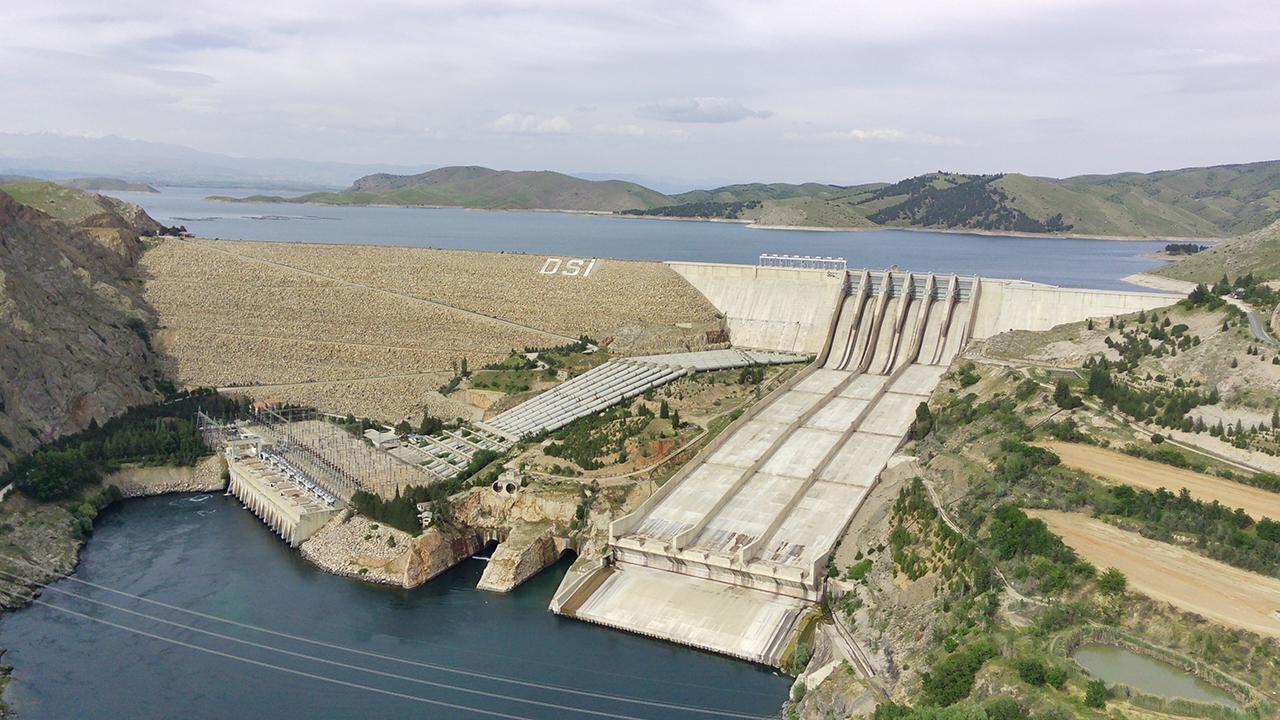
💡 To put that into context: ₺12 million in the 1970s had immense purchasing power — roughly equivalent to $1,25–$1,5 million USD then, which inflation-adjusted is about $8–10 million today. This wasn’t a consulting project — it was a nation-defining strategic intervention.
The Keban Dam, a massive hydroelectric project on the Euphrates River, was one of Türkiye’s most ambitious infrastructure efforts — vital for national electrification, industrial growth, and regional development. Funded by the World Bank and European Investment Bank, its success or failure would shape Türkiye’s modernization trajectory for decades.
Using CPM and PERT techniques, Hal’s team revealed that the project was drastically behind schedule due to unrealistic assumptions. Their findings forced a complete revision of the plan — demonstrating the strategic power of OR to industry, government, and international financiers alike.
📚 The Birth of a Name: From Arabic-Rooted “Harekat” to the Fully Turkish “Yöneylem”
But there was one problem: the term Harekat Araştırması (literally “Operations Research”) felt archaic, militaristic, and linguistically clumsy.
A special meeting was called. Academics, military officers, and linguists debated alternatives:
- “İşlem Araştırması” (Process Research) — too simplistic.
- “Operasyonel Araştırma” (Operational Research) — too clinical, almost medical.
- “Erekizlem” (Goal-Tracking) — creative, but unpopular.
And then, Hal proposed:
“Yöneylem Araştırması”
“Yön” — direction, purpose.
“Eylem” — action.
“Araştırma” — research.
The name was unanimously adopted. At first, politicians disliked it — fearing associations with student movements and leftist journals. But Russell Ackoff, one of the field’s founding figures,— a former wartime OR practitioner, professor at the Wharton School, and one of the thinkers who transformed OR from a set of optimization techniques into a broader science of purposeful action — loved it:
“Research on Purposeful Actions — that’s better than the English name.”
It was more than a compliment. Coming from Ackoff — the man who helped shift the field from “solving equations” to “designing systems with intent” — it was a validation that Türkiye’s translation had captured the soul of the discipline.
🏗️ Building the Ecosystem
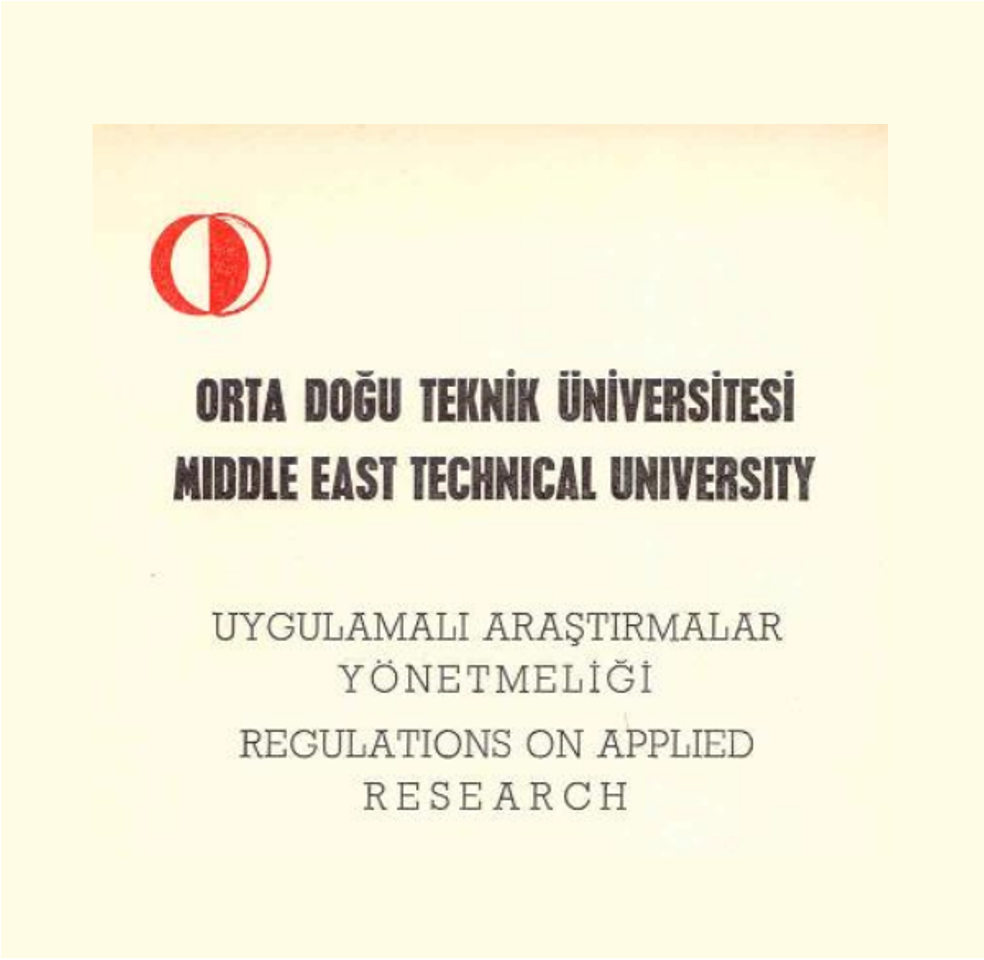
📚 On October 1, 1965, METU launched Turkiye’s first OR graduate program.
📊 In 1974, the country’s first Department of Operations Research and Statistics was established.
🏛️ The Systems Sciences Research Institute (SİBAREN) soon followed.
And the scope of research quickly grew beyond factory scheduling and logistics: it expanded into national planning, policy modeling, and institutional transformation.
Perhaps most importantly,
METU began to transform itself — becoming a university that served society through applied research.
🧠 “Yöneylem” — Purposefulness as a Philosophy
Hal often reminded his students:
“Operations Research is not just mathematics. It relies on intuition. It must account for the human factor.”
This philosophy remains as relevant today as it was in the 1960s.
What we now call
- Decision Analytics
- Decision Intelligence,
- Human-in-the-Loop AI, and
- System Thinking
they all trace their lineage back to those formative years.
🪶 Final Thoughts
Russell Ackoff once said:
“Purposefulness — the science of acting toward a goal — is the essence of operations research.”
And in Turkiye, the person who gave that purpose a name, brought the discipline home, and built its ecosystem was more than a professor — he was, in Gladwell’s words, a maven: a catalyst who couldn’t rest until the knowledge he carried spread beyond himself.
🇹🇷 Prof. Dr. Halim Doğrusöz was Turkiye’s original Science of Better maven — he carried a science across oceans, built a language around it, and embedded a new way of thinking into the country’s intellectual DNA.
Today, whenever we talk about decision systems, optimization, or AI-enabled planning, we are still living in the world he helped design — one purposeful action at a time.
💡 What do you think is Turkiye’s most urgent “operations research problem” today — energy, healthcare, education, logistics, or something else entirely?
OperationsResearch #Yöneylem #HalimDoğrusöz #ScienceOfBetter #DecisionIntelligence #SystemThinking #Maven #ODTÜ #TÜBİTAK
All the best
Altan
Check out the next “Science of Better” piece here ->
P.s.
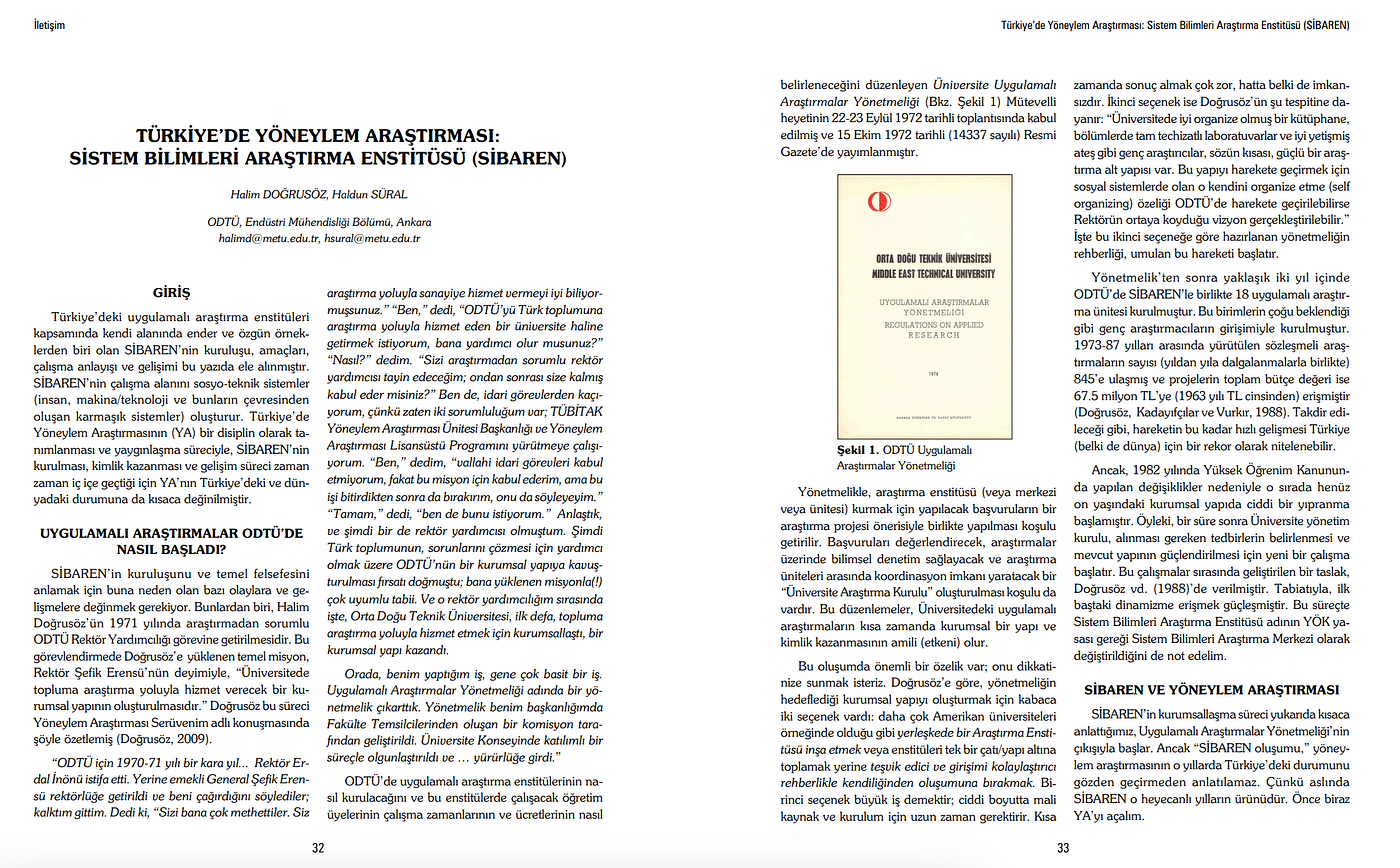
🧭 If you’d like to explore more about Halim “Hal” Doğrusöz’s journey and how he built the foundations of operations research in Türkiye, I highly recommend this insightful piece, which captures both the historical milestones and the spirit of his work ->
Also a great reference for both this story and the broader history of the Science of Better in Türkiye can be found here →
https://www.mmo.org.tr/sites/default/files/0da4d3c5b33b2a5_ek.pdf
메타데이터
- post_id
- 28c2752c19ab
- slug
- the-science-of-better-4th-edition-28c2752c19ab
- url
- https://medium.com/operations-research-bit/the-science-of-better-4th-edition-28c2752c19ab
- canonical_url
- https://medium.com/operations-research-bit/the-science-of-better-4th-edition-28c2752c19ab
- author_url
- https://medium.com/@atabarezz
- status
- ok
- fetched_at
- 2026-06-24 11:06:28