Sometimes our greatest disappointments stem from our own idealisation of how we wish things could…
I will be turning 43 next month, and as I look back on what my life has been thus far, I grieve for the girl who ached for her mother’s…

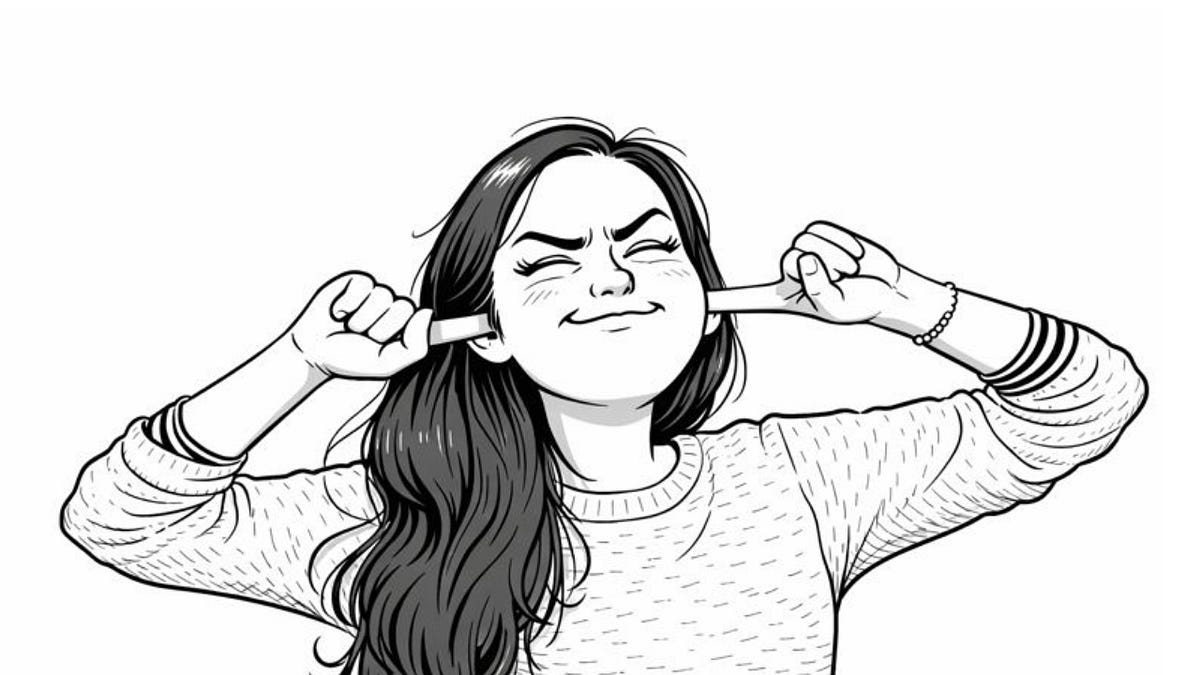
Image from: mypoppet.com.au
Sometimes our greatest disappointments stem from our own idealisation of how we wish things could be.
I will be turning 43 next month, and as I look back on what my life has been thus far, I grieve for the girl who ached for her mother’s love. My mother wasn’t physically absent (although being sent to boarding school from the age of 6 years may count as such); she was emotionally vacant. I am sad to admit that she still is and likely always will be emotionally avoidant.
We have never had a great relationship. Throughout my life, she saw of me what she wanted to see, and in turn, I learned to show her the parts of me that were tolerable to her. I am introverted by nature, so I have never been someone who has felt the need to broadcast my inner world, but my mother never had any interest in knowing either way.
I was not a bad child, but I was painted as a difficult one — dramatic, moody, a cry-baby. The irony was I cried mostly out of hunger for my mother’s support and affection. There were times when I tried to accept her version of love. There were even times in my life when I tried to walk away, but her crumbs left me wanting, and I always returned out of the insatiable need for the mother that I never had.
When my father died in 2020, I lost the one person in my life who was my rock. My sense of self at the time was non-existent, and I latched onto the only other person that I felt could replace my anchor. I doubled down on trying to win my mother’s love. I took on the role of looking after her. My father was a doctor and the bedrock of the family businesses. When he died, he left a vacancy, and being a doctor myself, I became useful.
We tried, in that time, to have a civil relationship. She made accommodations for me, keeping my life comfortable, but I could never shake the feeling that the gestures were transactional. Ultimately, more a way to ensure her own long-term security. I can’t lie. I benefited from the arrangement too. Looking back now, it was a completely codependent relationship.
For the relationship to exist in ‘harmony’, I had to keep myself small and hide the intricate parts of me that I knew, from experience, challenged her sense of stability. The parts of me that she considered unacceptable. As long as I was the person she approved of, our relationship existed.
My mother hasn’t been blatantly abusive, and to be honest, this has made it difficult for me to validate my own experience. It has simply been covert emotional manipulation and subtle verbal jabs that have left internal bruises. I learnt to soothe myself and brace for our interactions. I couldn’t distinguish between what was healthy and unhealthy. It was an emotional and psychological blur. My mother doesn’t look cruel. She presents herself well, and somehow, in my head, that translated into her being a good mother. With grandiose tendencies, maybe, but still decent. She has always been supportive and present to everyone outside the relationship, so I decided I am the problem; I must fix me. The challenge with a relationship like this is that you question and doubt your own experience. The words ‘I love you’ are said, but your instincts quietly ask, should love feel this way? Should these words leave me anxious, and why am I so angry when they are spoken? This kind of love is like eating food that leaves you undernourished. A poor, high-calorie diet that depletes you and slowly results in chronic illness that creeps up on you unseen.
I have learned to hold two truths within myself — I love my mother, but I don’t like her. She is my mother, and I respect her as such, but the weakness I hold in this relationship is toxic loyalty — an unhealthy commitment to someone who harms my wellbeing. In our society, mothers are revered, cherished, honoured and protected. But a mother can also be harmful. This can be true too.
Before I come across as harsh and judgemental, let me be clear that I am a mother too. I know that this role can be challenging. I realise that my mother did the best that she could with the internal resources that she had. But this is about me learning to validate my own experience so that I can heal, break unhealthy patterns, and become a better version of myself.
As it stands, right now I am trying to come to terms with my mother. That she is who she is. That she can be affectionate and present with other people, but that my experience with her leaves me empty and wanting — unseen, unheard, and unknown. At the end of the day, it’s not her responsibility to nurture and protect me anymore. Rather, it’s for me to accept what is. To save and protect myself and to nurture my own heart back to health.
The idea of forgiveness is a complicated one. One that is a long and arduous journey. One that, to a degree, I have begun. But one that I still navigate alone…without my mother.
메타데이터
- post_id
- 28d3fce0d30e
- slug
- sometimes-our-greatest-disappointments-stem-from-our-own-idealisation-of-how-we-wish-things-could-28d3fce0d30e
- url
- https://medium.com/@lbnthusi/sometimes-our-greatest-disappointments-stem-from-our-own-idealisation-of-how-we-wish-things-could-28d3fce0d30e
- canonical_url
- https://medium.com/@lbnthusi/sometimes-our-greatest-disappointments-stem-from-our-own-idealisation-of-how-we-wish-things-could-28d3fce0d30e
- author_url
- https://medium.com/@lbnthusi
- status
- ok
- fetched_at
- 2026-09-01 17:25:59