A Guide to Kyoto’s Public Baths (Sento): Where Locals Go to Unwind
In the quiet steam of Kyoto’s neighborhood sento, you’ll find more than warmth — you’ll find ritual, rhythm, and the art of letting go.
A Guide to Kyoto’s Public Baths (Sento): Where Locals Go to Unwind
In the quiet steam of Kyoto’s neighborhood sento, you’ll find more than warmth — you’ll find ritual, rhythm, and the art of letting go.
Steam, Stillness, and the Heart of Kyoto
It was a rainy Kyoto evening when I first stepped into a neighborhood sento.
I was hesitant — my towel too new, my understanding too shallow. I slipped off my shoes and placed them neatly in the cubby. Everything smelled faintly of cedar and soap. The air was humid. Quiet. Sacred.
Inside, I watched as locals moved through the space with grace and rhythm. There was no small talk, no rush — just the sound of water cascading, of buckets filling, of breath softening.
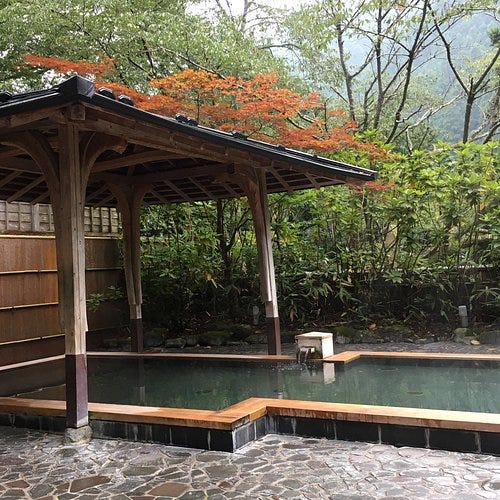
This wasn’t just bathing. It was returning — to oneself, to stillness, to something Kyoto never shouts but always offers.
This guide is for those who want to experience Kyoto through its warmth, through its neighborhood sento — where the city slows down, and strangers share steam like old friends.
What Is a Sento? (And Why It’s Different from Onsen)
A sento is a public bathhouse, traditionally serving neighborhoods that lacked private bathing facilities. Unlike onsen, which are filled with naturally hot, mineral-rich spring water, sento use heated tap water — but with no less reverence.
Sento are humble. Functional. Sacred in their simplicity. And in Kyoto, they are a fading but living tradition, where elderly locals and curious newcomers soak side by side.
The experience isn’t about indulgence — it’s about ritual, resetting, and shared space. And in a city so often reduced to temples and tea ceremonies, sento offer another kind of beauty: quiet, communal, unspoken.
Bathhouse Etiquette: What You Need to Know Before You Go
Here’s how to bathe respectfully:
- Bring a small towel, shampoo, and soap (though many sento have basics for purchase).
- Remove your shoes at the entrance and place them in the shoe locker.
- Pay at the counter — usually around ¥500.
- Undress completely in the changing room.
- Shower thoroughly before entering the baths — cleaning yourself is non-negotiable.
- Bring your towel into the bath area but never into the water.
- Stay quiet. No phones. Just presence.
- After bathing, towel off before returning to the changing area.
- Enjoy a cold drink — milk is tradition.
🚫 Tattoos: Some sento are tattoo-friendly, especially modern ones. Others are not. It’s best to check signage or ask politely if unsure.
Funaoka Onsen — Kyoto’s Grand Neighborhood Bath
Funaoka Onsen feels like a portal.
You walk through its wooden gate into a world carved from another time — Taisho-era murals, ornate woodwork, and tile mosaics that speak softly of an old Kyoto.
Inside, there’s a rich menu of baths: from deep, cedar-scented tubs to bubbling herbal steam rooms and even an electric pulse bath that tingles across the skin.
It’s not flashy, but it is revered. And when I sat alone in the corner tub, steam curling through rafters above, I understood why. Funaoka holds the city’s memory in its heat.
Goko-yu — Simple, Honest, and Community-Filled
Tucked in a quiet residential neighborhood, Goko-yu isn’t beautiful in the conventional sense. It’s plain. Retro. Some might say underwhelming.
But what it offers is something deeper: continuity.
You’ll see the same people there — on Tuesdays, on Thursdays, maybe every evening. They nod but don’t speak. They wash. They soak. They leave.
There’s a vending machine outside that sells banana milk. The lighting is soft. And the air smells like soap and familiarity.
This is what Kyoto looks like when it’s not performing. It’s where the real city breathes.
Want to experience Kyoto not just as a traveler — but as a welcomed guest? **Download the Kyoto Travel Guide* for secret places where the city quietly opens its heart.*
Tamanoyu — Where Steam Meets Art
Tamanoyu is for the quiet creatives.
It’s a sento that’s been lovingly updated but still echoes with tradition. Dragon-tiled murals sprawl across the walls. Gentle jazz hums from speakers near the dressing room. And light filters in through textured glass, catching droplets like ink strokes.
Writers come here. Artists. Older couples who don’t speak, but breathe in sync.
The water is just hot enough. The silence just deep enough.
It’s not just a bath — it’s a meditation in motion, a short poem in steam.
Sento as Ritual: What Locals Know That Tourists Miss
To locals, bathing is not a treat — it’s a rhythm.
It’s the unwinding after work, the resetting of the body, the centering of the soul. And in observing others — the graceful pour of hot water, the alignment of towels, the long exhale — you begin to understand how small actions become sacred through repetition.
Sento teach presence. They teach slowness. And for a traveler open enough, they offer a glimpse into the private pace of Kyoto life.
What to Expect Afterwards: Milk, Silence, and a Slower Pulse
After your bath, drink a bottle of flavored milk. Banana is classic. Coffee milk, my personal favorite.
Some sento have small tatami rooms for resting. Others offer low wooden benches outside where steam follows you like a shadow.
You won’t want to move fast. And that’s the point.
Plan nothing after. Let the softness last. Let Kyoto linger in your pores.
Kyoto’s sento don’t just wash your skin. They wash away noise, rush, and separation. **Get your Kyoto Travel Guide* and walk the city with a quieter heart.*
Pair It With: Where to Stay Near Kyoto’s Sento Culture
To deepen the experience, stay nearby.
Many of Kyoto’s best boutique inns and ryokan are tucked near sento like Funaoka or Tamanoyu. Some even offer their own private baths, inspired by the neighborhood tradition.
These stays are perfect for:
- Digital detoxers
- Solo travelers
- Couples seeking slow time
- Anyone who prefers ritual over routine
Sleep, bathe, walk, repeat. Let your trip be built on rhythm, not rush.
Want a Kyoto stay where evenings end with steam and soft silence? **Browse Kyoto lodging options* and find a place that breathes with the city’s rhythm.*
In the Steam, We Return to Ourselves
Kyoto’s sento aren’t flashy. They’re not Instagrammable. You won’t find souvenir stands or English-language flyers.
But in their quiet repetition, they offer something more enduring.
They give you back your breath. Your body. Your sense of time.
And when you leave — skin warm, hair damp, pulse slowed — you’ll understand something about Kyoto that no guidebook ever says: This city doesn’t just show you beauty. It invites you to be in it.
Affiliate Disclosure: This article contains affiliate links. If you click through and make a purchase, I may earn a small commission at no extra cost to you. Thank you for supporting my work and independent travel writing.
메타데이터
- post_id
- 28f7c25a1ccd
- slug
- a-guide-to-kyotos-public-baths-sento-where-locals-go-to-unwind-28f7c25a1ccd
- url
- https://medium.com/@yinlewang/a-guide-to-kyotos-public-baths-sento-where-locals-go-to-unwind-28f7c25a1ccd
- canonical_url
- https://medium.com/@yinlewang/a-guide-to-kyotos-public-baths-sento-where-locals-go-to-unwind-28f7c25a1ccd
- author_url
- https://medium.com/@yinlewang
- status
- ok
- fetched_at
- 2026-07-19 14:03:49