Your Body Remembers: A Guide to Seeking Safety
For those who survive trauma, our bodies may respond to traumatic experiences even when our conscious mind has repressed the memories.
Your Body Remembers: A Guide to Seeking Safety
For those who survive trauma, our bodies may respond to traumatic experiences even when our conscious mind has repressed the memories.
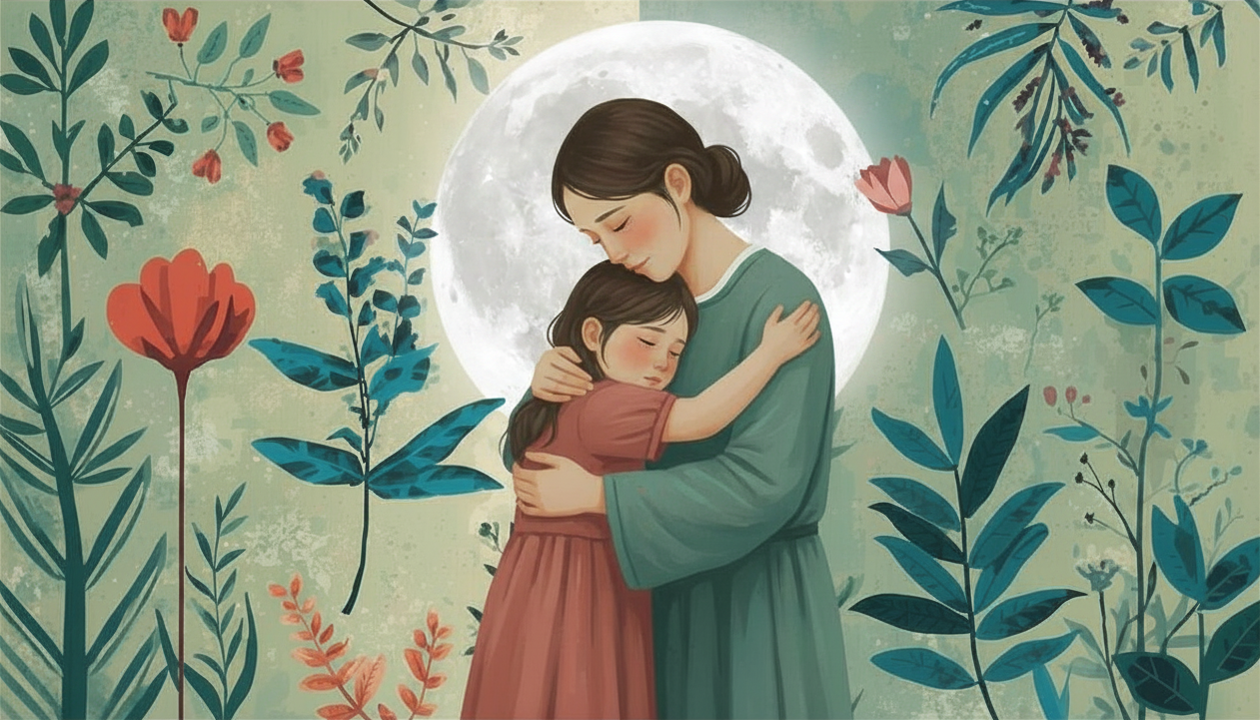
My Young Self by Author via Canva AI
If you’d like to read this article and are not yet a member of Medium, you can access it here —[ Your Body Remembers: A Guide to Seeking Safety](https://medium.com/@sarah_faye/29066dbb4ef9?source=friends_link&sk=a0dc2236d0e8372ef7612f41da957068)
Trauma does something to us, that forges us in fire, hardens and folds us into steel fit for use in a Katana, it makes us stronger, but we don’t always feel strong.
We feel vulnerable, sad, disconnected, and alone. Because it is difficult to find connection with others who will ever understand what we have faced.
And survived.
I know this from my personal experience, that telling people what I have survived, often causes two things to be true.
It can make survivors vulnerable to people who exploit their emotional vulnerabilities, insecure attachment style and porous boundaries.
And it can also deeply overwhelm, cause distress, or trigger difficult emotions in those you tell if we are not self-aware, and we ‘trauma dump’.
But as a human, we still seek connection with others, while equally knowing that to do so means we must not share what has been survived, too soon, or in most cases, at all.
This creates a deeply painful dichotomy of balancing the needs of being with other people, and needing our time alone to either recharge, or to simply exist, have boundaries, and ‘feel’ safe.
Because this is what trauma victims are seeking, we need psychological safety, to exist within any space, with anyone, and be without needing to explain, or justify why.
I am writing this as both a warning to not expose who you are to those who would seek to harm you, and to also to learn over time, to be open to those who can be trusted.
Your rule must become, that outside of the therapeutic journey with a qualified therapist you trust, until you know the motives of the people around you, you do not tell anyone about your trauma.
Trigger Warning (TW): Types of abuse will be detailed and explained in the following sections.
Types of Abuse and their Impact
Childhood abuse in physical, emotional and sexual often causes overlaps in the child’s mind that are carried through unprocessed, into adulthood.
These experiences, if repeated, may also form into Complex Post-Traumatic Stress Disorder (CPTSD), and become ‘stuck’ in the body, as well as the mind.
Feelings of not being good enough, as a child can manifest as an adult that prevent social activities taking place and human connections being made.
We may become hyper-vigilant to everything around us because the perceived fear is so prominent in our bodies that we believe it is happening right now.
Going into the garden, being outside, socialising, hearing loud traffic, someone is shouting, dogs barking, a child crying.
They can trigger intense reactions in the body that may be unexplainable in the moment, but cause extreme levels of distress, panic, and fear.
Feeling stuck in the moment, in fight, flight, freeze, fawn or flop is common, as are bodily twitches, uncontrollable sweats, shakes, and tremors.
While you may experience the feelings in the present, even when your mind knows you are safe, your body is telling you the opposite.
CPTSD is also not only for those from traumatic childhoods, people in the Armed Forces who experience repeated exposure to hostile environments report the similar symptoms to someone who survives child abuse.
Adults are equally susceptible to developing CPTSD from domestic abuse relationships where they are trapped, and do not know they are ‘allowed’ to leave or, they are prevented from seeking safety due to imprisonment or threats of violence.
The pattern of experiencing abuse or trauma over-and-over again can make any victim believe that ‘they’ are the cause of the trauma.
That it’s their fault it is happening to them as the memory is repeated internally, over-and-over again.
1. Abandonment, Neglect, and Rejection in Childhood
When a child experiences abandonment, neglect and rejection it is devastating to both the child in the moment, and the adult they will become.
Insecure attachment styles can be created, leaving the victim accepting almost any behaviour as long as the perpetrator ‘accepts’ them.
Victims are often found ‘giving’ themselves away, including time, attention, money, emotions, and having no boundaries.
It creates the potential for those who would seek control over a partner or friend, to do so without challenge.
Traumatic childhoods in this scenario cause adults to be as what society describes as ‘clingy’ or seen as ‘needy’.
While in Psychology we call an ‘attachment style’ and describe how it was formed from defence mechanisms and the ‘fear’ of abandonment or the act of being rejected.
It is ‘how’ the child or adult forms connections with others and their Self.
But what they actually are is someone who is seeking safety from external validation, through maladaptive coping mechanisms.
If the other person tells them they are ‘good enough’ and ‘wanted’, then they will be safe and good enough.
But using this gives away your power, and makes you vulnerable to someone or people who could use this against you.
Safety
The alternative is through trauma informed therapy, to be taught how to self-validate your own feelings of safety, and being good enough.
When you do so, you remove the vulnerability to abuse, while being able to be authentically vulnerable for healing to take place and make real connections with people who demonstrate safety through their actions.
You will no longer rely on external sources to provide the connection you seek, as you will ‘give’ this connection ‘to’ your Self.
Then, if an abusive person tries to bait you into a dependant relationship, you will see it, self-validate, and not ‘need’ them, because you ‘have’ your Self.
2. Psychological Torture
Children who are the dumping ground for parents or caregivers who are toxic and abusive people, go through absolute Hell in order to survive.
I know this intimately, it leaves us becoming so used to being abused that we believe this is our normal, and we continue to seek its familiarity.
A child who is put through this by caregivers may develop a devalued sense of Self, and is unable to self-regulate their nervous system or emotionally.
They can become trauma bonded easily, and rely on others for almost every aspect of psychological support and well-being.
This is where you find children who are blamed for their parents’ anger and violence carrying shame that does not belong to them.
But through fear, obligation and guilt, and even threats to end their life, it forces them through survival adaptation to believe they are the problem.
A child is incapable of seeing their caregiver as dangerous, it’s hard-wired into our brains neurologically.
It means the child is easily forced to carry the pain by the parent. They believe:
“I’m not good enough.”
“I’m dirty.”
“It’s my fault they hate me.”
“If I wasn’t bad, they wouldn’t hurt me.”
Caregivers who lie, lie by omission, gaslight, deny, accuse reverse victim and offender (DARVO) and use fear, obligation and guilt (FOG) against a child, can cause untold damage.
This damage may remain unprocessed for many years, and for some, due to circumstance, is never processed or released from the body.
Safety
Trauma informed therapy will give you the skills to re-parent your little Self or Selves.
It teaches you how to become the parent you never had, and you can learn new neurological pathways that are not self-destructive or self-hating.
It is fully possible to slowly rewire your brain out of the place you have felt stuck for so long.
Your therapist creates the safe space for you to release your pain within, and with unconditional positive regard, fully accepted for the beautiful Soul that you are.
3. Emotional Manipulation
Blackmail, bribery, using threats and intimidation, reactive abuse and causing the victim to blame themselves for the actions of the abuser.
Forcing a child to accept that they are the cause for the parents’ rage, a partner who says, “I only abuse you because you are weak.”
Someone might tell a friend or partner they have been having thoughts of self-harm and it’s because they keep asking ‘questions’.
But the questions are actually a victim trying to hold an abuser to account of their actions.
But the abuser wants to elicit a reaction to exploit meaning, “If you don’t do what I want, I’ll hurt myself and you are responsible.”
They are blaming the act of holding them to account on the victim. This is also reverse victim and offender, and is part of domestic abuse.
Emotional manipulation can be subtle at first, tiny little boundary pushes, and while moving through to the extreme violence in domestic abuse.
The use of fear, obligation and guilt (FOG) is prevalent here, it can also include gaslighting when the abuser wants something from the victim.
It all circles around the abusive person wanting control over the victim, their resource(s), time, attention and sometimes financial coercion.
It’s about power. And they don’t care how they get it.
Safety
Within trauma informed therapy, you will learn about boundaries, your self-identity, and do the ground work that builds your foundations.
Upon them, you will create a strong sense of Self that you will be able to give who you are, internal validation.
This means that no matter what anyone else says to you, if it’s not true, you know it, and they can’t change that.
When someone tries to manipulate you, your response becomes, “I’m not interested in that.”
It shuts them down, and tells them you don’t care what they say, and you know your internal value.
4. Physical and Sexual Abuse
The abuser or narcissistic person may be an addict to control and sexual promiscuity as a way to cover up their internal feelings of self-worth.
But they are buried so deeply, that no one will ever be able to help them, and it would take catastrophic collapse for them to admit they are the abuser.
When someone, in a split second goes from calm to absolute rage monster and evil, if you are ever safe enough to do so, you can see in their eyes they are ‘choosing’ to do this.
It’s calculated and specific. They smile to their friends and yours on the outside, and behind closed doors they intimidate and coerce you to do things you didn’t want to do.
They want power over you by creating fear of them, with this fear, they can then use coercion, manipulation, more gaslighting, and get you trauma bonded to them.
Sexual abuse is too, about power and control over another. The abuser is using the power imbalance to make themselves feel better about who they are by ‘being’ in control.
It is statistically likely that they were created from abuse against them where they were ‘not’ in control, but some can also be genetic or predisposed to not have empathy, regardless of the cause, it’s power they seek.
They want another to either fawn them and become trauma bonded to them, fear them and then ‘give’ themselves away, or they want something by force.
The power creates a food supply for them. For some it numbs internal pain, for others it feeds their cruelty and self-beliefs they are superior.
Safety
Trauma informed therapy teaches you self-worth, how to see your personal value, and how to spot danger and listen to the signals of your body, and not rationalise them away.
When you feel danger, you won’t tell your Self, “It’s OK, that person is safe, we can be with them and be friends,” you will listen and walk away.
You will no longer fall for gaslighting and false victimhood, and you will spot their behaviours quickly.
And remember, you are not responsible for their actions, because many of us have become trapped by abusers and had our agency removed.
Intimidation and fear are incredibly powerful emotions and this is not your burden to carry, it is not your fault you became trapped.
The only people responsible for being abusers, are abusers, victims are not responsible for becoming victims.
Trauma informed therapy works by teaching you how to see this, and learning to love your Self again, and removing the burden of guilt for what was done to you.
5. Coercion and Coercive Control
When an abuser makes a victim do something they either wouldn’t do or normally, want to ever do, or give away their money to someone, this is coercive control.
For example, your partner repeatedly spends money they do not have. And when the bills arrive, they tell you that they do not have the money to pay the debt.
If you’re married this creates a dichotomy because if you don’t pay, your credit rating will be impacted by association (U.K. at least).
On the other hand, they may also use threats of violence, emotional instability, and tell you that if you do not help them, they will self-harm.
This puts all the pressure onto you, to solve their problems, carry their guilt, and be responsible for their shame.
And this can also include them buying you gifts on credit cards, that they make you pay off later.
Buying something wrapped up in a pretty package is simpler for them than having to demonstrate accountability of their actions, by not being cruel and abusive.
Also forcing you to pay for your own gifts devalues you to your core because on some level, you know this is happening but through fear of their behaviour, you go along with the façade.
Your brain will not allow you in that moment to see the full truth though, because doing so would be too dangerous.
You will only begin to see the truth when you reach the point at which you are ready to extricate yourself from their presence, and set boundaries for your safety.
Coercion though can also be incredible subtle, like planting seeds of thoughts they want you to do later on, or believe are your ideas.
This is deeply painful for victims because the gaslighting and abuse used, disconnects you from reality and forces victims to lose their anchor points.
Safety
Trauma informed therapy re-routes the thought of ‘having’ to stay and gives back your power to breaking the trauma bond.
It then actively enables the victim to see they are not responsible for the abuser or their behaviour, that the abuser ‘chooses’ their own actions and reactions.
Therapy enables us going from having zero boundaries about what is acceptable treatment to us, to seeing our self-worth and saying, “No! This is not acceptable. Keep abusing me, and I’ll phone the Police.”
Getting Your Self to Safety
Trauma informed therapy, is incredibly powerful as a process, a treatment, and a life saving experience.
When you lift your Self out of harm’s way it is liberating beyond words can describe.
You are not responsible for what the abusive person has done to you.
You are not responsible for their actions, reactions or the fear of them.
*If you are experiencing domestic abuse or other forms, please seek safety through a local or registered service that can protect you.
My work is a guide only and does not replace trauma informed therapy, it is a signpost towards it.
메타데이터
- post_id
- 29066dbb4ef9
- slug
- your-body-remembers-a-guide-to-seeking-safety-29066dbb4ef9
- url
- https://medium.com/boopington-farm/your-body-remembers-a-guide-to-seeking-safety-29066dbb4ef9
- canonical_url
- https://medium.com/boopington-farm/your-body-remembers-a-guide-to-seeking-safety-29066dbb4ef9
- author_url
- https://medium.com/@sarah_faye
- status
- ok
- fetched_at
- 2026-06-23 17:05:31