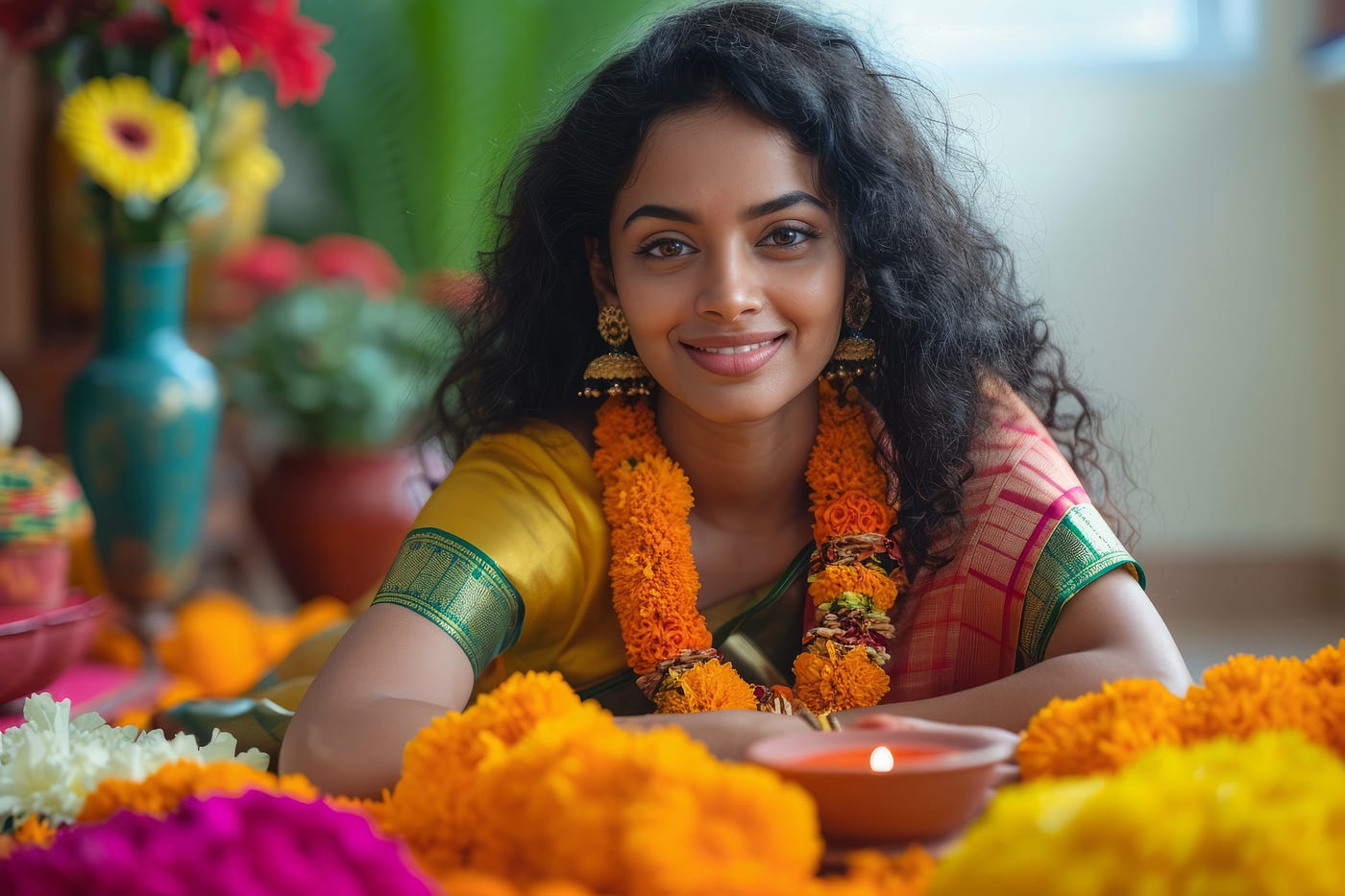
A Complete Guide to Traditional Hair Jewelry: Matils, Maang Tikkas, and Sheeshphools
Traditional hair jewelry holds a special place in South Asian culture, adding a touch of elegance and sophistication to bridal and festive…
A Complete Guide to Traditional Hair Jewelry: Matils, Maang Tikkas, and Sheeshphools
Traditional hair jewelry holds a special place in South Asian culture, adding a touch of elegance and sophistication to bridal and festive attire. Among the most popular pieces in this category are matils, maang tikkas, and sheeshphools. Each of these accessories has its unique charm and cultural significance, making them timeless symbols of beauty and grace. In this article, we’ll dive into the details of these beautiful ornaments, exploring their origins, styles, and how they can enhance any traditional look.
1. Matils: The Elegant Ear Chain
Matils, also known as ear chains, are delicate chains that connect earrings to the hair. Traditionally worn by brides, matils add an extra layer of elegance and stability to large, heavy earrings. These accessories are often embellished with small pearls, gemstones, or intricate metalwork, creating a graceful effect that enhances the wearer’s beauty.
Types of Matils:
- Single-Line Matils: A single, thin chain extending from the earring to the hair, giving a minimalist and subtle look. These are ideal for simple, elegant styles.
- Multi-Line Matils: With two or more chains on each side, these matils add extra volume and grandeur, making them perfect for bridal wear or festive occasions.
- Studded Matils: Featuring gemstones or pearls, these matils add a pop of color and can be coordinated with matching earrings and other jewelry pieces.
Styling Tips for Matils:
- Pair studded matils with statement earrings and an updo hairstyle to keep the focus on your earrings and face.
- Multi-line matils work beautifully with lehengas and sarees, enhancing the overall traditional aesthetic.
- For a softer look, choose single-line matils with lightweight earrings and a low bun or braided hairstyle.
Matils are ideal for anyone looking to add a touch of tradition to their ensemble, and they can be effortlessly styled with both heavy and simple outfits.
2. Maang Tikka: The Iconic Forehead Ornament
Maang tikkas are one of the most iconic pieces of Indian jewelry, worn by brides and women attending festive occasions. This forehead accessory hangs in the center of the forehead and is secured by a chain that runs along the hairline. Maang tikkas have a deep cultural significance, symbolizing marital status, and are often an essential part of bridal attire.
Types of Maang Tikkas:
- Single-Chain Maang Tikka: A simple design with a single chain and a pendant that rests on the forehead. This is the most popular style, versatile enough to suit any outfit.
- Borla Tikka: Traditional to Rajasthani jewellery, borla tikkas feature a round, dome-like pendant that is unique and eye-catching.
- Passa Maang Tikka: Originating from Mughal-inspired jewelry, the passa maang tikka sits to one side of the forehead, creating a dramatic and regal look.
- Multi-Layer Maang Tikka: With additional chains that frame the forehead, this style is ideal for grand occasions and provides a majestic appearance.
Styling Tips for Maang Tikkas:
- A single-chain maang tikka complements a simple saree or lehenga and pairs well with minimal jewelry for an elegant look.
- Pair a borla tikka with Rajasthani-inspired attire or a classic bridal outfit to channel a traditional vibe.
- If wearing a multi-layer maang tikka, keep the rest of your jewelry simple to ensure balance and let the tikka stand out.
Maang tikkas add sophistication and grace to any outfit, and with the wide range of designs available, you can find one that perfectly matches your style and occasion.
3. Sheeshphool: A Regal and Enchanting Headpiece
Sheeshphools are elaborate headpieces that cover the top of the head, usually worn by brides. Sheeshphool, meaning “flower for the head,” is often designed with floral motifs and intricate patterns, making it one of the most regal pieces of traditional jewelry. Rooted in Indian royal history, sheeshphools add an unmistakable charm to bridal attire, symbolizing femininity and strength.
Types of Sheeshphools:
- Full Sheeshphool: Covering the top and sides of the head, this design typically features an array of floral motifs, gemstones, and intricate metalwork.
- Half Sheeshphool: Covering only the front part of the head, the half sheeshphool offers a less elaborate yet equally stunning look.
- Floral Sheeshphool: Decorated with floral patterns or clusters of pearls and gemstones, these designs emphasize elegance and tradition.
- Diamond Sheeshphool: For a modern twist, diamond-studded sheeshphools add a luxurious touch to any bridal ensemble.
Styling Tips for Sheeshphools:
- Full sheeshphools pair beautifully with classic bridal attire, such as a lehenga or saree, enhancing the regal and traditional look.
- For a fusion style, choose a half sheeshphool with a floral motif to pair with a more contemporary outfit.
- Coordinate your sheeshphool with other jewelry pieces, such as a maang tikka or jhumkas, to create a cohesive and harmonious look.
Sheeshphools are an opulent and grand choice for weddings or cultural events, lending a unique flair and royal elegance to your look.
Choosing the Right Hair Jewelry for Your Look
When selecting traditional hair jewelry like matils, maang tikkas, or sheeshphools, consider the occasion, your hairstyle, and your outfit to create a balanced and harmonious look.
- For a Bridal Look: A full sheeshphool with a matching maang tikka and matils can create a magnificent and cohesive look that is perfect for the wedding day.
- For Festivals and Celebrations: A single-chain maang tikka or a simple matil can add elegance to your festive attire without overwhelming your look.
- For a Statement Style: Opt for a unique or intricate sheeshphool to stand out, paired with simpler jewelry to let the headpiece shine.
Hair jewelry is a beautiful way to honor tradition while adding a touch of glamour to any outfit. With a carefully selected piece, you can enhance your entire look and celebrate the cultural richness of South Asian jewelry.
Final Thoughts
Matils, maang tikkas, and sheeshphools each hold a special place in traditional jewelry, symbolizing elegance, beauty, and cultural heritage. Whether you’re dressing up for a wedding or a festive occasion, these beautiful pieces of jewelry can add an extraordinary touch to your ensemble. With the right styling and a sense of confidence, you can make any of these timeless pieces your own.
메타데이터
- post_id
- 293a990f6a2c
- slug
- a-complete-guide-to-traditional-hair-jewelry-matils-maang-tikkas-and-sheeshphools-293a990f6a2c
- url
- https://medium.com/@vasudevkushal427/a-complete-guide-to-traditional-hair-jewelry-matils-maang-tikkas-and-sheeshphools-293a990f6a2c
- canonical_url
- https://medium.com/@vasudevkushal427/a-complete-guide-to-traditional-hair-jewelry-matils-maang-tikkas-and-sheeshphools-293a990f6a2c
- author_url
- https://medium.com/@vasudevkushal427
- status
- ok
- fetched_at
- 2026-07-22 04:47:18