Privacy in the Metaverse: What METAseen Reveals About Web3 Worlds
Keywords: Metaverse, Web3-based Metaverse, Privacy and Security, Network Traffic Analysis, Data Leakage, VR Environments, Virtual Reality…
Privacy in the Metaverse: What METAseen Reveals About Web3 Worlds
Keywords: Metaverse, Web3-based Metaverse, Privacy and Security, Network Traffic Analysis, Data Leakage, VR Environments, Virtual Reality Systems, Behavioral Profiling, User Data Privacy, Encrypted Traffic Analysis, Cybersecurity in Virtual Worlds, Digital Identity, Extended Reality (XR), Internet of Things (IoT) Integration, Blockchain in Metaverse, Decentralized Systems, AI-driven Analytics, OVRseen, METAseen
Abstract
Metaverse is becoming an important part of today’s digital world, combining virtual reality, social interaction, and Web3 technologies. While it offers new and immersive experiences, it also brings serious concerns about privacy and data security. This article explores existing research on the metaverse, focusing especially on the METAseen study, which analyzes network traffic and privacy policies in Web3 metaverse systems. By reviewing several key studies, this article shows how user information can be exposed even in encrypted environments and why privacy remains a major challenge for future virtual worlds.
Introduction
The term “metaverse” is commonly used today, but its meaning is still not fully clear and changes depending on the context. Some people see it as a virtual game environment, others as a digital economy, and some directly relate it to virtual reality technologies. However, this narrow view does not fully explain the concept.
In general, the metaverse can be described as a persistent digital environment that connects the physical and virtual worlds, where users interact through avatars and digital identities [6]. From a more conceptual perspective, it can also be seen as a digital reflection of reality that extends and mirrors the real world through technology [2].
The metaverse is built on several technologies such as virtual reality, artificial intelligence, and blockchain, which together aim to create more immersive digital experiences [6]. As this idea continues to develop, it also raises important questions about its real impact, especially in terms of privacy and security.
Privacy and Security in the Metaverse
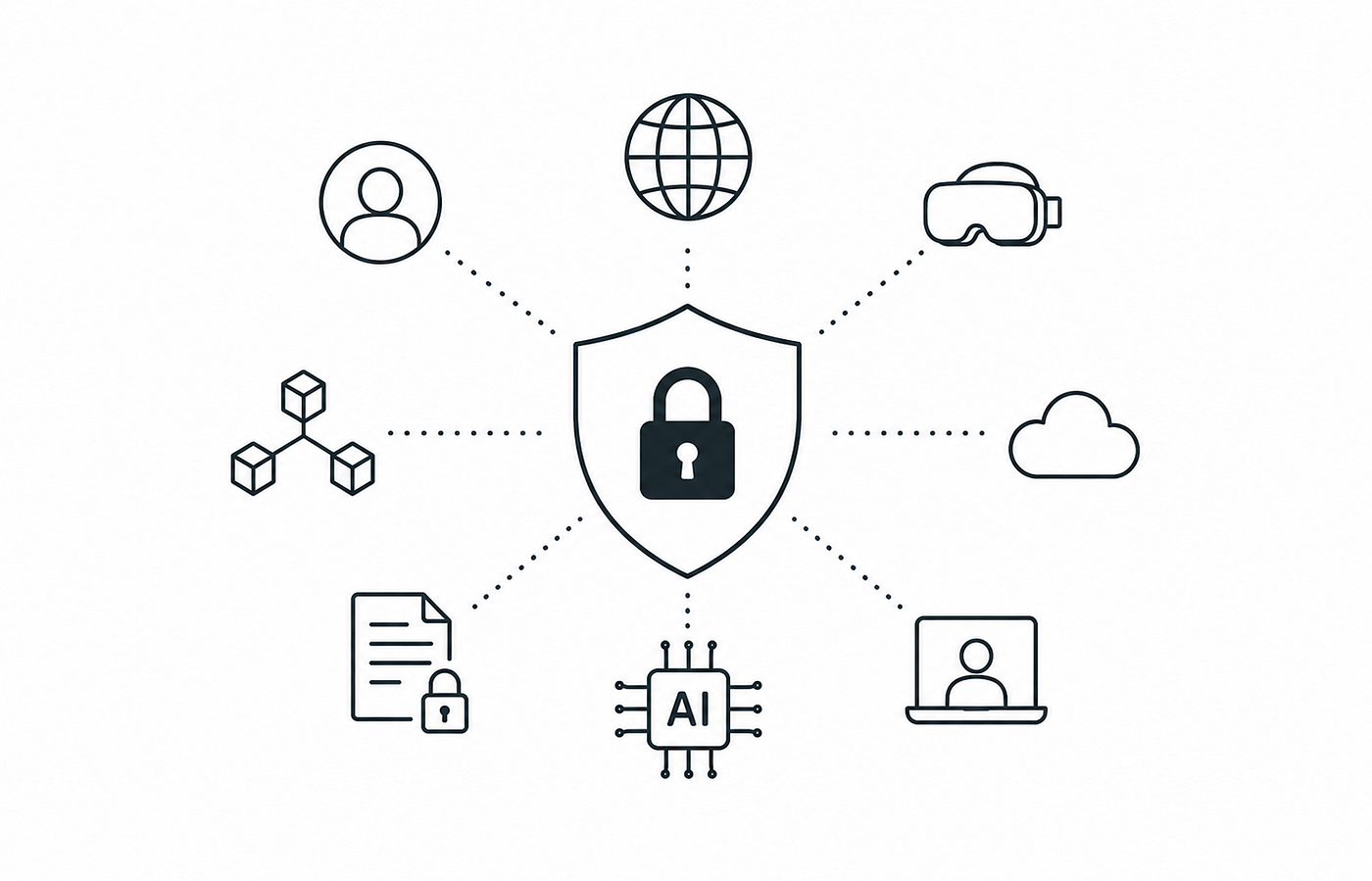
The metaverse introduces a highly complex environment where privacy and security challenges extend beyond traditional internet systems. As multiple studies emphasize, this new digital space combines physical, virtual, and social interactions, which significantly increases the attack surface for potential threats [7], [8].
From a general cybersecurity perspective, the metaverse inherits common risks such as data breaches, phishing, unauthorized access, and identity theft, but these risks become more severe due to the immersive and data-rich nature of the environment [5], [7]. Unlike traditional systems, users continuously generate behavioral, spatial, and biometric data, making privacy protection much more difficult.
According to Yu et al. (METAseen), even encrypted systems can still leak sensitive information through network traffic analysis, showing that privacy risks are not limited to application-level vulnerabilities but also exist at the network layer [1]. Similarly, VR-based studies such as OVRseen demonstrate that user behavior and interaction patterns can be inferred from device-level data, highlighting how deeply personal information is embedded in metaverse systems [4].
Tukur et al. [8] further highlight that metaverse users share extensive personal data, including location, movement, and interaction history. This raises critical questions about data ownership, storage, and access control. In many cases, governance structures for handling this data are still underdeveloped.
At the infrastructure level, blockchain and smart contract systems also introduce new vulnerabilities. Issues such as consensus mechanism attacks, smart contract bugs, and cryptographic limitations can expose systems to exploitation [7]. In addition, AR/VR authentication systems face challenges in identity verification and biometric data protection, where even advanced methods like voice or facial recognition may still be vulnerable [7].
Cloud and IoT-based architectures further expand the risk landscape. As highlighted in metaverse security research, decentralized infrastructure can lead to management weaknesses, DDoS vulnerabilities, and data exposure risks if not properly secured [7].
Beyond technical issues, policy and governance concerns are also central. Questions about access rights, data ownership, and user privacy remain open, especially as metaverse platforms evolve into large-scale socio-economic ecosystems [8]. These concerns are not only technical but also ethical and regulatory in nature.
Overall, research consistently shows that metaverse security and privacy issues operate across multiple layers, including application, network, device, and policy levels. Addressing these challenges requires a combined approach involving technical solutions, system design improvements, and regulatory frameworks [1], [4], [5], [7], [8].
VR-Based Privacy Risks and OVRseen Analysis
Virtual reality is one of the core building blocks of the metaverse, but it also brings some of the most serious privacy concerns. The main reason is that VR systems do not just process what users do intentionally, but continuously collect detailed information about how they move, look, and interact in a virtual environment. This includes sensor data from headsets, controllers, and sometimes even biometric signals [4].
The OVRseen study takes a closer look at this issue by analyzing network traffic and privacy policies in Oculus VR applications. One of the key findings is that these systems often collect far more data than users would normally expect. This includes not only basic account or device information, but also detailed behavioral data generated during VR interactions [4]. In some cases, the data being transmitted does not fully match what is explained in privacy policies, which raises transparency concerns [4].
What makes VR more sensitive compared to traditional applications is the continuous nature of tracking. Instead of collecting data only when a user performs a specific action, VR systems observe behavior throughout the entire experience. This constant monitoring creates a much richer dataset about the user, which can later be analyzed or even misused if security is not properly ensured [4].
Another important finding from recent studies is that even short-term VR usage can reveal meaningful information about users. Small patterns in movement, reaction speed, or interaction style can potentially be used to infer personal traits or behavior tendencies [10]. This means that privacy risks are not only about what data is stored, but also about what can be indirectly inferred from user behavior.
On top of that, the increasing use of artificial intelligence in extended reality systems adds another layer of complexity. AI is used to improve rendering, prediction, and interaction quality, but it can also unintentionally contribute to privacy risks by processing and learning from sensitive user data. In some cases, this can lead to inference-based attacks or unexpected data leakage in AI-driven environments [10].
Overall, VR environments in the metaverse should not be seen as simple interactive spaces. They are data-rich ecosystems where user behavior is constantly analyzed, often in ways that go beyond what users are aware of. This makes privacy protection a central challenge in VR-based metaverse systems [4], [10].
METAseen: Network Traffic and Privacy in Web3 Metaverse Systems
The evolution of the metaverse did not happen suddenly. Early virtual environments such as Second Life already demonstrated how users can interact in persistent digital spaces, creating social and economic behaviors that resemble real-world systems [3]. However, with the transition toward Web3-based architectures, the scale, complexity, and data sensitivity of these environments have significantly increased.
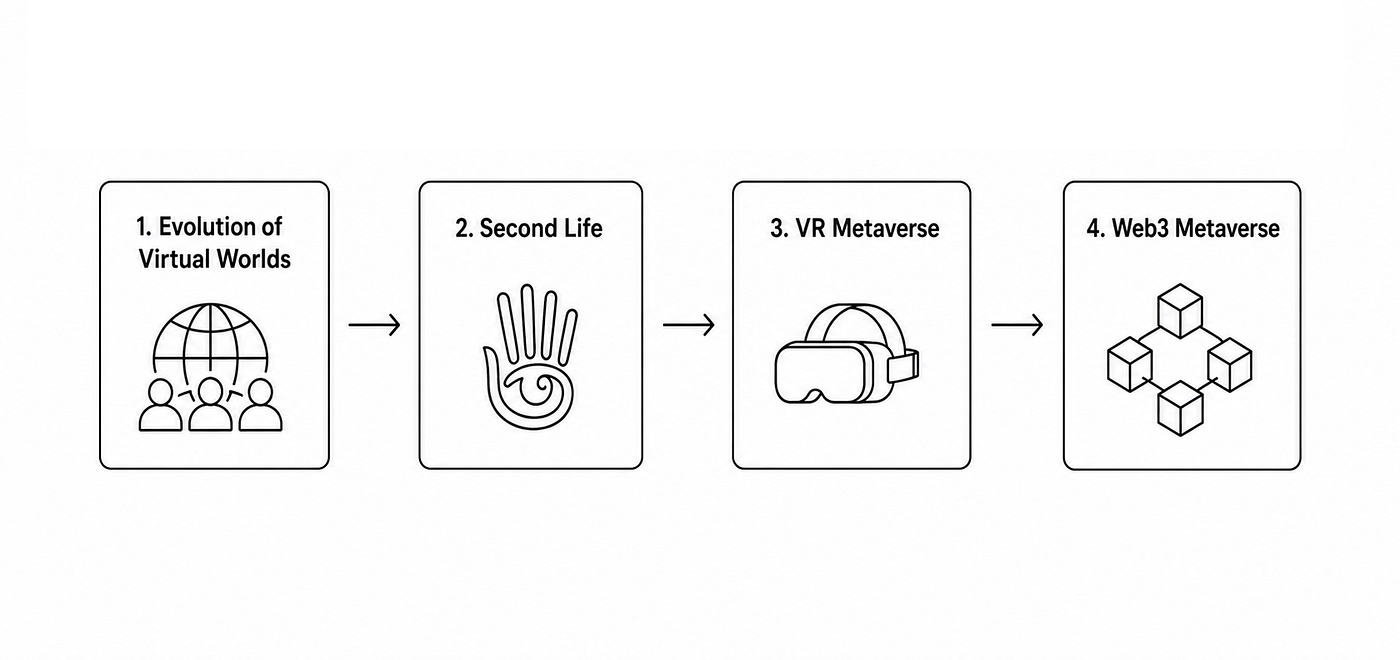
Figure 1. Evolution timeline
You can visually show the progression from early virtual worlds to modern Web3-based metaverse systems, highlighting increasing complexity and decentralization.
In this context, the METAseen study provides an important analysis of how modern metaverse systems handle user data at the network level. The study focuses on Web3-based metaverse environments and examines both network traffic patterns and privacy policies to understand how user information is actually transmitted and protected [1].
One of the key findings is that even when data is encrypted, meaningful information can still be extracted through traffic analysis. This means that privacy does not only depend on encryption, but also on how data behaves during transmission. In other words, encrypted communication does not fully prevent inference-based attacks, especially in complex distributed systems [1].
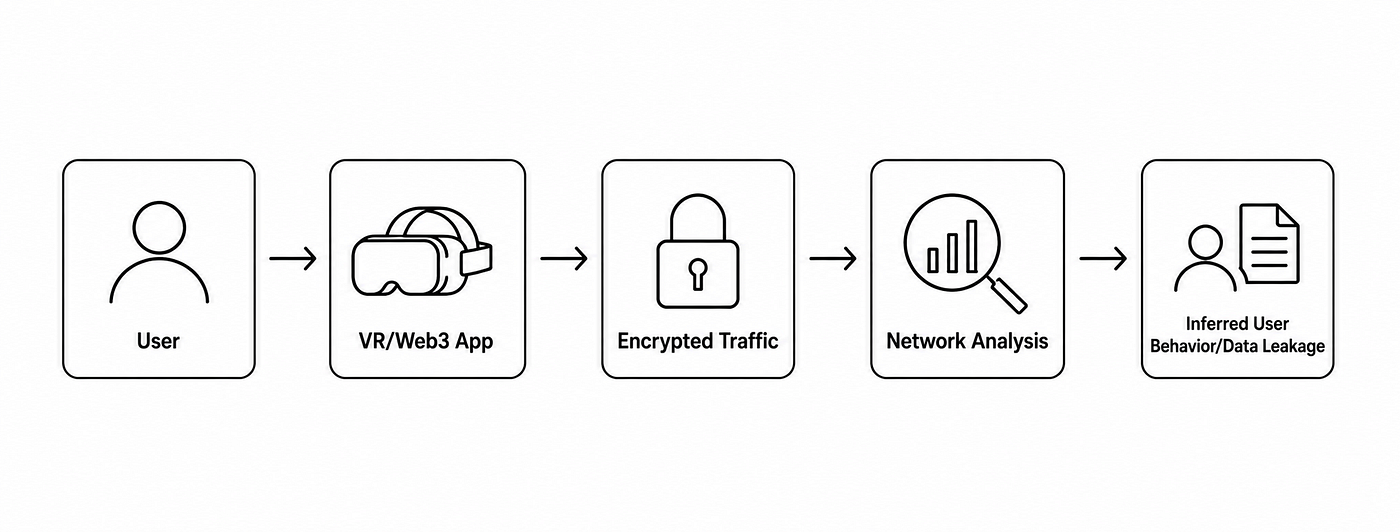
Figure 2. METAseen network traffic analysis
Another important observation is the gap between privacy policies and actual system behavior. While platforms may declare strong privacy protections on paper, the real data flow in metaverse applications often reveals additional hidden information being transmitted [1]. This mismatch highlights a transparency problem that becomes more critical as metaverse ecosystems grow.
At the same time, the shift toward Web3 introduces a paradox. While decentralization is often presented as a solution for privacy and control, it does not automatically eliminate data leakage risks. Network-level analysis can still expose behavioral patterns, even in decentralized environments, which challenges the assumption that Web3 inherently guarantees better privacy [1].
AI-driven analytics further intensify this issue. As extended reality systems increasingly rely on AI for prediction, rendering, and personalization, user data is continuously processed and analyzed in ways that can lead to indirect inference of sensitive information [10]. This expands the attack surface beyond traditional network vulnerabilities.
Finally, from a broader perspective, these technical issues are closely connected to governance and policy challenges. As Kshetri [9] points out, metaverse ecosystems raise long-term concerns related to data ownership, institutional control, and regulatory frameworks. Without clear governance models, technical solutions alone are not sufficient to ensure privacy and security in future virtual worlds.
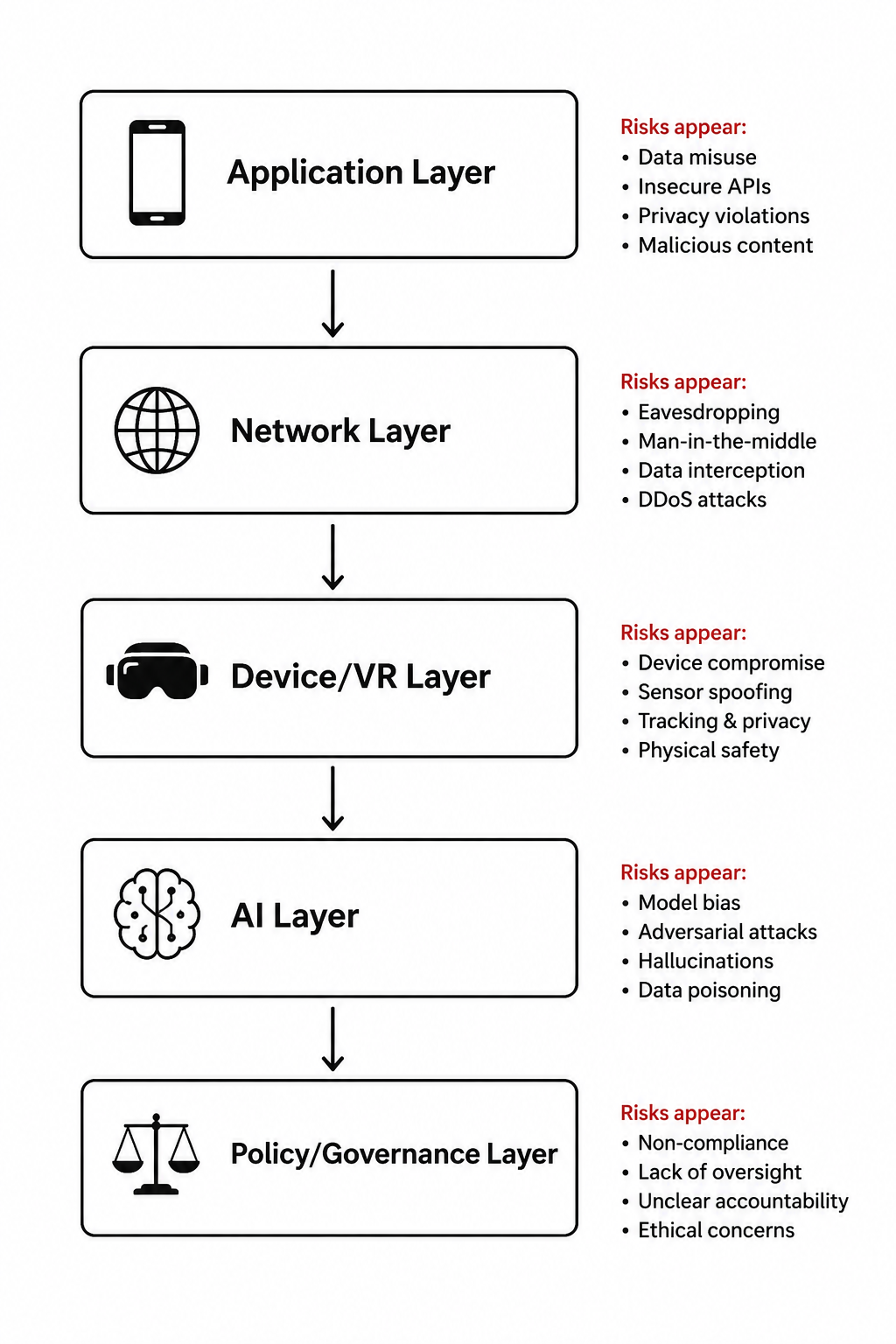
Figure 3. Privacy risk layers in Web3 metaverse
Conclusion
The metaverse is rapidly evolving into a complex digital ecosystem that combines virtual reality, social interaction, artificial intelligence, and Web3-based infrastructures. While it promises more immersive and interconnected digital experiences, it also introduces serious and multi-layered challenges in terms of privacy and security.
The studies discussed in this article show that these challenges are not limited to a single point of failure. VR systems continuously collect sensitive behavioral and biometric data, making users more exposed than in traditional digital platforms. At the same time, network-level analysis demonstrates that even encrypted traffic can leak meaningful information, as shown in the METAseen study, where user behavior can still be inferred through data flow patterns in Web3-based environments [1].
In addition, AI-driven systems and extended reality technologies further increase the complexity of this ecosystem. These technologies enable more intelligent and immersive experiences, but they also expand the attack surface by introducing new ways of processing and inferring sensitive user information [10]. As a result, privacy risks are no longer limited to stored data, but also include real-time behavioral inference and system-level analysis.
Another important point is that the transition toward decentralized architectures such as Web3 does not automatically solve these problems. While decentralization is often associated with improved user control and transparency, the findings suggest that privacy risks still persist at the network and application levels. This creates a fundamental privacy paradox where technological advancement does not necessarily guarantee better protection.
From a broader perspective, these issues are also closely tied to governance, regulation, and data ownership challenges. As highlighted in recent research, effective privacy protection in the metaverse requires not only technical solutions but also clear policies and ethical frameworks that define how user data is collected, stored, and used [9].
Overall, privacy in the metaverse should be understood as a multi-layered problem spanning devices, networks, applications, AI systems, and governance structures. Solving it will require coordinated efforts between researchers, developers, and policymakers to ensure that future virtual environments are both innovative and secure.
References
[7] Chen, Z., Wu, J., Gan, W., & Qi, Z. (2022). Metaverse Security and Privacy: An Overview. arXiv.
메타데이터
- post_id
- 2942588ab9c3
- slug
- privacy-in-the-metaverse-what-metaseen-reveals-about-web3-worlds-2942588ab9c3
- url
- https://medium.com/@siracsuz/privacy-in-the-metaverse-what-metaseen-reveals-about-web3-worlds-2942588ab9c3
- canonical_url
- https://medium.com/@siracsuz/privacy-in-the-metaverse-what-metaseen-reveals-about-web3-worlds-2942588ab9c3
- author_url
- https://medium.com/@siracsuz
- status
- ok
- fetched_at
- 2026-06-29 02:33:43