Skid Row, Sharing Hope With Precious Souls
Skid Row, Sharing Hope to Precious Souls
[embed]
Why the invitation to “kiss the Son” is really an invitation to find forgiveness, purpose, and lasting peace.
Many people spend years searching for freedom. Some look for it in success. Others chase it through pleasure, achievement, relationships, or self-improvement. Yet despite all our efforts, many of us still carry the weight of guilt, fear, addiction, loneliness, or unanswered questions.
The message at the center of Christianity offers a different path. According to the Bible, true freedom begins when we stop trying to save ourselves and turn to Jesus Christ. One ancient verse captures that invitation in a striking phrase: “Kiss the Son.”
What does that mean, and why has it remained meaningful for thousands of years?
What Does “Kiss the Son” Mean?
The phrase comes from Psalm 2:12, where readers are urged to “kiss the Son.” In biblical language, this is not primarily about affection. It is about recognition, surrender, and trust.
To “kiss the Son” means to embrace Jesus Christ for who He is:
- Creator
- Savior
- Redeemer
- Lord
It is an acknowledgment that God knows us completely and still extends His grace toward us.
The message is deeply personal. Christianity teaches that God is not distant or indifferent. He sees every struggle, every failure, every fear, and every unanswered question. Rather than turning away from humanity, God invites people into a relationship with Him through Christ.
Why the Cross Matters
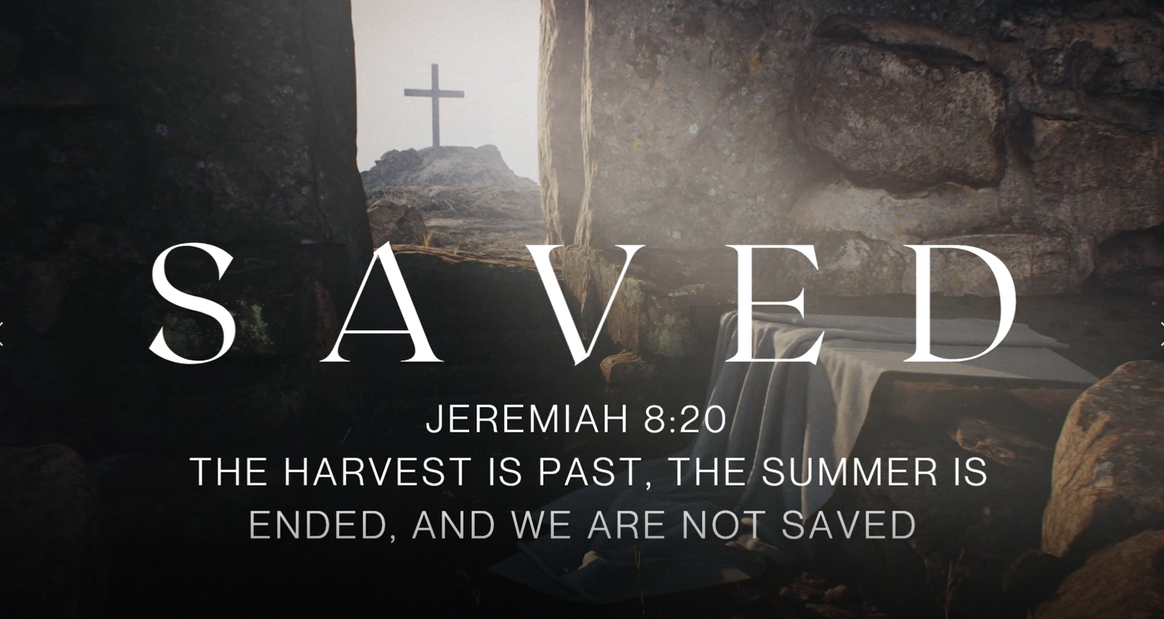
At the center of the Christian faith stands the cross.
Jesus healed the sick, gave sight to the blind, and performed miracles throughout His ministry. Yet Christians believe His primary purpose was to go to the cross and offer Himself as a sacrifice for sin.
According to the Bible, humanity’s greatest problem is not political, financial, or social — it is spiritual separation from God.
The cross addresses that problem.
Jesus willingly suffered and died so that forgiveness could be offered to anyone who trusts in Him. His death is viewed as the payment for sin, making reconciliation with God possible.
The central claim of Christianity is that salvation is not earned through good works but received through faith in Jesus Christ.
Are We Truly Free?
Freedom is one of the most celebrated ideas in modern culture. Yet many people feel trapped.
Some struggle with addiction. Others battle destructive habits, anxiety, resentment, or shame. Even when external circumstances improve, internal bondage often remains.
The Christian perspective describes this condition as spiritual slavery.
The Bible teaches that sin has a way of mastering people. Left to ourselves, we often repeat patterns we know are harmful. We want change, yet we lack the power to create lasting transformation.
This is why the gospel is presented as good news.
Rather than demanding that people fix themselves first, Christianity teaches that God meets people where they are and begins the work of change from the inside out.
“You do not have to make yourself worthy before coming to Christ. The invitation comes first; transformation follows.”
Salvation Is About a Person, Not a Religion
One of the most misunderstood aspects of Christianity is the idea that it is primarily about religious activity.
The message of the gospel points somewhere else.
Salvation is not found in belonging to a particular denomination, attending enough services, or performing enough good deeds. It is found in a relationship with Jesus Christ.
This distinction matters because it shifts the focus away from human effort and toward God’s grace.
The New Testament repeatedly emphasizes that forgiveness is a gift. It cannot be purchased, earned, or deserved. It is offered freely through faith.
Christianity teaches that Jesus Christ is not merely a religious figure but the source of salvation itself.
The Power of Grace
Grace is one of the most important concepts in the Christian faith.
Simply put, grace means receiving something valuable that we did not earn.
The gospel declares that God demonstrated His love before anyone deserved it. Rather than waiting for humanity to become righteous, Christ died for sinners.
This message has resonated throughout history because it speaks directly to the human condition.
Most people understand failure. Most people know regret. Most people carry memories they wish they could erase.
Grace offers hope in the middle of those realities.
Instead of condemnation, it offers forgiveness.
Instead of rejection, it offers acceptance.
Instead of despair, it offers redemption.
From the Broad Road to the Narrow Road
Jesus described two paths in life.
One is broad and easy to follow. It requires little thought and simply moves with the crowd. The other is narrow and requires a deliberate decision.
The broad road represents life lived apart from God.
The narrow road represents trust in Christ.
The imagery is powerful because it reminds us that every person is moving in a direction. The question is not whether we are on a journey. The question is where that journey leads.
Christianity teaches that Jesus came not merely to improve people’s lives but to redirect their eternal destiny.
The invitation of the gospel is ultimately an invitation to leave the road of destruction and walk the road that leads to life.
God Is Closer Than You Think
Many people assume God is distant.
Some believe they have made too many mistakes. Others feel forgotten, abandoned, or unworthy of His attention.
Yet one of the consistent themes throughout Scripture is that God draws near to those who seek Him.
The Bible describes Him as attentive to the brokenhearted and responsive to those who call upon Him sincerely.
This means no special status is required.
No perfect record.
No religious credentials.
Just a willingness to turn toward Him.
The promise is simple: draw near to God, and He will draw near to you.
Why the Message Still Matters Today
Modern life offers countless distractions, but it rarely answers life’s deepest questions.
Why are we here?
Can guilt be forgiven?
Is change possible?
What happens after death?
The Christian faith answers these questions through the person of Jesus Christ.
His life, death, and resurrection form the foundation of a message that has transformed lives across cultures and generations. It is a message of hope for people who feel lost, peace for those in turmoil, and freedom for those who feel trapped.
The invitation remains the same today as it was centuries ago:
Embrace the Son.
Trust Him.
Know Him.
And discover the freedom that comes through His grace.
Final Thoughts
The call to “kiss the Son” is ultimately a call to surrender self-reliance and place trust in Jesus Christ.
According to the gospel, God has already taken the first step. Through Christ, He has extended forgiveness, mercy, and reconciliation to a broken world.
The question is not whether the invitation exists.
The question is whether we will respond to it.
If the message of Jesus is true, then the freedom, peace, and hope people spend their lives searching for are found not in a system, a philosophy, or a personal achievement — but in a person.
And that person is Jesus Christ.
[embed]
메타데이터
- post_id
- 29cf759729ff
- slug
- skid-row-sharing-hope-with-precious-souls-29cf759729ff
- url
- https://medium.com/@openairgospel007/skid-row-sharing-hope-with-precious-souls-29cf759729ff
- canonical_url
- https://medium.com/@openairgospel007/skid-row-sharing-hope-with-precious-souls-29cf759729ff
- author_url
- https://medium.com/@openairgospel007
- status
- ok
- fetched_at
- 2026-07-15 20:04:32