Training Your Own Uyghur Voice
From raw recordings to a fully offline neural speaker
uyghurTraining Your Own Uyghur Voice
From raw recordings to a fully offline neural speaker
Why Train a Uyghur Voice?
Using an existing voice is convenient. Training your own Uyghur voice is transformative.
It allows you to:
- Preserve a specific accent or dialect
- Create male, female, or child voices
- Avoid legal uncertainty
- Control pronunciation quality
- Build culturally authentic products
For minority languages, voice training is not just technical work. It is digital archiving.
What We Are Training
We will train a VITS-style neural TTS model that can later be:
- Exported to ONNX
- Run by Piper
- Deployed fully offline
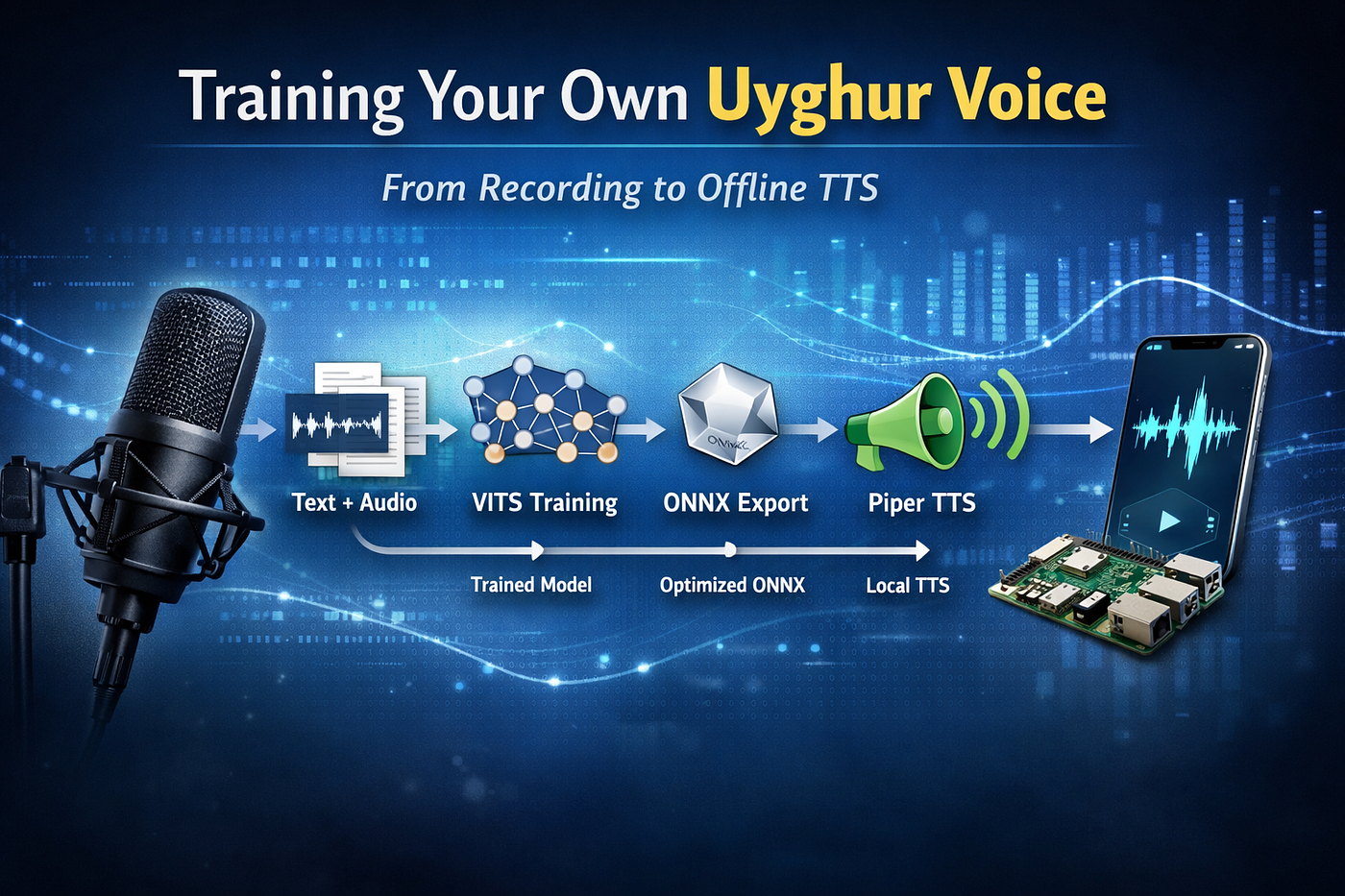
The training pipeline looks like this:
Voice Recordings
      ↓
Text Normalization
      ↓
Phonemization
      ↓
VITS Training
      ↓
ONNX Export
      ↓
Piper Runtime
Dataset Requirements
Minimum Viable Dataset
ItemRecommendationSpeaker1Audio30–60 minutesSample rate22,050 HzFormatWAV (mono)TextClean Uyghur Arabic script
More data equals smoother speech, but 1 hour is enough to start.
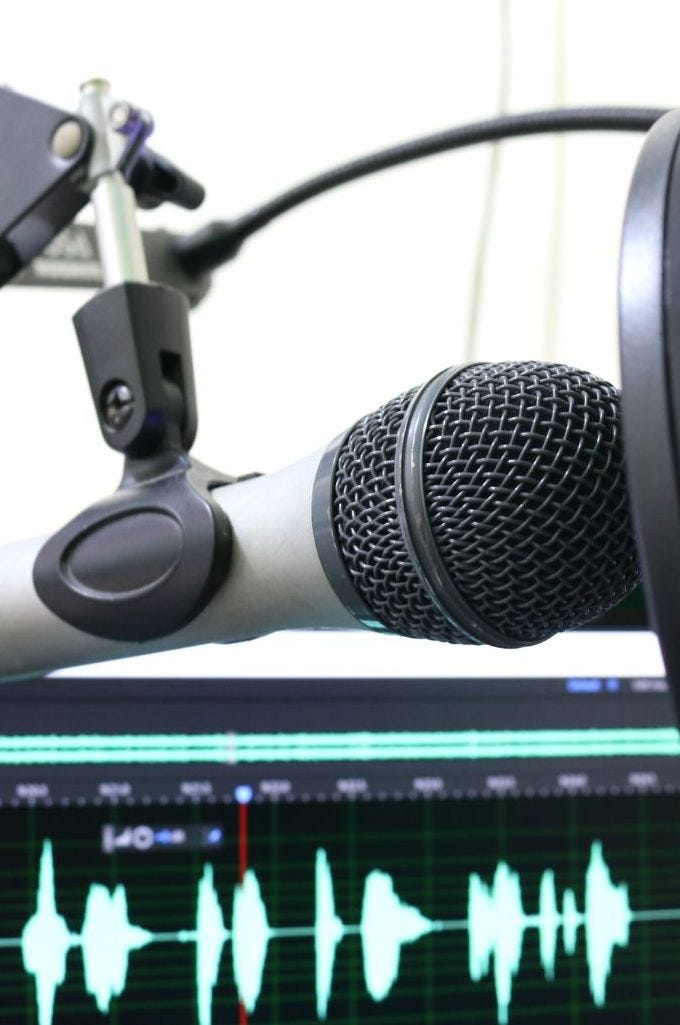
Recording Setup (Simple but Clean)
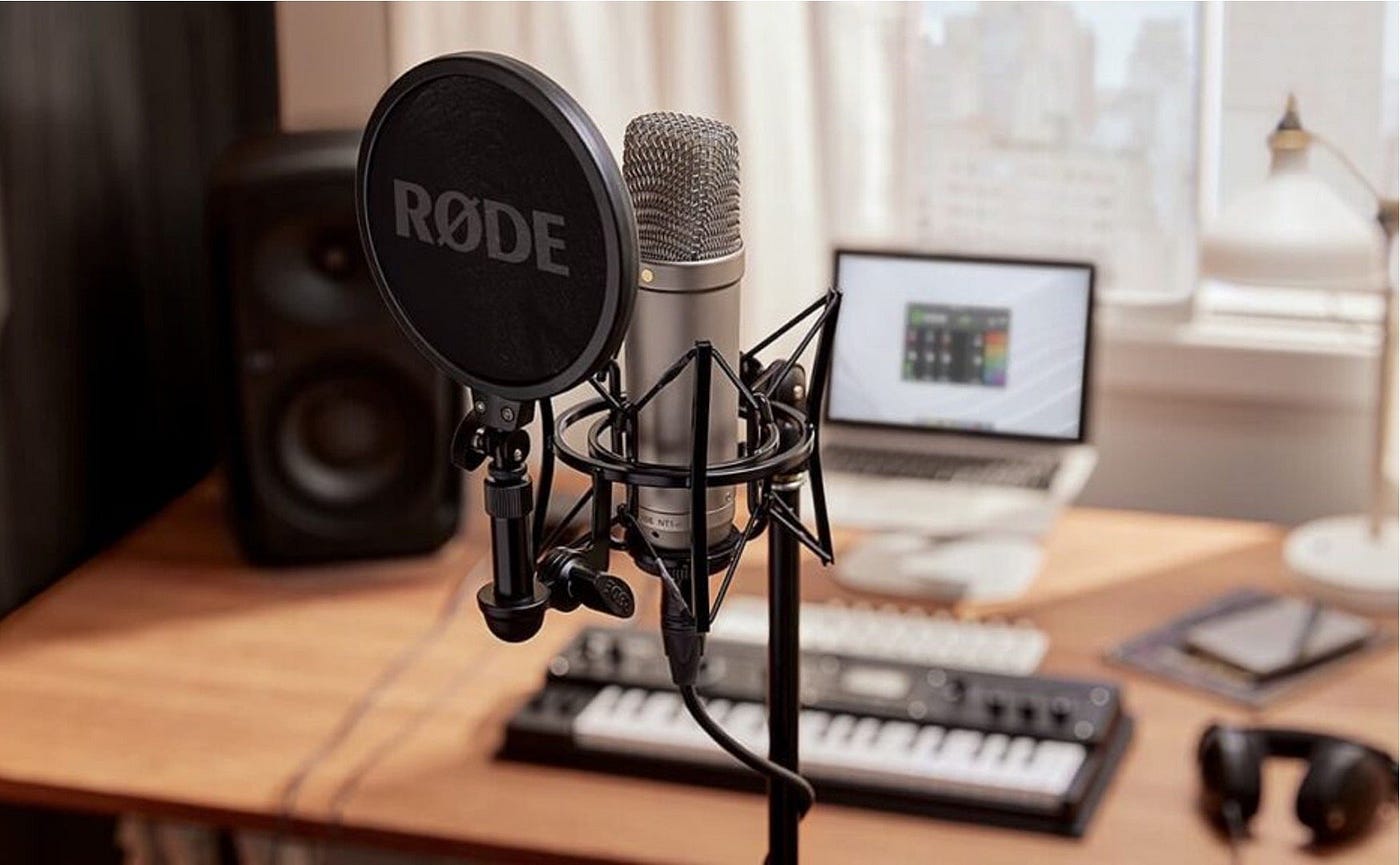

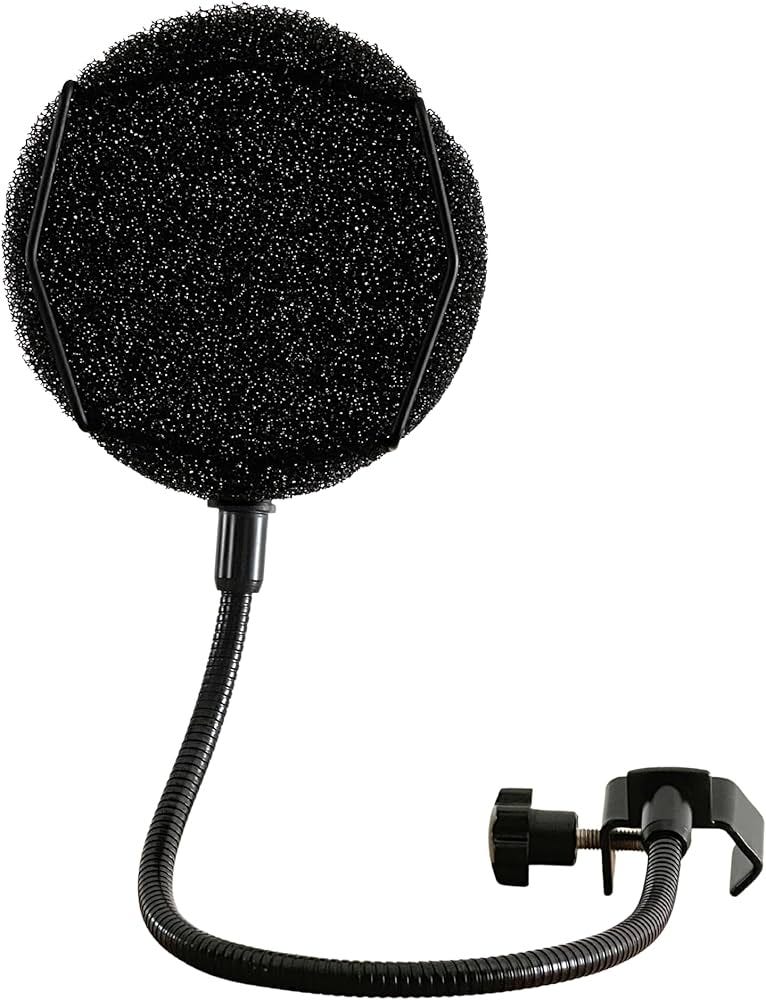
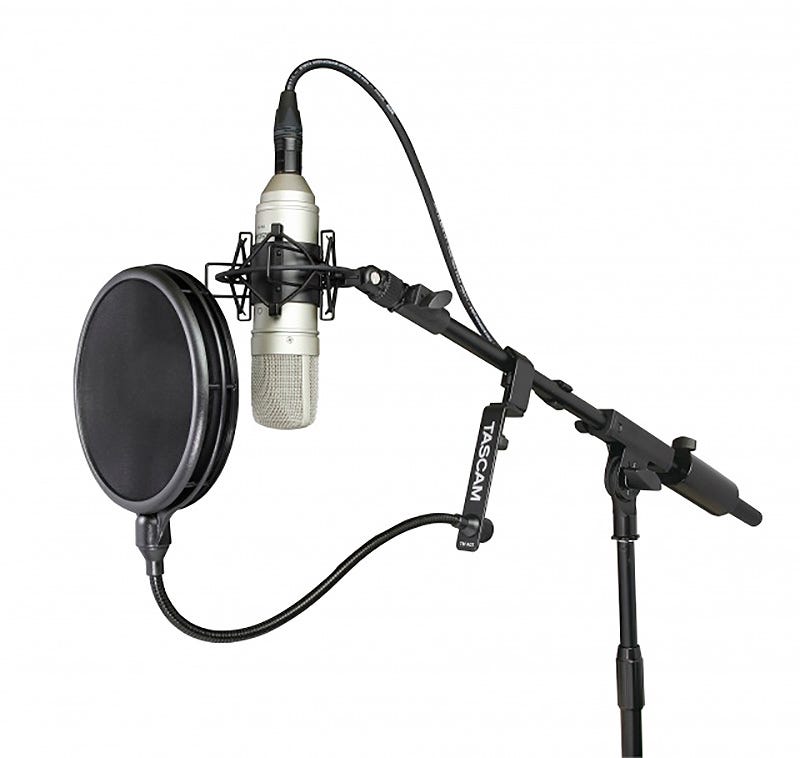
Hardware
- USB condenser microphone
- Pop filter
- Quiet room
- No reverb
Software
- Audacity
- GarageBand
- Reaper
Recording Rules
- One sentence per file
- Natural pace
- No emotion acting
- Consistent distance from mic
File Structure
Organize your dataset clearly:
dataset/
 ├─ wavs/
 │   ├─ 0001.wav
 │   ├─ 0002.wav
 │   └─ ...
 └─ metadata.csv
metadata.csv format:
0001|ياخشىمۇسىز؟|yakshimusiz?
0002|بۇ بىر سىناق.|bu bir sinaq
Keep text normalized and consistent.
Uyghur Text Normalization
Uyghur script has multiple punctuation and spelling variants.
Example normalization rules:
def normalize(text):
    text = text.replace("؟", "?")
    text = text.replace("،", ",")
    text = text.strip()
    return text
This step is critical for stable training.
Phonemization Strategy
Uyghur pronunciation is largely phonetic, which is a huge advantage.
You have two options:
Option A: Character-Based (Fast)
- Feed Arabic script directly
- Faster setup
- Slight pronunciation variance
Option B: Phoneme-Based (Best Quality)
- Convert to IPA or custom phonemes
- More control
- Better clarity
For long-term quality, phonemes win.
Training the VITS Model
Most Uyghur voice projects use VITS-based trainers compatible with Piper.
Popular frameworks:
- Coqui TTS (legacy)
- Piper training scripts
- Custom VITS forks
Basic training command example:
python train.py \
  --dataset dataset \
  --language uy \
  --epochs 2000 \
  --batch_size 32
Training usually takes:
- 1–2 days on GPU
- 5–7 days on CPU (not recommended)
Monitoring Training
Watch for:
- Loss steadily decreasing
- No sudden spikes
- Early intelligibility at ~20 percent
Listen to generated samples frequently.
If pronunciation drifts, fix the text, not the model.
Exporting to ONNX
Once training stabilizes:
python export_onnx.py \
  --checkpoint best.pth \
  --output uyghur.onnx
Test immediately with Piper:
echo "ياخشىمۇسىز" | piper \
  --model uyghur.onnx \
  --output_file test.wav
Hearing your own trained voice for the first time is unforgettable 🎧
Voice Quality Improvements
Common Fixes
IssueSolutionRobotic toneMore dataMispronunciationFix textBreathy soundBetter micSlow speechAdjust duration scaling
Voice training is iterative, not linear.
Ethical Considerations
- Record with consent
- Do not clone voices secretly
- Label synthetic speech clearly
- Respect cultural ownership
A Uyghur voice is not just audio. It carries identity.
What You Can Build With Custom Voices
- Children’s story narrators
- Dialect-specific learning apps
- Historical voice reconstruction
- Assistive tools for elders
- Offline screen readers
Each voice is a library.
Final Thoughts
Training your own Uyghur voice is no longer experimental. It is practical, reproducible, and deployable today.
Once exported to ONNX and run by Piper, your voice becomes:
- Portable
- Offline
- Private
- Future-proof
In Part 3, we can cover:
- Multi-speaker Uyghur TTS
- Emotion and style tokens
- Voice switching in apps
- Kids vs adult voices
The Uyghur language deserves to speak.
메타데이터
- post_id
- 29e982fc78f5
- slug
- training-your-own-uyghur-voice-29e982fc78f5
- url
- https://medium.com/@warisruzi/training-your-own-uyghur-voice-29e982fc78f5
- canonical_url
- https://medium.com/@warisruzi/training-your-own-uyghur-voice-29e982fc78f5
- author_url
- https://medium.com/@warisruzi
- status
- ok
- fetched_at
- 2026-07-15 08:53:23