Bloodlines and Silence
When a mother’s final confession reshapes generations
Bloodlines and Silence
When a mother’s final confession reshapes generations
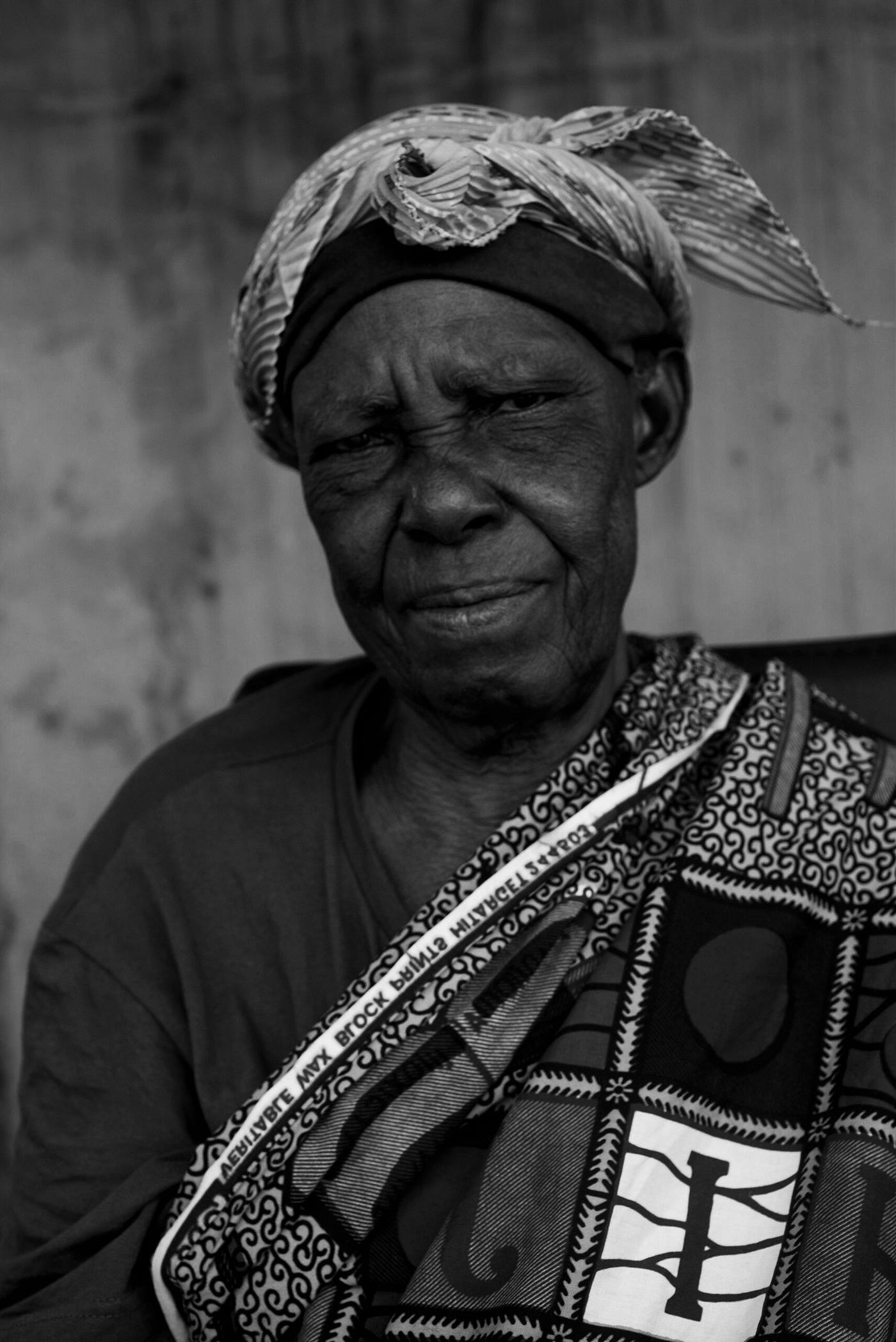
Photo by David Kwewum
A few truths arrive too late to be gentle. At sixty-three, Daddy Gbadebo, as all fondly call him, believed he had already made peace with life’s major questions. He is a grandfather now, a man whose identity had been shaped by decades of memory, loyalty, and quiet acceptance. His father, now long gone, had been a central pillar of that identity. Or so he thought. It was on an ordinary afternoon, in a room softened by age and silence, that everything shifted. His mother, eighty-three and visibly frail, held his hand with a grip that felt stronger than her years suggested. Her eyes carried a weight he had never seen before, something between fear and urgency. She did not begin with small talk. There was no easing into it. “I need to tell you the truth,” she said, her voice trembling. “Before I go, I need peace.” What followed did not feel like words. It felt like a rupture. The man Gbadebo had called father all his life was not his biological parent. The truth, buried for over six decades, was far more complicated—and painful. His real father, she confessed, was his late father’s closest friend. For a moment, time stood still, not in the poetic sense, but in a deeply disorienting way. The room seemed unfamiliar. The past, his past, no longer felt stable. His first instinct was not anger. It was disbelief. Then confusion. Then a quiet, creeping grief not just for the man he thought he knew, but for the version of himself that now felt uncertain. His mother squeezed his hand tighter, as if she could feel him slipping away. “I am sorry,” she whispered. “I have carried this for too long. I want to rest.” And there it was, the unbearable tension between compassion and chaos. On one hand, a mother seeking forgiveness at the edge of her life. On the other hand, a truth powerful enough to fracture generations. Gbadabo did not shout. He did not pull away. He sat there, holding her hand, trying to reconcile two realities: the woman who raised him, and the secret she had kept. Forgiveness, in that moment, was not a decision. It was a process that had only just begun. But another question quickly rose to the surface, one he could not ignore. What happens now? Because this truth did not belong to him alone. He thought of his children. His grandchildren. The family stories they had inherited, the names they carried with pride, the lineage they believed defined them. All of it now stood on uncertain ground. Was it his responsibility to tell them? Or was silence the kinder path? The idea of disclosure felt like opening a door that could never be closed again. It would invite questions he could not fully answer. It might alter relationships, shift identities, even create divisions where none had existed before. And yet, keeping the truth felt like continuing the very burden that had weighed his mother down for a lifetime. He found himself caught between two kinds of harm, the pain of revelation and the weight of concealment. That night, sleep did not come easily. He revisited memories, childhood moments, conversations, and family gatherings, searching for clues that might now make sense. He wondered if anyone else had known. If his “father” had known. If the man who was his biological parent had ever looked at him differently. But memory, he realised, does not rewrite itself simply because the truth changes. The man who raised him was still the man who raised him. That love, that presence, that role did not disappear. And perhaps that was where he needed to begin. Not with biology, but with meaning. Over the following days, Gbadabo began to see that this was not just a story about betrayal or secrecy. It was also a story about human frailty, about choices made in moments that ripple across generations. His mother had not told him to destroy him. She had told him because she could no longer carry the weight. And now, the weight had been passed on. The question was not simply whether to tell the truth but how. How do you explain to your children that their grandfather is not who they thought he was? How do you introduce complexity into a narrative that has always been simple? How do you honour the man who raised you, while acknowledging the man who gave you life? There were no easy answers. Only careful steps. Gbadebo began to consider a different approach, one rooted not in shock, but in context. If he were to share this truth, it would not be as a revelation dropped without warning. It would be a conversation, layered with compassion, honesty, and respect for everyone involved. He would not present it as a scandal. He would present it as a human story. Because that is what it was. A story of love, mistakes, silence, and, finally, truth. In time, he realised that lineage is more than blood. It is also the values passed down, the sacrifices made, the presence that shapes a life. The man he called father had given him those things. And nothing, not even the truth, could take that away. As for his mother, he returned to her bedside a few days later. This time, when she reached for his hand, he held it without hesitation. “I hear you,” he said quietly. “And I understand why you told me.” It was not a complete resolution. Not yet. But it was a beginning. And sometimes, that is the only kind of peace we can offer both to others and to ourselves.
메타데이터
- post_id
- 29fd3ce7dc0e
- slug
- bloodlines-and-silence-29fd3ce7dc0e
- url
- https://medium.com/@rvastyle/bloodlines-and-silence-29fd3ce7dc0e
- canonical_url
- https://medium.com/@rvastyle/bloodlines-and-silence-29fd3ce7dc0e
- author_url
- https://medium.com/@rvastyle
- status
- ok
- fetched_at
- 2026-06-27 10:07:59