Small Brains, Big Treatments: How Organoid Intelligence Is Reshaping Neuropharmacology
Miniature brains are revolutionizing our understanding of information processing and how we treat neurological disorders
Small Brains, Big Treatments: How Organoid Intelligence Is Reshaping Neuropharmacology
Miniature brains are revolutionizing our understanding of information processing and how we treat neurological disorders
By Negin Imani & Amirali Banani
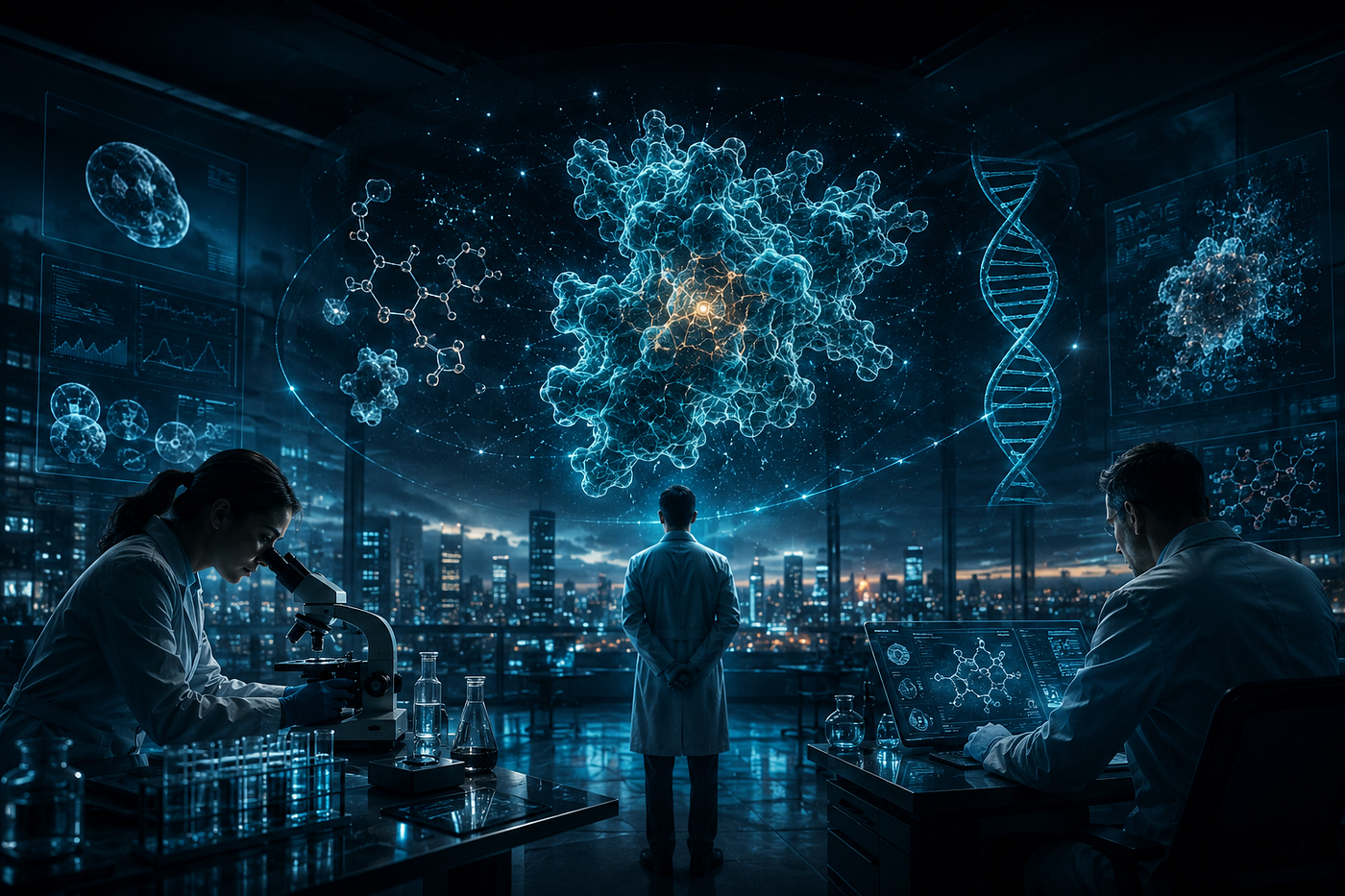
Let’s begin with a story — not a science fiction one, but a real one. In an advanced laboratory, a scientist named Winanto is working with “mini-brains.” These tiny structures, cultivated from human stem cells, are capable of forming real neural networks. They are not artificial brains, nor are they animal models. They are living, functional brain organoids, connected to bio-electronic interfaces.
Winanto’s goal is ambitious: to find an effective treatment for MELAS by creating brain organoids from iPSCs derived from a patient’s own cells.
Yes, this is real. The story is rooted in a pivotal 2020 study in which Winanto and his colleagues developed brain organoids from MELAS patients. MELAS — short for Mitochondrial Encephalomyopathy, Lactic Acidosis, and Stroke-like episodes — is a rare but debilitating mitochondrial disorder that can lead to seizures, neurodegeneration, and severe metabolic disruption. This research is one example showing how patient-derived brain organoids are becoming powerful tools for modeling disease progression, investigating underlying mechanisms, and testing potential therapies. Because they contain many of the same cell types found in the human brain, such as neurons, astrocytes, and oligodendrocytes, they provide a biologically relevant and dynamic system for exploration [1].
So, what exactly are brain organoids, and why do they matter?
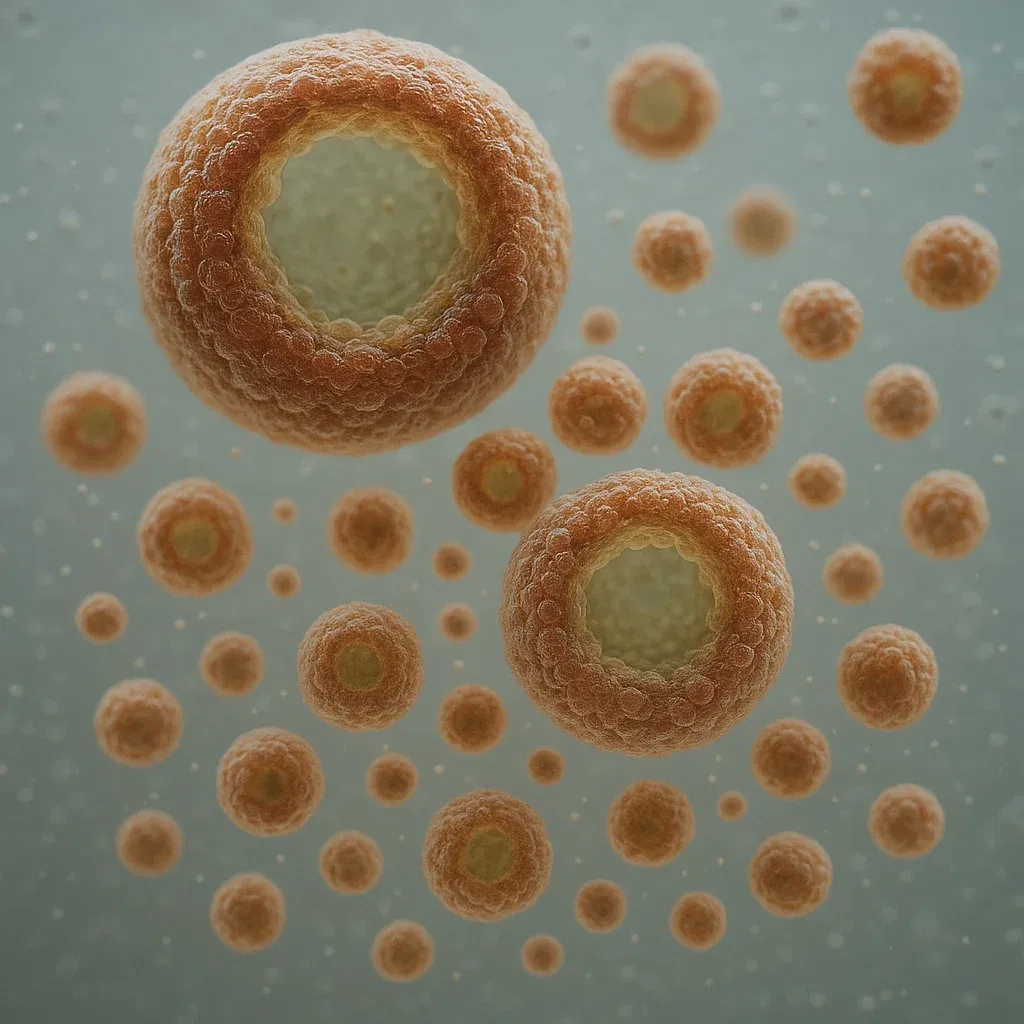
Brain organoids are three-dimensional neural structures developed from human pluripotent stem cells. Unlike traditional two-dimensional cell cultures, these organoids better replicate the complexity of actual human brain tissue. They not only improve physiological relevance in drug discovery, but also reduce reliance on animal testing — an ongoing ethical concern. Importantly, since they can be derived from patient-specific cells, they open the door to truly personalized medicine, allowing researchers to test drugs against the exact genetic and cellular context of a given individual [1].
Let’s return to our story…
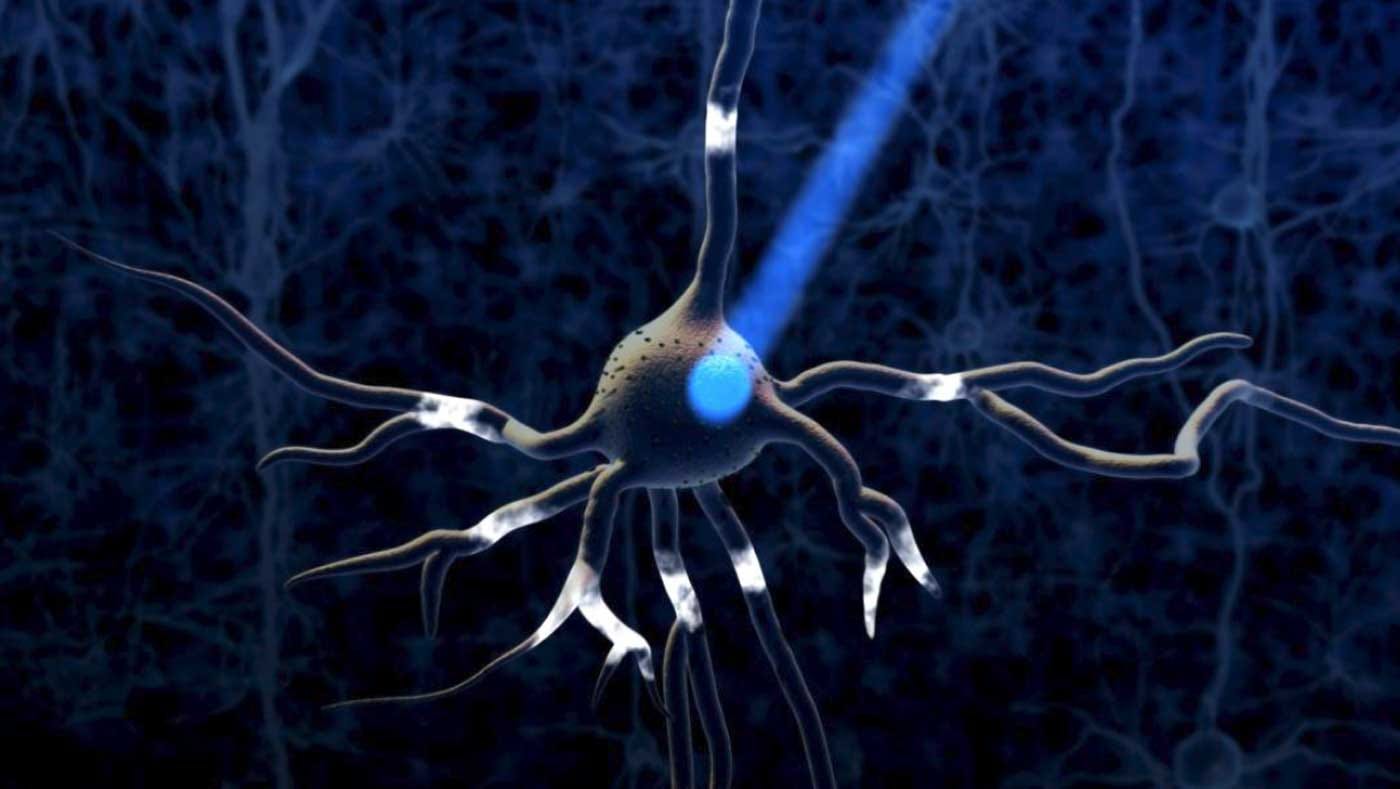
In their 2020 experiment, Winanto’s team found something striking: the MELAS organoids showed overactive Notch signaling, a pathway critical to brain development. This led to disrupted neural differentiation, stunted neurite growth, and increased oxidative stress. But when they applied DAPT (dual antiplatelet therapy), a known Notch inhibitor, the organoids began to recover, showing improved differentiation and reduced stress. For the first time, they were not just observing disease; they were intervening in a living, patient-specific neural model [1].

Notch signaling, which becomes overactive in MELAS organoids. | Credit
Now imagine taking that one step further.
What if these organoids were not only alive, but connected? By integrating them with multi-electrode arrays, scientists can measure real-time brain-like electrical activity. This is where the emerging field of Organoid Intelligence (OI) comes in. Instead of testing drugs solely for chemical impact, researchers can now ask: do they restore neural oscillations? normalize network connectivity? or reignite silenced pathways? These are no longer theoretical concerns — they are quantifiable, functional outputs. Especially when the test subject is the patient’s own mini-brain.
The Promise
Organoid Intelligence changes the paradigm. A condition like MELAS, traditionally diagnosed through clinical symptoms and treated with generalized protocols, can now be approached as a personalized neuro-computational challenge. The patient’s own cells become a system that responds, adapts, and helps refine its treatment — before the drug ever enters their body [2].
This is not science fiction. It is a new definition of what neuropharmacology can become: a shift from treating the brain about the brain, to allowing even a miniature brain to help chart its own path to recovery.
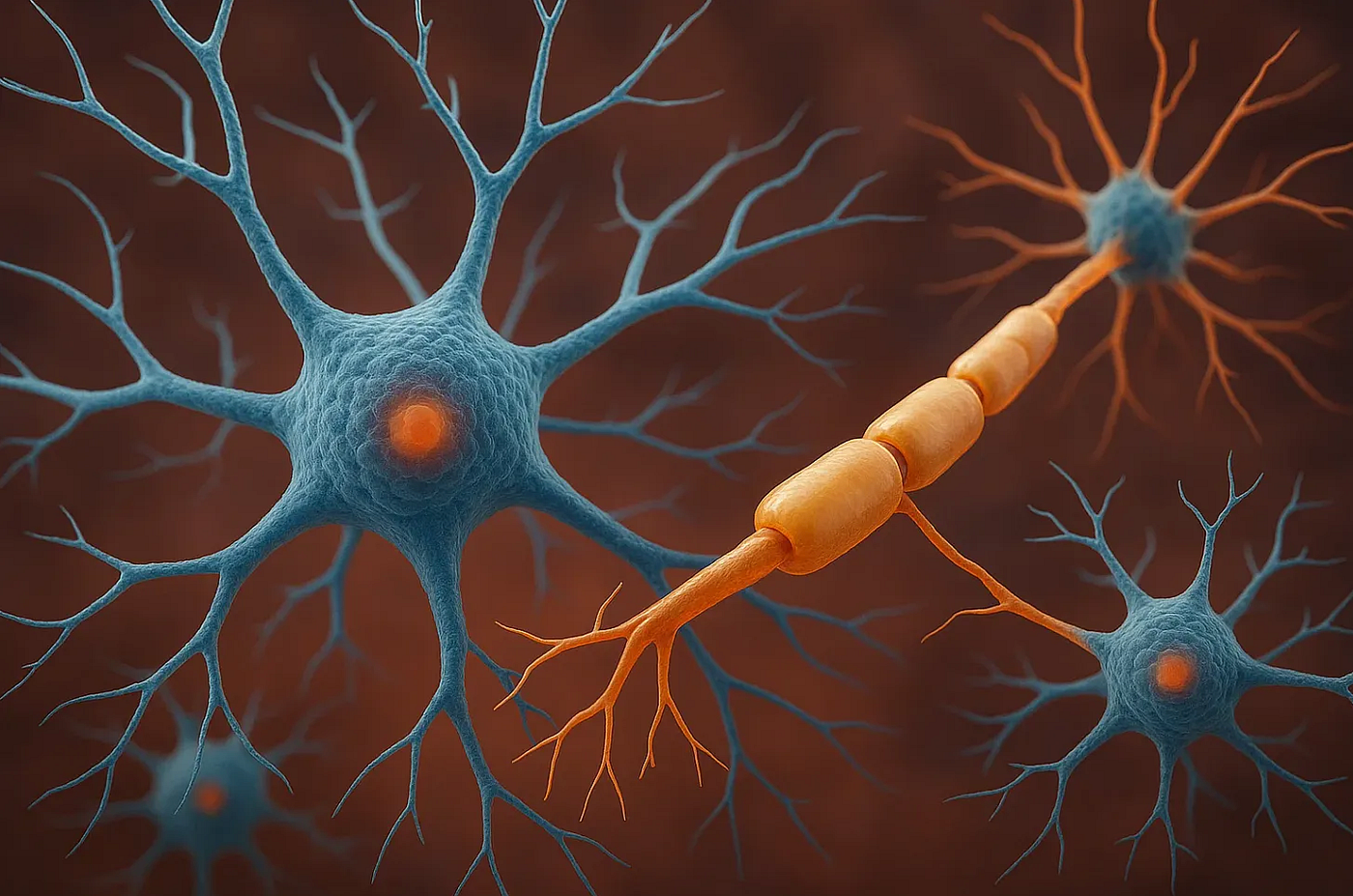
Going back to one of our original points, organoids are not just random blobs of neurons. They contain multiple brain cell types such as neurons, astrocytes, microglia, and oligodendrocytes that interact with each other and form circuits reminiscent of real neural networks in the brain. Patient-derived organoids demonstrate clinical promise, and recent research in neuroscience show how these systems are more than just models for neurological disease and their tremendous potential in treating these diseases.
The ability of organoids to develop and function independently resembles the inner workings of the brain itself. They can organize themselves into layers of neurons and glial cells with functional synaptic connections that even contain some myelination.
Why is this so important?
It means that they closely resemble the cellular composition of brain cells and are also able to almost mimic the connectivity that allows for information processing in the brain [3]. This emergent activity of organoids makes them uniquely suited to be substrates for organoid intelligence, which — to add onto what we said before — are ultimately living neural networks that are capable of exhibiting primitive learning and memory formation abilities in vitro [3]. Impressive, right?
To impress you even more, it turns out that organoids are able to recreate the micro-environments and signaling gradients that are reminiscent of early human brain development. Such a capability allows organoids to form neural circuits that can even respond to external stimuli, making them perceptive…and potentially conscious? [4] More importantly, this gives us the opportunity to study how information processing takes place on a much more intricate level by analyzing the flow of information through miniature brain networks.

And as we previously mentioned, researchers are beginning to connect organoids with broader multi-electrode arrays and closed-looped systems that track oscillations, neuroplasticity, and synchronization across synapses [2]. This allows them to detect patterns of electrical activity between neurons, train neural networks, and, on the scale of a miniaturized brain, test whether therapeutic interventions are able to restore lost or disrupted connectivity within neural networks. Fascinating.
Such research shifts our evaluation of drug-based therapeutic approaches to another level, as therapeutics can be evaluated not only on the basis of how much they reduce disease pathology, but also whether they’re able to normalize the activity and connectivity within a living neural system. Essentially, rather than just measuring the biochemical endpoints, this integrated system allows us to determine whether a therapeutic can restore plasticity or network synchronization and get the organoid to think for itself.
Truly fascinating breakthroughs brewing from these self-sustaining mini brains.
We still face major challenges from biological and ethical to technical. But it is worth going deeper. Because sometimes, the smallest brains offer the biggest breakthroughs.
References:
1. Liang, K. X., et al. (2024). The application of brain organoids for drug discovery in mitochondrial diseases. International Journal of Biochemistry & Cell Biology, 170, 106556. https://doi.org/10.1016/j.biocel.2024.106556
2. Soliman Wadan, A.-H. (2025). Organoid intelligence and biocomputing advances: Current steps and future directions. Brain Organoid and Systems Neuroscience Journal, 3(1), 8–14. https://doi.org/10.1016/j.bosn.2025.01.002
3. Smirnova, L., & Hartung, T. (2024). The promise and potential of brain organoids. Advanced Healthcare Materials, 13(21), e2302745. https://pubmed.ncbi.nlm.nih.gov/38252094/
4. Vaez Ghaemi, R., Siang, L. C., & Yadav, V. G. (2019). Improving the Rate of Translation of Tissue Engineering Products. Advanced Healthcare Materials, 8(19), 1900538. https://doi.org/10.1002/adhm.201900538
메타데이터
- post_id
- 2ab9bd2c4078
- slug
- small-brains-big-treatments-how-organoid-intelligence-is-reshaping-neuropharmacology-2ab9bd2c4078
- url
- https://medium.com/merging-synapses/small-brains-big-treatments-how-organoid-intelligence-is-reshaping-neuropharmacology-2ab9bd2c4078
- canonical_url
- https://medium.com/merging-synapses/small-brains-big-treatments-how-organoid-intelligence-is-reshaping-neuropharmacology-2ab9bd2c4078
- author_url
- https://medium.com/@amiralibanani
- status
- ok
- fetched_at
- 2026-06-13 09:11:36