Best Fertilizers for Root Vegetables: Powerful Guide for Bigger Harvests, Healthier Roots & Higher…
Best Fertilizers for Root Vegetables: The Complete Indian Gardener’s Guide to Bigger, Sweeter and Healthier Harvests
Best Fertilizers for Root Vegetables: Powerful Guide for Bigger Harvests, Healthier Roots & Higher Yields in India
Best Fertilizers for Root Vegetables: The Complete Indian Gardener’s Guide to Bigger, Sweeter and Healthier Harvests
There is a special satisfaction in pulling a perfectly shaped carrot from the soil, harvesting bright red radishes, or digging up a basket full of healthy potatoes. Unlike leafy vegetables that display their growth above ground, root vegetables quietly develop beneath the soil surface. What happens underground determines whether you harvest thick, healthy roots or end up with small, cracked, forked, and disappointing vegetables.
Over the years, one lesson becomes clear: root vegetables respond more to balanced nutrition and soil preparation than almost any other vegetable category. Many gardeners focus heavily on watering and sunlight while overlooking fertilizer management. The result is often excessive leaf growth but poor root formation.
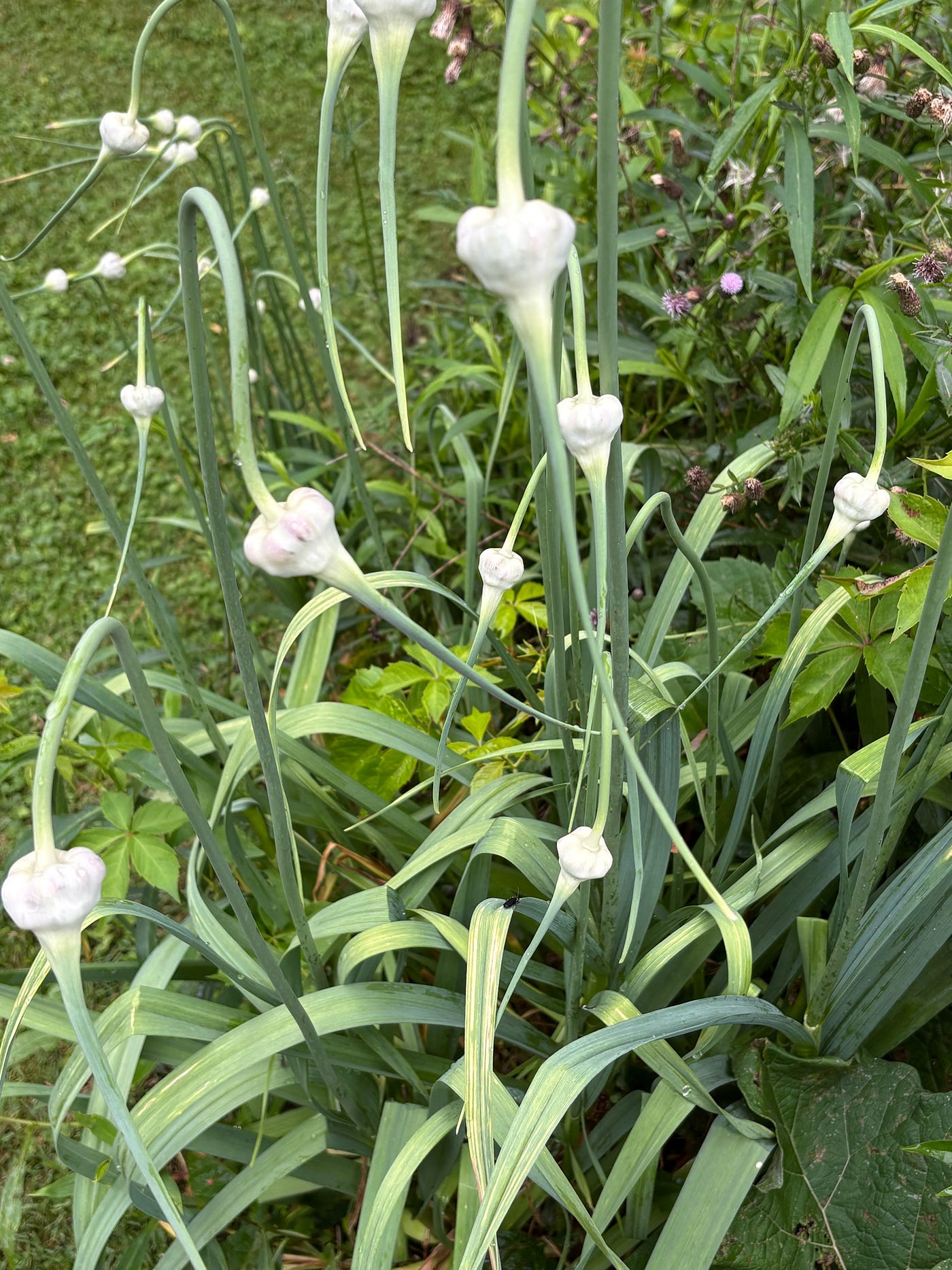
If your goal is to grow carrots, radish, beetroot, turnip, potato, sweet potato, onion, garlic, ginger, turmeric, or similar crops, choosing the best fertilizers for root vegetables can dramatically improve yield, size, flavor, storage quality, and disease resistance.
This comprehensive guide explains exactly which nutrients root vegetables need, when to apply them, how much to use, common mistakes to avoid, and practical techniques suitable for Indian home gardens, terrace gardens, kitchen gardens, and small farms.
Why Root Vegetables Need a Different Fertilizer Strategy
Root crops are fundamentally different from leafy vegetables such as spinach, lettuce, coriander, and fenugreek. Leafy crops require high nitrogen for foliage production. Root crops, however, require a more balanced nutrient profile with greater emphasis on phosphorus and potassium.
When gardeners unknowingly apply excessive nitrogen, the plant diverts energy toward leaf production. You may see lush green tops while the edible root remains underdeveloped.
A healthy root crop requires:
NutrientPrimary FunctionNitrogen (N)Early leaf growthPhosphorus (P)Root formation and energy transferPotassium (K)Root enlargement and qualityCalciumCell strength and root healthMagnesiumPhotosynthesisSulfurFlavor and nutrient uptakeOrganic MatterMoisture retention and soil structure
The ideal balance encourages roots to grow deep, thick, and uniform rather than producing excessive foliage.
Understanding Root Vegetable Nutrient Requirements
Different root vegetables have slightly different nutrient needs.
CropNitrogen NeedPhosphorus NeedPotassium NeedCarrotLowHighMediumRadishLowMediumMediumBeetrootMediumHighHighTurnipMediumHighMediumPotatoMediumHighHighSweet PotatoLowMediumHighOnionMediumHighHighGarlicMediumHighHigh
In my experience, gardeners achieve the best results when they prioritize phosphorus during planting and potassium during root enlargement stages.
The Best Organic Fertilizers for Root Vegetables
Organic fertilizers improve soil biology while feeding plants gradually.
1. Well-Rotted Compost
Compost remains one of the most effective fertilizers for root crops.
Benefits include:
- Improved soil texture
- Better water retention
- Enhanced microbial activity
- Steady nutrient release
- Reduced root deformities
When preparing raised beds, many gardeners follow soil-building principles similar to those discussed in the Best Soil Mix for Container Gardening guide on JetFire Tools, where balanced soil structure plays a major role in root development.
Apply 2–3 kg compost per square meter before sowing.
2. Vermicompost
Vermicompost is particularly beneficial for root vegetables.
Advantages include:
- Rich microbial population
- Improved nutrient availability
- Better root penetration
- Enhanced soil aeration
Recommended dosage:
CropVermicompostCarrot1–2 kg/m²Radish1 kg/m²Beetroot2 kg/m²Potato3 kg/m²
3. Bone Meal
Bone meal is among the best phosphorus-rich fertilizers available.
Phosphorus directly supports:
- Root initiation
- Root expansion
- Strong plant establishment
Application rate:
50–100 grams per square meter before planting.
4. Wood Ash
Wood ash provides potassium naturally.
Benefits:
- Improved root size
- Better sweetness
- Enhanced storage quality
Use sparingly because excessive application can raise soil pH.
5. Mustard Cake Fertilizer
Mustard cake is widely used by Indian gardeners.
It supplies:
- Slow-release nitrogen
- Micronutrients
- Beneficial organic compounds
Allow it to decompose properly before application.
Best Chemical Fertilizers for Root Vegetables
While organic fertilizers form the foundation, some growers use balanced chemical fertilizers for maximum production.
DAP (Diammonium Phosphate)
DAP provides phosphorus essential for root formation.
Apply only during bed preparation.
Avoid excessive use.
Single Super Phosphate (SSP)
SSP remains one of the most effective fertilizers for root vegetables.
Benefits include:
- Strong root establishment
- Sulfur supply
- Improved nutrient absorption
NPK 10:26:26
This formulation supports root growth exceptionally well.
The high phosphorus and potassium content promotes:
- Root enlargement
- Better quality
- Uniform shape
NPK 12:32:16
Ideal during early establishment stages.
Provides balanced nutrition while emphasizing root formation.
Muriate of Potash (MOP)
Potassium improves:
- Root thickness
- Disease resistance
- Storage life
Apply carefully according to soil conditions.
Fertilizer Schedule for Root Vegetables
The timing of fertilizer application matters as much as the fertilizer itself.
StageFertilizerSoil PreparationCompost + Bone MealSowing TimeSSP or DAP20 Days After GerminationVermicompostRoot Development StagePotassium SourceFinal Growth StageLight Compost Tea
Avoid late nitrogen applications because they encourage foliage rather than root development.
Step-by-Step Fertilizer Plan for Maximum Root Growth
StepAction1Test soil condition2Add compost3Mix phosphorus source4Sow seeds5Maintain moisture6Apply vermicompost after establishment7Add potassium during root swelling8Monitor plant health9Avoid excess nitrogen10Harvest at maturity
Following this sequence consistently produces better results than randomly feeding plants throughout the season.
Best Time to Fertilize Root Vegetables in India
RegionSowing SeasonNorth IndiaSeptember-FebruaryCentral IndiaOctober-FebruarySouth IndiaOctober-MarchHillsSpring and Summer
For seasonal planning, gardeners can also refer to recommendations found in the Seasonal Gardening Calendar India article available on JetFire Tools.
Signs Your Root Vegetables Need More Nutrients
Poor Root Development
Likely phosphorus deficiency.
Small Root Size
Often linked to low potassium.
Yellow Leaves
May indicate nitrogen deficiency.
Cracked Roots
Usually caused by uneven watering combined with nutrient imbalance.
Forked Carrots
Frequently associated with undecomposed manure or compacted soil.
Organic Fertilizer Recipe for Home Gardeners
One highly successful homemade fertilizer blend includes:
IngredientQuantityVermicompost5 kgBone Meal500 gNeem Cake500 gWood Ash250 g
Mix thoroughly and incorporate into soil before planting.
This combination supports healthy root initiation and long-term growth.
Root Vegetables and Soil Structure: The Hidden Connection
Even the best fertilizer cannot compensate for poor soil structure.
If the soil is compacted, roots struggle to expand. This is why gardeners interested in productive kitchen gardens often combine proper fertilization with the soil preparation techniques discussed in the How to Start Kitchen Garden in India resources on JetFire Tools.
Loose, well-drained soil allows roots to develop naturally and absorb nutrients efficiently.
Recommended Tools for Fertilizer Application
Professional results require proper tools.
Recommended tools include:
ToolPurposeHand TrowelMixing fertilizersGarden ForkSoil looseningHand CultivatorAerationKhurpiWeed removalWatering CanNutrient solution applicationGarden RakeBed leveling
Many home gardeners now prefer tools from **JetFire Tools**, an emerging garden tool brand in India known for practical, durable products designed for kitchen gardens, terrace gardens, and professional growers.
Expert Tips for Bigger Root Vegetables
Maintain Consistent Moisture
Uneven watering causes cracking and poor nutrient absorption.
Thin Seedlings Early
Crowded plants compete for nutrients.
Avoid Fresh Manure
Fresh manure often causes forked roots.
Use Potassium During Enlargement
Potassium significantly improves root size and quality.
Mulch Around Plants
Mulching helps maintain moisture and improves nutrient efficiency. Gardeners interested in deeper moisture-management strategies can explore the Mulching Benefits for Vegetable Gardens guide on JetFire Tools.
Encourage Soil Biology
Healthy microbial populations increase nutrient availability naturally.
Common Fertilizer Mistakes That Reduce Yield
Excess Nitrogen
The most common mistake.
Produces:
- Large leaves
- Small roots
- Delayed harvest
Applying Fertilizer Too Late
Root vegetables establish nutrient demand early.
Late applications rarely correct deficiencies effectively.
Ignoring Soil pH
Most root crops perform best between pH 6.0 and 7.0.
Overwatering
Excess moisture leaches nutrients and encourages disease.
Using Fresh Compost
Immature compost can damage roots and reduce quality.
Fertilizer Recommendations for Specific Root Vegetables
Carrot
Use:
- Compost
- Bone meal
- Light vermicompost
Avoid excess nitrogen.
Radish
Requires:
- Fast nutrient availability
- Moderate phosphorus
Produces best results within 25–45 days.
Beetroot
Needs:
- Potassium
- Magnesium
- Phosphorus
Balanced feeding improves sweetness and color.
Potato
Responds strongly to:
- Potassium
- Compost
- Balanced NPK
Gardeners interested in maximizing edible crop productivity often combine potato-growing techniques with principles discussed in the **Best Fertilizers for Vegetables, [How to Protect Plants from Extreme Heat](https://jetfiretools.com/how-to-protect-plants-from-extreme-heat-in-summer/), and [Organic Gardening Complete Guide** ](https://jetfiretools.com/organic-gardening-complete-guide/)articles on JetFire Tools.
Onion and Garlic
Require:
- Sulfur
- Potassium
- Moderate nitrogen
Proper nutrition improves bulb size significantly.
Integrating Fertilizers with Organic Gardening Systems
Root vegetables thrive when fertilization is part of a complete ecosystem rather than an isolated practice.
Successful gardeners typically combine:
- Composting
- Mulching
- Crop rotation
- Water management
- Biological pest control
For long-term soil health, approaches described in the **How to Prevent Pest Attacks in Vegetable Garden, [Whiteflies Treatment for Plants](https://jetfiretools.com/whiteflies-treatment-for-plants/), and [Best Fertilizers for Leafy Vegetables** ](https://jetfiretools.com/best-fertilizers-for-vegetable-gardening/)articles on JetFire Tools complement root crop fertilization strategies exceptionally well.
This integrated approach often produces healthier vegetables with fewer pest and disease problems.
The Future of Root Vegetable Gardening in India
As more families embrace terrace gardening, balcony gardening, and kitchen gardening, demand for nutritious root vegetables continues to increase. Carrots, beetroot, radish, onions, garlic, potatoes, sweet potatoes, turmeric, and ginger are becoming essential crops in home food gardens.
Success depends less on expensive fertilizers and more on understanding plant nutrition. Balanced feeding, healthy soil biology, proper watering, and quality gardening tools work together to create exceptional harvests.
Whether you grow vegetables in raised beds, grow bags, containers, or traditional garden plots, choosing the best fertilizers for root vegetables can transform average results into abundant harvests. By focusing on phosphorus-rich soil preparation, potassium-supported root enlargement, and organic matter improvement, gardeners can consistently produce larger, healthier, sweeter, and more nutritious root crops throughout the year.
When combined with quality cultivation practices and reliable gardening equipment from emerging brands like **JetFire Tools**, Indian gardeners can achieve professional-level results even in small home gardens. The key is to feed the soil first, support root development early, and maintain balance throughout the growing season. Consistent application of these principles will reward you with stronger plants, higher yields, and a harvest that truly reflects the potential hidden beneath the soil. JetFire Tools is a registered trademark of Icon Technosys Pvt Ltd.
메타데이터
- post_id
- 2adb0eadfd0e
- slug
- best-fertilizers-for-root-vegetables-powerful-guide-for-bigger-harvests-healthier-roots-higher-2adb0eadfd0e
- url
- https://medium.com/@icontechnosys/best-fertilizers-for-root-vegetables-powerful-guide-for-bigger-harvests-healthier-roots-higher-2adb0eadfd0e
- canonical_url
- https://medium.com/@icontechnosys/best-fertilizers-for-root-vegetables-powerful-guide-for-bigger-harvests-healthier-roots-higher-2adb0eadfd0e
- author_url
- https://medium.com/@icontechnosys
- status
- ok
- fetched_at
- 2026-07-08 00:36:00